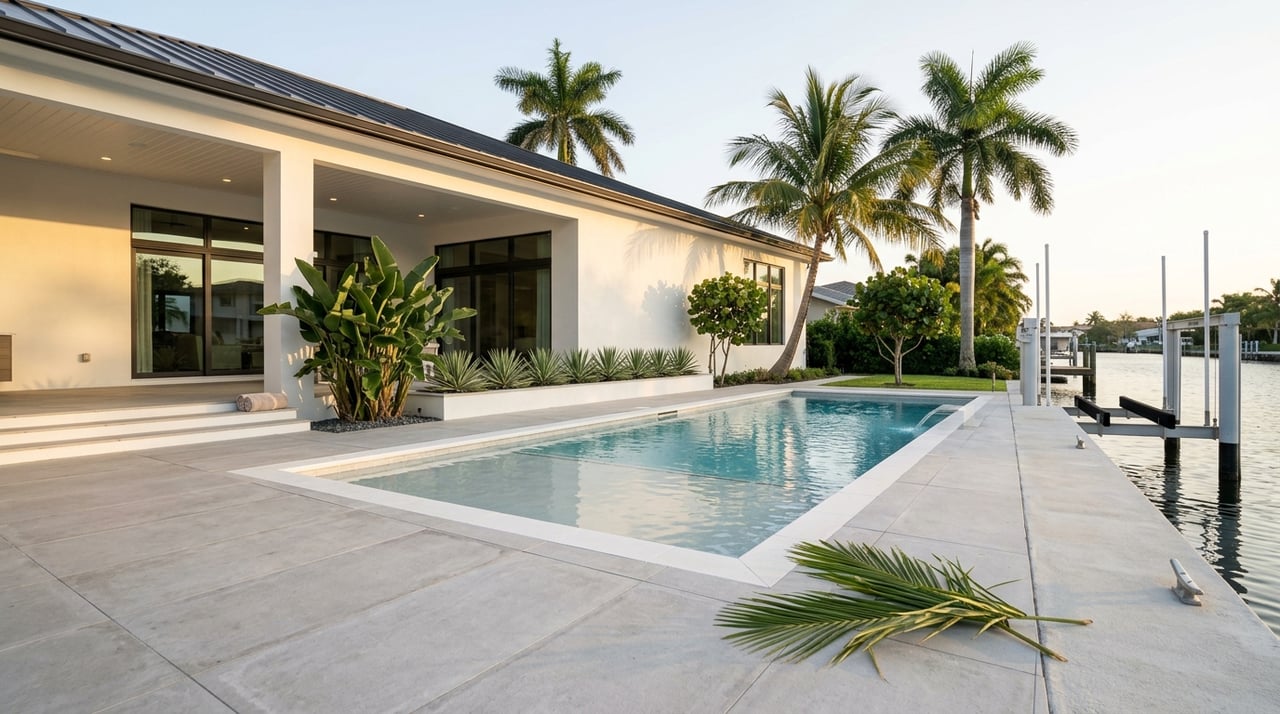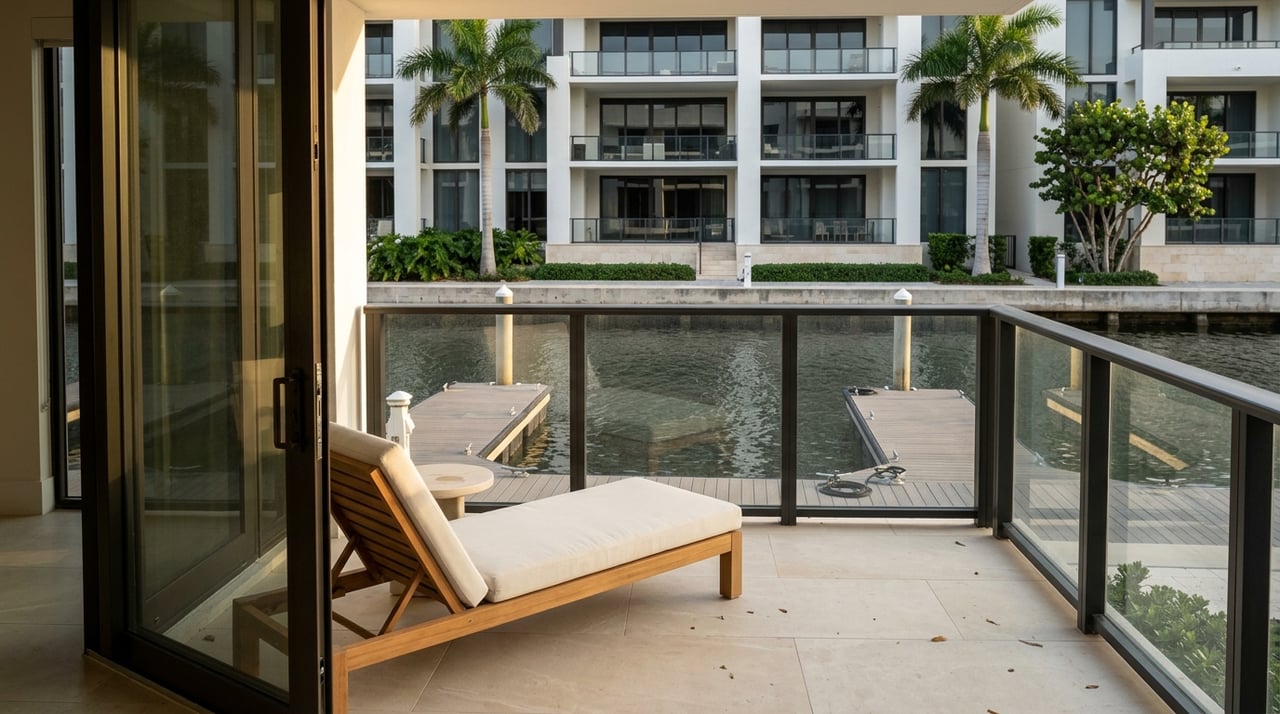
Is a Sarasota vacation home calling your name, but today’s rates and Florida carrying costs give you pause? You are not alone. Many buyers explore rate buydowns to make payments feel more manageable, especially in coastal markets with higher insurance. In this guide, you will learn how temporary and permanent buydowns work, what lenders actually count when you qualify, and Sarasota-specific costs that can change the math. Let’s dive in.
Second-home basics in Sarasota
A second home is a place you will occupy in addition to your primary residence. Most second-home buyers use conventional financing through Fannie Mae or Freddie Mac programs, while FHA and VA loans are typically for primary residences. Portfolio lenders and local banks may offer tailored options, often with stricter rules and pricing.
Plan for a larger down payment than a primary home. Conventional second-home loans often require about 10 to 20 percent down, and lenders may ask for 6 to 12 months of reserves, although requirements vary. For context, the baseline conforming loan limit was 726,200 for 2024, so check the current Sarasota County limit when you run numbers.
If you intend to rent the property frequently, especially short term, your lender may classify it as an investment property. That can change your down payment, rate, and reserve expectations. Lenders also tend to be conservative with rental income on new second-home purchases, so do not assume projected short-term rental income will count for qualifying.
Rate buydowns explained
Temporary buydowns
A temporary buydown lowers your interest rate for an initial period, then the loan returns to the note rate. Common structures include a 2-1 buydown and a 3-2-1 buydown. For example, a 2-1 lowers your rate by 2 percentage points in year one and 1 point in year two, then it resets to the full note rate.
The cost equals the present value of the interest subsidy during the buydown years. The seller, builder, or borrower funds this at closing, often into a buydown escrow. Temporary buydowns can smooth cash flow early, which helps if you are onboarding a second home and expect higher expenses in year one.
Permanent buydowns
A permanent buydown means paying discount points at closing to reduce the interest rate for the life of the loan. One point equals 1 percent of the loan amount. The rate reduction per point varies by market and lender. A simple way to evaluate a permanent buydown is to calculate how many months it takes to break even. Divide the upfront cost by the monthly payment savings.
Who pays and common arrangements
Sellers and builders often use buydowns as a concession to attract buyers, subject to program and investor limits. You can also pay points yourself. Some lenders run their own buydown promotions. Always confirm concession caps and documentation needs with your lender so the credit is structured correctly.
How buydowns affect qualifying and taxes
What lenders count for qualifying
Many lenders qualify you using the permanent note rate, not the reduced temporary buydown payment. Some will allow you to qualify using the lower payment if the subsidy is fully funded and documented for the buydown period, and if the lender’s rules allow it. Even with a temporary buydown, expect the lender to evaluate your ability to handle the higher payment after the buydown ends.
DTI and reserves
Because second homes often require stronger reserves, a temporary buydown will not remove the need to show long-term capacity. Ask your lender which payment they will use to calculate your debt-to-income ratio, whether additional reserves are required, and how they will document the buydown funds.
Tax considerations
Mortgage interest on a second home may be deductible if the loan is secured by the property and other IRS criteria are met. Points paid on a purchase loan can be deductible if they meet IRS rules for points in your area. For details on interest and points, review IRS guidance in Publication 936 and consult a tax advisor for your situation. You can reference the IRS overview in Publication 936 for consumer guidance.
- Learn more in the IRS overview of home mortgage interest in Publication 936: IRS Publication 936
Sarasota factors that change the math
Flood zones and windstorm insurance
Sarasota’s coastal setting means many properties sit in FEMA flood zones. If the property is in a Special Flood Hazard Area, lenders require flood insurance. Florida also has elevated windstorm and hurricane risks, which can increase premiums and deductibles. These factors meaningfully affect your monthly cost and the appeal of a temporary buydown.
- Check a property’s flood zone in the FEMA Flood Map Service Center: FEMA Flood Map Service Center
- For statewide insurance market updates and consumer guidance, see the Florida Office of Insurance Regulation: Florida OIR
Property taxes and homestead
Florida’s homestead exemptions apply only to primary residences. As a second-home buyer in Sarasota, you should not expect homestead benefits, so taxes may be higher than a similar property with homestead applied. Review the latest tax bill or estimate to keep your affordability analysis accurate.
- Use local records for tax estimates via the Sarasota County Property Appraiser: Sarasota County Property Appraiser
Short-term rentals and HOA rules
Short-term rental rules depend on the City of Sarasota, Sarasota County, and your association’s bylaws. If you plan to rent part time, confirm regulations before you write an offer. Frequent short-term renting can lead a lender to classify the home as an investment property, which affects rates, down payment, and reserves.
When a buydown can make sense
- You want near-term payment relief while absorbing start-up costs like furniture, insurance, and initial repairs. A temporary buydown smooths cash flow in year one or two.
- You expect to keep the home long term. A permanent buydown can be attractive if the break-even period is shorter than your expected holding period.
- You plan to refinance soon. A permanent buydown might not pencil if you expect a short holding period or a near-term refinance.
- Your seasonal income varies. A temporary buydown can bridge to higher winter-season income, but you still need reserves for the full payment later.
A simple worksheet to compare options
Gather these inputs:
- Purchase price, down payment amount and percentage
- Loan amount and current note rate and APR
- Temporary buydown options, such as 2-1 or 3-2-1
- Permanent buydown options, points and cost per point
- HOA fees, homeowner insurance and wind coverage estimates, flood insurance quote, monthly property tax estimate
- Other monthly debts used in DTI
- Cash reserves after closing
- Expected rental days per year and whether income will be counted for qualifying
Run these calculations:
- Monthly principal and interest at the note rate
- Monthly payments during each buydown year and the savings in each year
- Upfront cost of the buydown
- Break-even for permanent points: cost divided by monthly savings
- Which payment the lender will use for DTI and the resulting ratio
- Total monthly housing expense, including insurance, HOA, and taxes
- Reserves after closing
What to confirm with your lender
- Which payment will be used for qualifying, the note rate or the reduced buydown payment
- Whether seller-funded buydowns are allowed and how subsidy funds must be documented
- Seller concession limits for your loan type and price point
- Required reserves for a second home under this program
- Whether any rental income can be considered and what documentation is required
- Any risk-based pricing or mortgage insurance considerations for Florida properties
For program definitions and investor rules, review the current guides from Fannie Mae and Freddie Mac, and use CFPB resources for consumer mortgage comparisons:
- Fannie Mae program rules and definitions: Fannie Mae Selling Guide
- Freddie Mac program rules and definitions: Freddie Mac Single-Family Seller/Servicer Guide
- Consumer mortgage education and comparison tools: CFPB Owning a Home
Next steps in Sarasota
Buying a second home on the Suncoast should feel exciting, not overwhelming. If you run the numbers on temporary and permanent buydowns, check insurance early, and verify rental rules, you will make a confident choice that fits your lifestyle and budget. When you are ready to explore Sarasota’s waterfront neighborhoods, condos, and resort communities, connect with a local team that understands second-home financing dynamics and seasonal ownership.
Have questions about neighborhoods, property types, or how to position your offer if you want a seller-paid buydown? Reach out to Carla Nix for tailored guidance and introductions to trusted local lenders.
FAQs
What is a temporary 2-1 buydown for a Sarasota second home?
- It reduces your interest rate by 2 percentage points in year one and 1 point in year two, then the loan returns to the full note rate, with the upfront cost funding those early payment subsidies.
Can you use Airbnb income to qualify for a Sarasota second-home loan?
- Lenders are usually conservative and often do not allow projected short-term rental income for qualifying a new second home unless there is documented history and formal leases, which is more typical for investment loans.
How do Florida insurance costs affect a buydown decision?
- Higher windstorm and possible flood premiums increase your total monthly expense, which can make a temporary buydown attractive for early cash flow, but you still need to qualify for and plan to afford the full payment later.
Are seller-paid buydowns allowed on second homes?
- Yes, sellers and builders often offer buydowns as concessions, but they must fit program concession limits and be documented correctly, so confirm the details with your lender before negotiating.
Is mortgage interest and points on a second home tax deductible?
- Mortgage interest can be deductible and points may be deductible if IRS rules are met, but treatment varies by situation, so review IRS Publication 936 and consult a qualified tax professional.