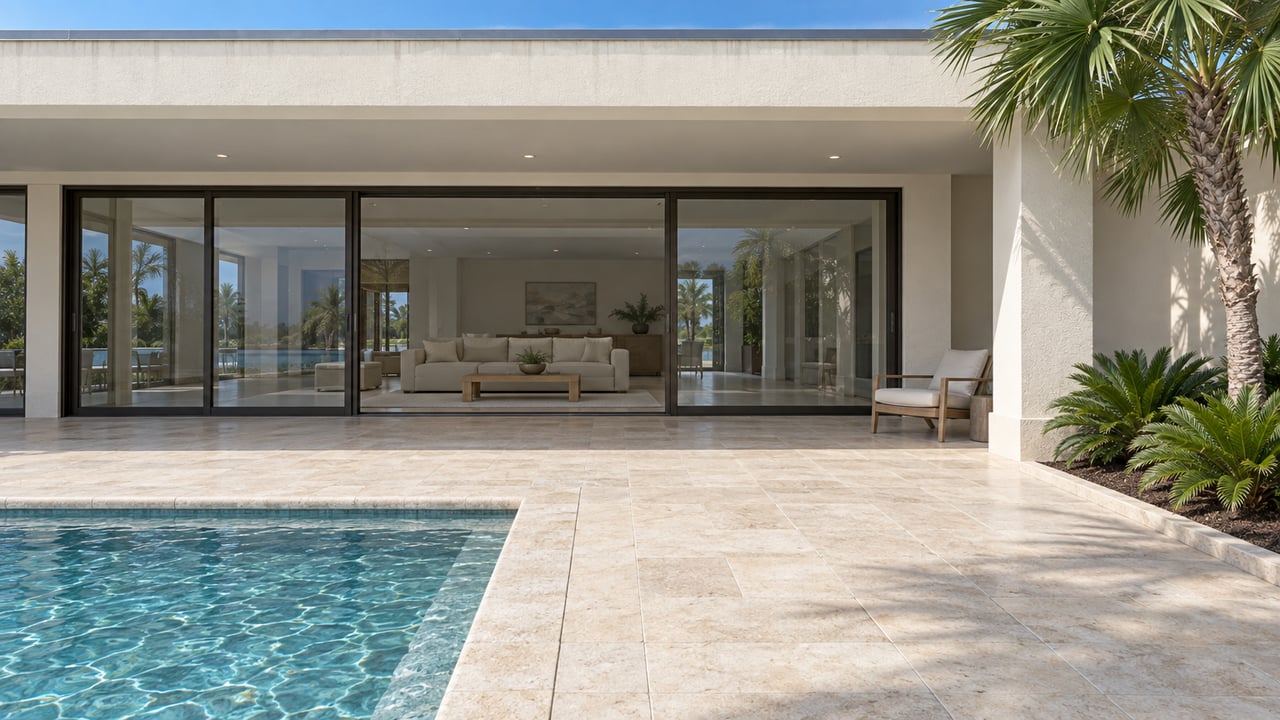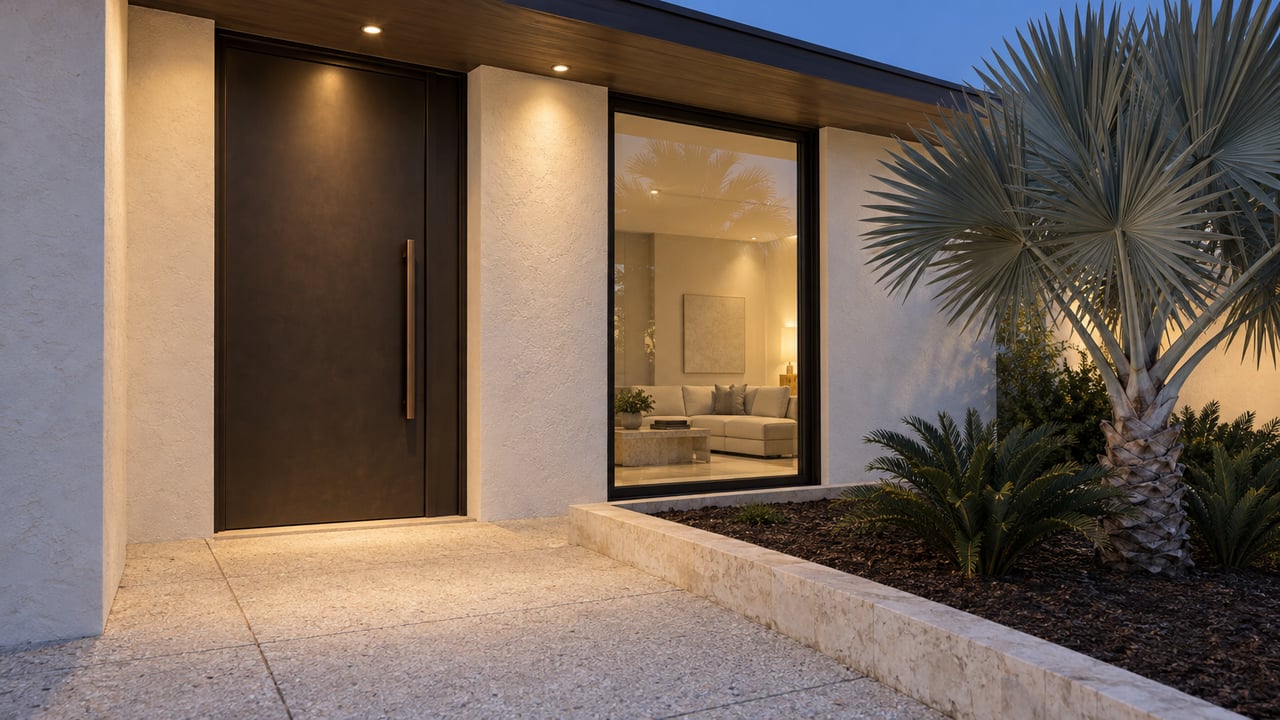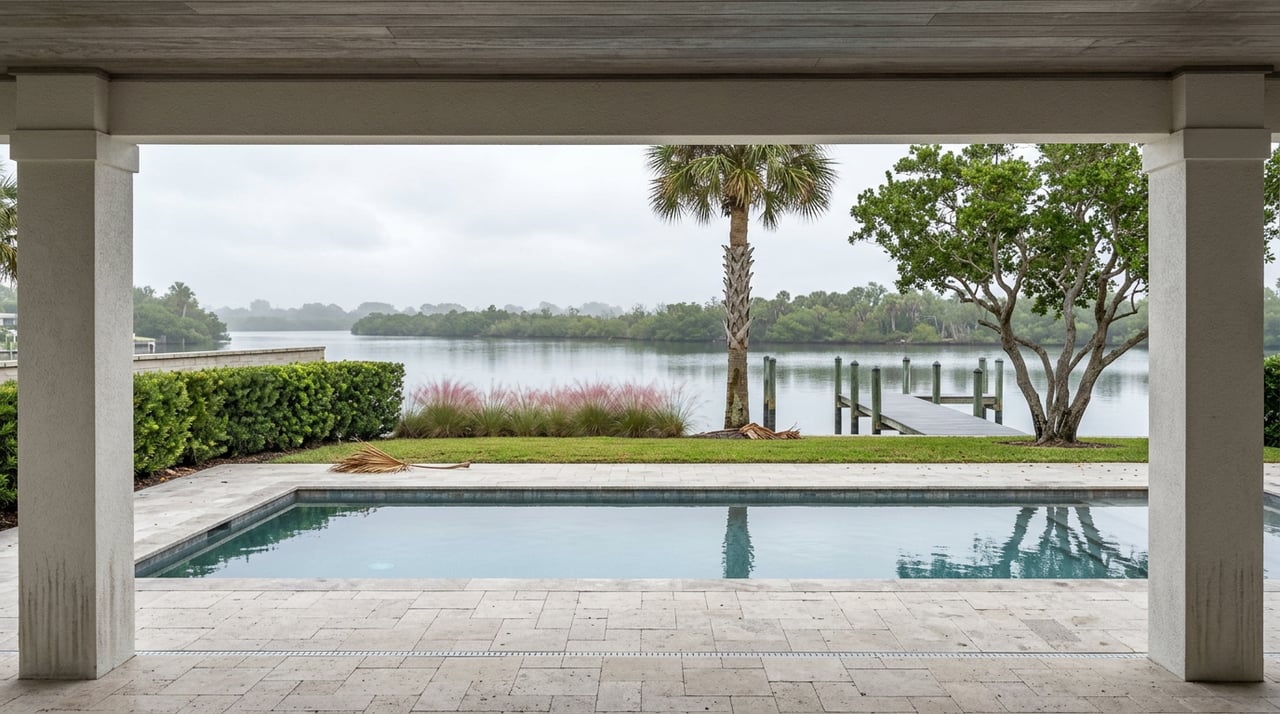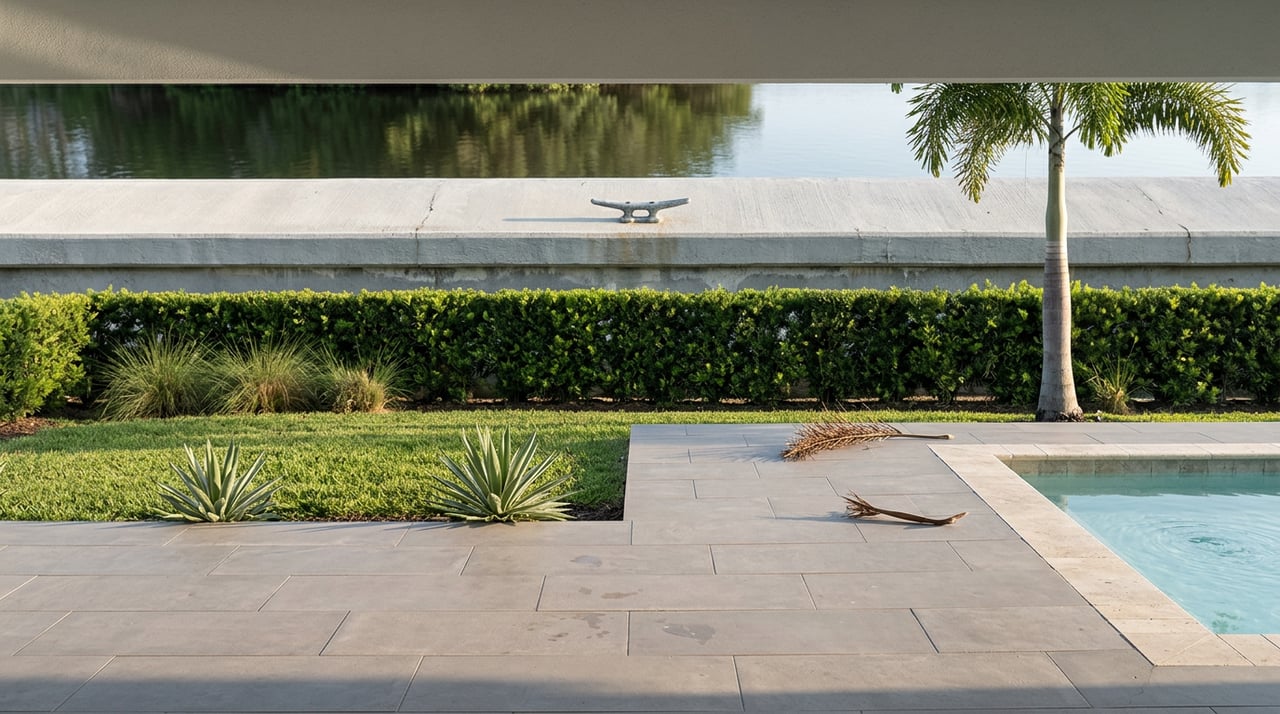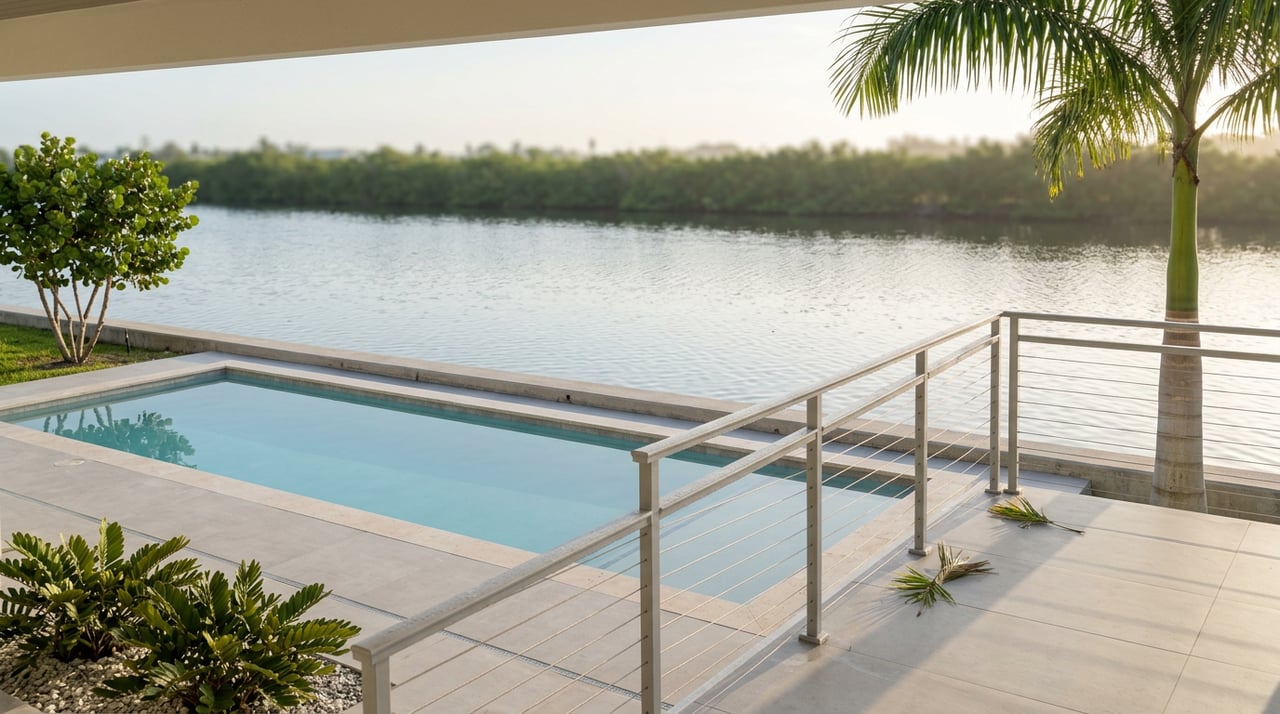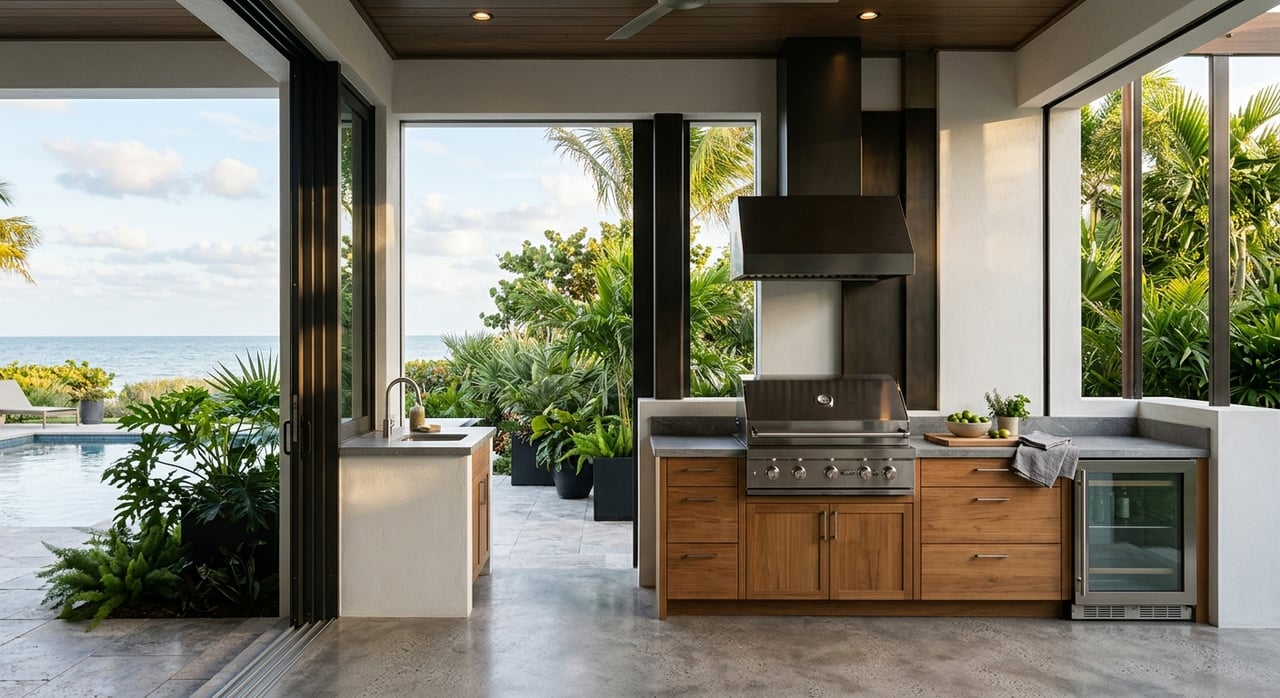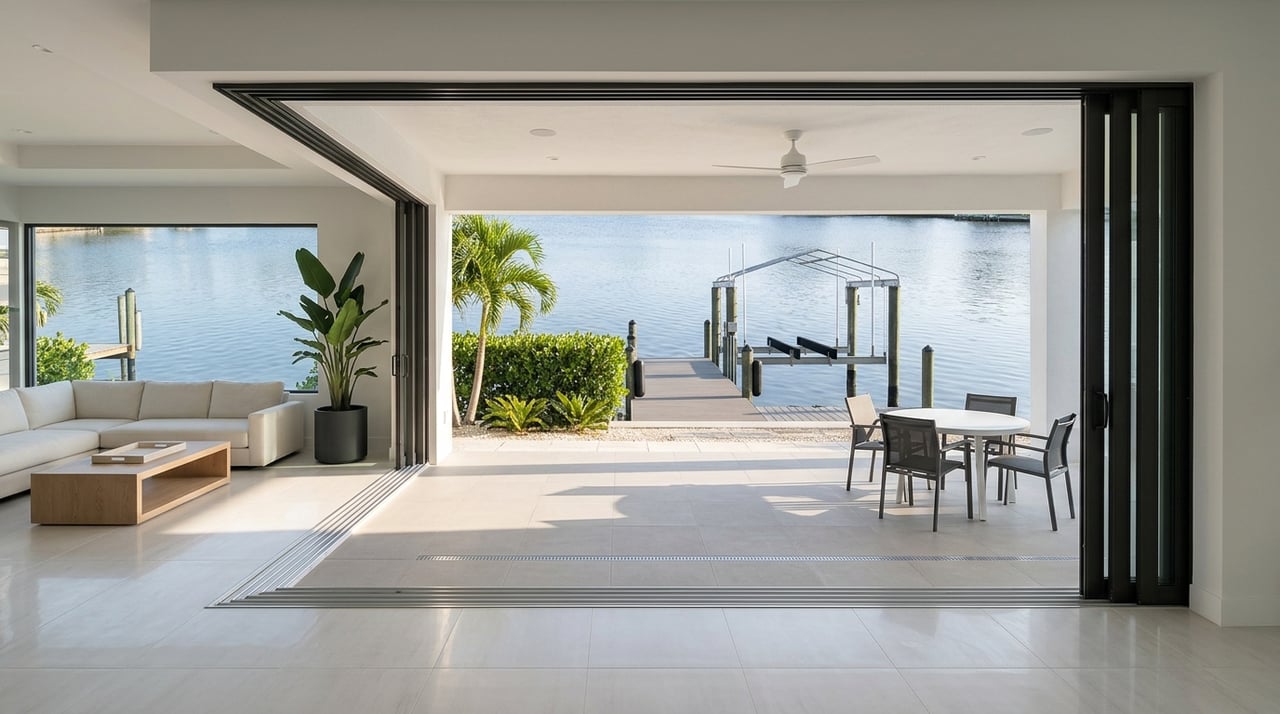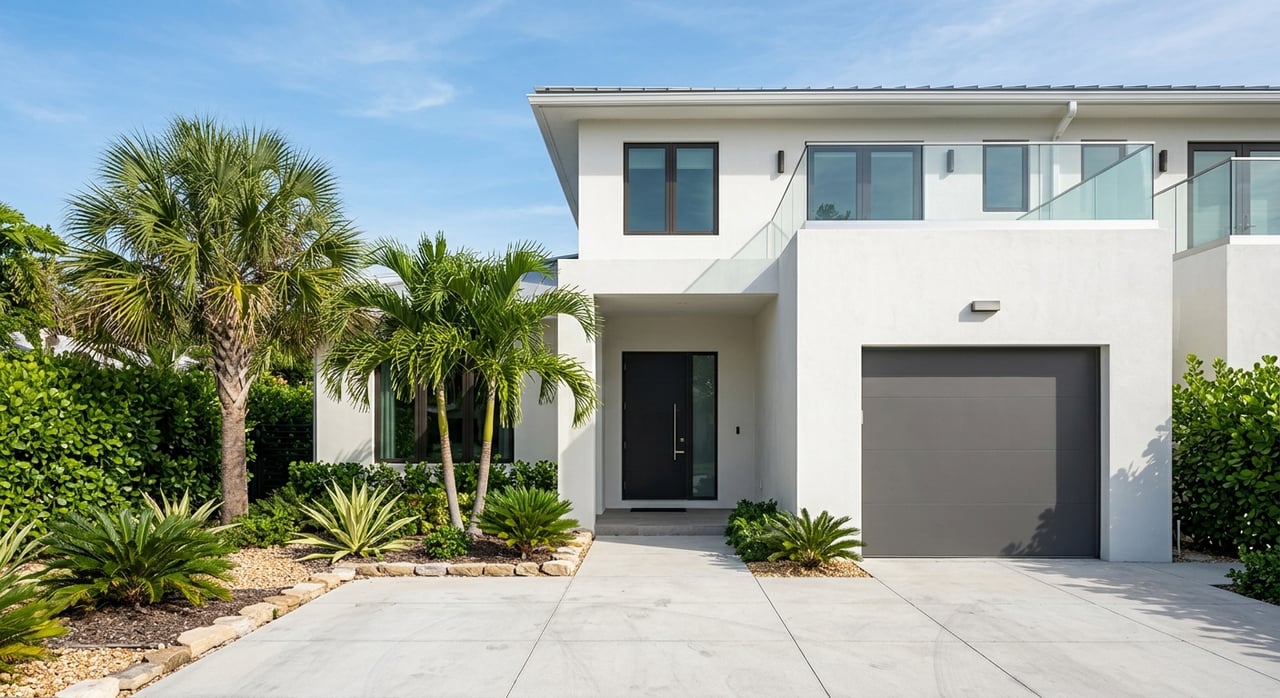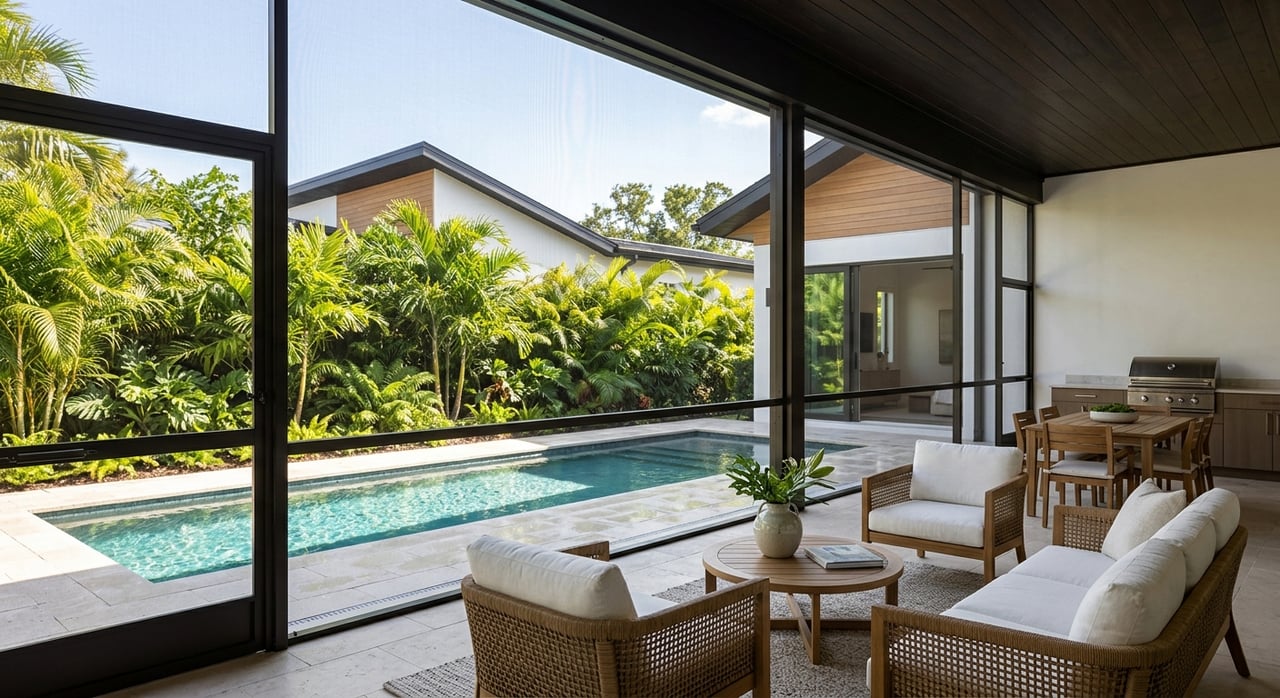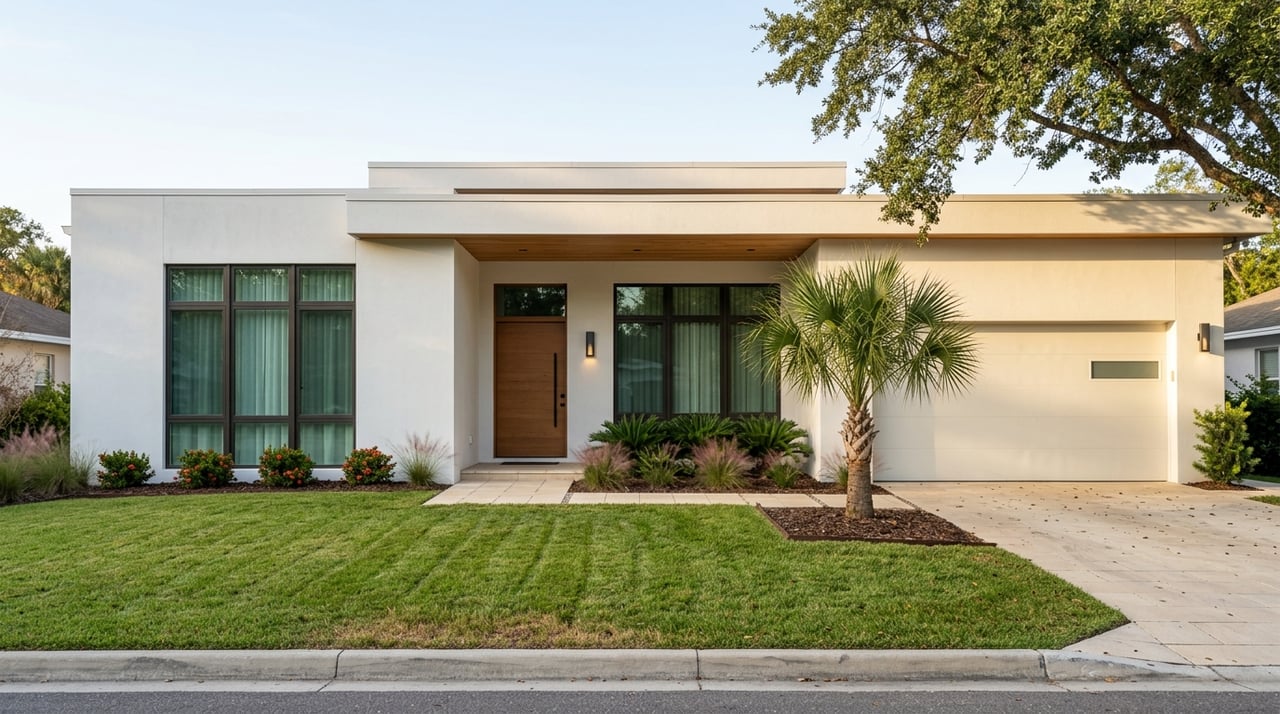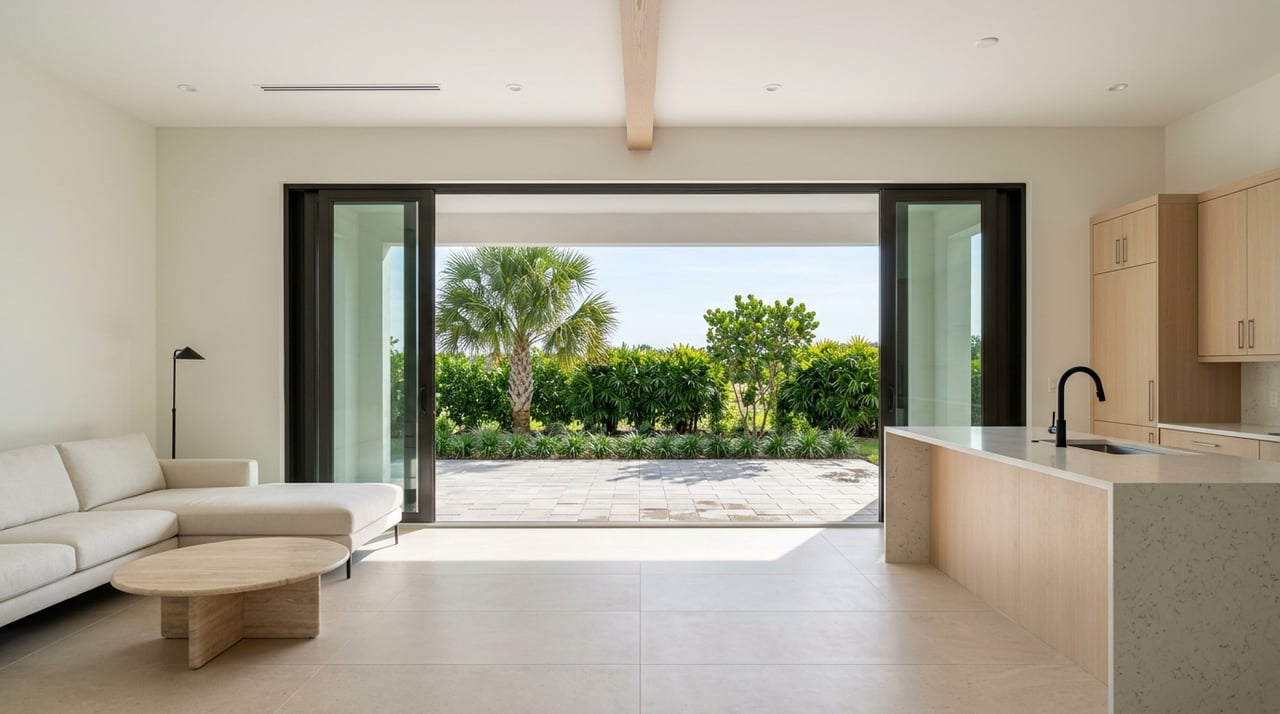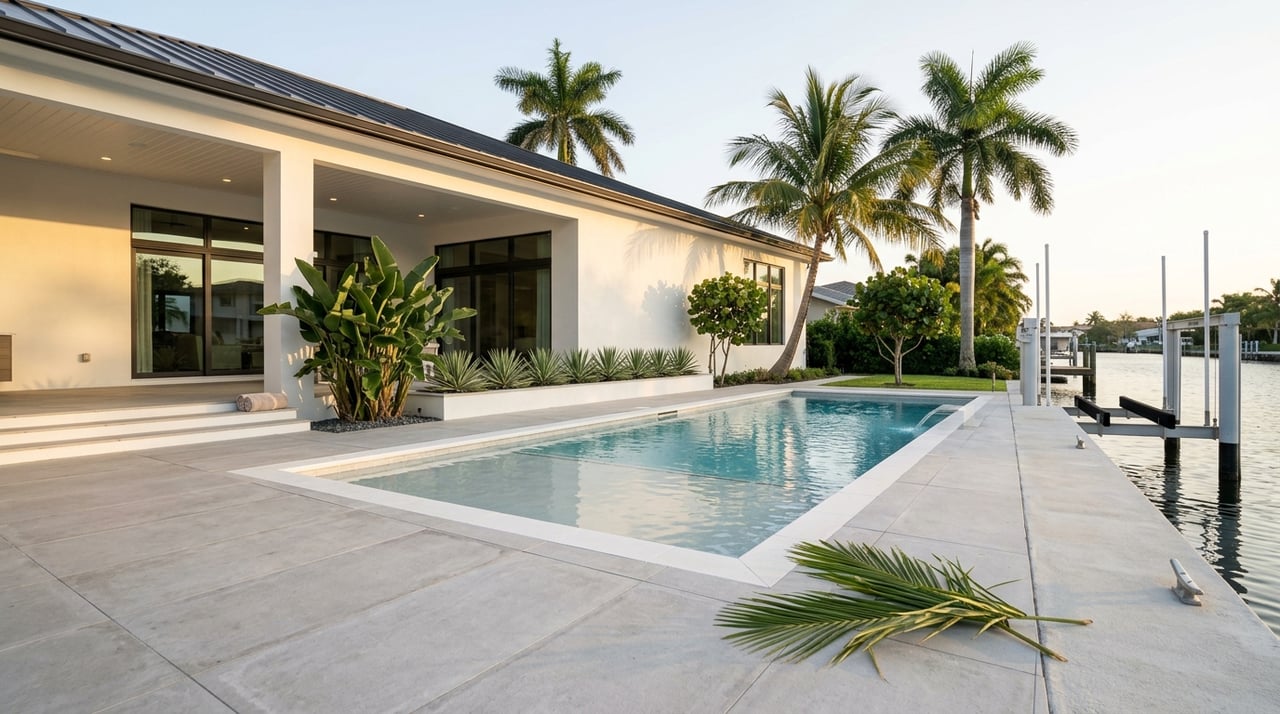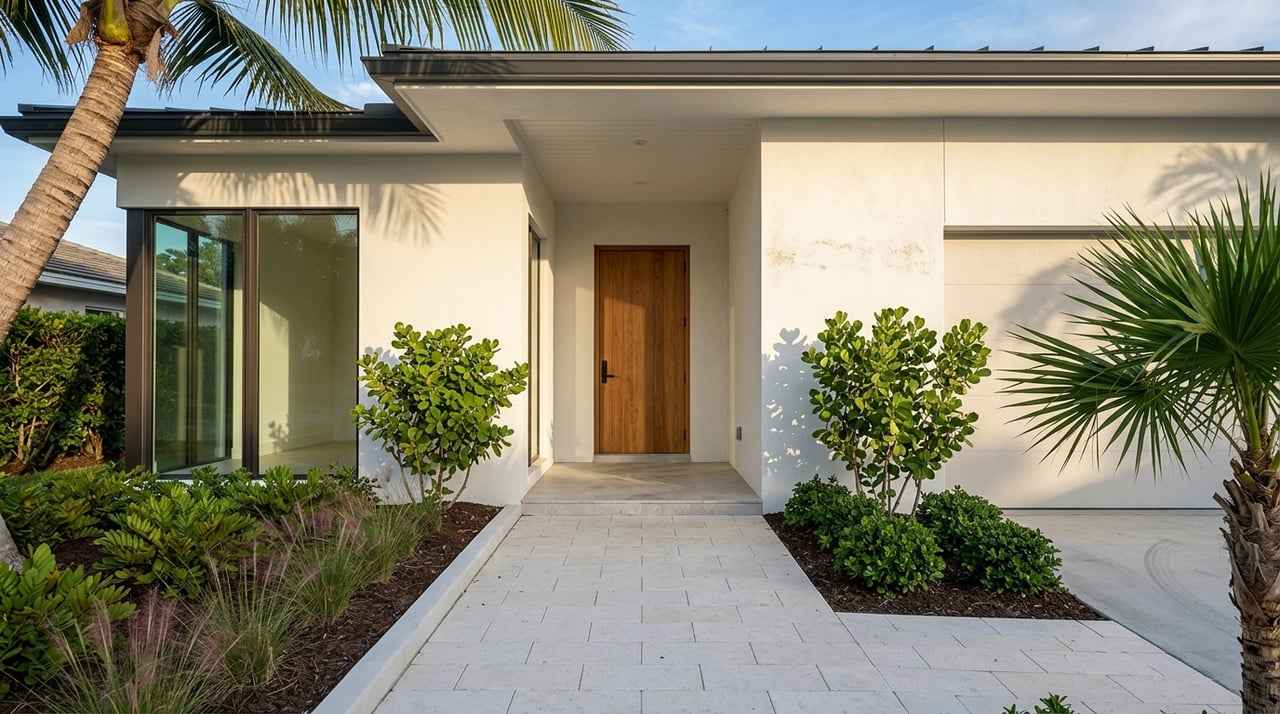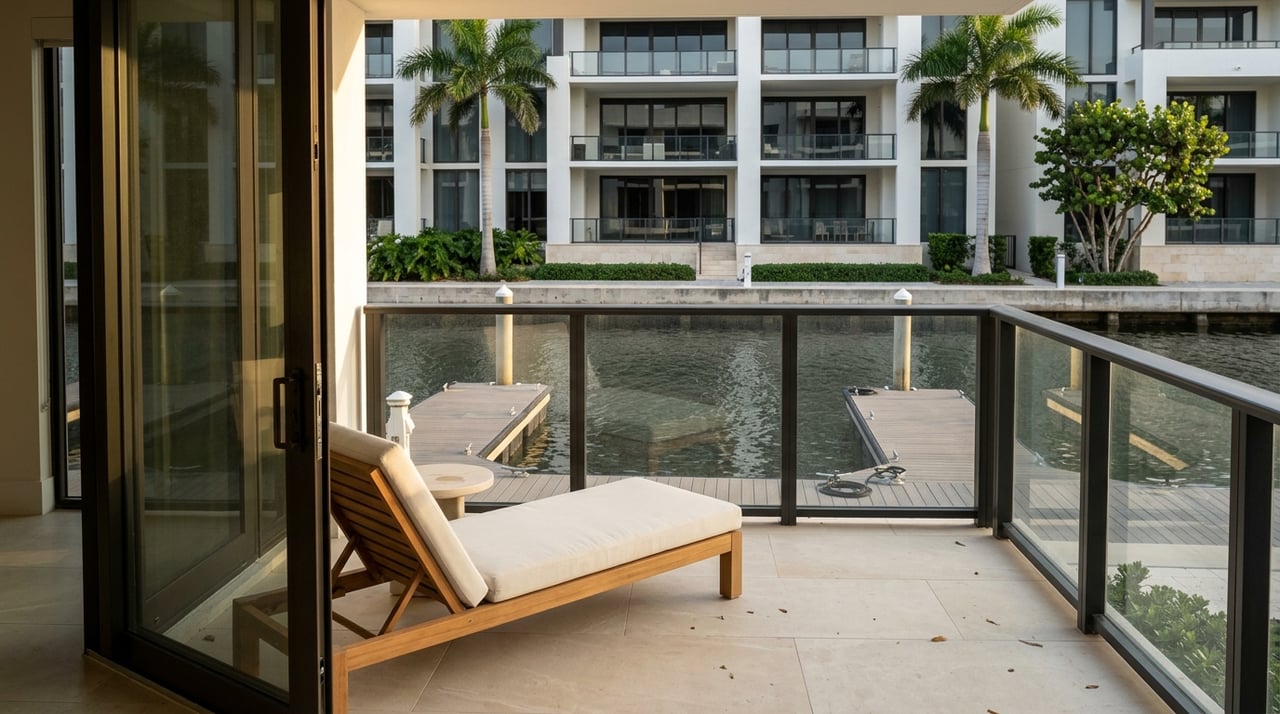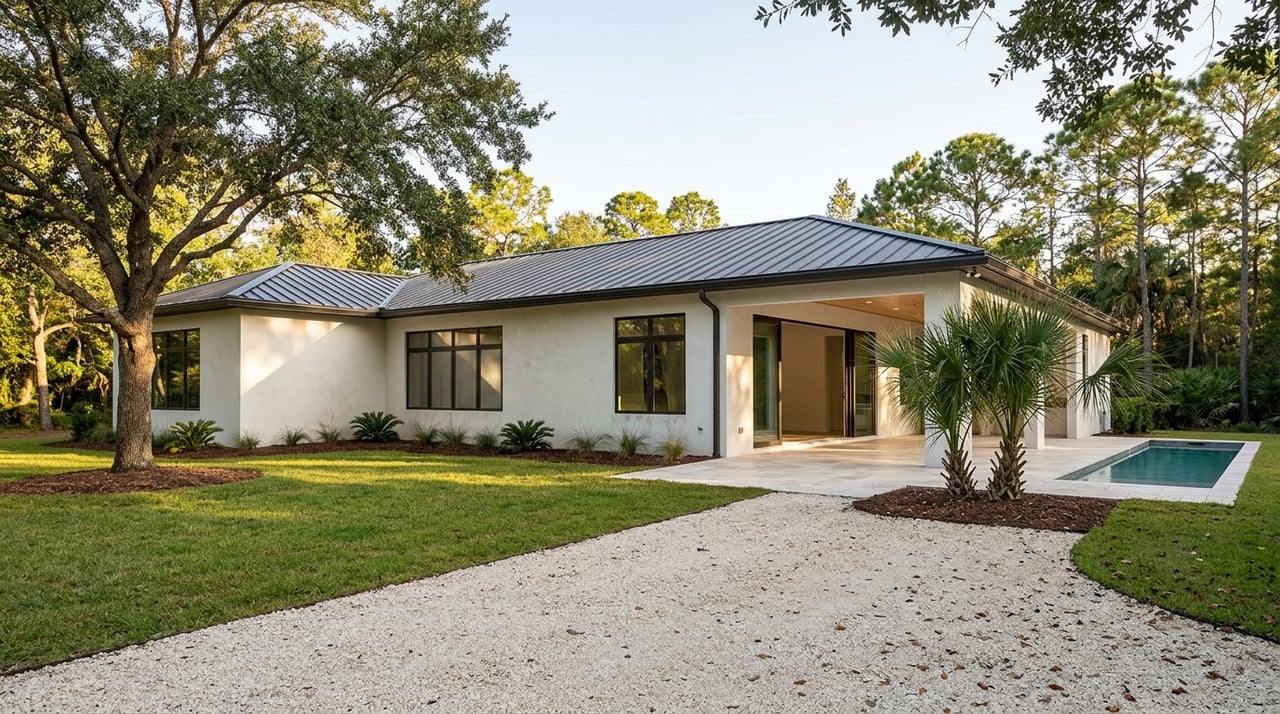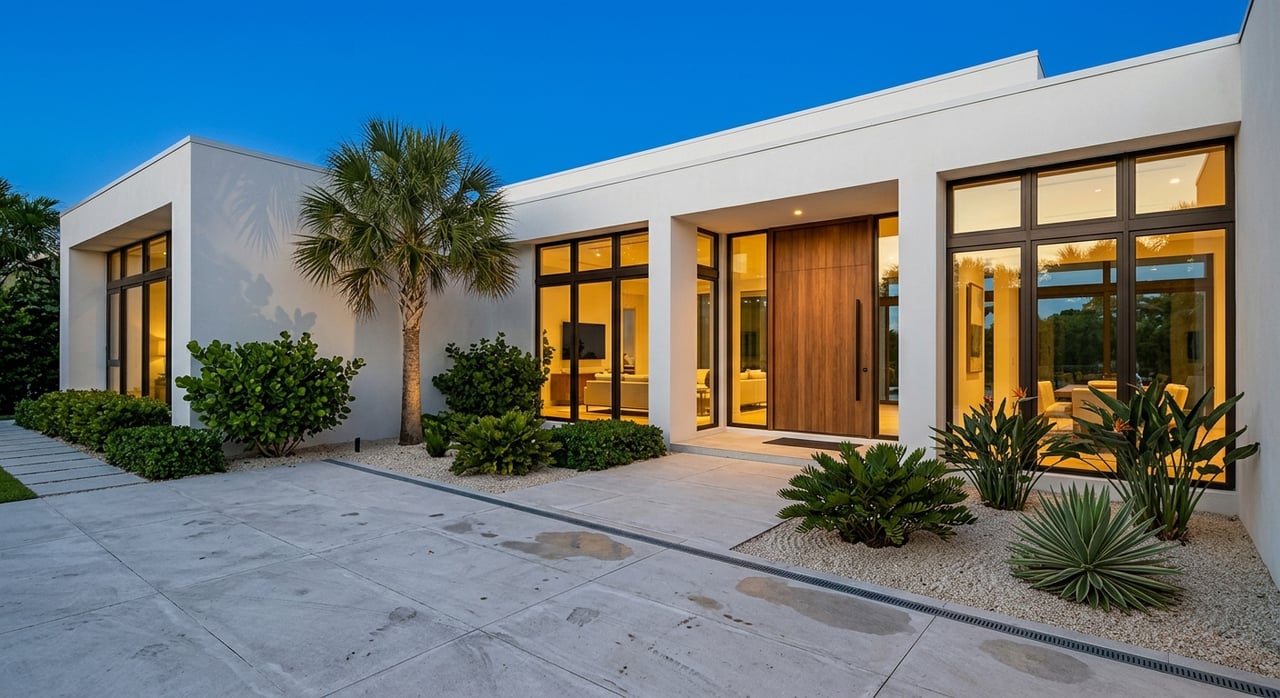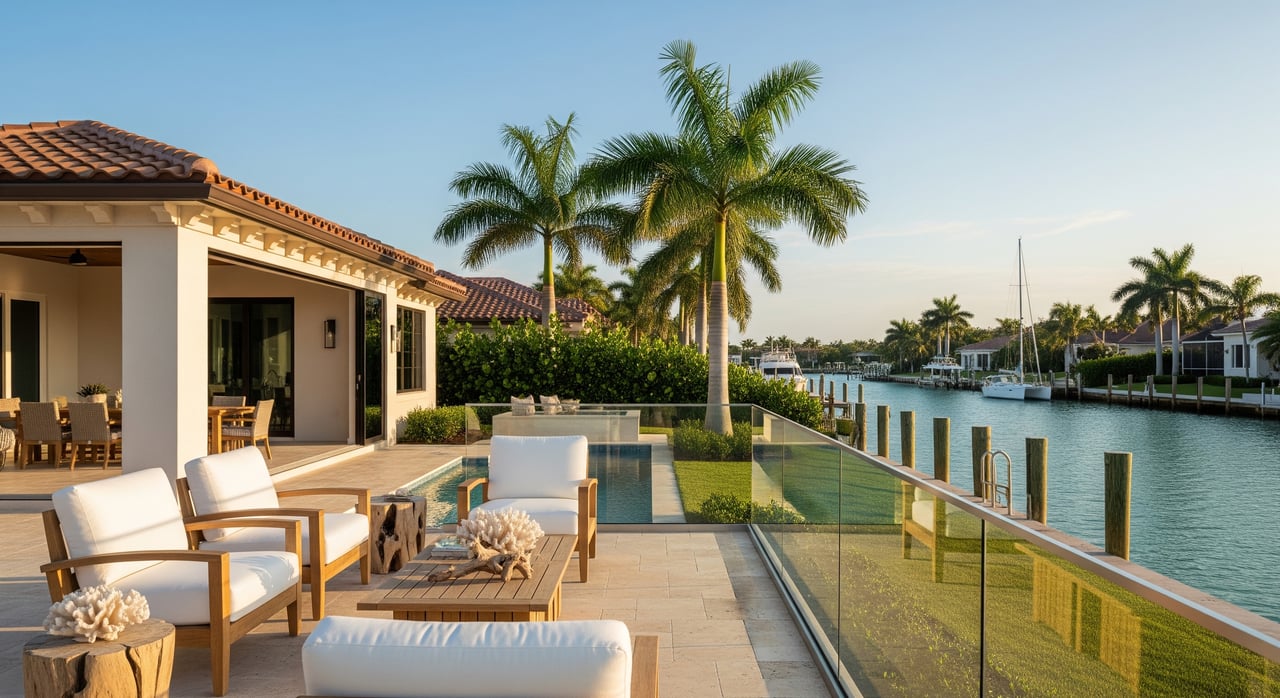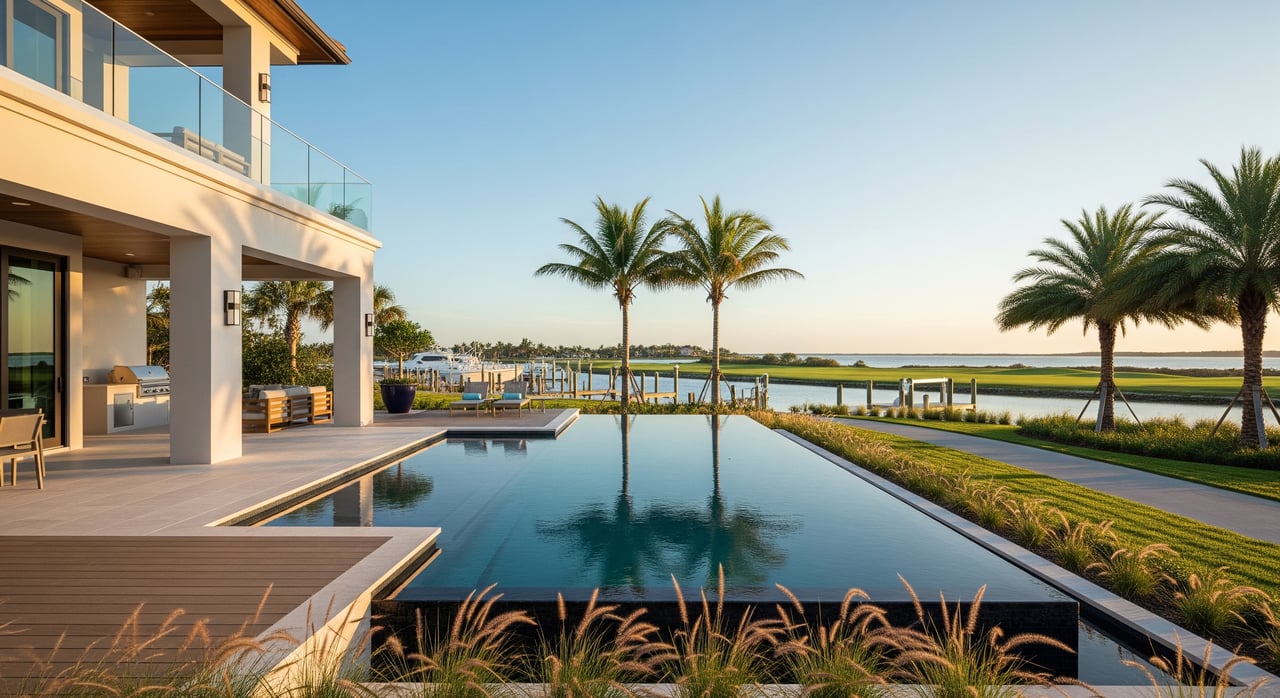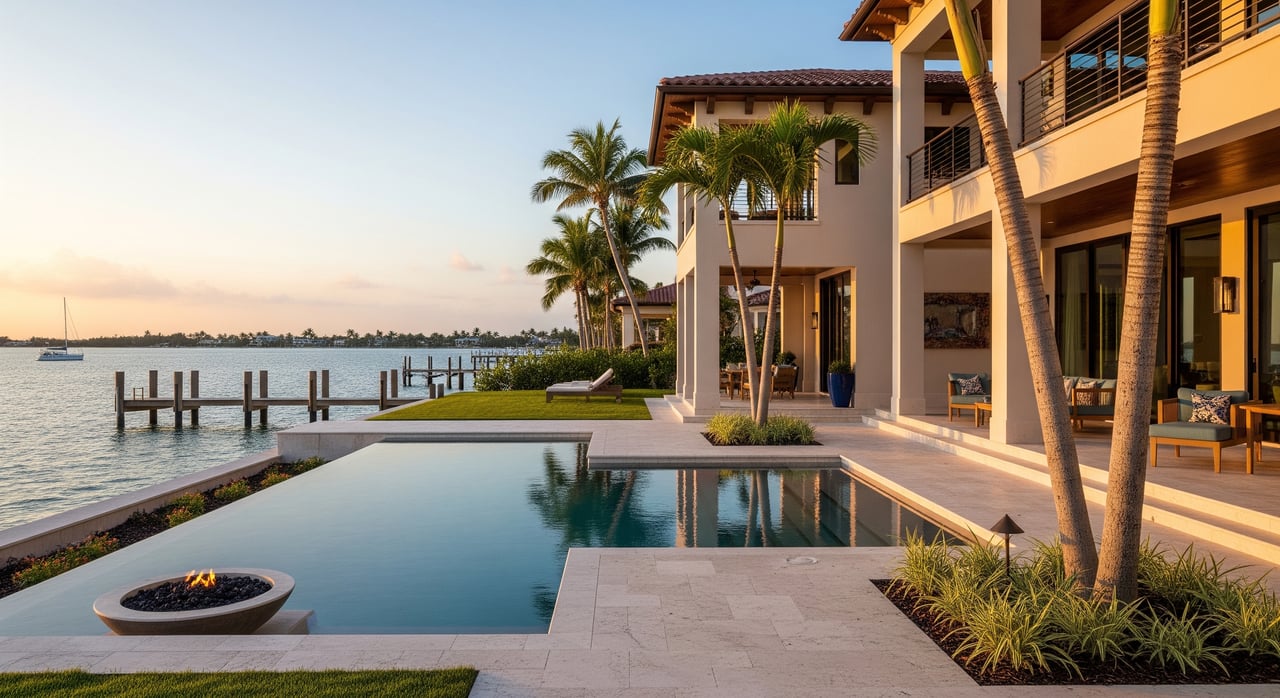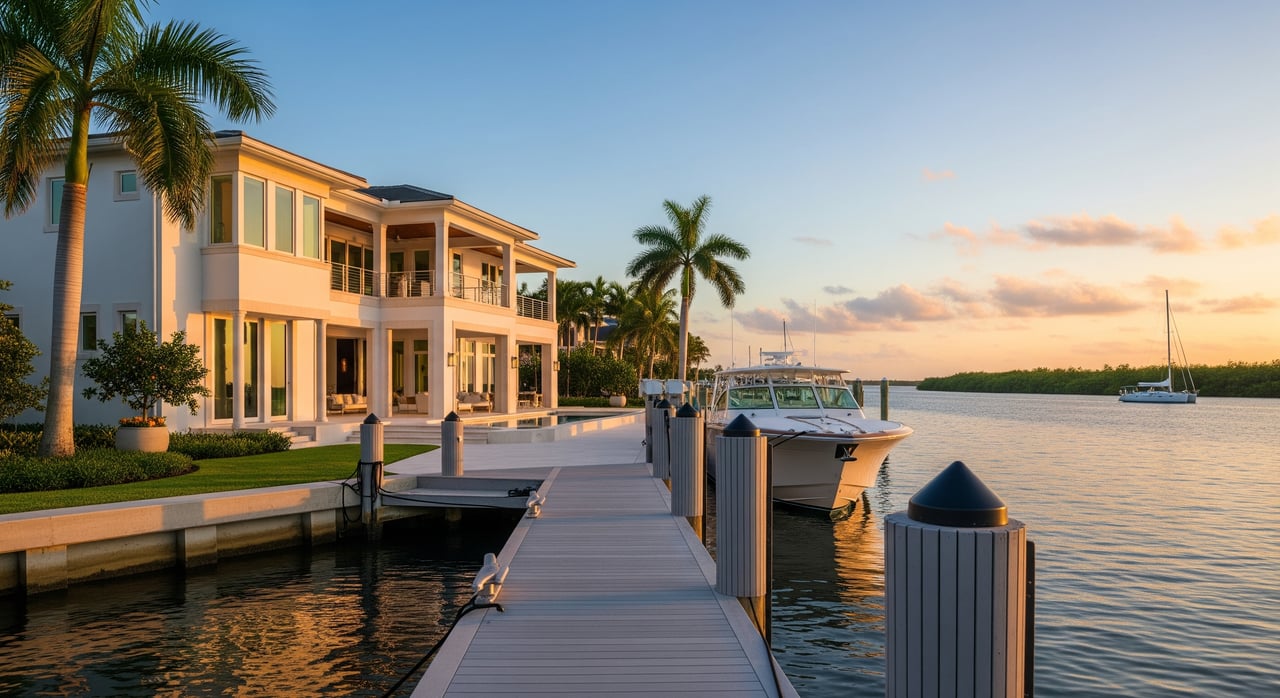
You want steady income and a slice of Florida waterfront life. Cape Coral gives you both, with more than 400 miles of canals that create a wide range of price points, boating access, and rental potential. If you buy smart, a canal‑front home or duplex can produce attractive returns while staying flexible for future resale. In this guide, you’ll learn how to underwrite these properties like an analyst so you can move with confidence. Let’s dive in.
Why Cape Coral works for income buyers
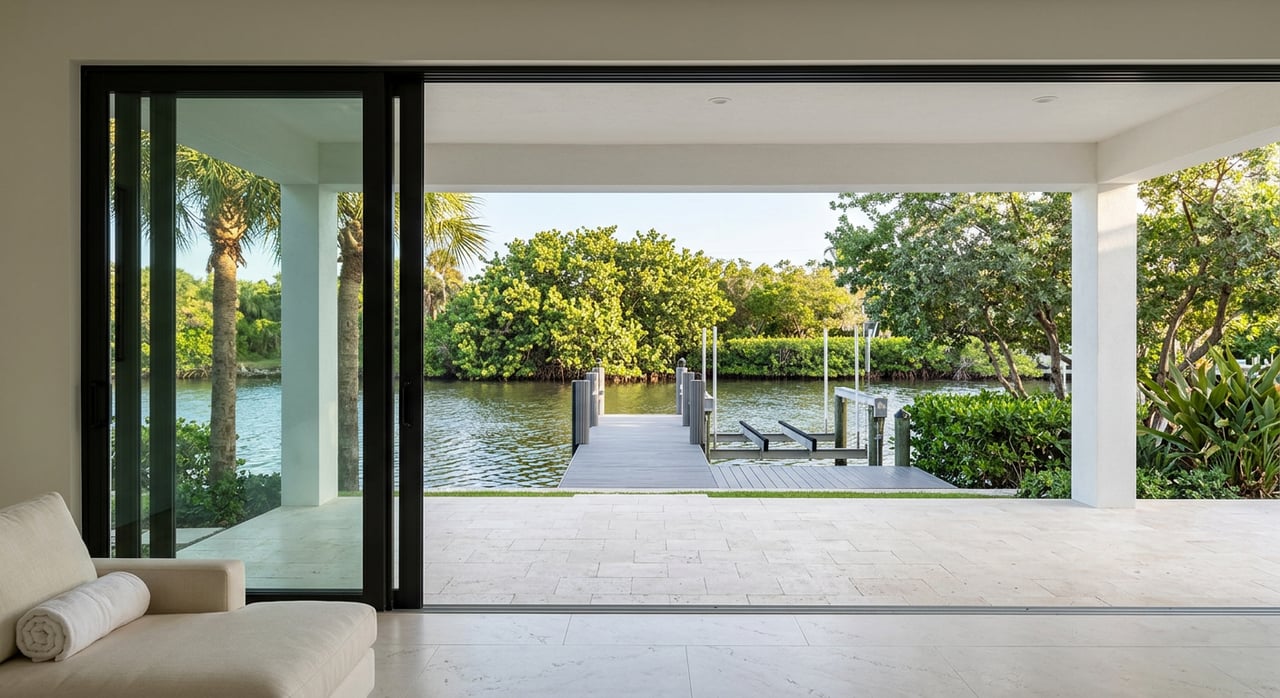
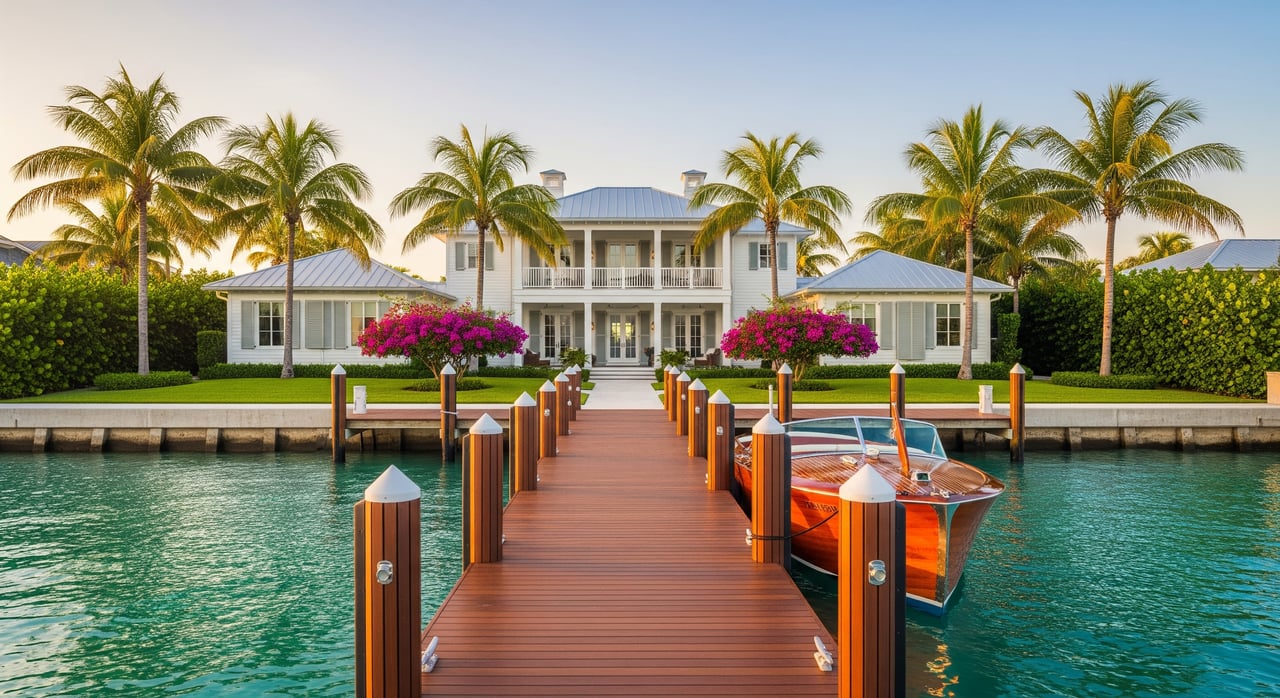
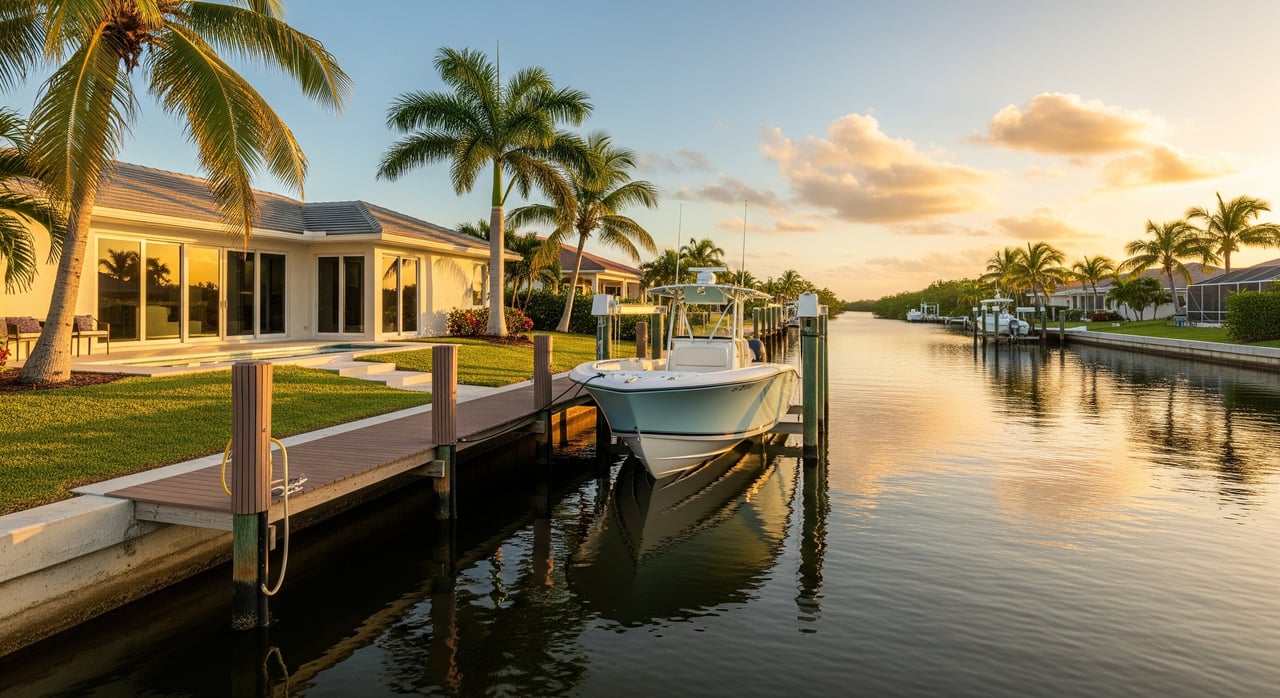
Cape Coral’s canal network is one of the largest in the country, offering diverse waterfront options and lifestyle appeal for renters and owners alike. The city documents its extensive canal system, commonly cited as 400-plus miles, which helps explain the depth of inventory and varied price tiers you’ll see across neighborhoods. You can use that variety to match your budget and your rental strategy. Waterfront and gulf‑access homes tend to command premium pricing and higher rents, while freshwater canals often trade at more accessible entry points.
Short‑term rental demand in Southwest Florida is seasonal. The winter months drive peak occupancy and higher rates, while summer and early fall are softer. Tourism resources highlight a strong December through April high season, so your model should reflect a monthly occupancy and pricing curve rather than a flat average. Third‑party vacation rental data for the region often shows mid‑50s to low‑60s average occupancy, with higher peaks in winter and wider rate swings near prime boating corridors.
Know your waterfront access tier
Not all canal lots are equal from a boating or rental perspective. Classify each property’s water access before you price it or forecast rent.
Direct gulf access
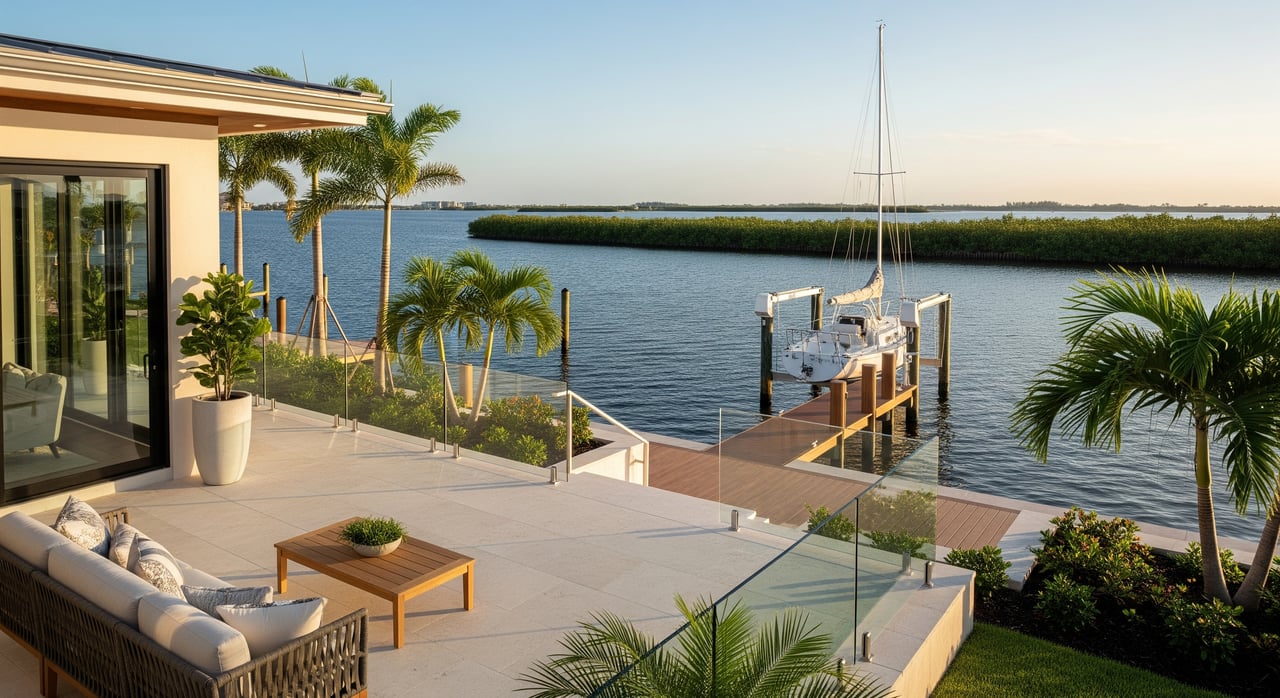
These routes reach open water without fixed bridge limits. They attract boating groups, anglers, and charter guests willing to pay for convenience. Expect higher purchase prices and stronger peak‑season rates. Confirm channel depth and routes on local charts, and research city marine rules for mooring and navigation.
Gulf or river access with fixed bridges
These canals lead to the river or gulf, but bridge clearances limit taller vessels. They remain popular with day‑boaters and families using typical powerboats. Pricing usually steps down from direct gulf access, yet still commands a waterfront premium. Verify bridge heights, turning basins, and known chokepoints in your due diligence.
Freshwater canals and basins
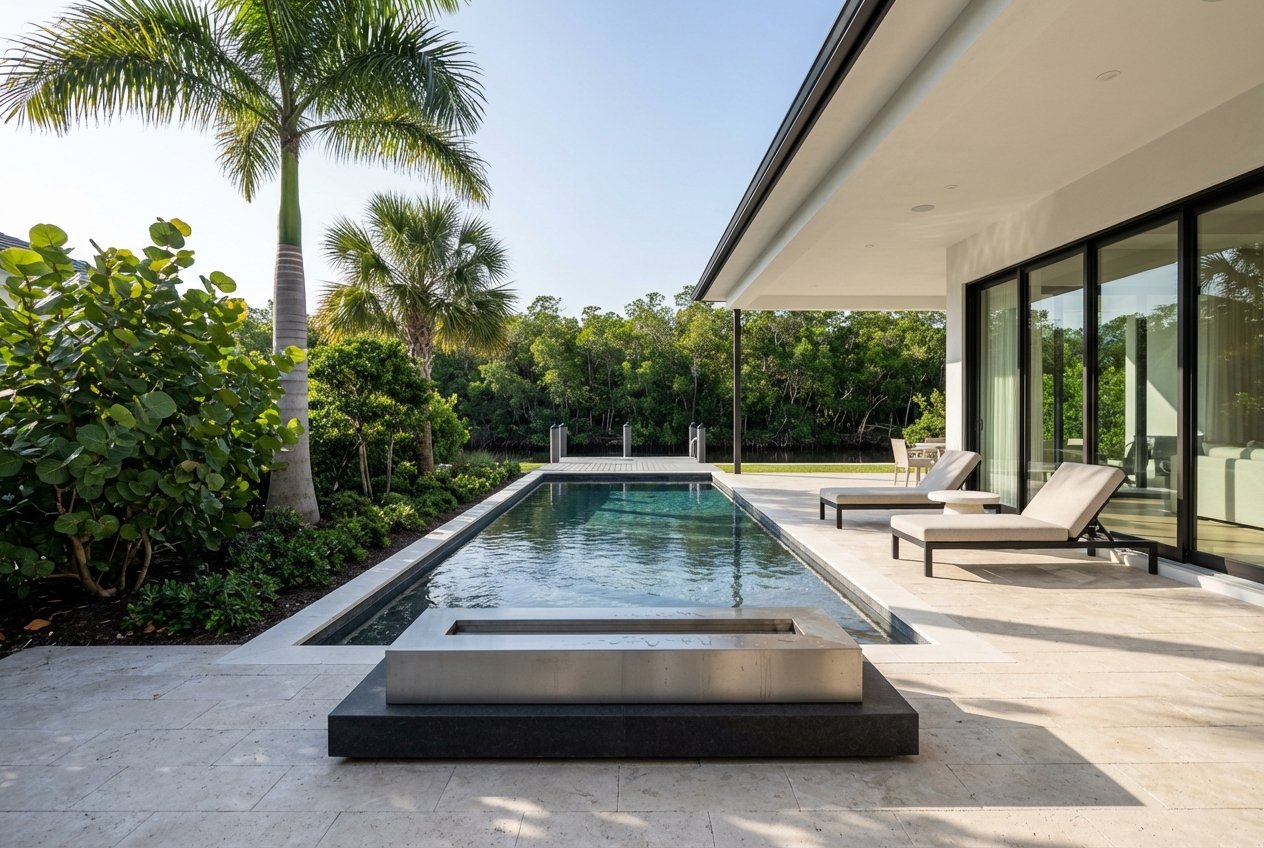
Freshwater systems do not connect to the gulf. They appeal to renters who value water views, kayaking, and the pool‑lanai lifestyle more than long‑range cruising. These properties often deliver better yield on purchase price, especially if you market well and manage off‑season pricing.
Practical on‑water checks
Before you bid, confirm channel depths, turning basin width, and any neighborhood rules that affect boating. Research local routes, the Chiquita Boat Lock where relevant, and city mooring guidance through Marine Services so you are clear on operational realities for owners and guests.
Choose your rental model on purpose
Short‑term, seasonal stays
Nightly and weekly rentals capture peak winter rates and high‑demand holidays. This model requires active management, dynamic pricing, and strong guest marketing. Budget for higher turnover and cleaning, plus platform fees and tax remittance.
Extended winter “snowbird” stays
One‑ to three‑month bookings from November to April can smooth your cash flow. Per‑night pricing is lower than short stays, but turnover costs and vacancy risk drop. This is a smart lane for duplexes or properties with flexible layouts.
Long‑term annual tenants
Twelve‑month leases create steadier income and fewer operational headaches. Monthly rent is typically lower than peak STR weeks, but many investors prefer the predictability, especially when insurance or HOA rules make nightly rentals less attractive.
Returns are made in due diligence
Registration, taxes, and compliance
Cape Coral requires annual registration for all residential rentals. The city’s updated schedule sets higher short‑term fees effective January 1, 2026. As published, short‑term rentals defined as six months or less carry an annual fee of $350, while long‑term rentals carry an annual fee of $35 per property. Noncompliance can lead to fines, so build registration and renewals into your operating procedures.
If you rent for six months or less in Lee County, you must collect and remit the 5 percent Tourist Development Tax, plus applicable state and county sales tax, commonly applied at 6 to 6.5 percent. Some platforms may remit on your behalf, but you are responsible for accurate records. Plan systems for tax collection, reporting, and timely payments.
Always review HOA and deed restrictions. Many waterfront communities limit or prohibit nightly rentals. These private rules can override a short‑term rental plan even when the city allows it.
Flood zones and insurance costs
Check the FEMA flood map and get an elevation certificate early. Waterfront properties in Special Flood Hazard Areas often require flood insurance for financed purchases. Florida wind and flood premiums have risen in recent years, and some carriers may change terms after major storms. Model a conservative range for both NFIP and private flood coverage, plus hurricane deductibles and the risk of nonrenewal.
Seawalls, docks, and marine capex
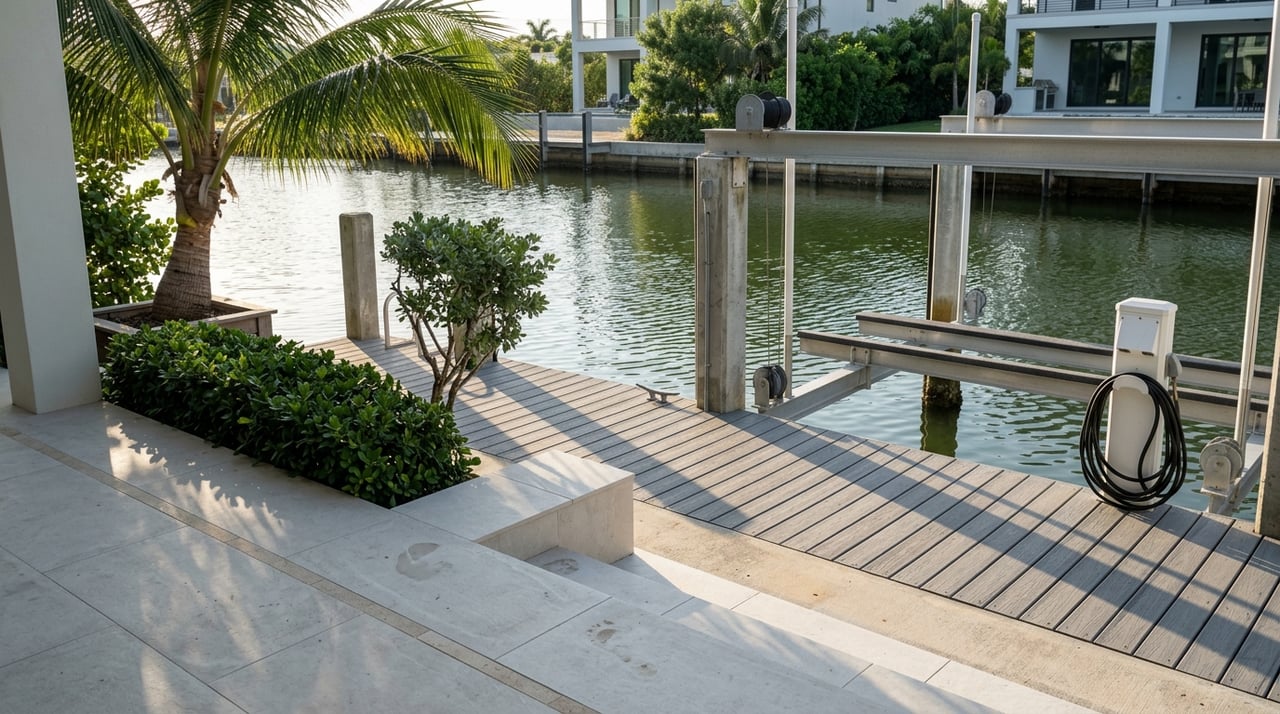
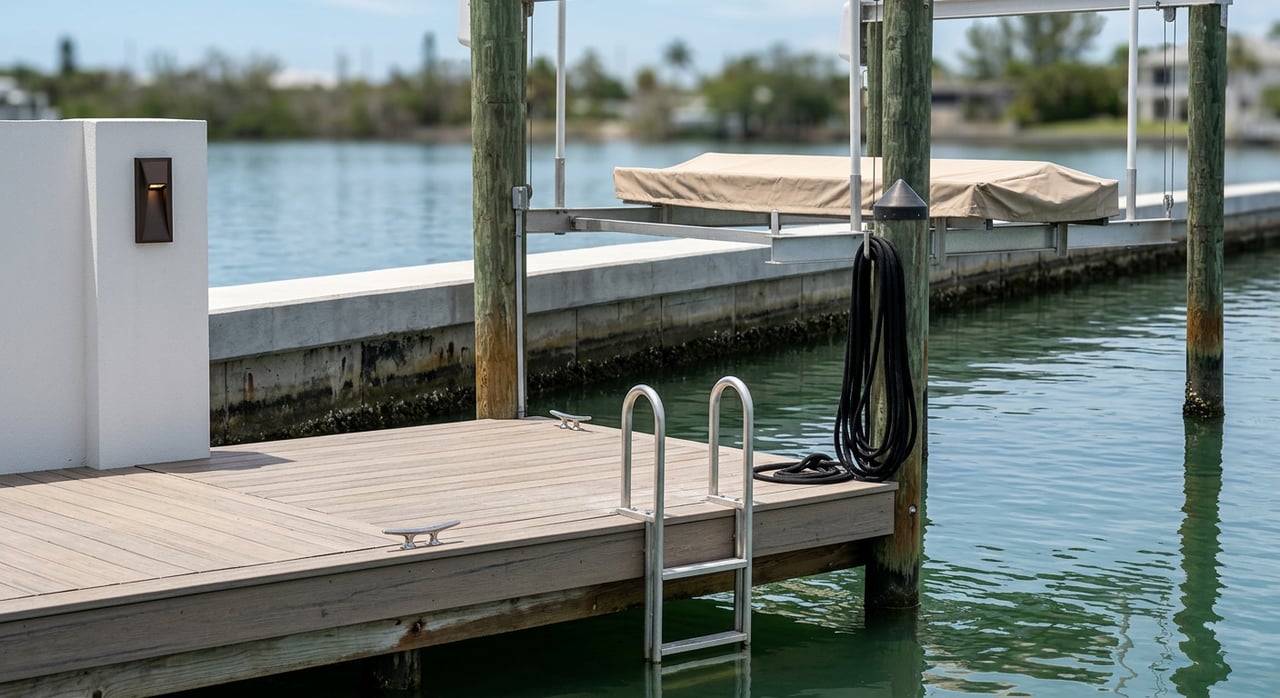
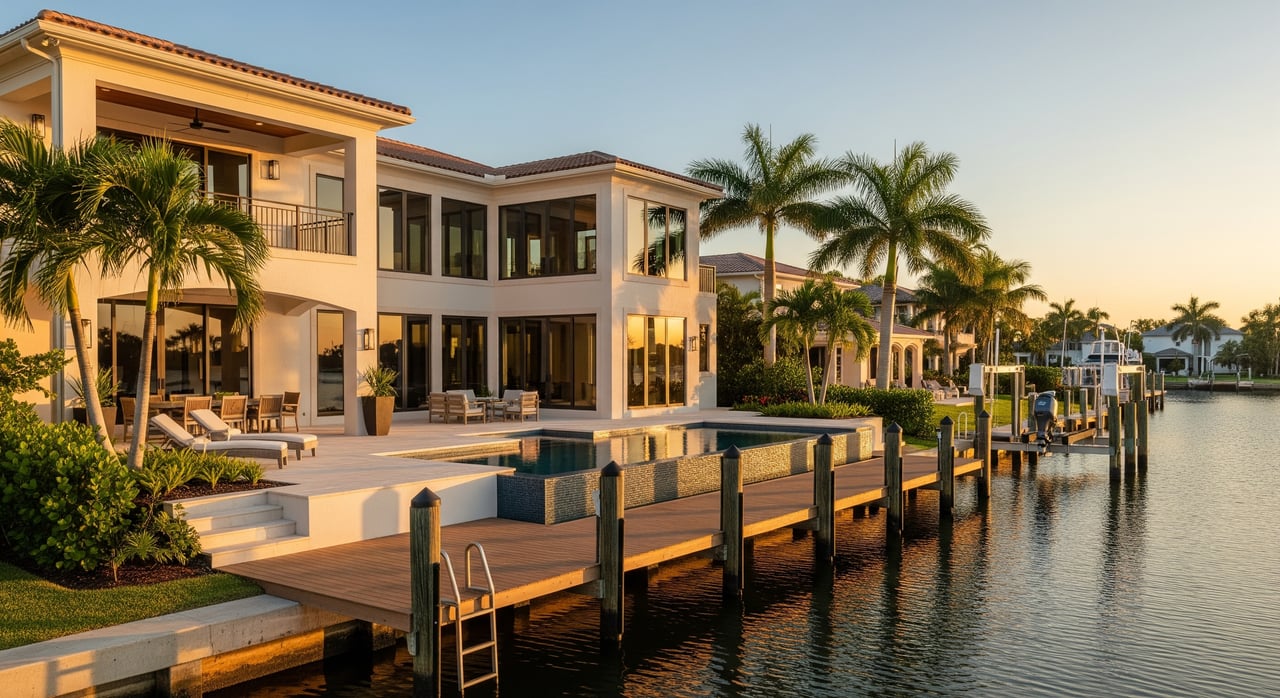
Factor the cost and lifecycle of seawalls, docks, and boat lifts into your underwriting. Many seawalls have a 30 to 50‑year life, and owners are commonly responsible for maintenance or replacement. Inspect these structures during due diligence and build a reserve line for near‑term repairs and a larger capex event within a 5 to 10‑year horizon. Also confirm any permitting considerations that could affect future repairs.
Duplex zoning and operations
Duplexes can diversify income by mixing one long‑term lease with one seasonal or monthly rental. Before you assume a two‑unit plan, confirm that the parcel’s zoning, parking, and utility requirements support duplex use under the city’s Land Development Code. On the operations side, budget for separate meters where required, coordinated turnovers, and HOA rules if applicable.
Financing realities for investors
Investment properties usually require larger down payments and stricter underwriting than primary homes. Conventional loans for one‑unit investments often need 15 to 25 percent down, and lenders may have additional requirements for two‑ to four‑unit properties. Ask your lender about DSCR products or conventional options, and price your offer with realistic rate and reserve assumptions.
Underwriting checklist for Cape Coral waterfront income
Use this framework to build a defensible pro forma and offer strategy:
- Market comps by access tier: pull 6 to 12 months of closed sales and active listings, segmented by direct gulf, bridged gulf, and freshwater, plus bedroom count, pool, and dock features.
- STR analytics (if nightly or weekly): gather block‑level occupancy, ADR, RevPAR, seasonality, and listing counts. Build your model on rolling 12‑month data and a winter‑weighted curve.
- Taxes and fees: include city rental registration in your fixed costs, plus 5 percent bed tax and 6 to 6.5 percent sales tax for short stays. Confirm platform collection rules and your remittance steps.
- Insurance: price flood and wind quotes for the exact property. Model a conservative premium range, hurricane deductibles, and a backup plan if a carrier exits.
- Physical due diligence: order a seawall and dock inspection, verify boat access routes and local marine rules, and confirm utilities and any pending assessments.
- Financing: request investment loan quotes early and model different leverage scenarios so you can pivot if rates or terms shift.
- Operations: budget full‑service STR management at 15 to 30 percent, turnover and cleaning costs, utilities, pool and lawn care, dock maintenance, HOA dues, and capex reserves.
Model a conservative base case
Build three scenarios before you write an offer. Your conservative case should assume lower off‑season occupancy and rates, higher insurance, full compliance costs, and a seawall or dock capex within 10 years. Your base case splits the difference, using a realistic winter high and summer low based on recent neighborhood data. Your upside case should be credible, tied to specific value adds like a dock upgrade, refreshed interiors, or optimizing minimum stays to capture peak weeks.
Neighborhood fit and portfolio approach
Premium micro‑markets near marinas and major boating corridors often trade at higher prices and earn stronger winter rates. Value‑oriented plays along bridged gulf routes or freshwater canals can deliver better yield on purchase price if you market to non‑boater renters and manage seasonality. If you are building a portfolio, consider balancing a waterfront asset in Cape Coral with an inland property elsewhere in Southwest Florida to reduce exposure to storm‑related insurance volatility and off‑season softness.
Work with a local, investment‑minded team
The right partner helps you validate numbers, avoid costly pitfalls, and win competitive assets. You get better outcomes when your agent understands boating access, flood and insurance dynamics, rental registration, and HOA rules, plus has the marketing reach to keep your calendar full in peak season. If you want data‑driven advice with white‑glove service, connect with Carla Nix to align your property search with your income goals and long‑term plan.
FAQs
Cape Coral STR registration: Do I need a city license to rent my property?
- Yes. Cape Coral requires annual registration for all residential rentals, with higher fees for short‑term stays of six months or less effective January 1, 2026.
Tourist and sales taxes on short stays: What should I collect and remit in Lee County?
- For rentals of six months or less, collect the 5 percent Tourist Development Tax plus applicable state and county sales tax, typically totaling 6 to 6.5 percent.
Flood insurance on waterfront homes: Is it required and how do I check my zone?
- If your home is in a FEMA Special Flood Hazard Area and you finance the purchase, flood insurance is typically required; verify your flood zone and elevation early in due diligence.
Seawalls and docks: How do these affect my returns and what should I inspect?
- Seawalls and docks carry meaningful lifecycle costs; inspect condition and age, budget near‑term repairs, and reserve for a 30 to 50‑year seawall replacement horizon.
Duplex feasibility: Can I operate one side long‑term and the other seasonally?
- Often yes, but confirm parcel zoning, parking and utility requirements under the city’s Land Development Code, and check HOA or deed restrictions that may limit short‑term rentals.
STR seasonality: How should I estimate occupancy for a vacation rental in Cape Coral?
- Use a monthly curve that peaks in winter and softens in summer, informed by block‑level STR data and local tourism trends, rather than a single annual average.