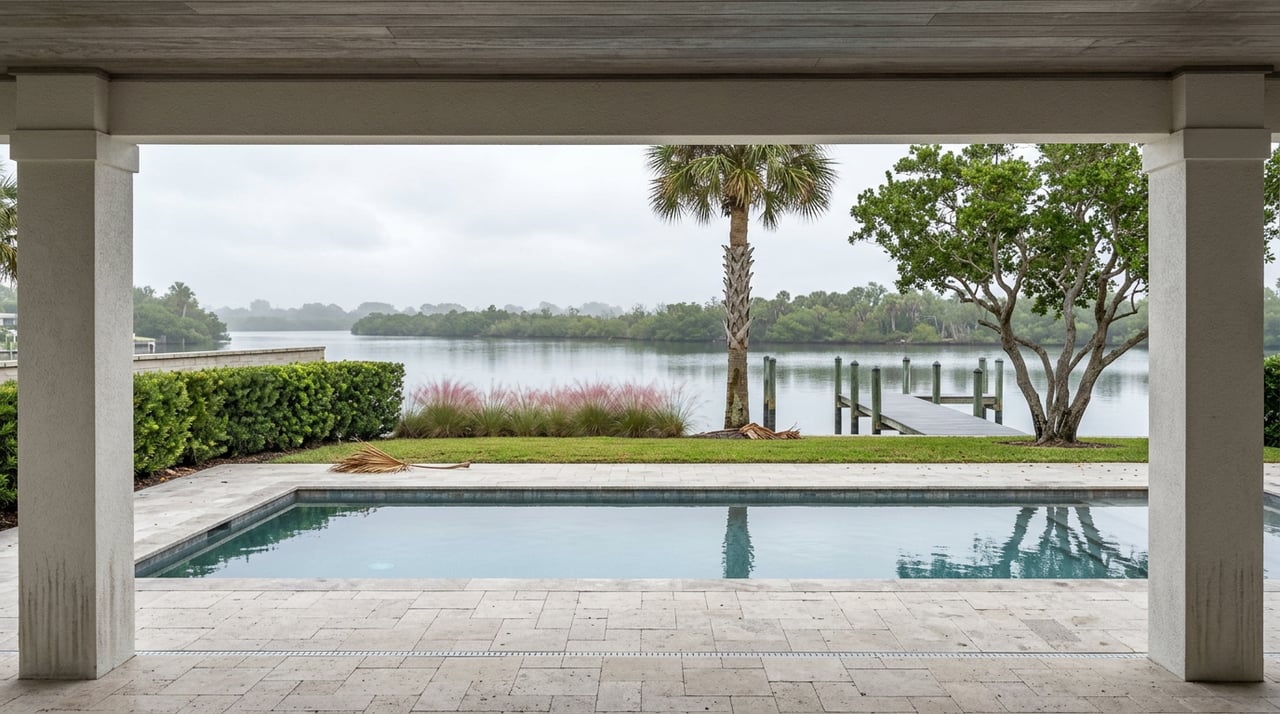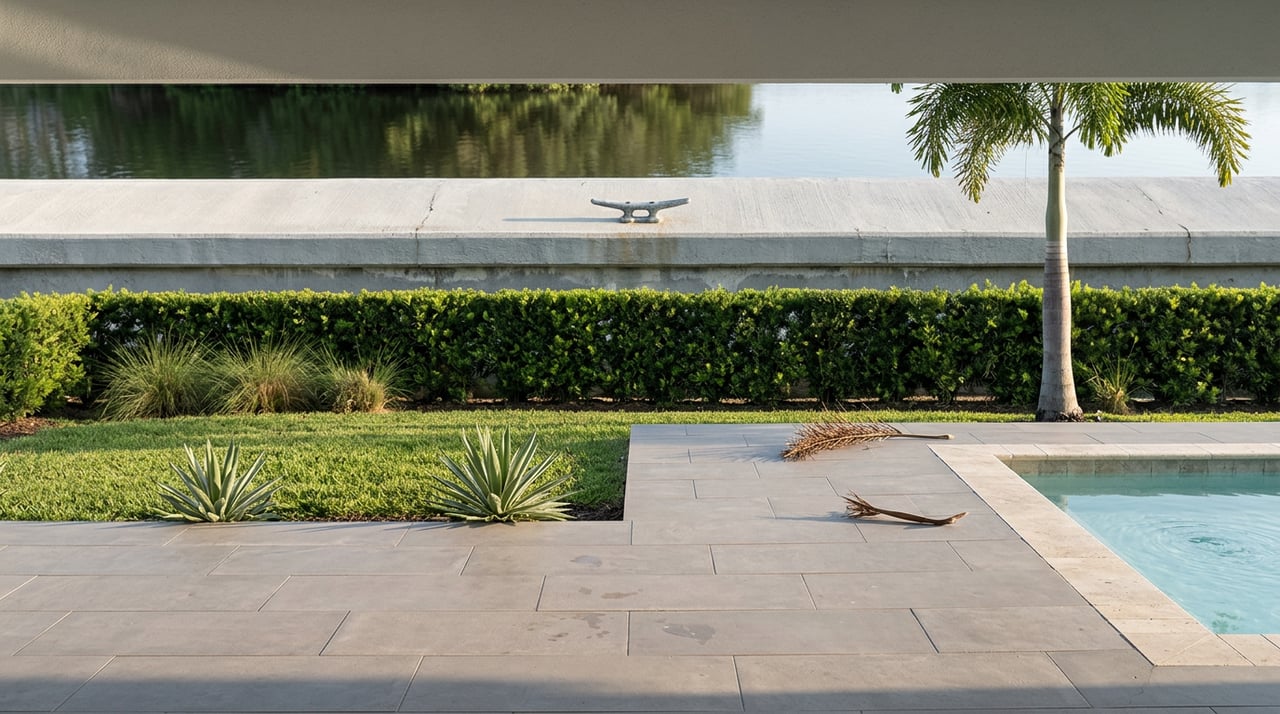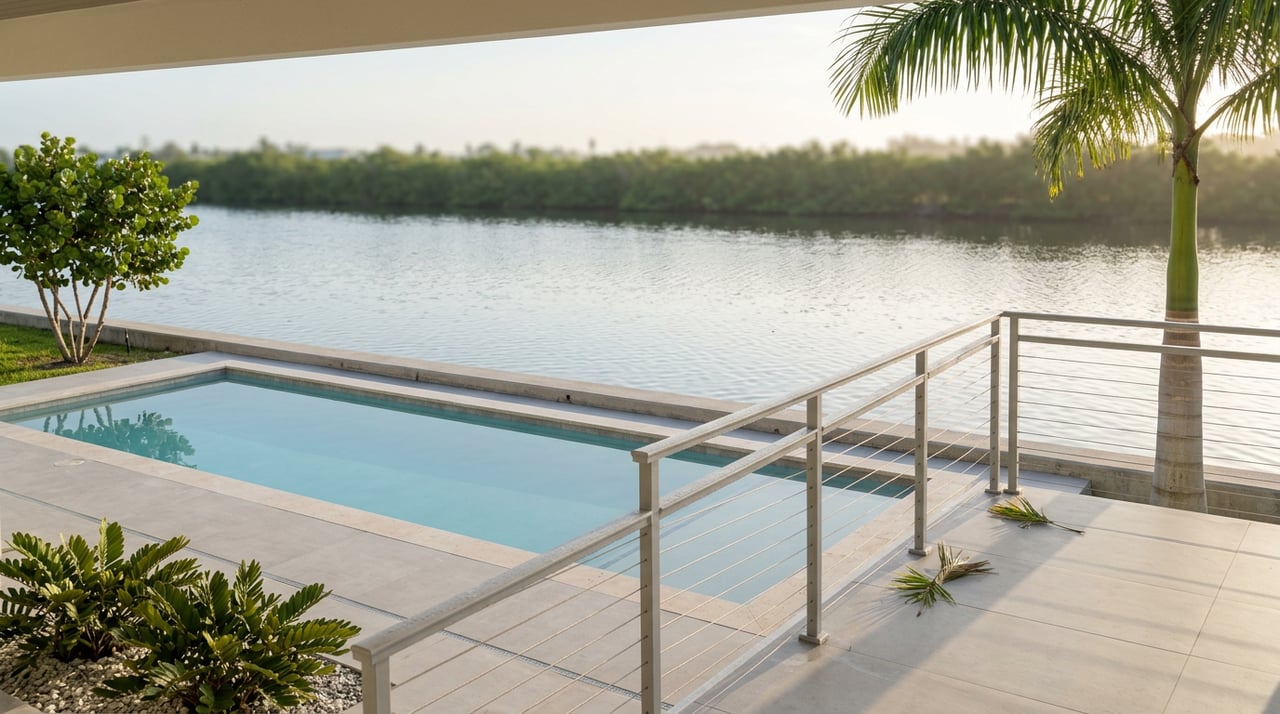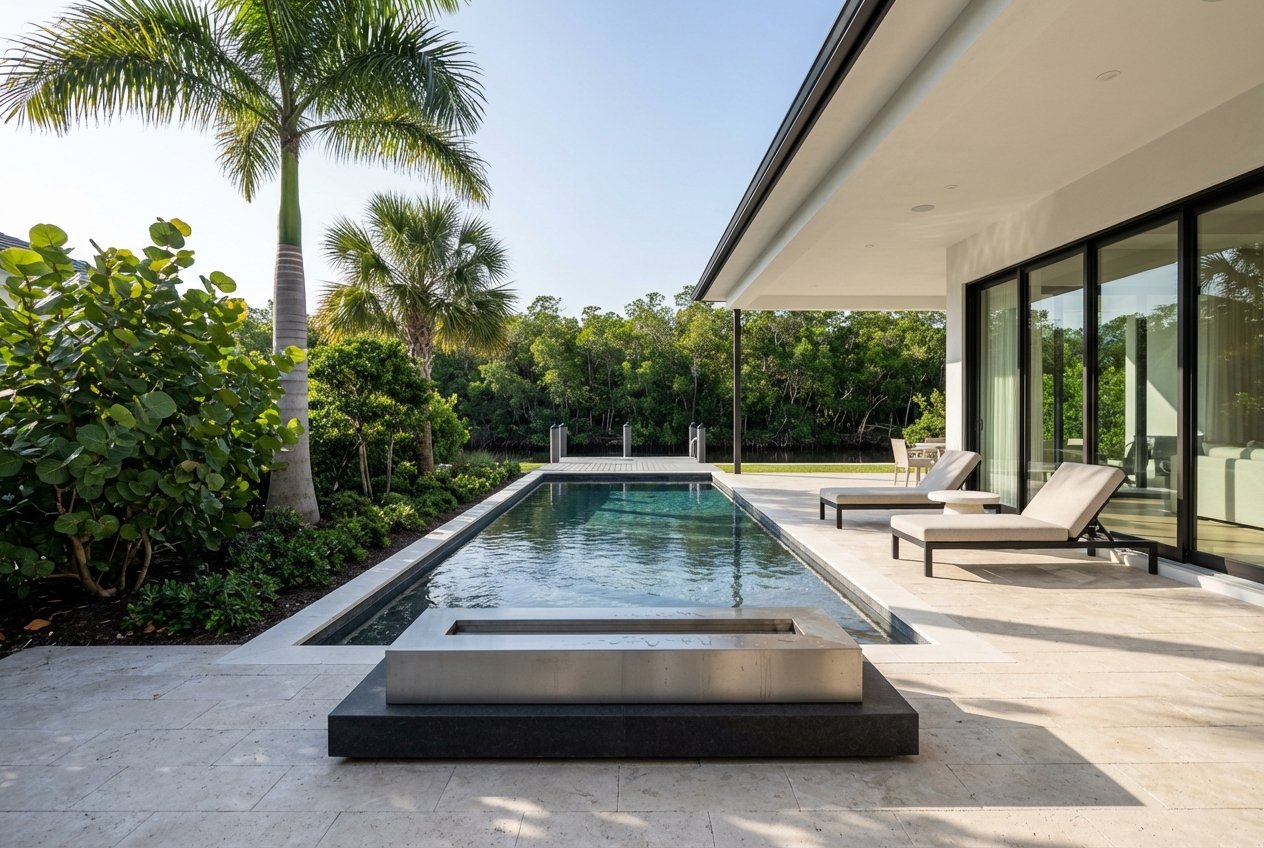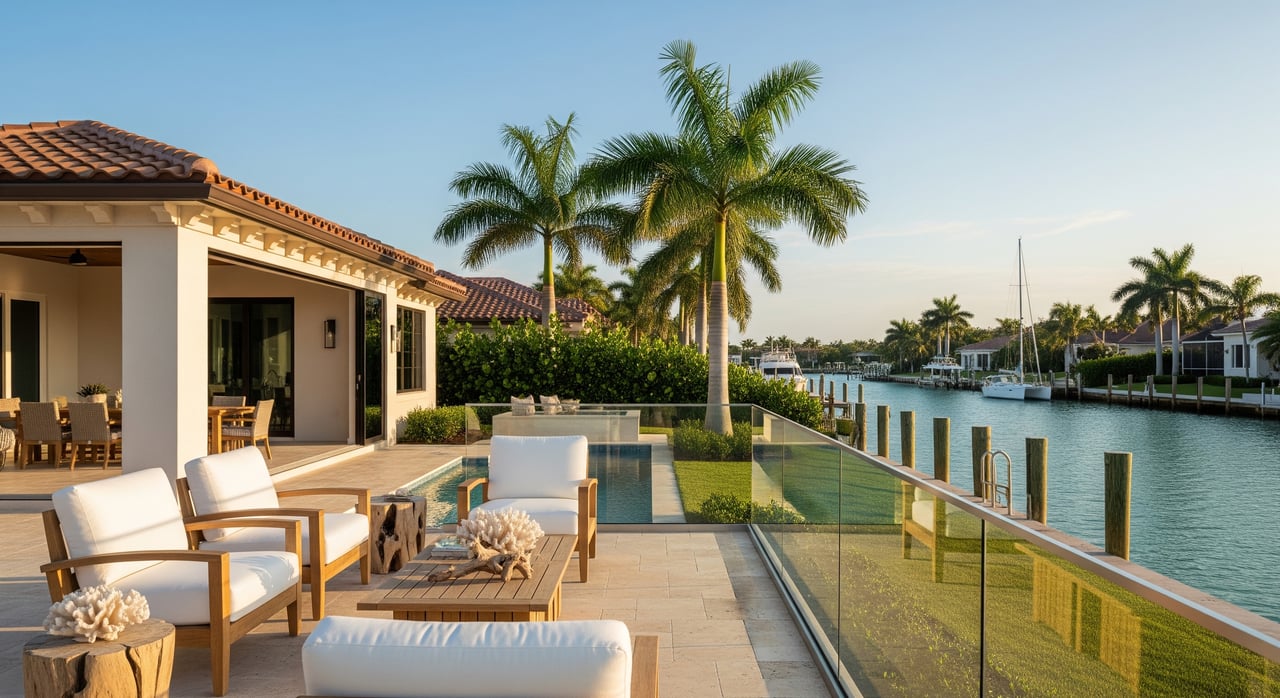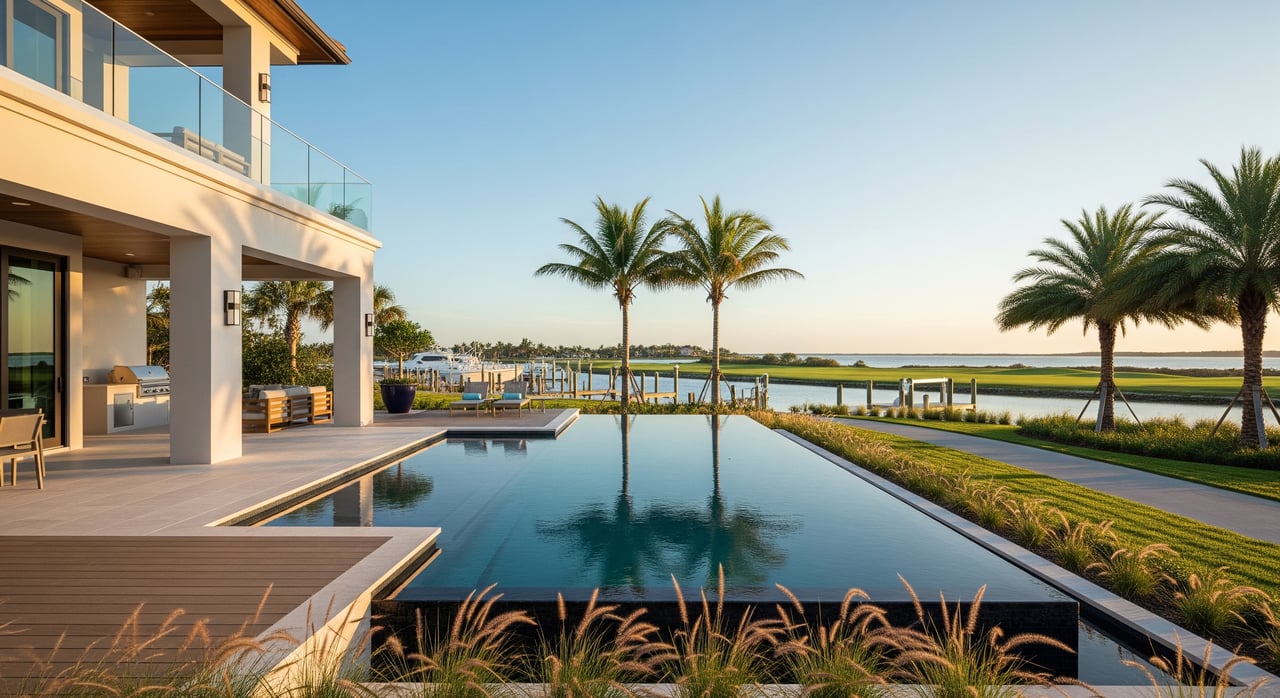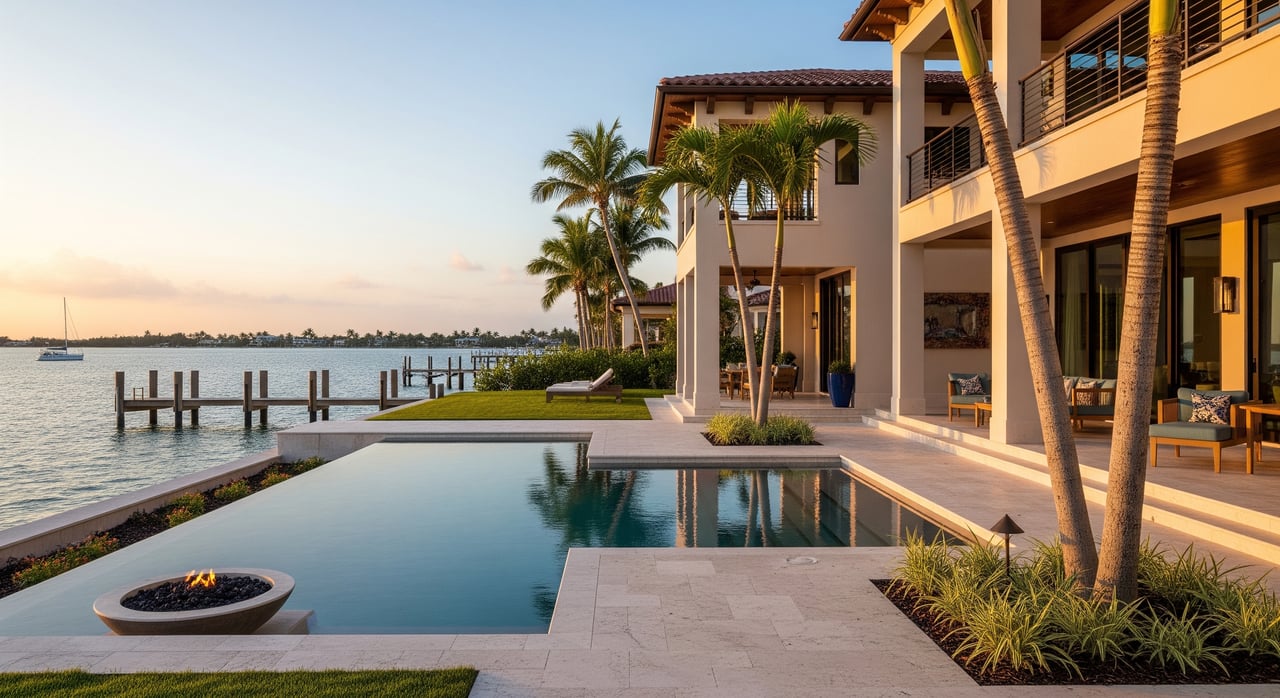
Shopping Cape Coral waterfront and trying to match a canal to your boat? You are not alone. In this market, canal type, bridge clearance, and water depth shape your day-to-day boating and long-term resale value. This guide breaks down the canal types, how to check your route to open water, and what to verify before you buy. Let’s dive in.
Cape Coral canals 101
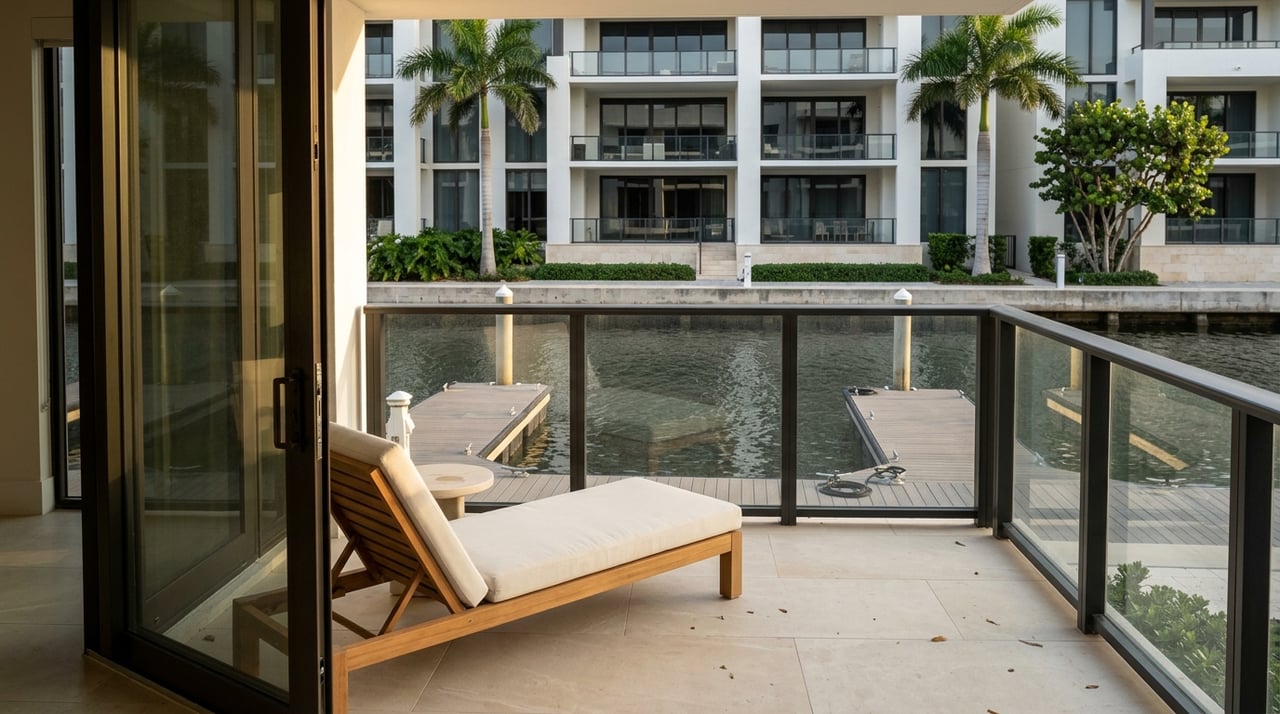
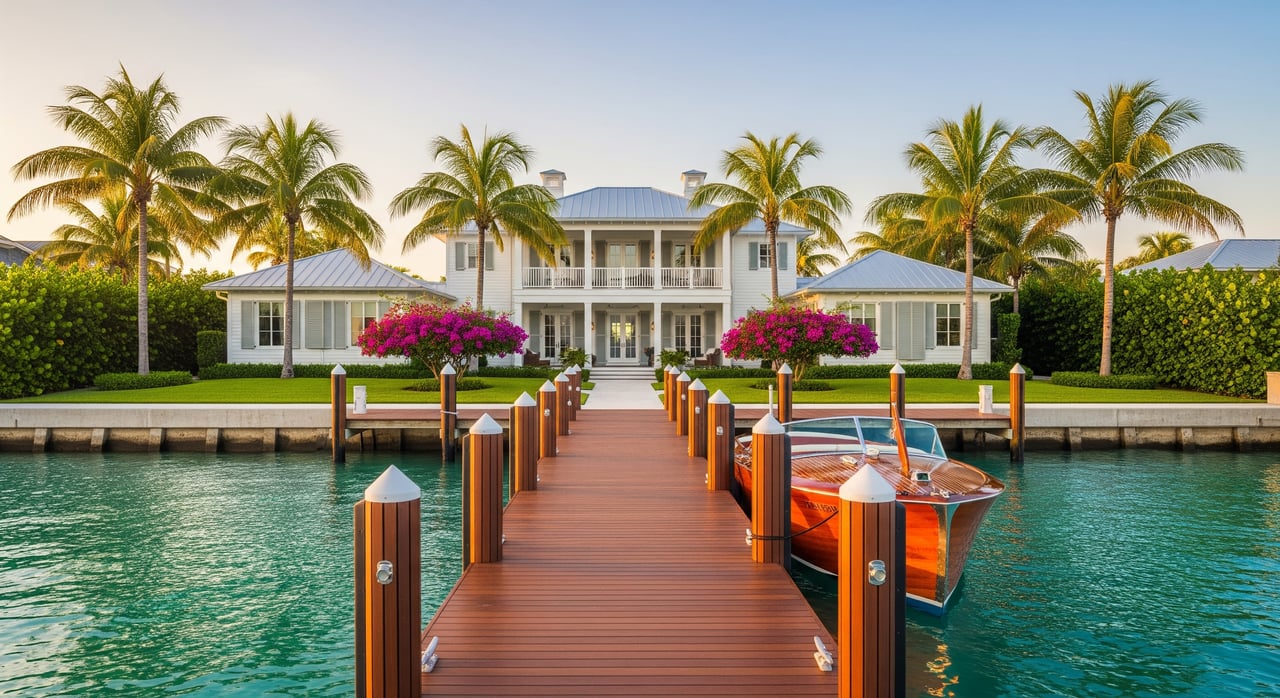
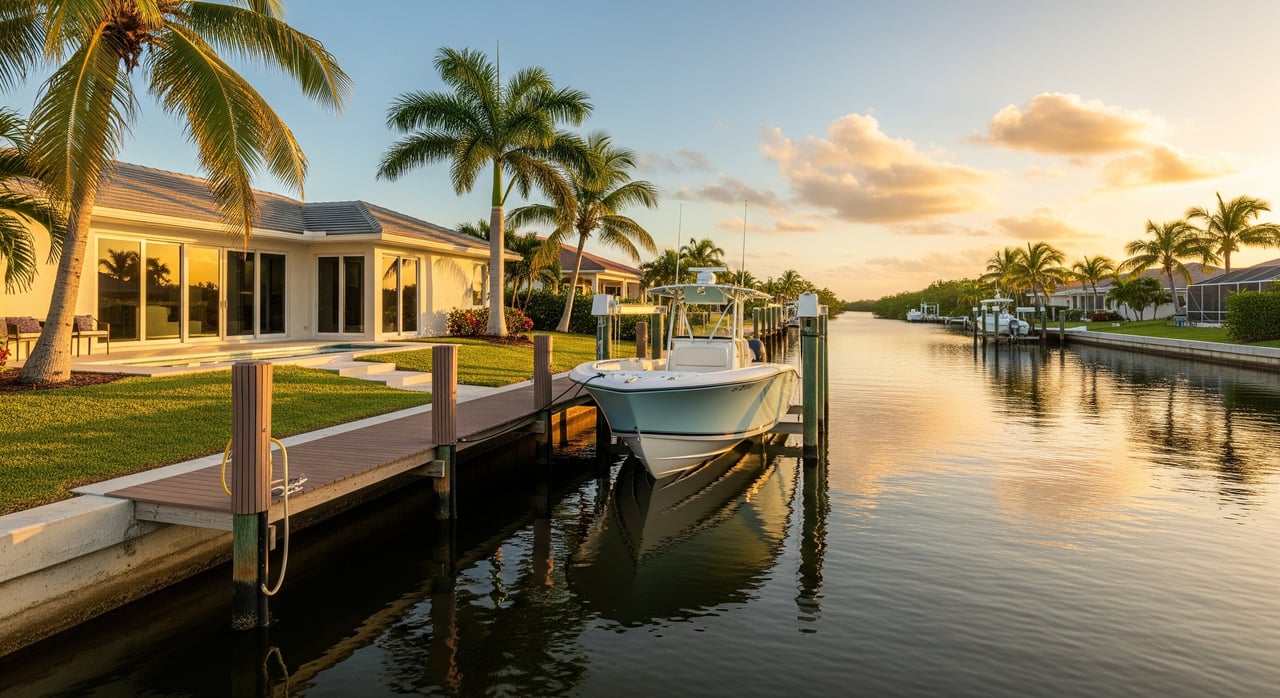
Cape Coral was engineered with a vast network of man-made canals that connect to the Caloosahatchee River, Matlacha Pass, and Pine Island Sound, which lead to the Gulf of Mexico. Many canals are tidal and saltwater influenced, and conditions vary by depth, width, and maintenance. Fixed bridges on the route to open water are a critical factor for boat size and mast height. Your experience on the water will depend on the exact canal and the route from your dock to deeper water.
Canal types and boating fit
Gulf-access canals
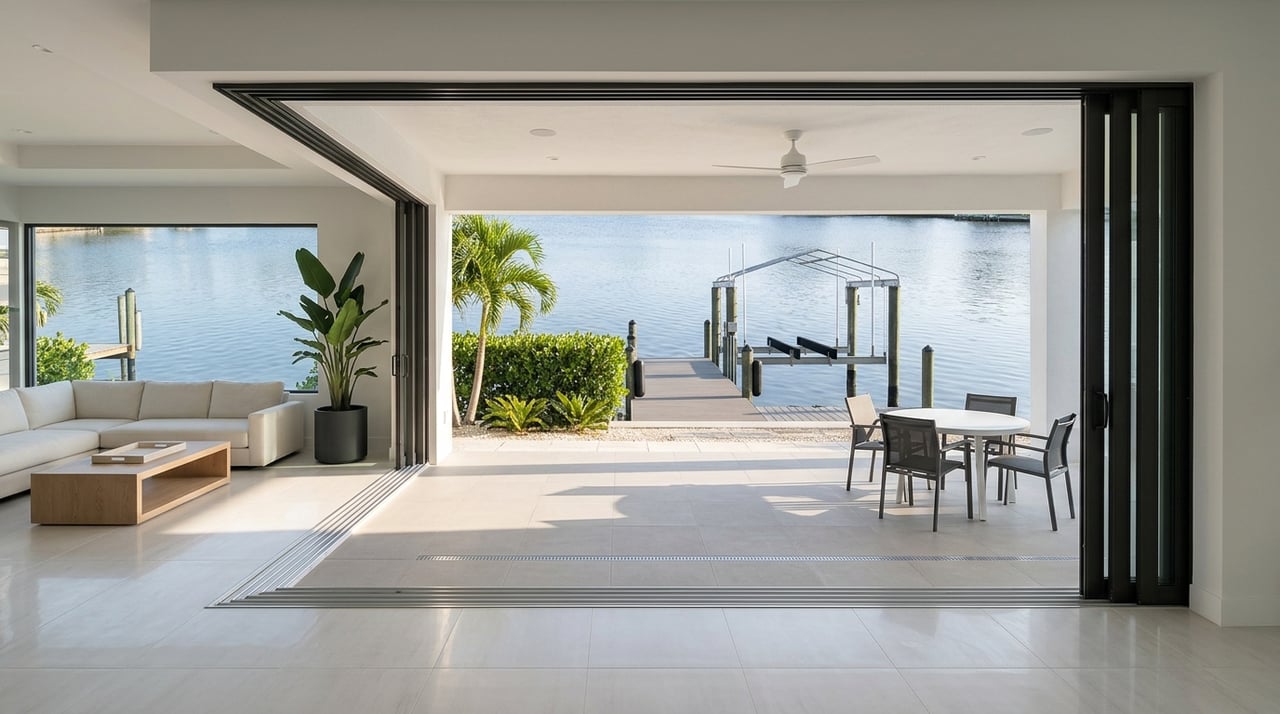
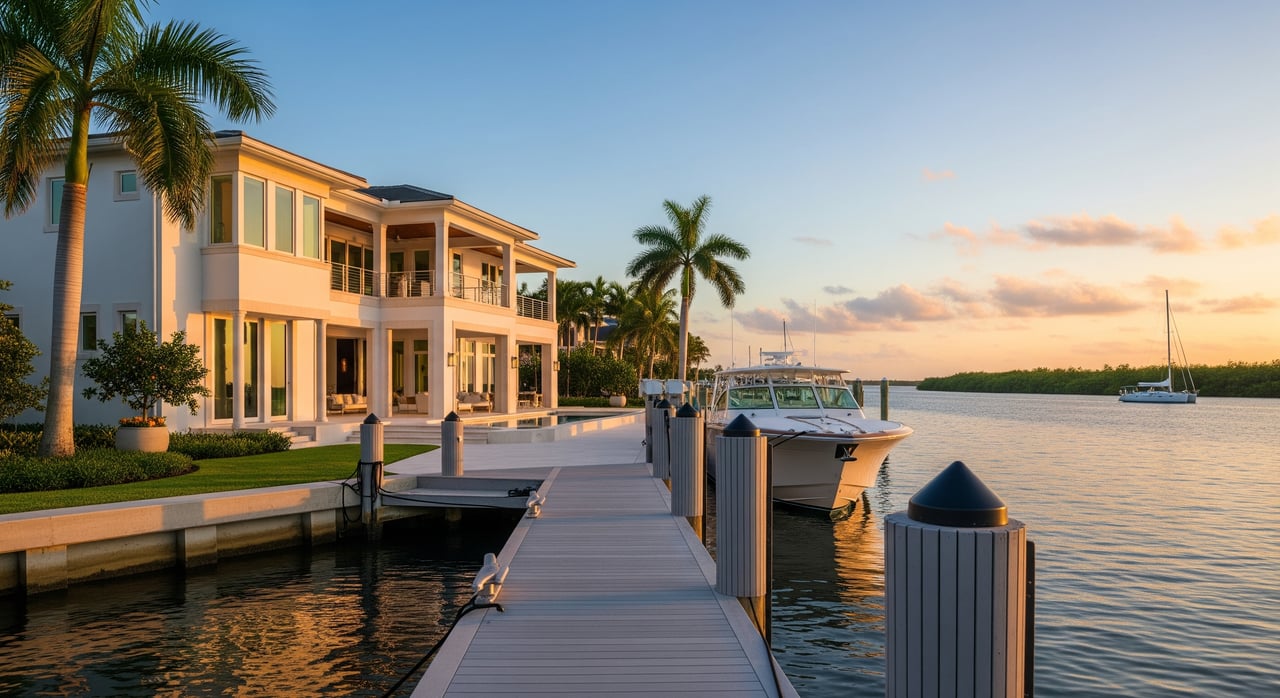
These canals offer a navigable route from your dock to the river or sounds and then the Gulf without low fixed bridges that block most boats. They tend to have deeper channels and faster travel times to open water. Many owners choose these for powerboats and cruising vessels.
- What it means for your boat: Broad compatibility for powerboats and some sailboats, depending on clearances along the route.
- What to check: Depth at low tide, any shoaling at canal mouths, proximity to main channels, and posted speed or no-wake zones.
Sailboat-accessible canals
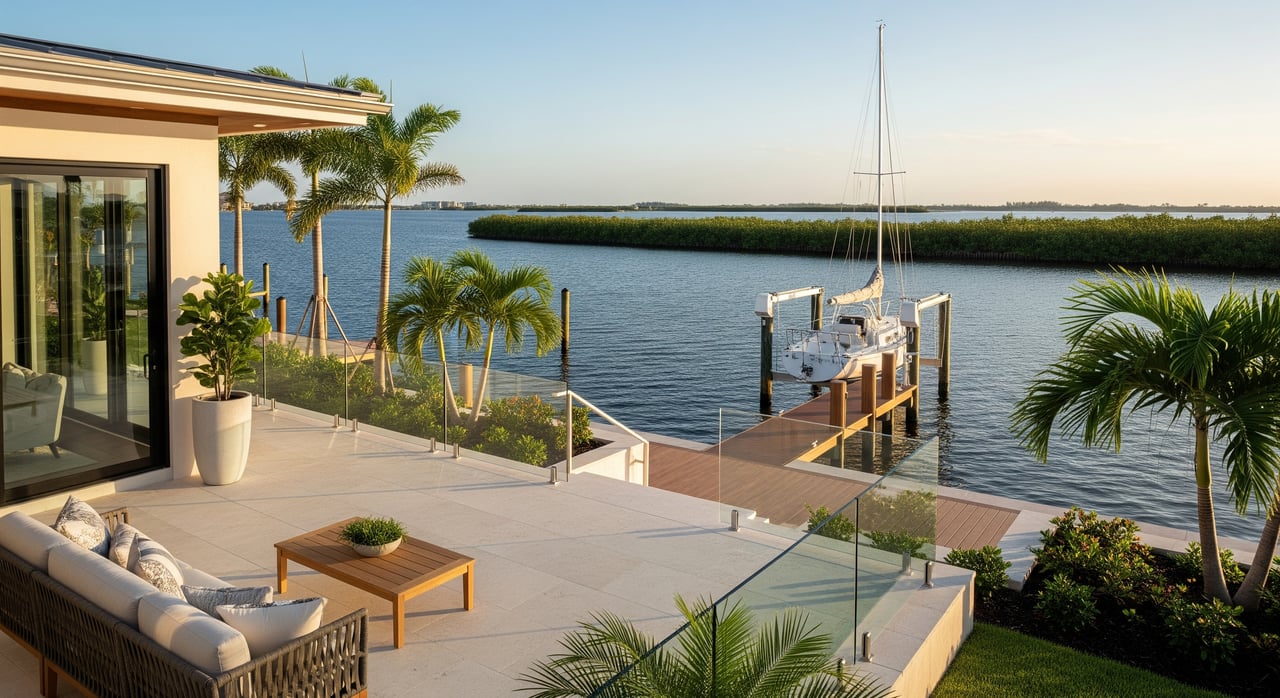
These routes do not require lowering a mast and either have no fixed bridges or have spans with sufficient vertical clearance. For sailors, this is a high-value feature because you can depart under your own power with the mast up. Resale often benefits from the wider buyer pool among sailors.
- What it means for your boat: Mast-friendly routes if your boat’s air draft fits beneath the documented bridge clearances.
- What to check: Confirm the vertical clearance of each bridge on your route and compare to your boat’s air draft, including antennas and gear.
Restricted or bridged canals
These canals include one or more low fixed bridges that limit taller vessels and most sailboats. Smaller center consoles, bay boats, and skiffs may still pass comfortably. Marketability can be narrower if buyers need mast clearance.
- What it means for your boat: Height limits apply, and under-bridge width can affect beam and maneuvering.
- What to check: The highest fixed point on your boat, the posted bridge clearance at a known water datum, and any alternate launch or nearby marina options.
Interior freshwater and dead-end canals
Some canals were designed for stormwater and do not provide practical access to saltwater. Depths can be shallow and banks more natural. These settings appeal to buyers who value quiet water views and light recreational use.
- What it means for your boat: Best for kayaks and small craft, not suitable for larger boats.
- What to check: Any local rules for docks or lifts, allowed uses, and maintenance expectations.
Transitional or mixed canals
A single waterway can be tidal yet shallow at low water, or connected to Gulf routes but prone to periodic shoaling. Every property is different. Always evaluate the specific parcel and the exact path to open water.
- What it means for your boat: Conditions change with tides and maintenance cycles.
- What to check: Recent soundings, dredging history, and how conditions vary across seasons or after storms.
Bridge clearance basics
Bridge clearance, also called vertical clearance, is the distance from the water surface to the underside of a bridge, measured at a specific water level. Your boat’s air draft is the height from the waterline to the highest fixed point. You must compare the two using the same water reference.
What the numbers mean
Clearance thresholds help set expectations for vessel types:
- Under 10 to 12 feet: Small skiffs and car-top craft only.
- About 12 to 20 feet: Smaller powerboats and some low-profile boats.
- About 20 to 35 feet: Many cabin cruisers and motor yachts.
- Over 35 to 45 plus feet: Increasingly suitable for many coastal cruising sailboats, depending on mast height.
Mast heights vary widely. Always verify your exact air draft.
How to verify your route
- Identify every fixed bridge from the property to the Caloosahatchee River, Matlacha Pass, or Pine Island Sound.
- Use official data for bridge clearances and note the water datum used, such as mean high water. Tides change usable clearance.
- Check local tide tables to estimate clearance at different tide stages along your route.
- Measure your boat’s air draft, including antennas and radar, and compare with a safety margin.
- When unsure, consult local marinas or a captain and observe bridge conditions at both high and low tides.
Tides, depths and maintenance
Cape Coral canals are often tidal with saltwater influence, which can raise or reduce under-bridge clearance and affect shallow spots at low water. Shoaling near canal mouths can decrease depth and change over time. Depth and clearance can shift after storms and as dredging cycles progress.
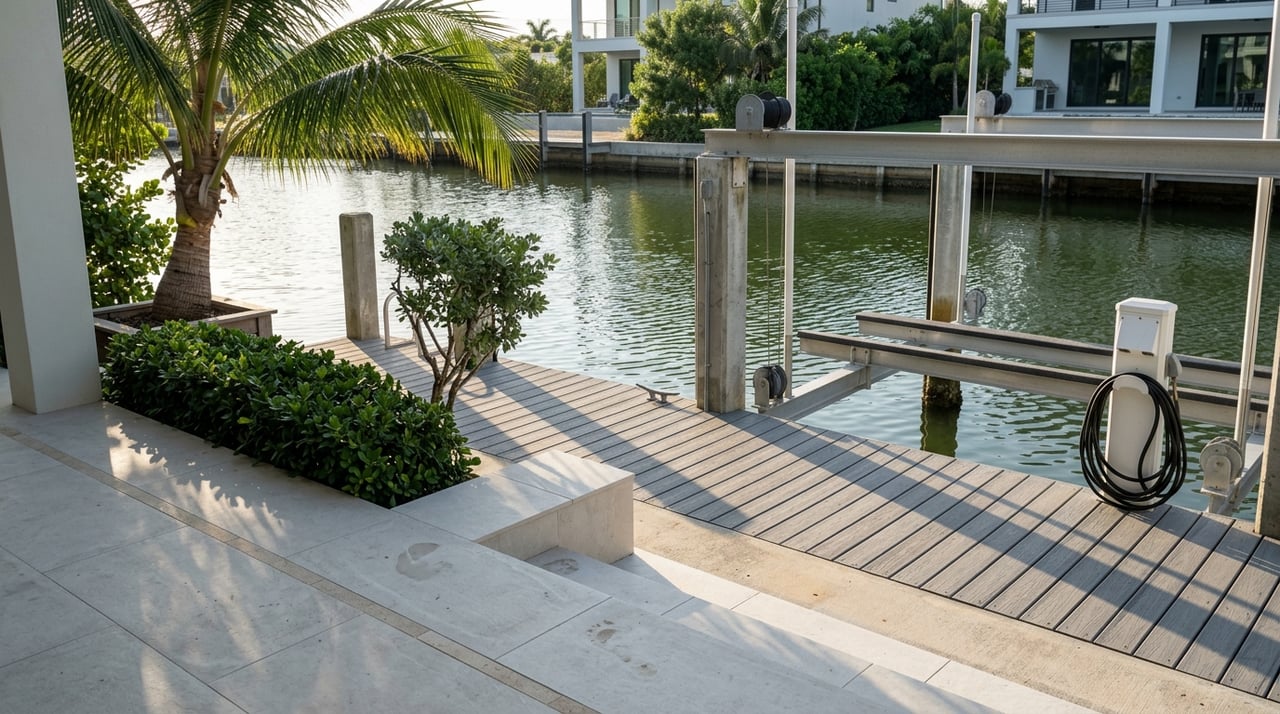
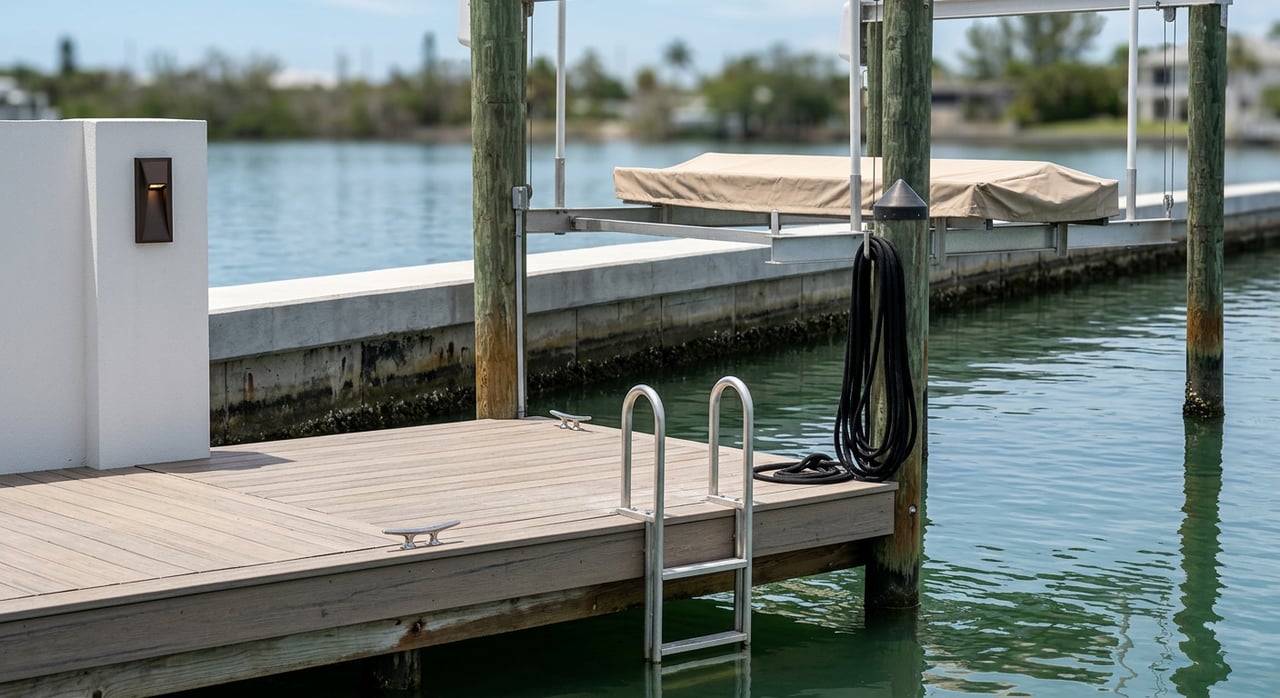
Seawalls, docks and lifts
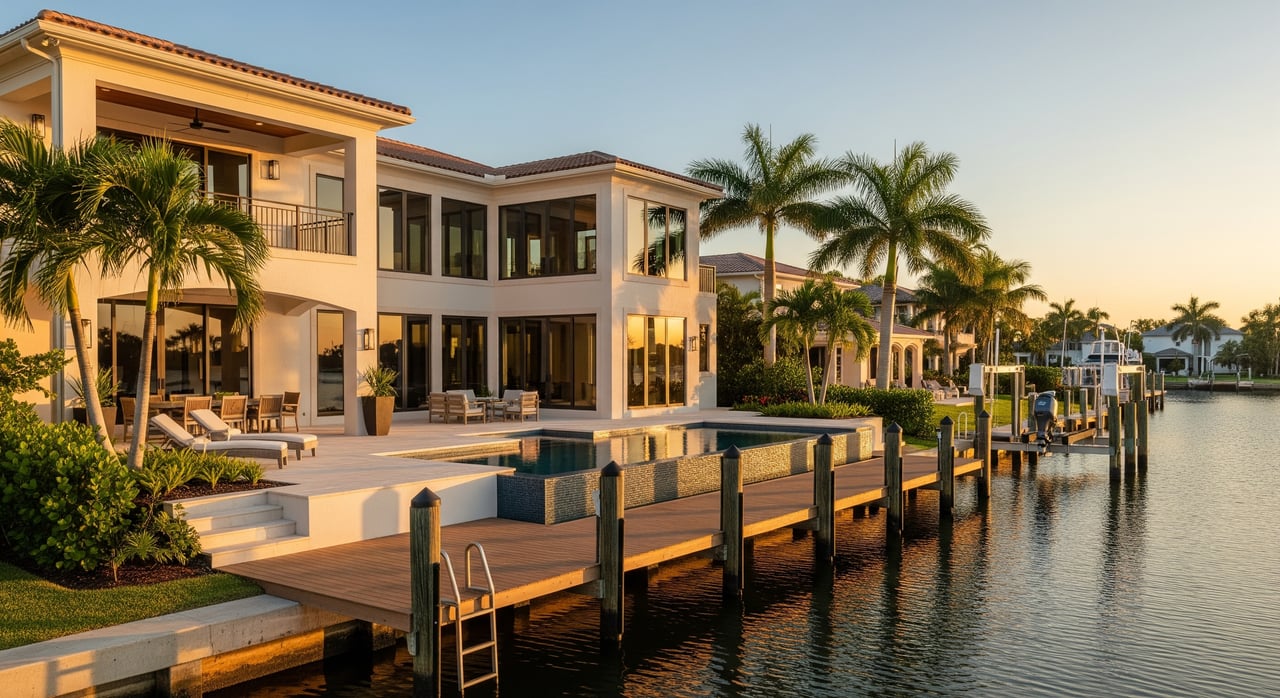
The age and condition of seawalls, docks, and lifts impact costs and insurance. Permits and recorded repairs help you understand remaining service life.
- Request copies of dock, lift, and seawall permits and any engineering records.
- Ask about lift capacity, power supply, and maintenance history.
- Factor replacement timelines for older seawalls and decking.
Dredging and shoaling
Dredging programs often focus on main channels, not every side canal. Private owners may need to coordinate permitted dredging if depths become limiting.
- Ask for recent depth soundings along your exact route.
- Review any scheduled city or county maintenance for nearby channels.
- Budget time and cost if private dredging could be required.
Flood risk and storms
Waterfront properties can fall within special flood hazard areas. Elevation, construction, and location influence insurance availability and pricing. Plan for storm-season boat storage and haulout.
- Obtain a current elevation certificate and flood zone details.
- Get updated homeowner and flood insurance quotes during due diligence.
- Identify nearby marinas, haulout capacity, and hurricane plans.
Resale value and lifestyle
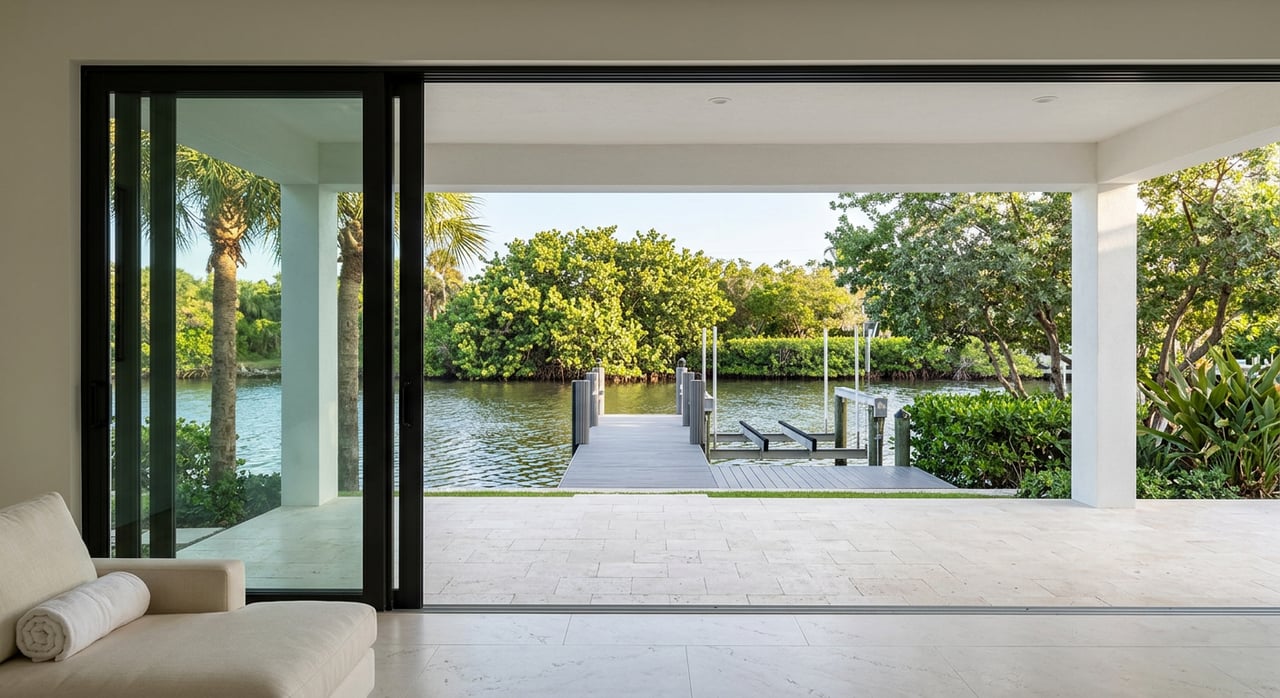
Canal type directly affects demand among boating buyers. Gulf-access and sailboat-accessible properties typically command a premium due to broader vessel compatibility and quicker routes to open water. Homes behind low fixed bridges or on shallow or interior canals can appeal to small-boat owners or non-boating buyers and may trade at lower prices compared with similar homes that offer unrestricted access.
- If you want offshore runs or frequent cruising, prioritize direct Gulf access and adequate bridge clearance.
- If you prefer quiet water views and casual kayaking, interior or freshwater canals may fit your lifestyle at a different price point.
- For short stays or second homes, consider how easy it is to depart and return on a tight schedule.
Quick buyer checklist
- Map the exact route from the property to open water and list all fixed bridges.
- Confirm bridge clearances and the water datum used, then compare to your boat’s measured air draft.
- Verify water depths at local low tide at the property and along the route, plus recent dredging history.
- Review permits and condition for the seawall, dock, and lift, with repair records.
- Check flood zone, elevation certificate, and current insurance quotes.
- Note local no-wake rules, docking restrictions, and any HOA or deed limits.
- Identify nearby marina services, fuel, haulout, and hurricane preparation options.
Ready to find the right canal?
Choosing the right canal in Cape Coral is part data and part lifestyle. When you match boat, route, and property, you protect your time on the water and your resale value. If you want a seasoned local team that understands waterfront nuance and negotiation, connect with Carla Nix and The Nix Team for guidance that fits your goals.
FAQs
What are the main canal types in Cape Coral?
- Gulf-access, sailboat-accessible, restricted or bridged, interior freshwater or dead-end, and mixed or transitional canals.
How do I know if my sailboat can reach the Gulf?
- Map your route, list all fixed bridges, verify official vertical clearances, and compare them to your boat’s air draft, factoring in tides.
Why do bridge clearances use different water levels?
- Clearances are reported at specific datums like mean high water, so tides raise or lower usable space under a bridge at any given time.
Are canal depths stable year to year?
- No, shoaling changes depths over time, especially near canal mouths, so recent soundings and dredging history matter.
Do docks and lifts transfer when I buy?
- Often yes, but you should verify permits and compliance; unpermitted structures may require remediation.
Who maintains Cape Coral canals?
- Major channels may be handled by public programs while many side canals are private; check current city or county plans for your area.