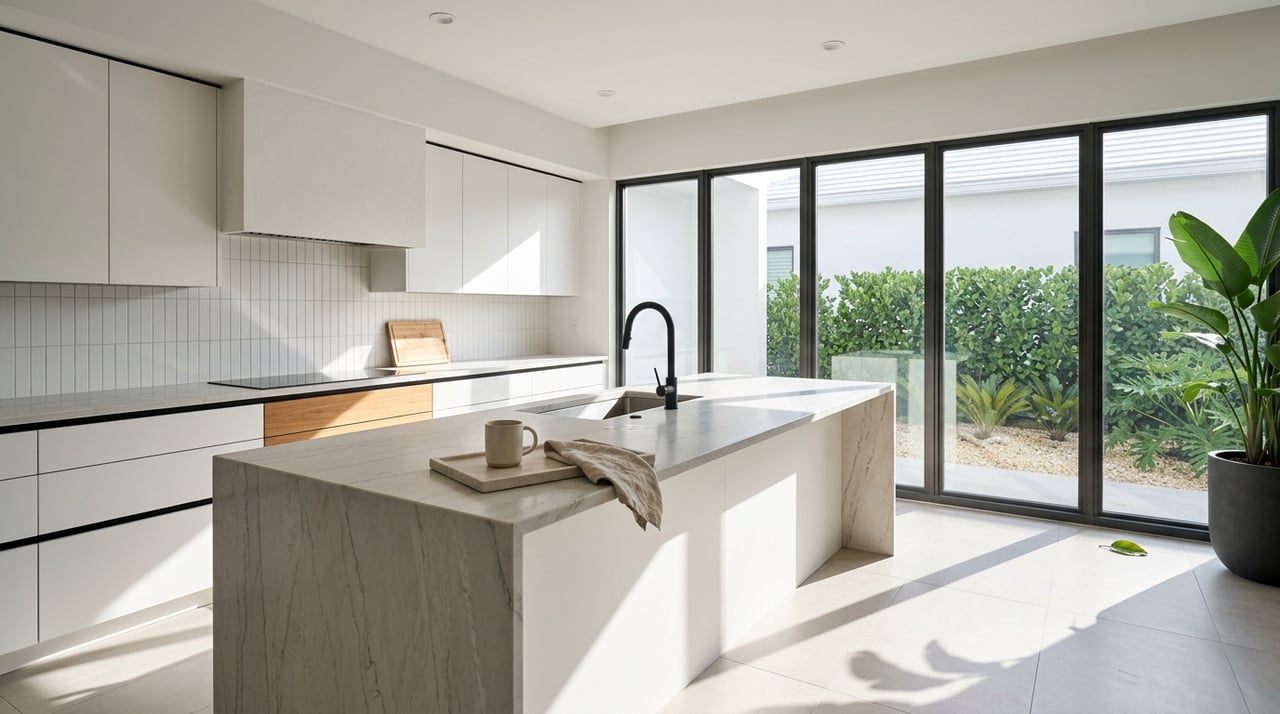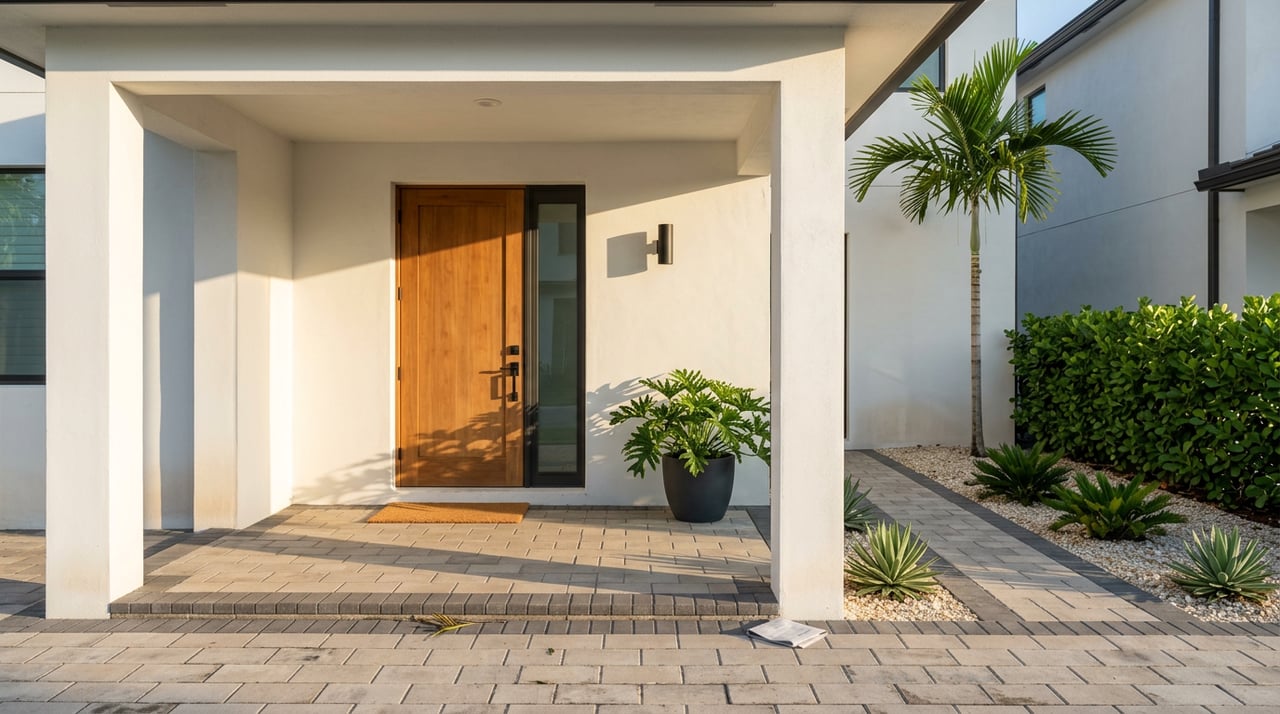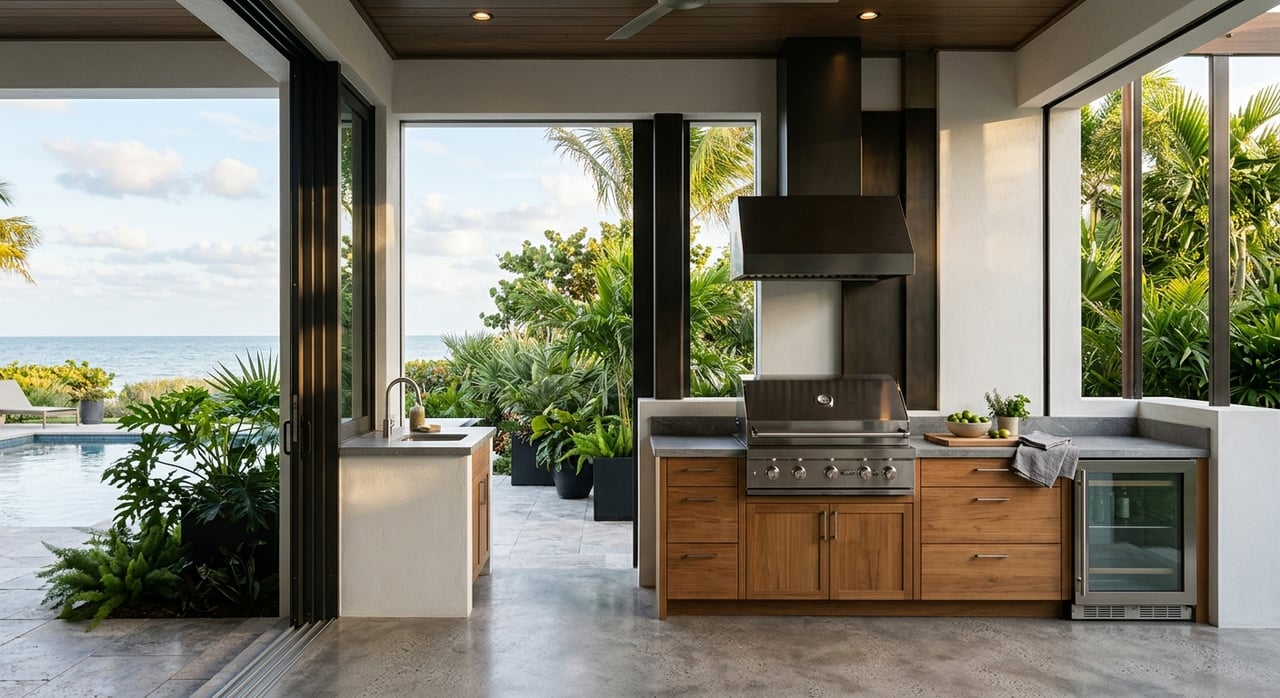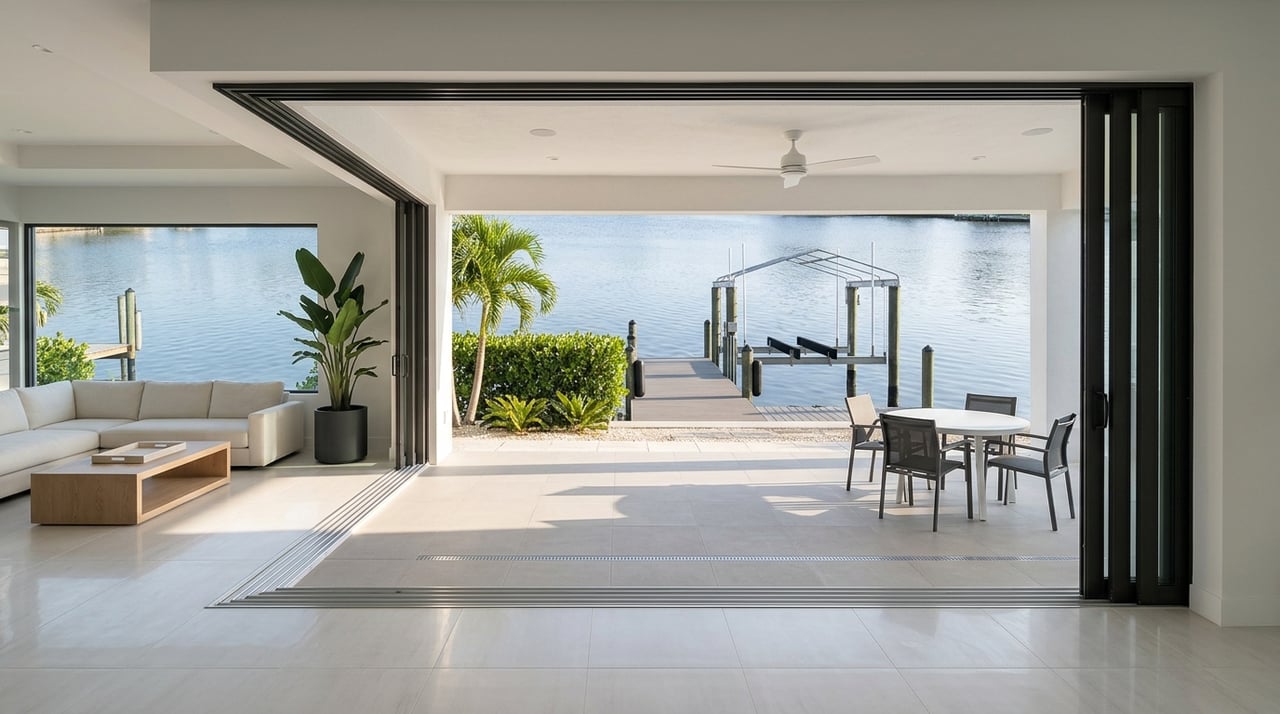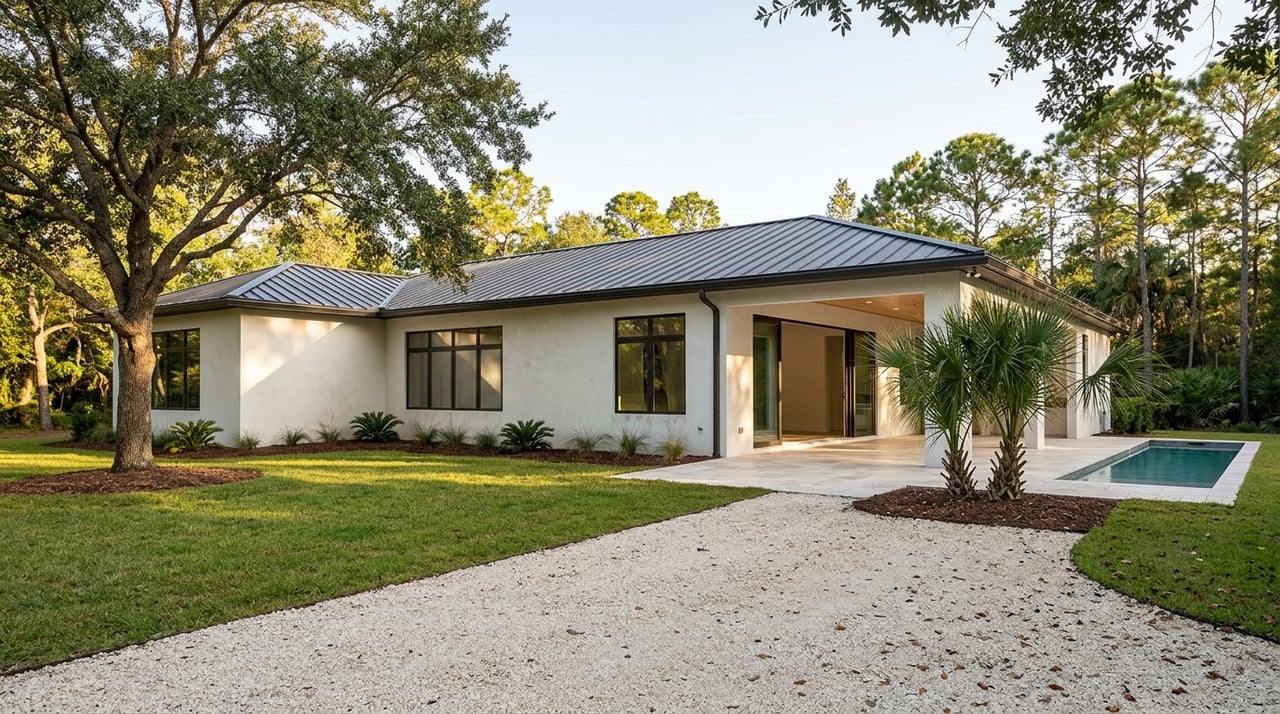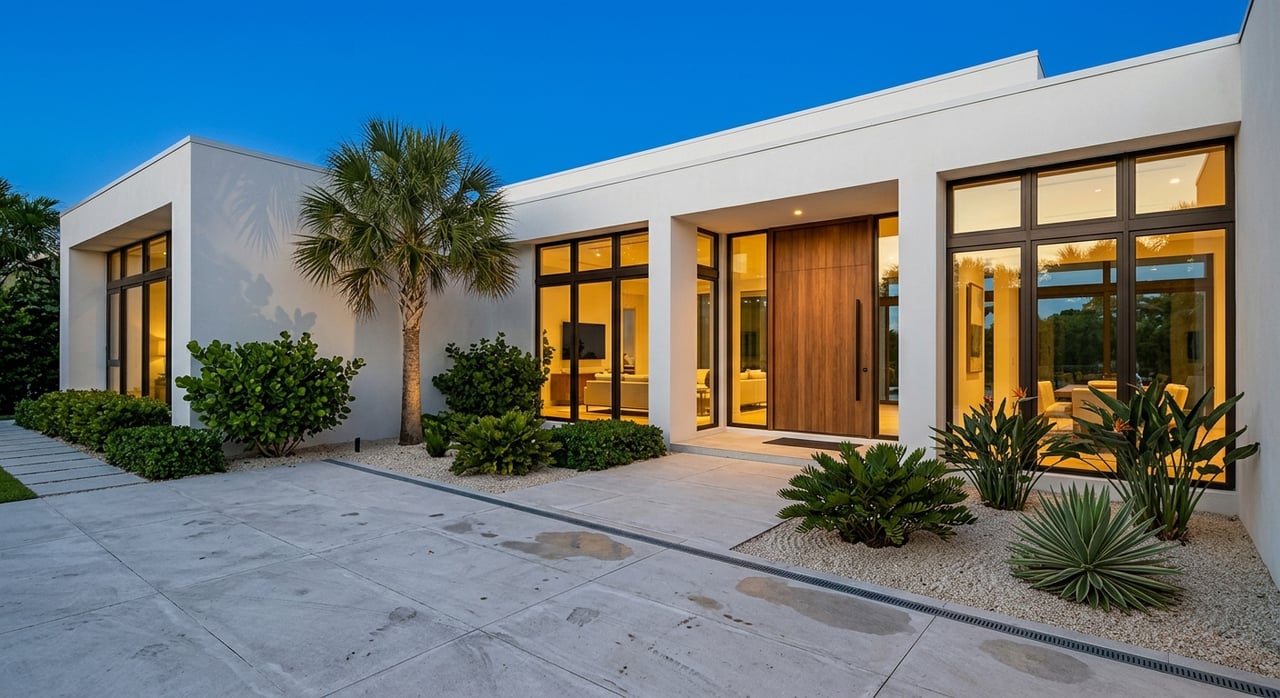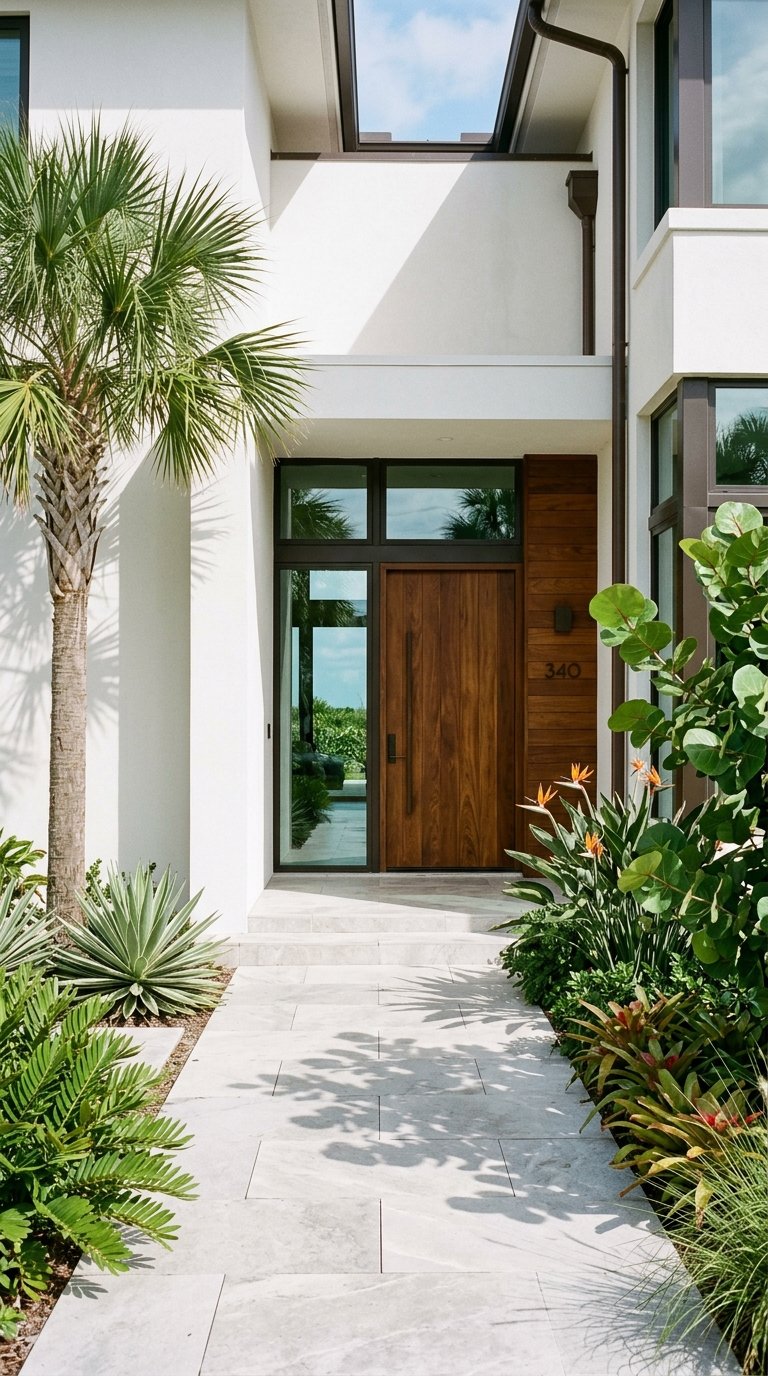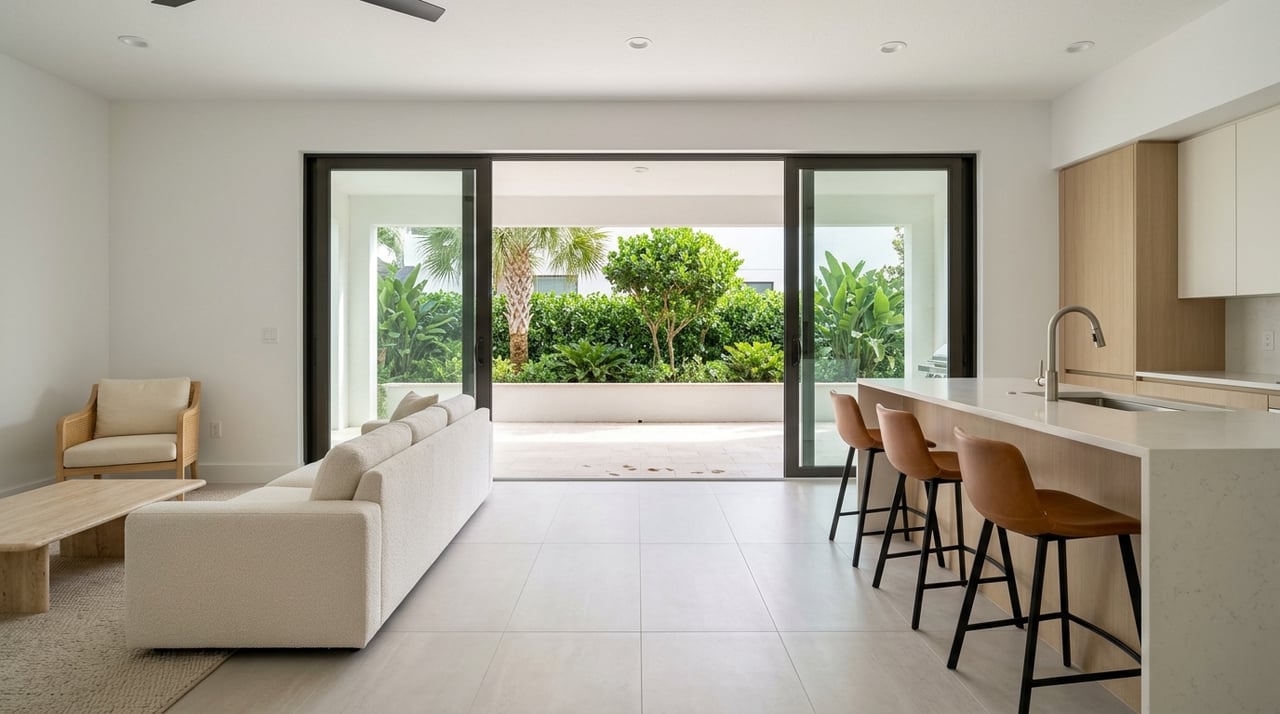
Trying to decide between a brand‑new build and a resale home in North Port? You are not alone. With more choices across Sarasota County, it can feel hard to compare prices, timelines, and the true ongoing costs. In this guide, you will get a clear, local look at how new construction and resale stack up so you can choose the path that fits your budget, timeline, and lifestyle. Let’s dive in.
North Port market at a glance
Local MLS data shows solid values across the region. The Florida Realtors report for January 2026 shows a median sale price of $485,000 for single‑family homes in the North Port–Sarasota–Bradenton area and $310,000 for townhomes and condos. You can view the MLS‑based details in the Florida Realtors monthly reports for single‑family homes and for townhomes and condos. Consumer portals often show different numbers because they use different data and methods, so be clear on the source you are using.
Supply is robust. A HUD analysis for our area notes strong recent building and a large pipeline, with an estimated 21,450 new‑home sales needed during the forecast period and about 6,200 units under construction at the time of the report. That supports why you see many options, from master‑planned communities to quick‑move‑in inventory. Review the Sarasota HMA brief from HUD for context on pipeline and demand in the region (HUD CHMA).
New construction: what to expect
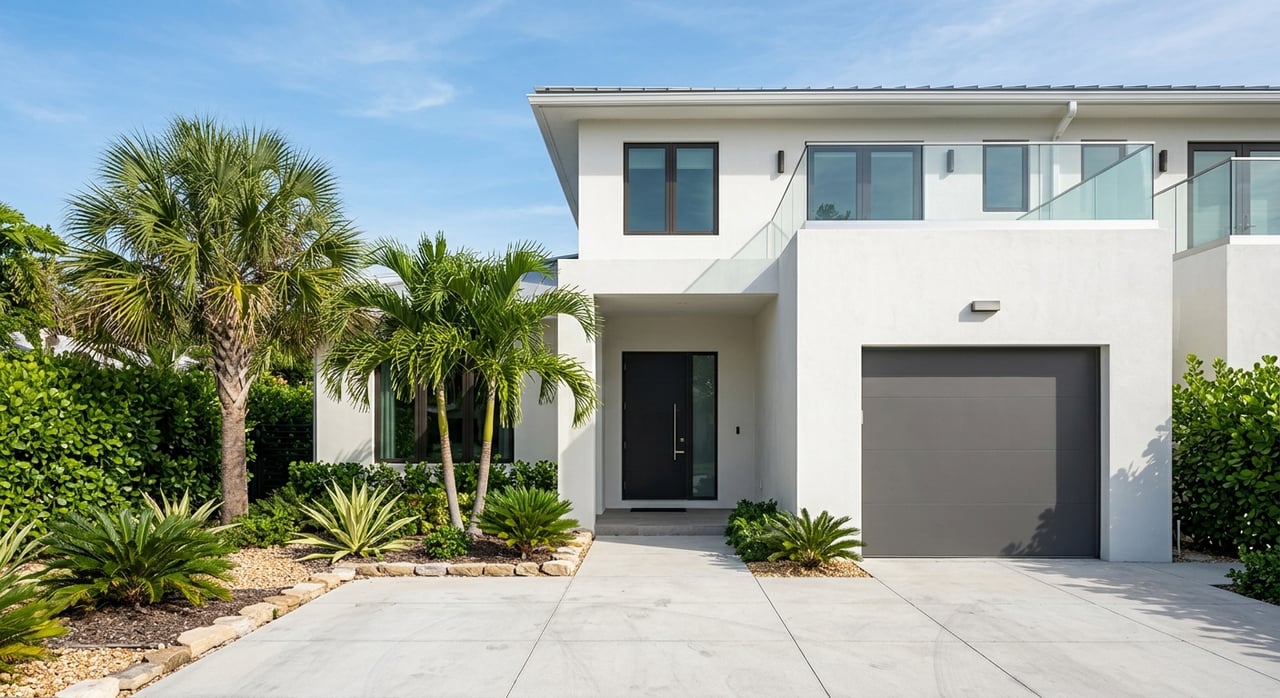
Types of new homes you will see
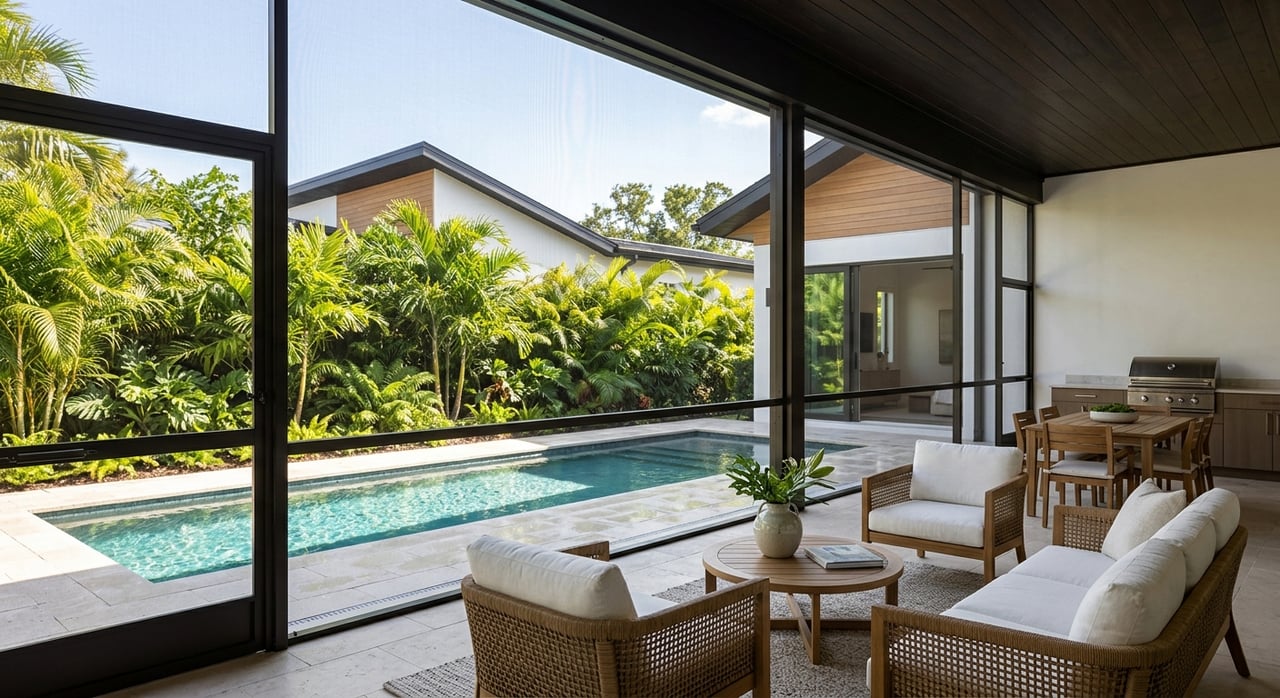
- Master‑planned and amenity communities with clubhouses, pools, and gated entries.
- Production builder neighborhoods with spec and quick‑move‑in homes.
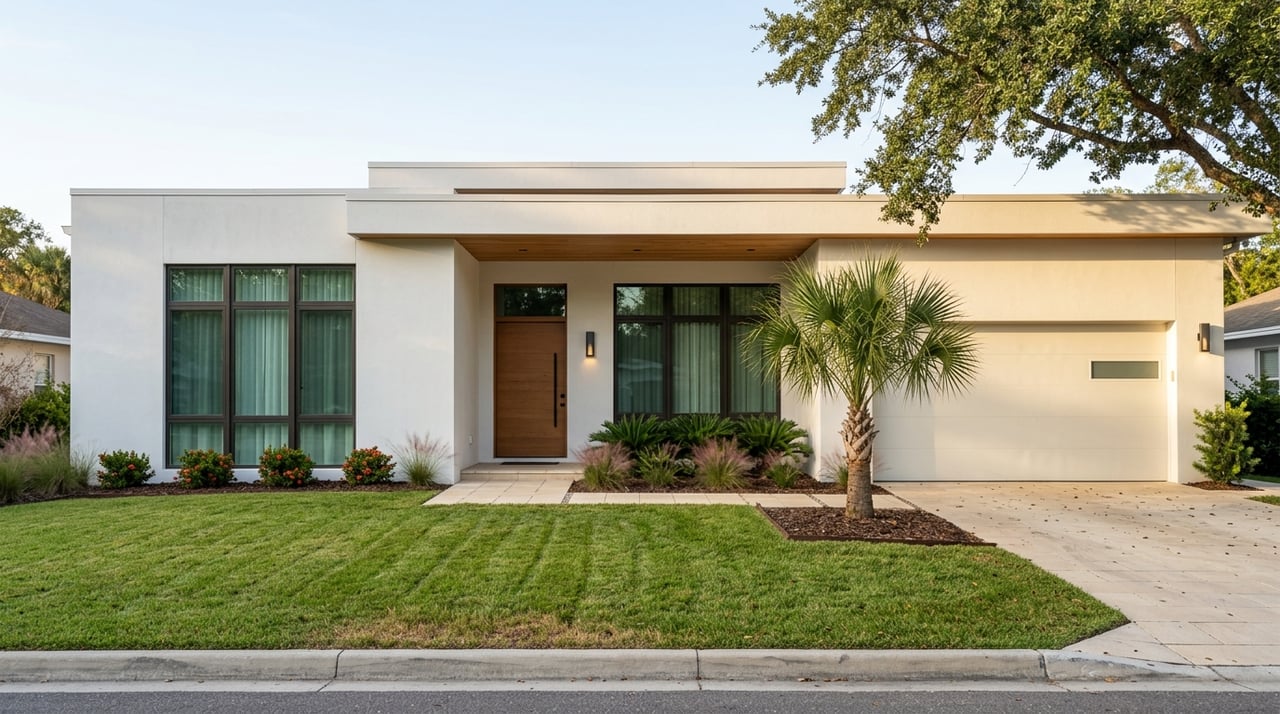
- To‑be‑built and custom homes on individual lots with more personalization.
HUD’s housing market analysis documents all of these product types in the local pipeline, which is why your choices feel wide in North Port (HUD CHMA).
Timelines from contract to keys
- Quick‑move‑in or completed spec homes can close on a faster timeline once construction is finished and title is clear.
- To‑be‑built and custom homes usually take months, not weeks. Your exact timeline depends on permitting, selections, and the builder’s backlog.
- Always ask for a written completion schedule, what counts as a weather or permitting delay, and how the contract handles missed dates.
Warranties and peace of mind
Most builders use a layered new‑home warranty often called a 1‑2‑10: typically one year for workmanship items, two years for major systems, and ten years for qualifying structural coverage. Confirm whether structural coverage is third‑party insured and whether the warranty transfers to a future owner. Learn what a builder‑backed structural warranty usually covers from 2‑10’s overview.
Customization and upgrade costs
Design centers make it easy to personalize your home, but upgrades add up. Ask for a written list of standard features, the price tiers for upgrades, and how change orders affect your final cost and timeline. Focus on high‑impact items where buyers often spend more than the base price, such as flooring, appliances, counters, lighting, and lot premiums.
HOA, CDD, and special districts
Recurring fees vary by community and amenities:
- HOA fees can range from modest quarterly dues to several hundred dollars per month in resort‑style neighborhoods. What is included matters, such as lawn care, irrigation, cable, security, and clubhouse maintenance.
- Many newer neighborhoods are in Community Development Districts. CDD charges appear on your property tax bill as non‑ad valorem assessments. Sarasota County explains how these assessments are listed on tax notices (Non‑Ad Valorem overview). As a concrete example, the Bobcat Trail CDD shows per‑lot totals commonly in the low‑thousands per year, roughly about 1,700 to 3,700 dollars depending on lot type and debt lines. You can see the adopted schedule on the district’s site (Bobcat Trail CDD assessment schedule).
- Some very large master‑planned areas, like Wellen Park, use improvement districts with long‑horizon financing. Review the district FAQ to understand governance, debt, and how assessments work over time (West Villages Improvement District FAQ).
Tip: Before you sign, ask for the most recent HOA budget and CDD assessment schedule, then verify the exact non‑ad valorem charges on the parcel’s current tax bill.
Lot size and siting
Newer subdivisions often have smaller lots to add more homes and amenities, while some established neighborhoods or fringe parcels offer larger yards or even acreage. If outdoor space is a priority, compare setbacks, minimum lot sizes, and community design standards. The city’s Unified Land Development Code sets the legal minimums, so confirm the specifics for any lot you are considering.
Insurance and code benefits
New homes must meet current Florida Building Code standards. Documented wind‑mitigation features, impact windows, and newer roofs can qualify you for insurance credits or mandated discounts, but eligibility varies by carrier. Learn how wind‑mitigation credits work and which forms are used to document them from Florida’s resources (Wind Mitigation Resources).
Resale homes: pros and tradeoffs
Why buyers choose resale
- Immediate occupancy and a more predictable 30 to 60‑day closing window when financing is involved.
- Mature landscaping and established neighborhood context near shopping and services.
- Sometimes larger lots and lower recurring fees, including communities with no HOA and no CDD.
What to inspect and budget for
Resale homes vary widely by age and maintenance history. Plan for potential updates to roofs, HVAC, plumbing, and electrical. If you want the insurance savings that newer homes can deliver, consider upgrades like impact windows or roof reinforcements and obtain a wind‑mitigation inspection. HUD notes that older housing stock can carry higher maintenance exposure over time (HUD CHMA).
Closing timeline and process
Most resale purchases in our area close within 30 to 60 days from contract, subject to financing, inspections, title, and appraisal. If you need to align a sale and purchase, resale can offer more flexibility because construction variables are off the table.
Cost comparison: how to evaluate total value
Price today vs. costs over time
- New construction can carry a per‑square‑foot premium but offers a warranty and often lower near‑term maintenance. Resale can be priced lower upfront, but set aside funds for updates and potential insurance‑eligibility improvements.
- In 2026, the MLS‑based median for single‑family homes in the North Port–Sarasota–Bradenton area is $485,000 and $310,000 for townhomes and condos, per Florida Realtors’ monthly reports for January 2026. See the source for single‑family and condos and townhomes.
- Add HOA dues, CDD assessments, property taxes, homeowners insurance, and any planned upgrades to compare true monthly costs.
Taxes and Florida homestead planning
If this will be your Florida primary residence, the homestead exemption and Save‑Our‑Homes assessment cap can reduce your tax burden over time. Florida also allows portability of your Save‑Our‑Homes benefit within the state when you move. Review Sarasota County’s guidance on portability to plan your timeline and filing steps (Save‑Our‑Homes portability). For communities with a CDD, verify non‑ad valorem assessments on the county site so you do not overlook them in your budget (Non‑Ad Valorem overview).
Quick decision checklist
If you are leaning new construction
- Get a written completion timeline and ask how weather or permit delays are handled.
- Request full warranty documents. Confirm whether structural coverage is third‑party insured and transferable. See a primer on 1‑2‑10 warranty structure from 2‑10.
- Ask for a list of standard features, upgrade prices, and change‑order policies in writing.
- Request the latest HOA budget and CDD assessment schedule. Verify the parcel’s current non‑ad valorem charges on the county site (Non‑Ad Valorem overview) and review a real‑world CDD example like Bobcat Trail’s assessment schedule.
- Confirm wind‑mitigation features and ask what documentation you will have for insurance credits (Wind Mitigation Resources).
If you are leaning resale
- Ask for recent invoices or permits for roof, HVAC, electrical, and plumbing work.
- Review HOA and any CDD documents and recent meeting minutes for planned assessments or litigation.
- Order a wind‑mitigation inspection and confirm the condition of windows, roof, and openings for insurance.
- Compare likely near‑term upgrades against any price advantage versus new construction.
The bottom line
Both paths can be great fits in North Port. If you want the latest codes, a warranty, and community amenities, new construction may be worth the premium. If you want a larger lot, established setting, and a faster move‑in, a well‑maintained resale could be the better value. The key is to compare not just the sticker price, but also the timeline, ongoing fees, insurance, and your lifestyle priorities.
If you would like a side‑by‑side cost breakdown on specific North Port communities and listings, reach out. Our team will help you weigh HOA and CDD details, insurance considerations, and resale upgrade needs so you can move forward with confidence. Start the conversation with Carla Nix.
FAQs
What are current median home prices in the North Port area?
- Florida Realtors reports a January 2026 median of $485,000 for single‑family homes and $310,000 for townhomes/condos in the North Port–Sarasota–Bradenton area. See the MLS‑based reports for single‑family and for townhomes/condos.
How do CDD fees work and where do I find them?
- CDDs are financed through non‑ad valorem assessments on your tax bill. Sarasota County explains how these appear on notices (Non‑Ad Valorem overview). For a real example of per‑lot charges, see the Bobcat Trail CDD assessment schedule.
Are there insurance savings with new construction in Florida?
- Often yes. Newer code‑compliant roofs, impact windows, and other mitigation features may qualify for insurer credits. Carriers use a wind‑mitigation inspection form to document features. Learn more at Florida’s Wind Mitigation Resources.
What is the West Villages Improvement District and why does it matter?
- It is a special improvement district that finances infrastructure for parts of Wellen Park. It can carry long‑term assessments that affect owners, so review the WVID FAQ when evaluating homes in that area.
How do Florida homestead and Save‑Our‑Homes portability help buyers?
- Homestead reduces taxable value for a primary residence and Save‑Our‑Homes limits future assessment increases. You can transfer part of that benefit when you move within Florida. See the county’s page on Save‑Our‑Homes portability.