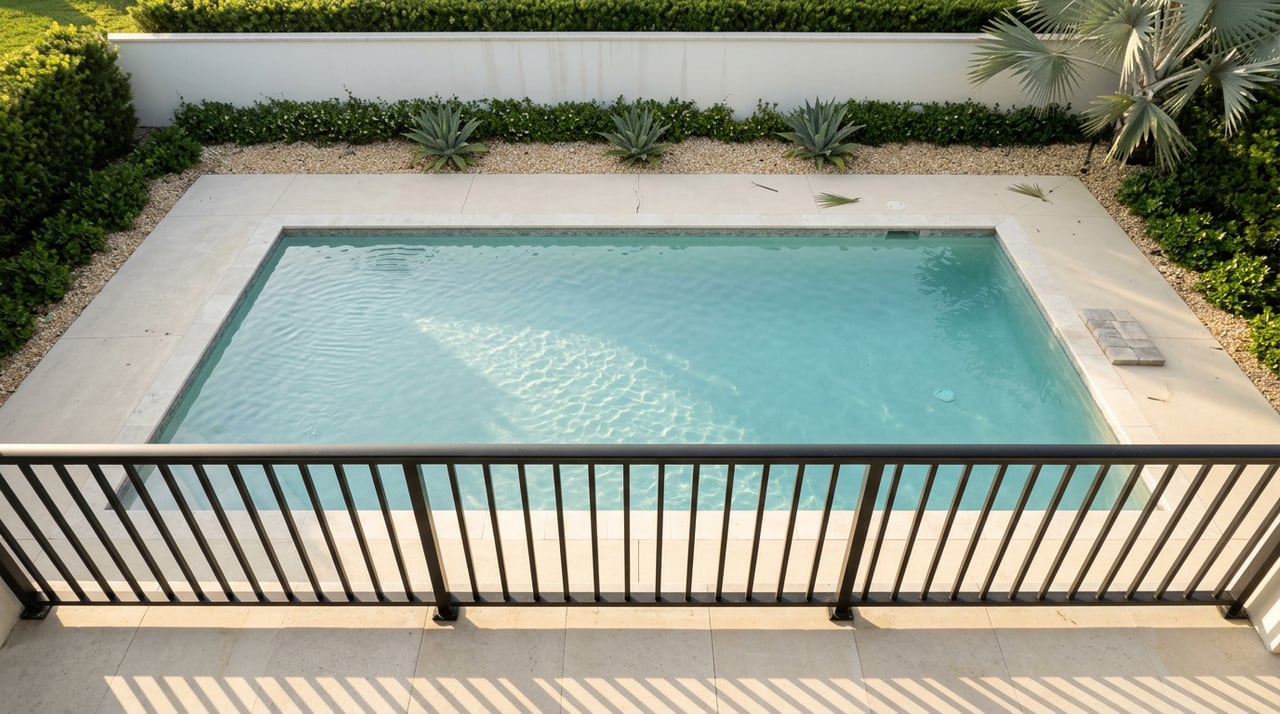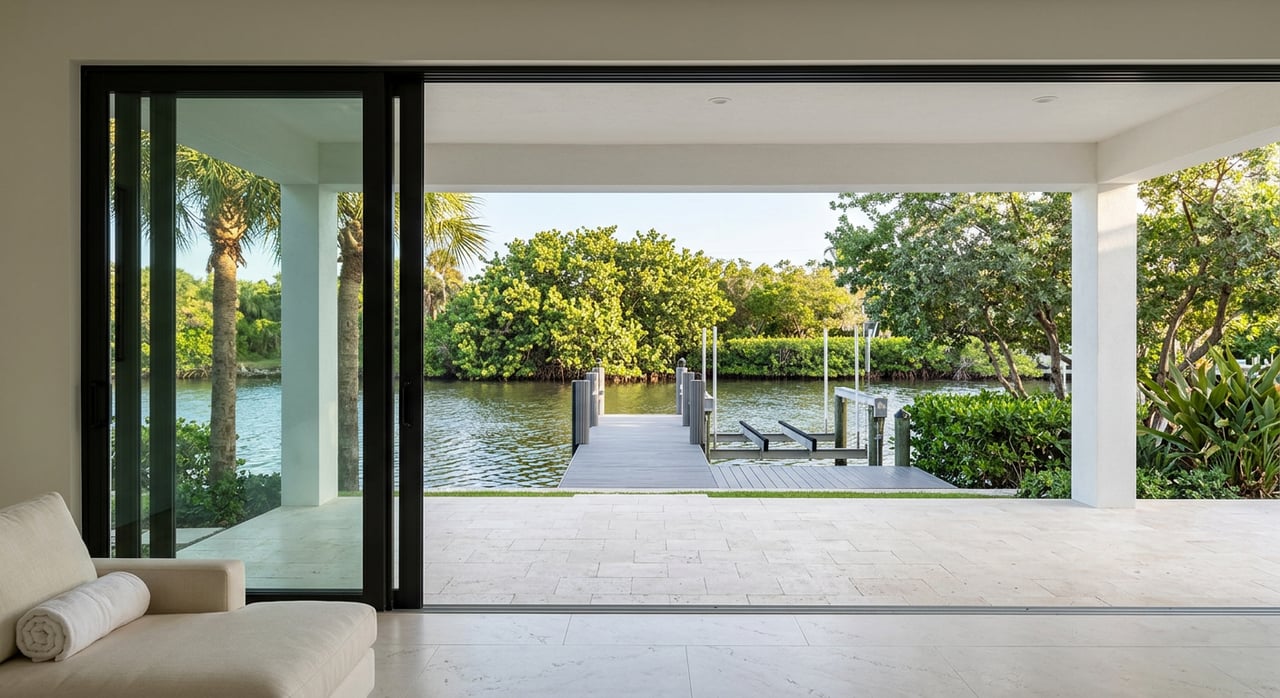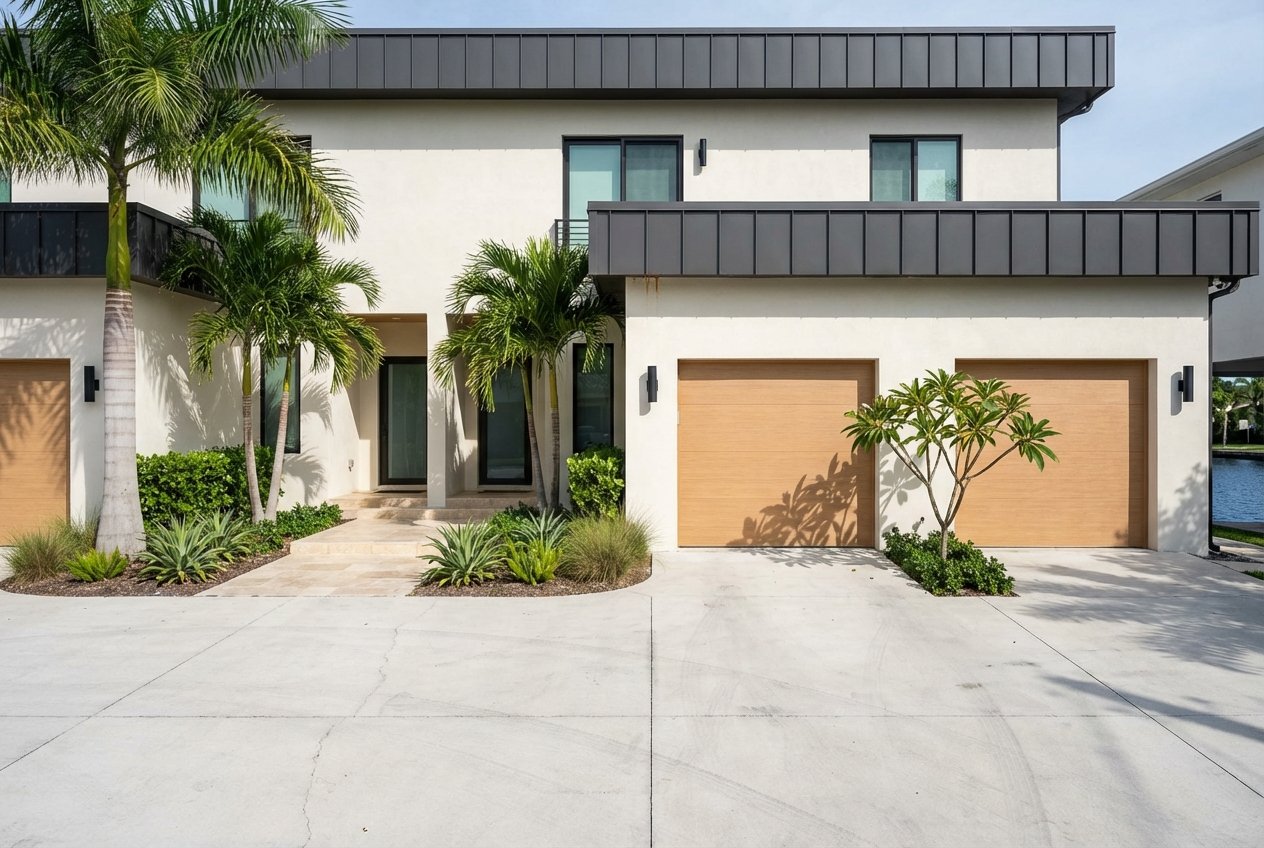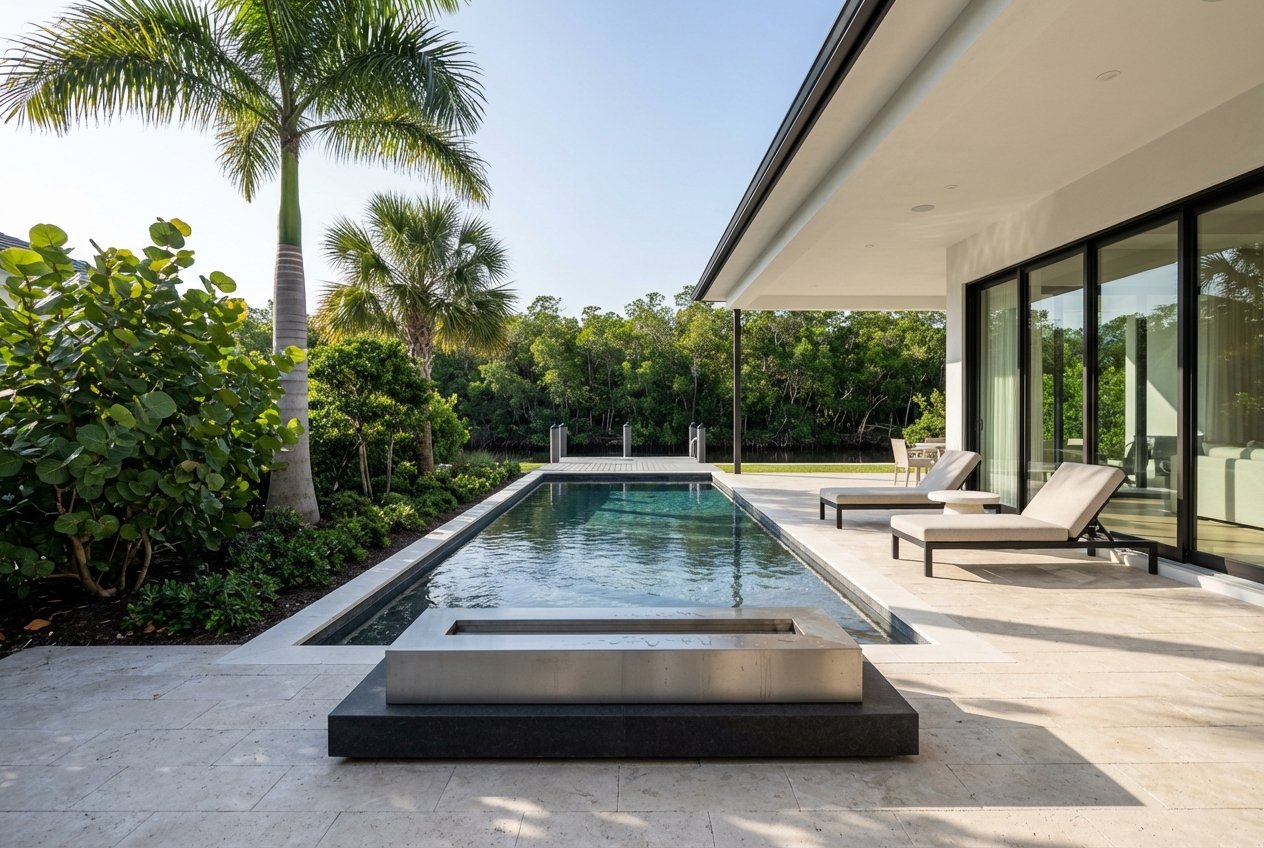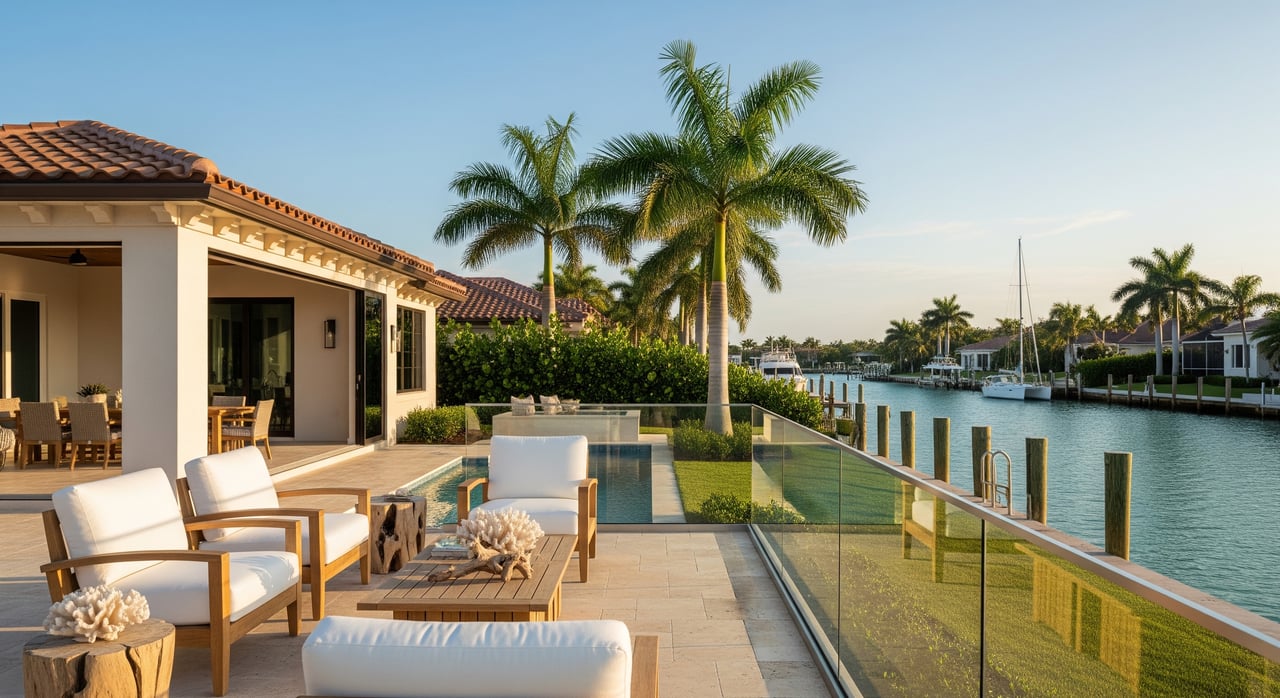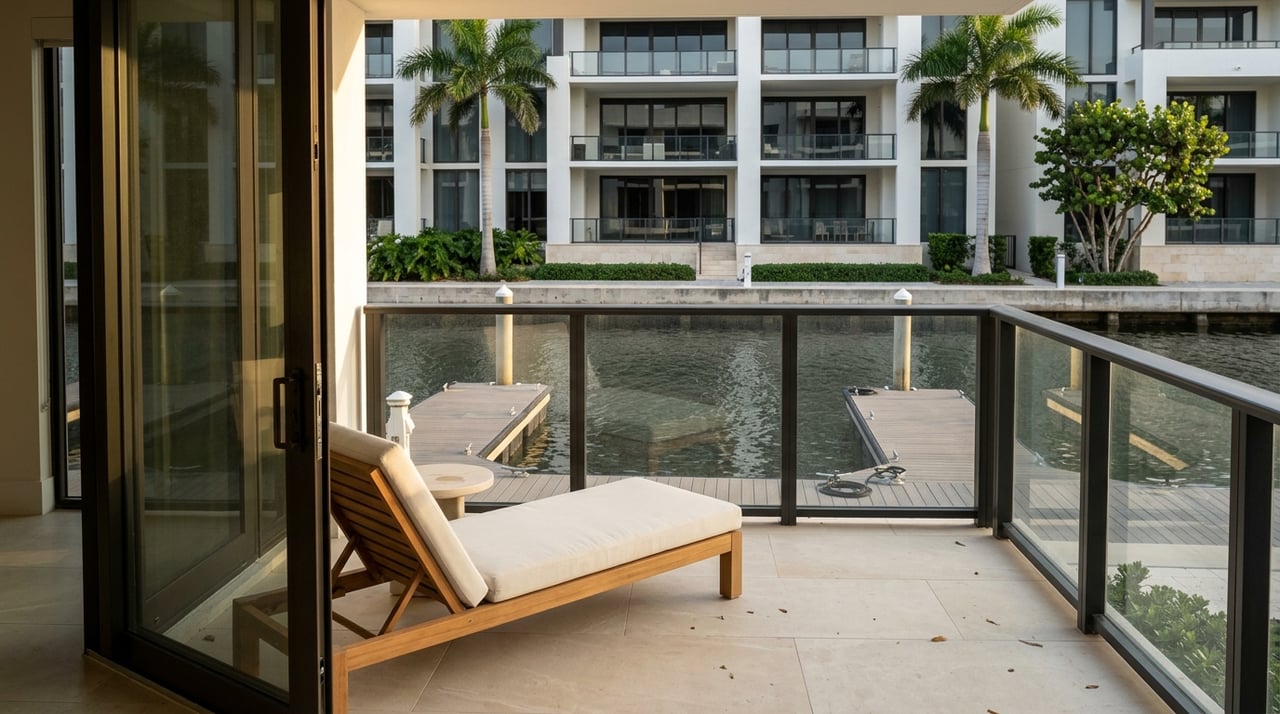
If you are dreaming about Sarasota waterfront living, the biggest choice may not be the view at all. It is often the ownership style, the rules, and the true day-to-day responsibility that come with the property. When you understand how a waterfront condo compares with a waterfront home in Sarasota, you can buy with more confidence and fewer surprises. Let’s dive in.
Start With How You Want To Live
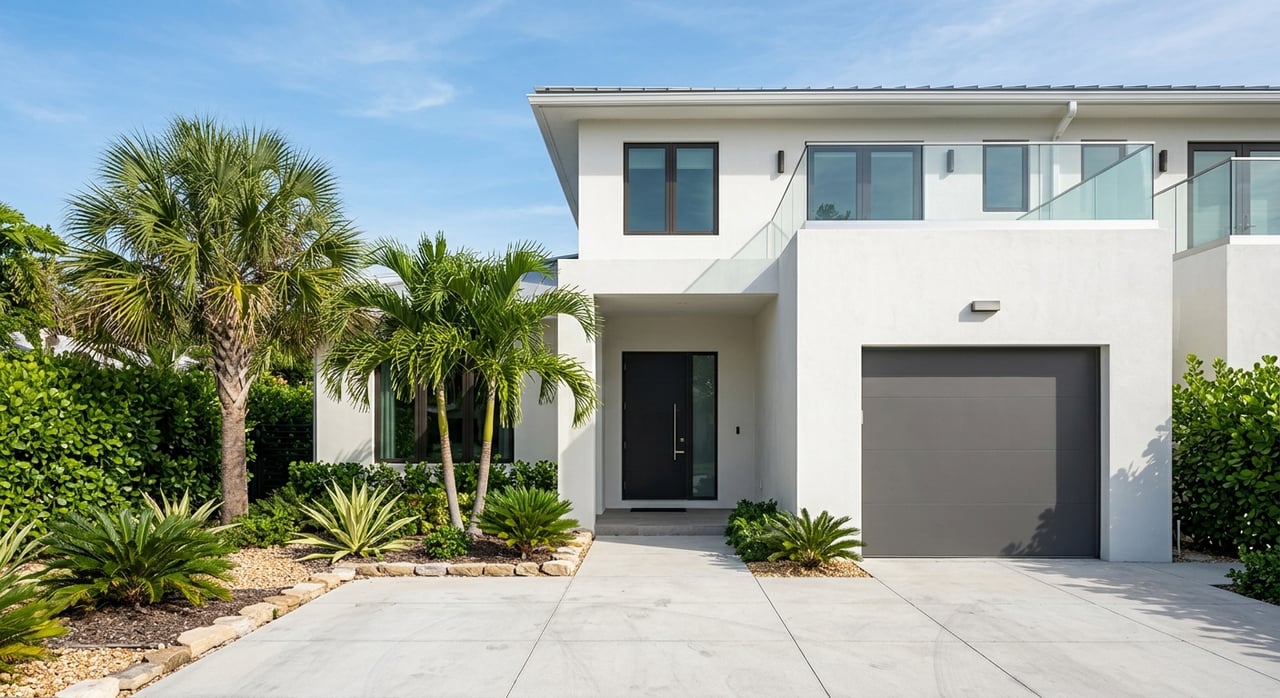
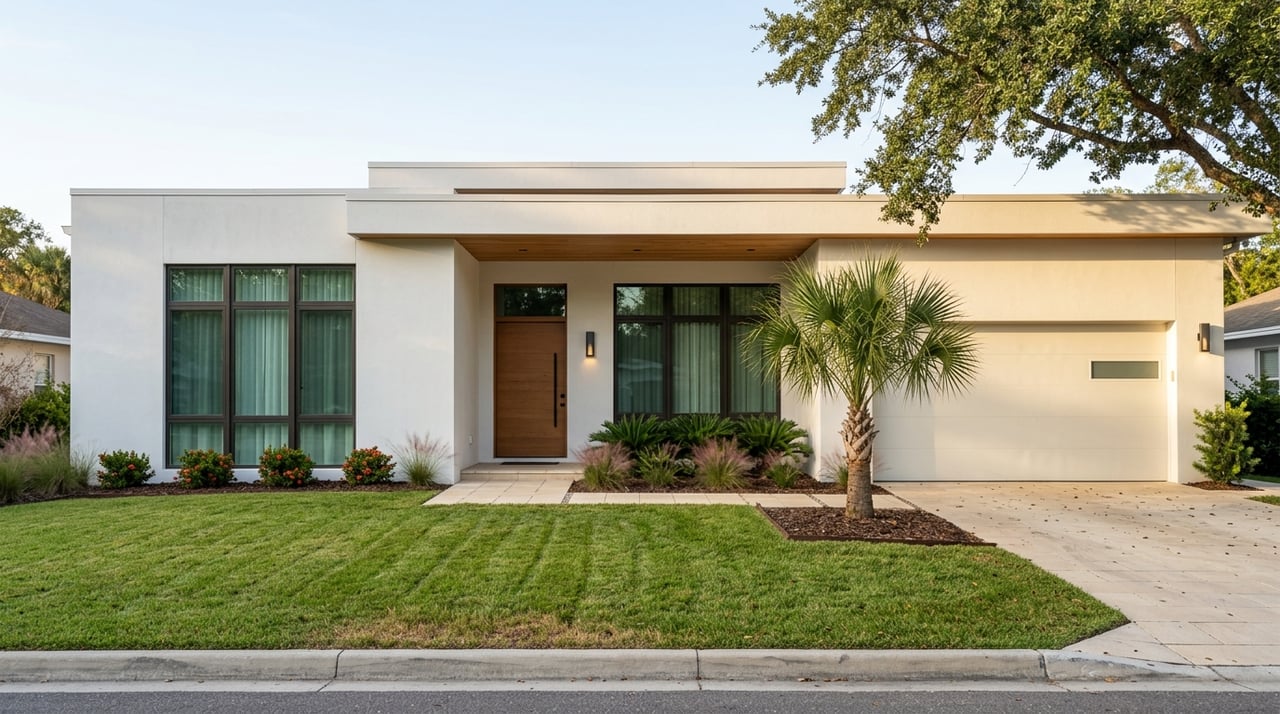
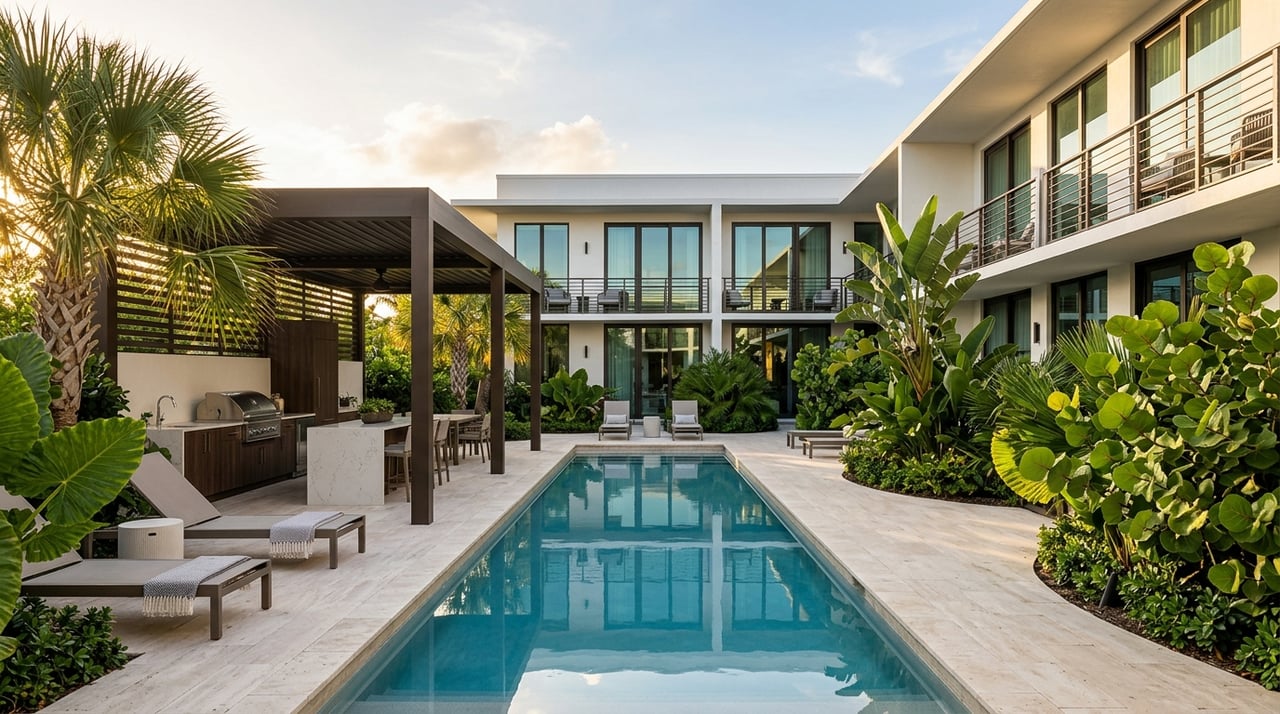
For many buyers, this decision comes down to lifestyle first. A waterfront condo often appeals if you want a more low-maintenance setup, shared amenities, and a lock-and-leave option for seasonal living. A waterfront home usually fits better if you want more privacy, more outdoor space, and more control over how you use the property.
That difference matters in Sarasota because a condo and a home can come with very different rules, even if they sit near the same shoreline. The best fit depends on whether you want convenience, flexibility, or a blend of both. Before you focus only on price or square footage, it helps to understand what you are really buying.
Condo Ownership In Sarasota
In Florida, condos operate under a separate ownership structure from homeowners' associations. Condo common expenses can include the operation, maintenance, repair, replacement, or protection of common elements and association property. That means more of the exterior and shared-property upkeep is often handled through the association.
For you as the owner, that can simplify day-to-day living. You still have responsibilities, though. Owners must pay their share of common expenses, allow access when needed, and follow the declaration, bylaws, and rules.
What A Condo Often Offers
A waterfront condo can be a strong choice if you want:
- Less exterior maintenance on your shoulders
- Shared amenities and common spaces
- A more seasonal or part-time ownership style
- A property that may feel easier to leave for longer periods
Many buyers looking for a second home in Sarasota like this setup. It can support a more carefree coastal lifestyle, especially if you do not want to manage as many exterior tasks yourself.
What To Watch In A Condo
The convenience of a condo comes with association oversight. Your fees may cover important items, but those costs can also change. This is especially important in buildings that may be facing inspections, reserve requirements, or larger maintenance projects.
Florida requires milestone inspections for certain condominium buildings that are three habitable stories or more by the end of the year the building turns 30, and every 10 years after that. The state also requires structural integrity reserve studies for applicable buildings. For buyers, that means the monthly fee alone does not tell the whole story.
Waterfront Home Ownership In Sarasota
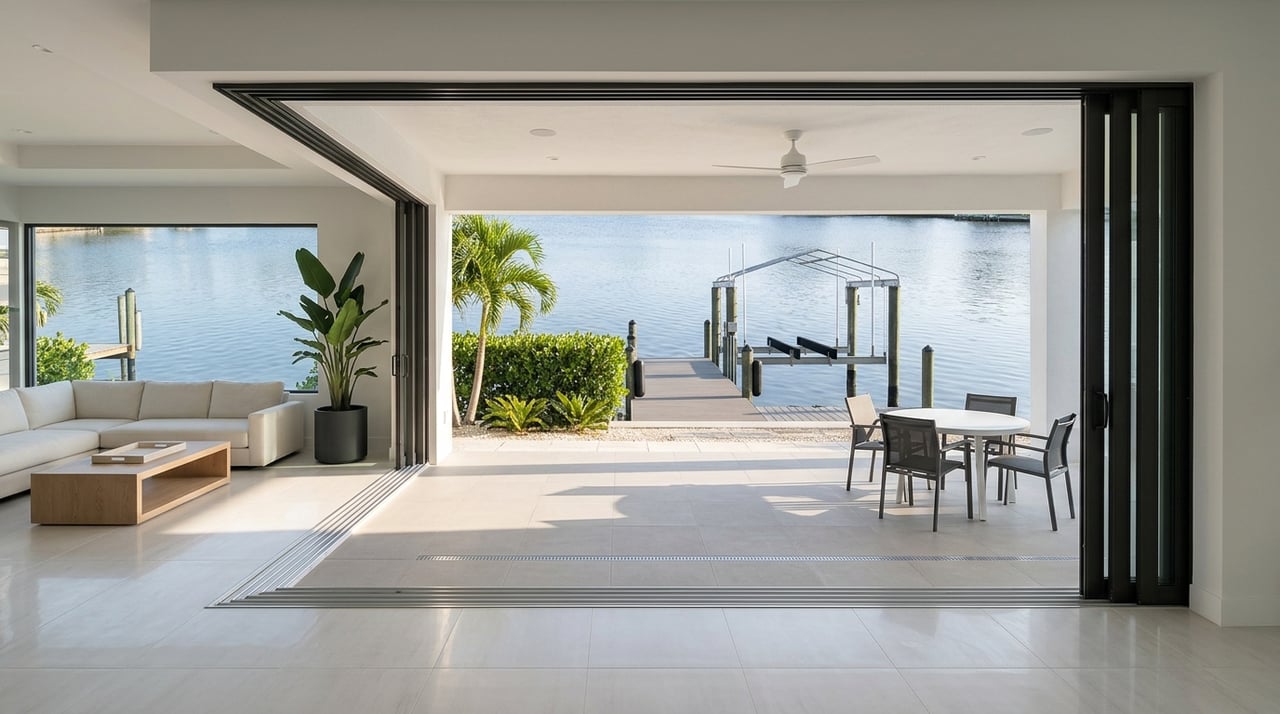
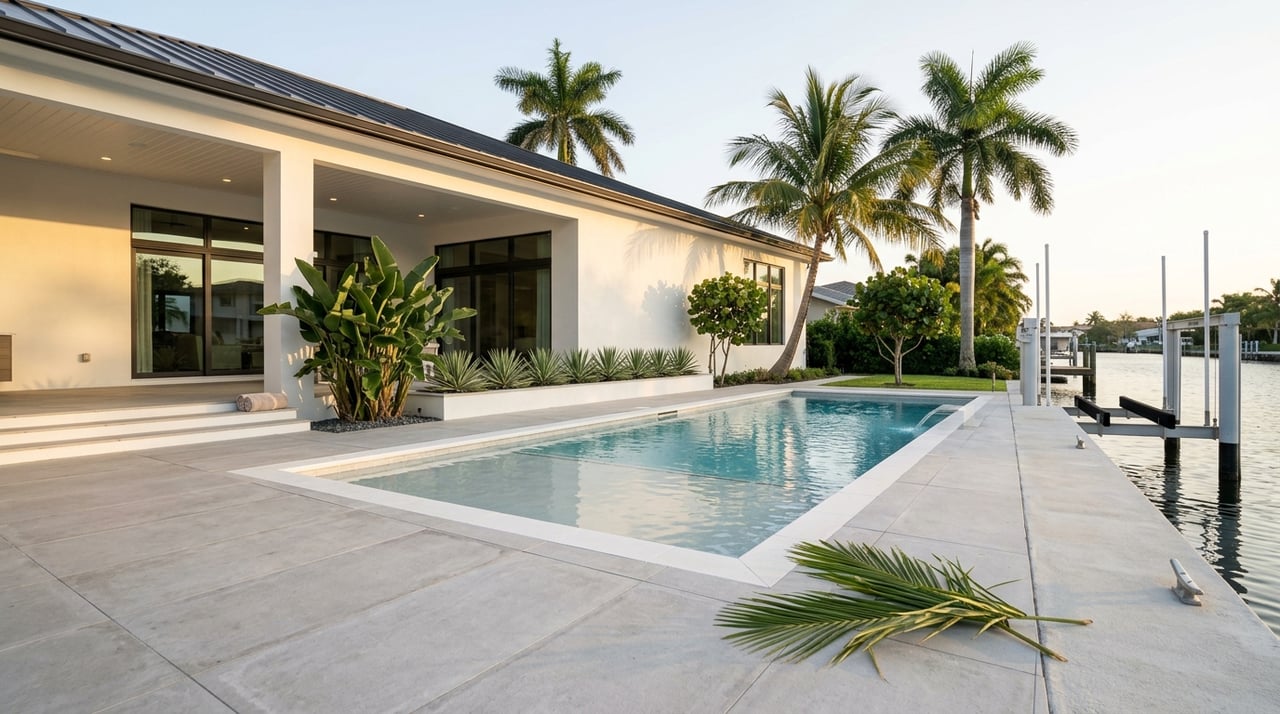
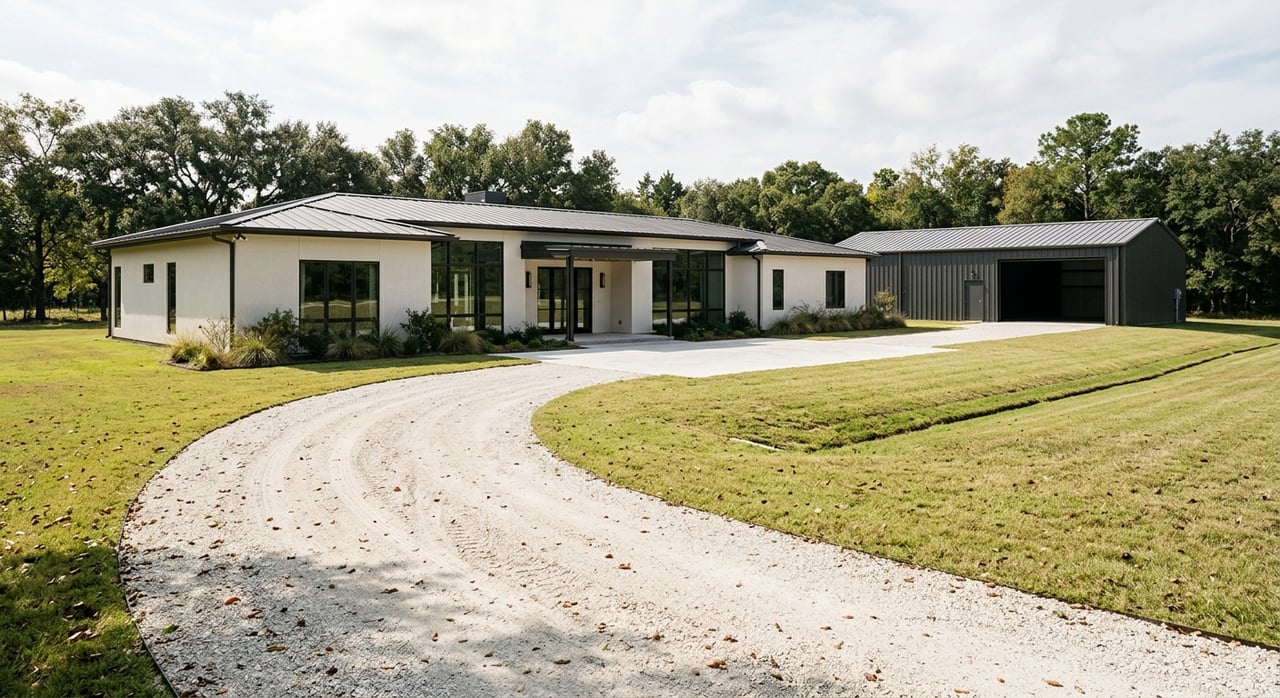
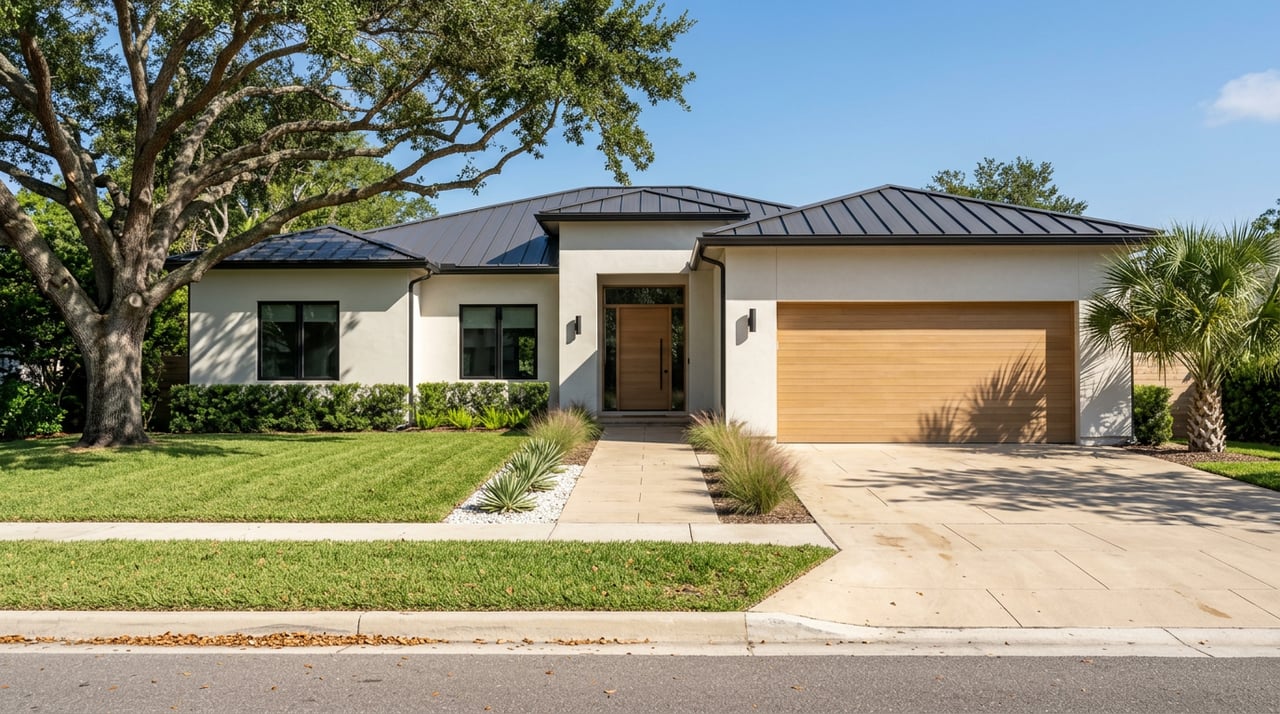
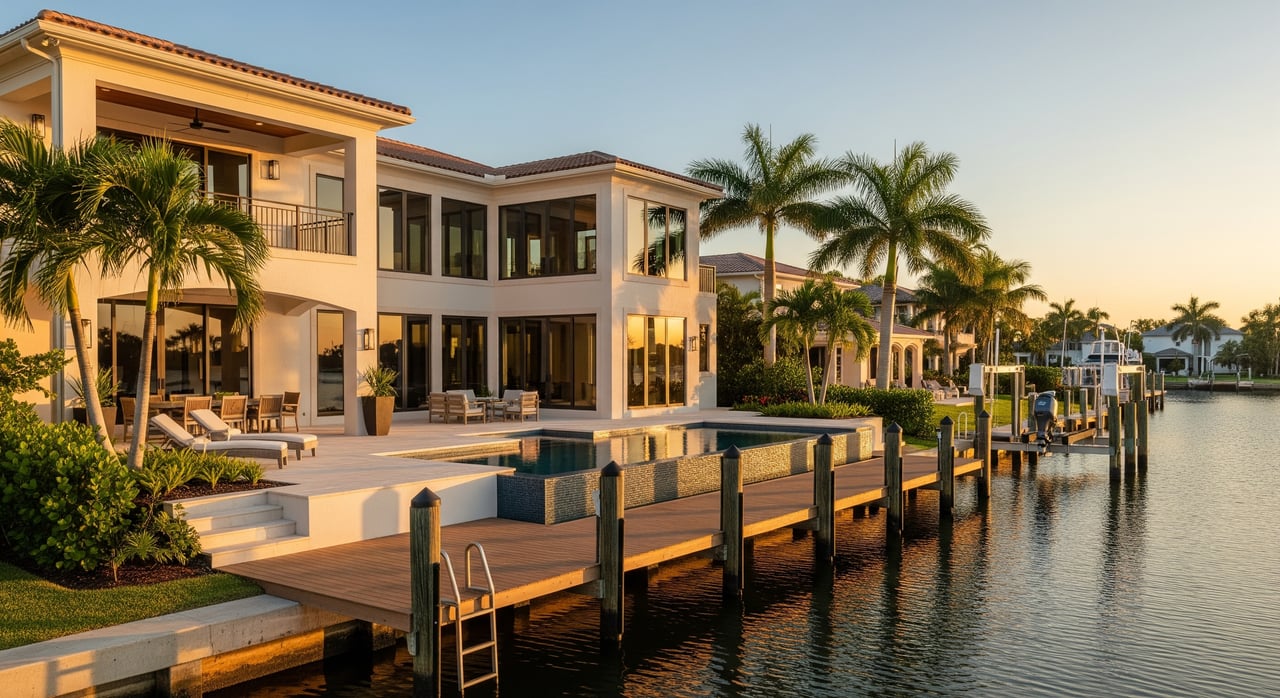
A single-family waterfront home usually gives you more direct control. You may have more room for exterior improvements, outdoor storage, personal boating equipment, and private use of the property. That freedom is a major reason many waterfront buyers prefer a home over a condo.
But more control also means more responsibility. If the home is outside an HOA, you are typically handling maintenance and repairs more directly. If it is inside an HOA, the association may still regulate common areas and enforce rules, even though you own a detached home.
What A Waterfront Home Often Offers
A Sarasota waterfront home may be the better fit if you value:
- Privacy and separation from shared walls or common areas
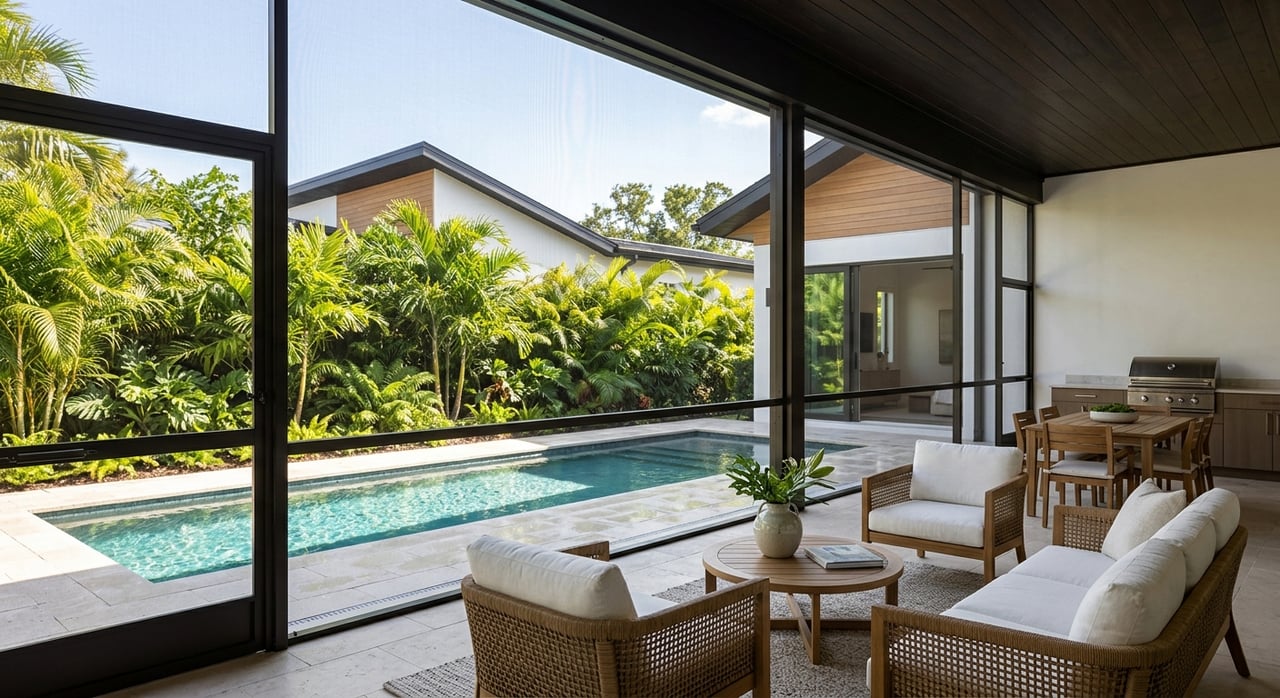
- Outdoor space for entertaining or relaxing
- Room for boat storage or waterfront improvements
- More flexibility for renovations and exterior changes
This option is often appealing if your waterfront lifestyle includes boating, gear storage, or plans to personalize the property over time. A detached home can offer a more hands-on but more flexible ownership experience.
What To Watch In A Waterfront Home
With a home, more of the property risk sits directly with you. A standard homeowners policy generally covers the dwelling, detached structures, personal property, liability, and medical payments. But flood damage is not covered by standard homeowners insurance, and flood insurance is separate.
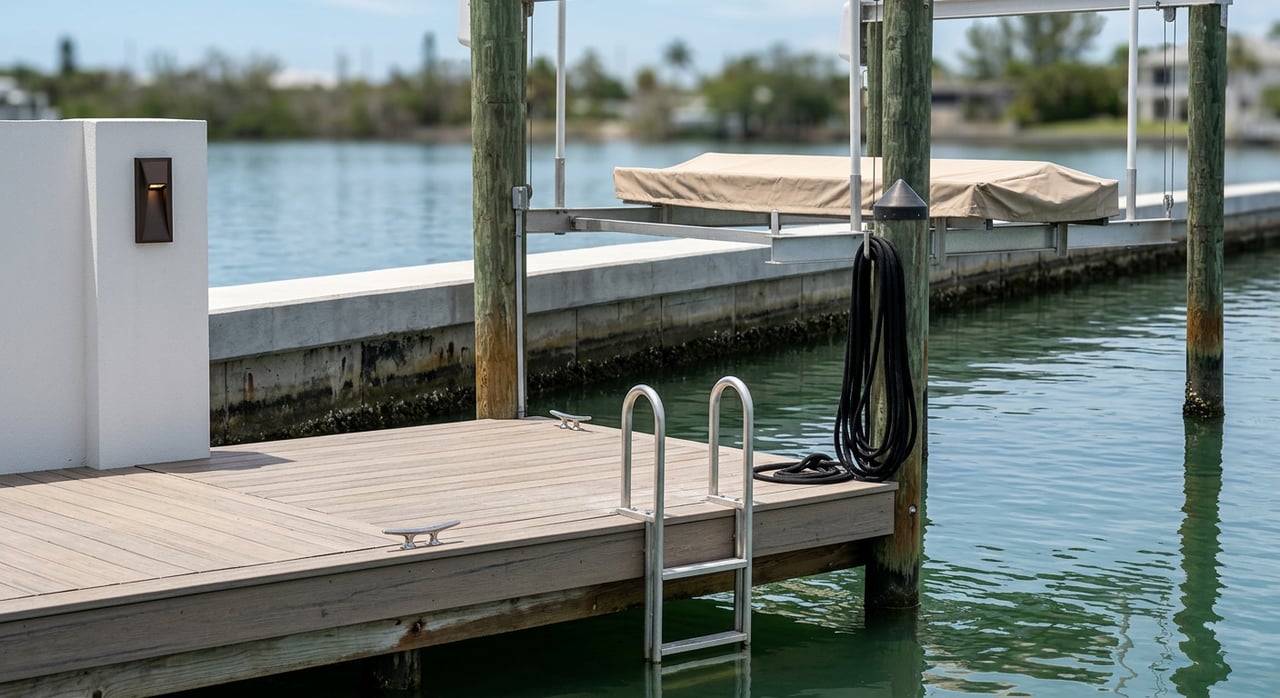
That matters in waterfront Sarasota neighborhoods. If a property sits in a Special Flood Hazard Area, the mandatory purchase rule may apply. Buyers should also pay close attention to seawalls, docks, lifts, and shoreline conditions because upkeep and permitting can affect future costs.
Compare The Real Cost
List price is only part of the story when you are choosing between a condo and a home. The better comparison is your likely long-term cost, including insurance, maintenance, reserves, fees, and any property-specific upgrades you may need.
Here is a simple way to think about it:
| Factor | Waterfront Condo | Waterfront Home |
|---|---|---|
| Exterior upkeep | Often shared through association | Usually owner responsibility |
| Monthly fees | Typically higher and ongoing | May be lower or none, depending on HOA |
| Insurance setup | HO-6 policy plus association master policy | Standard homeowners policy plus separate flood considerations |
| Surprise costs | Assessments and reserve-related increases | Repairs, storm prep, dock or seawall work |
| Control | More association oversight | More owner control |
For condos, your personal policy is usually narrower. Florida's consumer guide notes that HO-6 condo coverage protects personal property and certain interior items not insured by the association's master policy. It also notes that condo owners may face assessments for damage to common areas when the master policy or reserves do not cover the loss.
For homes, your monthly payment may look simpler at first. Still, you may be taking on a wider range of maintenance and insurance obligations yourself. On a waterfront property, that can include flood coverage, storm-related planning, and waterfront structure maintenance.
Sarasota Rental Rules Matter
If rental potential is part of your decision, do not assume a condo is automatically easier or that a home gives you unlimited flexibility. In Sarasota, the exact address matters. Rules can differ between the City of Sarasota and unincorporated Sarasota County, and association documents can be stricter than local zoning.
In the City of Sarasota, short-term vacation rentals have a 7 full day and 7 full night minimum stay. The city also requires certain single-family and small multi-family dwellings in residential zones to have a certificate of registration for vacation rental use, along with inspections, occupancy limits, and an approved parking plan. The city states that this registration requirement does not apply to owner-occupied vacation rentals, condominiums, cooperatives, or properties rented for 30 consecutive days or more.
In unincorporated Sarasota County, homes may be rented as a whole for periods greater than 30 days throughout the county. On the barrier islands, only properties zoned RMF may be rented short term for less than 30 days. The county also notes that tourist development tax applies to rentals of six months or less, in addition to state sales tax.
Why This Changes Your Decision
If you are buying with part-time use or investment in mind, you need to verify:
- The exact jurisdiction of the property
- Zoning rules that apply to that address
- Condo declaration or HOA rental restrictions
- Occupancy and parking requirements, if applicable
- Whether state vacation-rental licensing applies
A waterfront property can look perfect on paper and still miss your goals if the rental rules do not line up with how you want to use it.
Boating Access Can Be Very Different
For many Sarasota waterfront buyers, boating is a major part of the lifestyle. This is where condos and homes often separate the most.
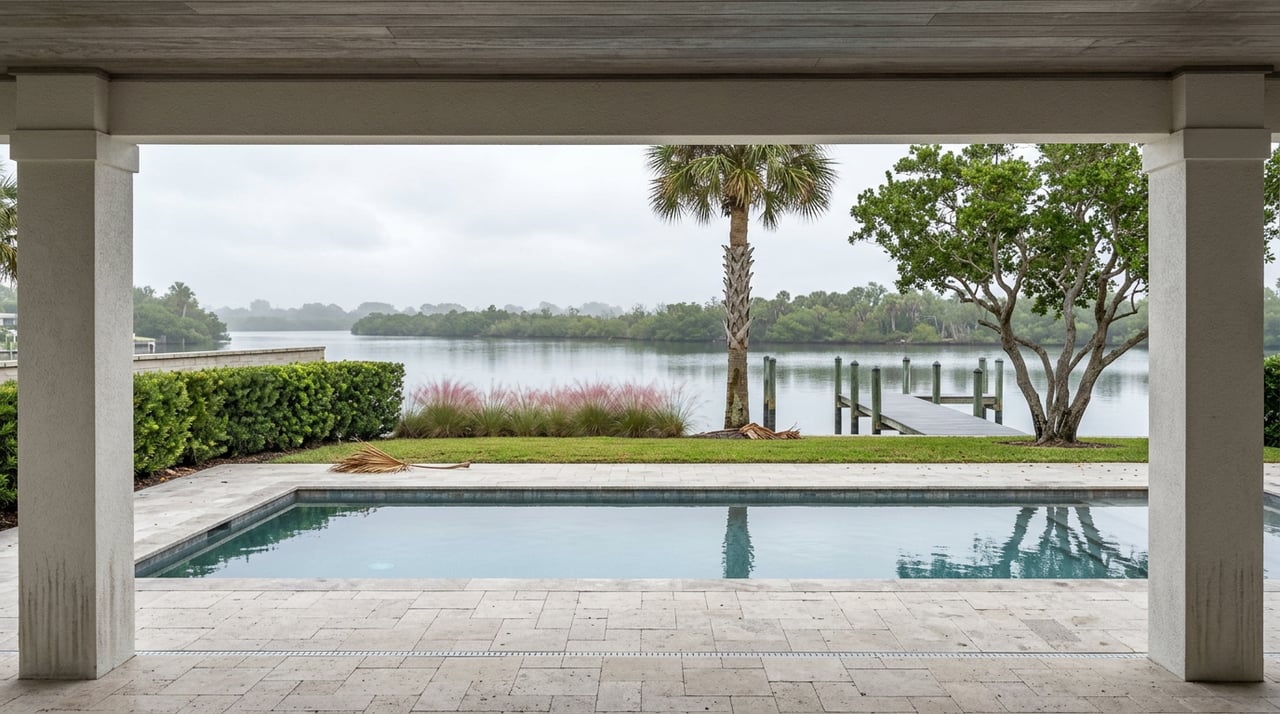
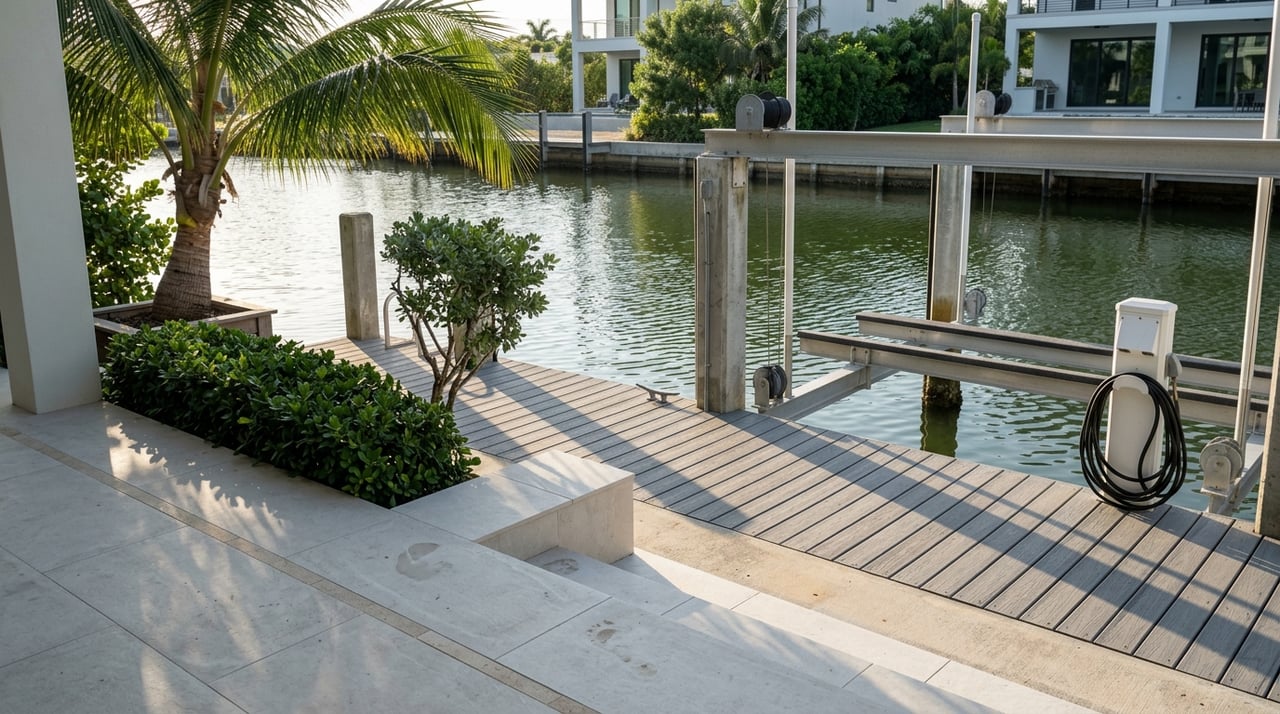
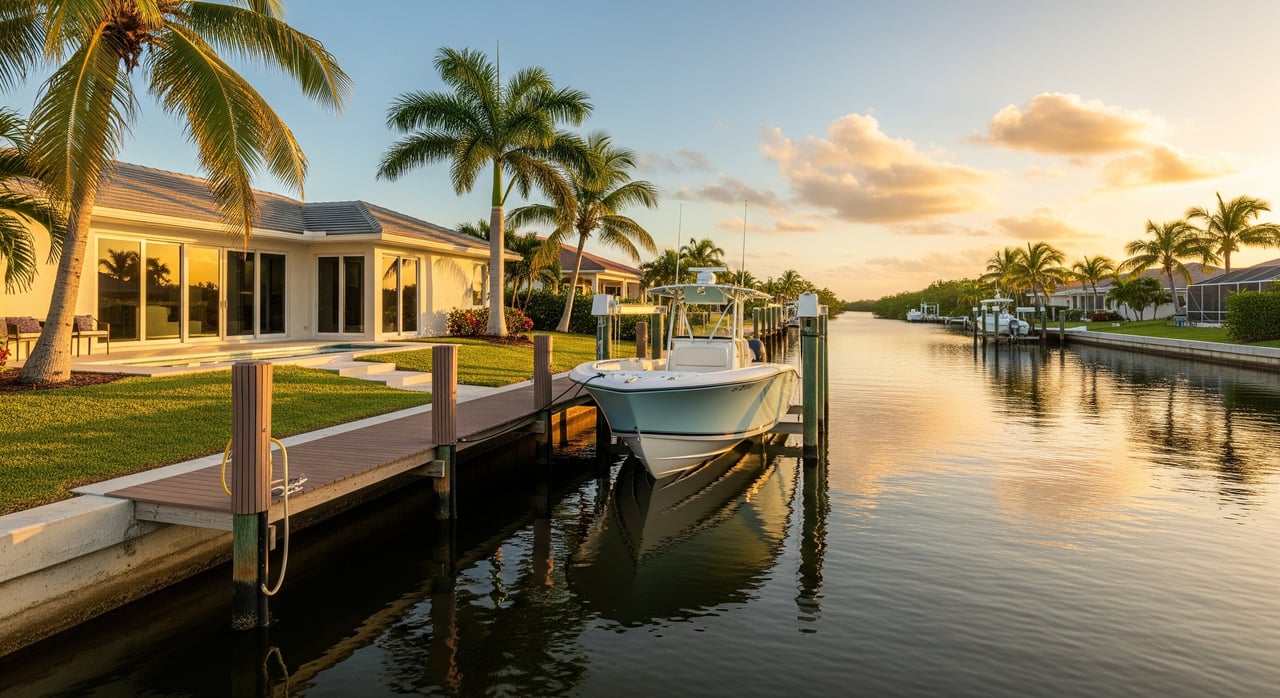
A waterfront home may offer direct shoreline access, a private dock, or room for a lift and storage. In the City of Sarasota, new docks or dock expansions require a permit application, site plan materials, and a Florida Department of Environmental Protection permit or exemption letter. Because of that, a home with an existing permitted dock can be especially attractive.
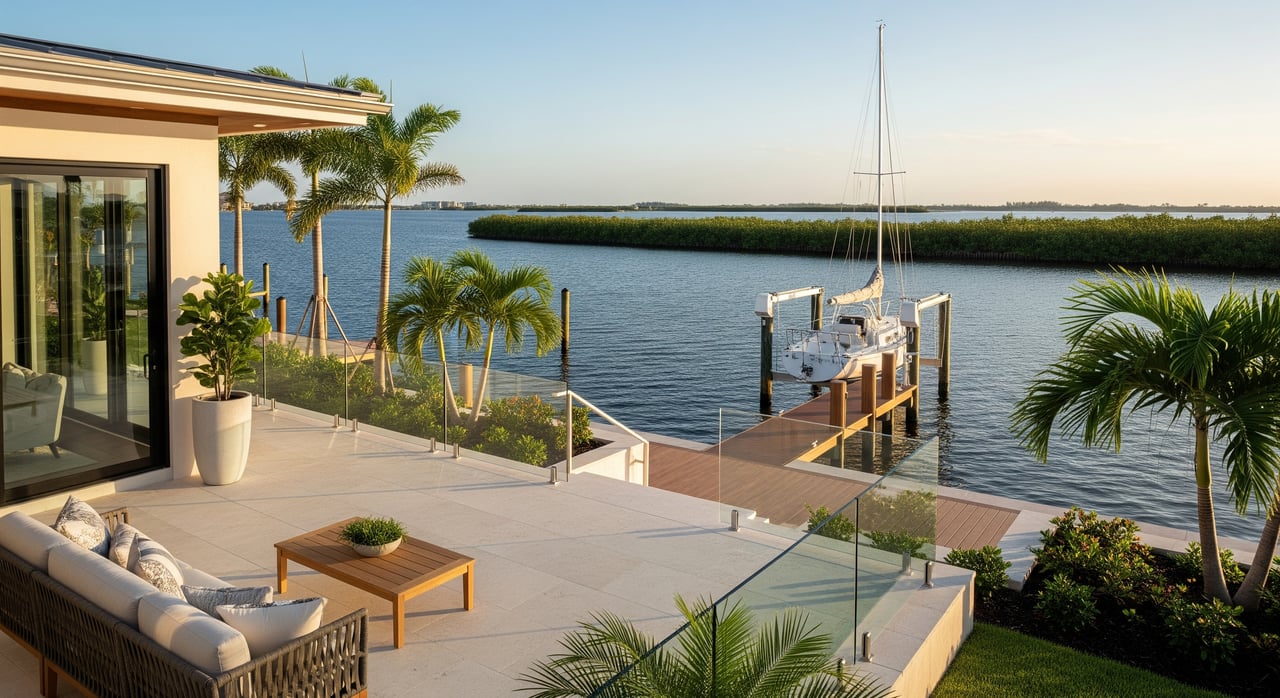
A condo can still work well for boaters, but you need to verify the details carefully. Slip access, marina rights, guest docking, and storage rules may be controlled by the association rather than the individual owner. Those rights should always be confirmed in the declaration and rules before you move forward.
Sarasota County also states that a boat may be stored on residential property if it belongs to the owner or tenant, but not in the public right of way or on vacant property. If keeping your boat close by is a priority, that can make a home much more appealing.
How To Choose The Right Fit
If you are still deciding, a few honest questions can make the answer clearer. Think less about what sounds glamorous and more about what will feel easy and practical for your day-to-day life.
Choose a waterfront condo if you want:
- Lower-touch seasonal living
- Shared amenities
- Fewer exterior chores
- A more lock-and-leave ownership style
- Comfort with association oversight and fees
Choose a waterfront home if you want:
- More privacy
- Outdoor space and storage
- Better boat access potential
- More control over renovations and property use
- Flexibility for docks, lifts, or shoreline improvements
Neither option is better in every case. In Sarasota, the right choice usually comes down to which rules and responsibilities you want to live with.
Due Diligence Before You Buy
Before making an offer on either type of waterfront property, take time to review the details that reveal the true ownership experience. This step is often what protects your budget and your lifestyle after closing.
Your checklist should include:
- Governing documents and current rules
- Current budget and reserve history
- Milestone inspection or structural reserve status, if applicable
- Insurance structure and estimated premium
- Flood zone information
- Dock, seawall, or lift permit history
- Rental restrictions and local jurisdiction rules
This is especially important in Sarasota because city, county, and association layers can all affect how a property functions. Two waterfront properties with similar views can deliver very different ownership experiences.
If you want help narrowing the options, local guidance can save you time and reduce costly surprises. Working through these details before you buy can help you find a property that truly matches your lifestyle, whether that means a polished condo with shared amenities or a private home built around boating and outdoor living.
When you are ready to compare Sarasota waterfront condos and homes with a clear strategy, connect with Carla Nix for personalized guidance tailored to your goals.
FAQs
What is the main difference between a Sarasota waterfront condo and home?
- A waterfront condo usually includes more shared maintenance and association oversight, while a waterfront home usually offers more privacy, control, and direct responsibility for upkeep.
What should Sarasota condo buyers review before making an offer?
- You should review the condo declaration, bylaws, budget, reserve history, inspection status if applicable, insurance structure, and any rental or boating rules that affect your use of the property.
Do Sarasota waterfront homes need separate flood insurance?
- Standard homeowners insurance generally does not cover flood damage, so flood insurance is separate and may be required if the home is in a Special Flood Hazard Area.
Can you use a Sarasota waterfront condo or home as a vacation rental?
- It depends on the exact location, zoning, and governing documents, because rules differ between the City of Sarasota, unincorporated Sarasota County, and individual condo or HOA documents.
Why does boating access differ between Sarasota condos and homes?
- A waterfront home may offer direct dock or shoreline access, while a condo may place slips, marina access, and guest docking under association control, so those rights must be verified before purchase.