Thinking about selling your Punta Gorda Isles canal home, but not sure which details actually move the needle? On the water, small facts carry big value. Canal width, dock permits, seawall status, and even your route out to Charlotte Harbor all shape price and buyer demand. If you want top dollar with fewer surprises, you need a clear plan and verified data that boaters trust.
This guide walks you through what to prepare, how to price, and where to market so you attract serious waterfront buyers faster. Let’s dive in.
What makes PGI canal homes sell
Punta Gorda maintains about 45 miles of canals and an extensive seawall system through its municipal canal program. The City oversees dredging and seawall inspections, and property owners pay assessments through the canal maintenance districts. Understanding how this program supports navigability and repairs helps you speak confidently to buyers about long‑term care of the waterways. You can learn more on the City’s Canal Maintenance page, including dredging and seawall procedures, here: Punta Gorda Canal Maintenance.
Many buyers will ask one question early: how quickly and safely can they reach Charlotte Harbor? Local boaters often reference two exit routes, Ponce de Leon and Alligator Creek/Buckley’s Pass. As a practical rule of thumb, boaters expect around 6 feet of water at mean low tide on the main routes, but depths can vary in canals and at individual docks. For sailboats and larger craft, buyers also care about bridge clearance and channel notes published by NOAA. The NOAA U.S. Coast Pilot lists fixed span clearances on the Peace River approaches, including the US‑41 bridges, which matter for masted vessels.
Know your dock and vessel limits
Dock rules that shape value
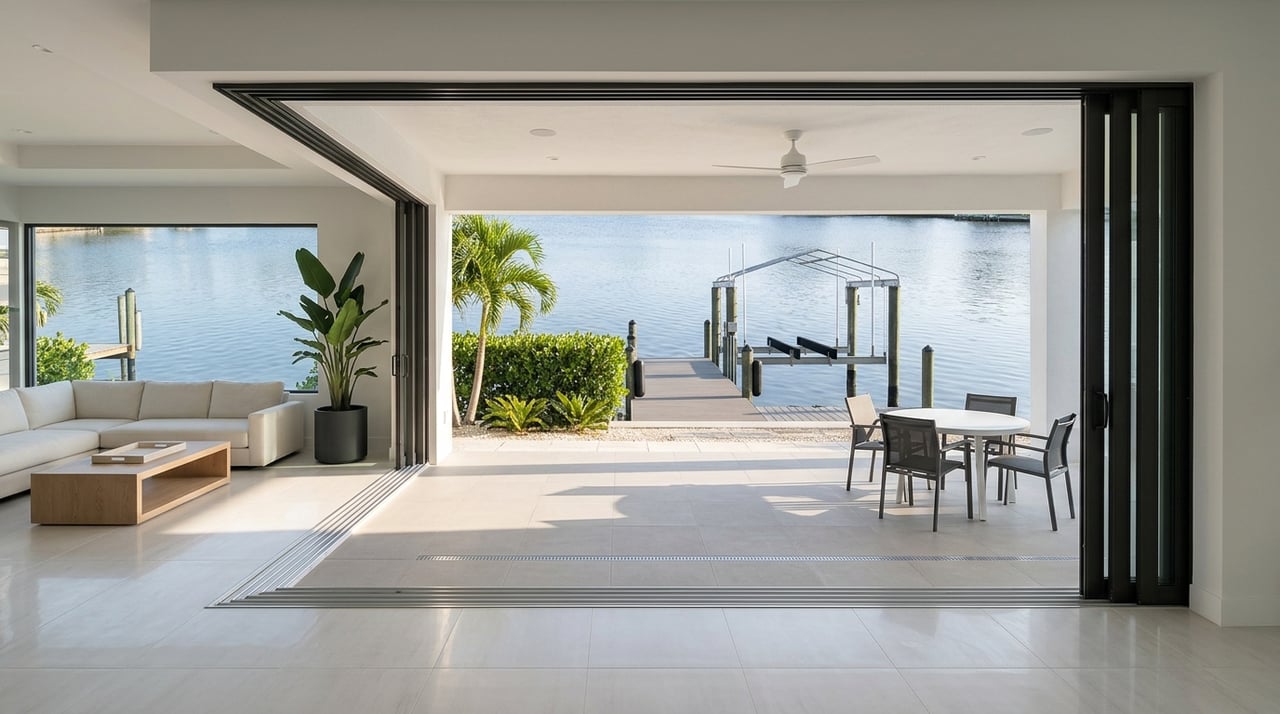
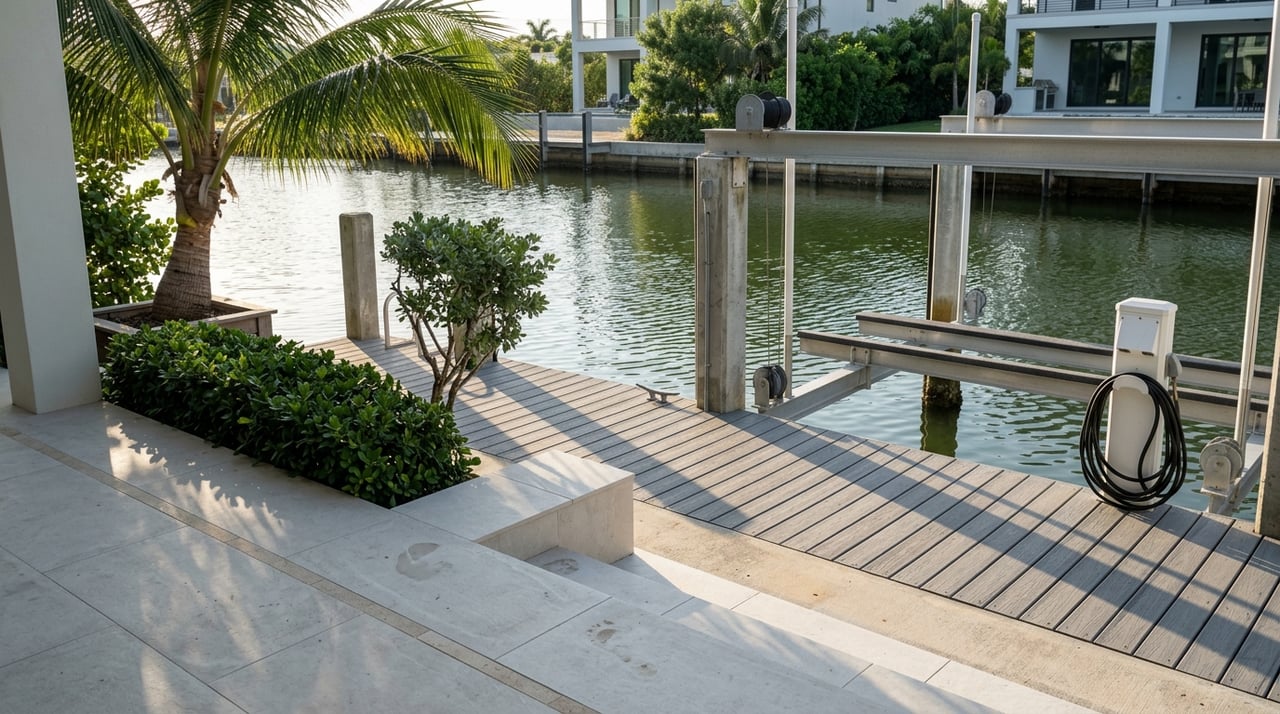
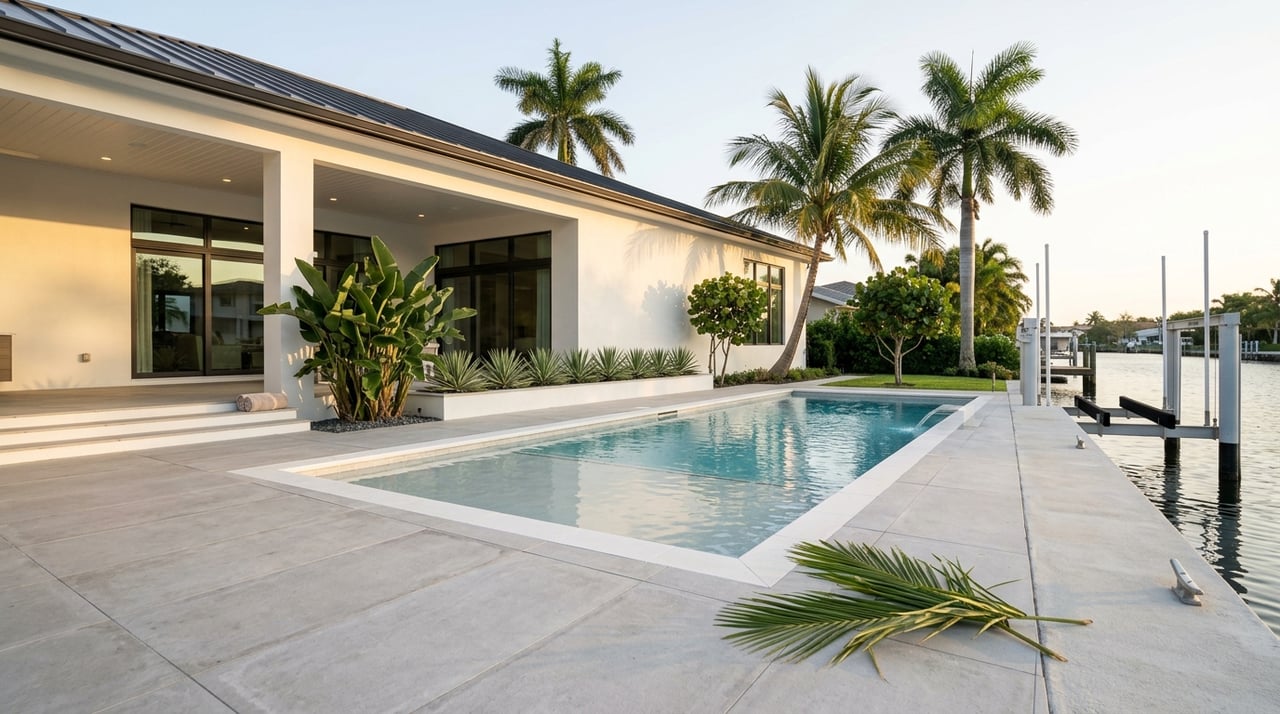
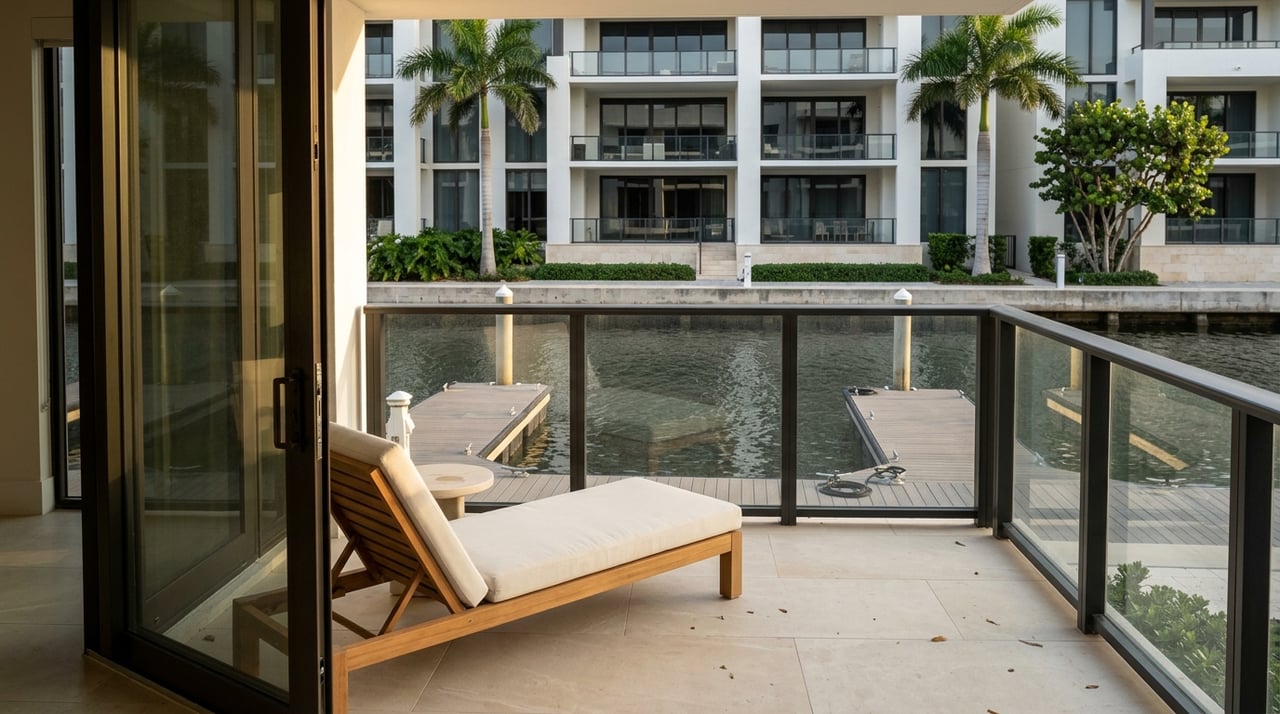
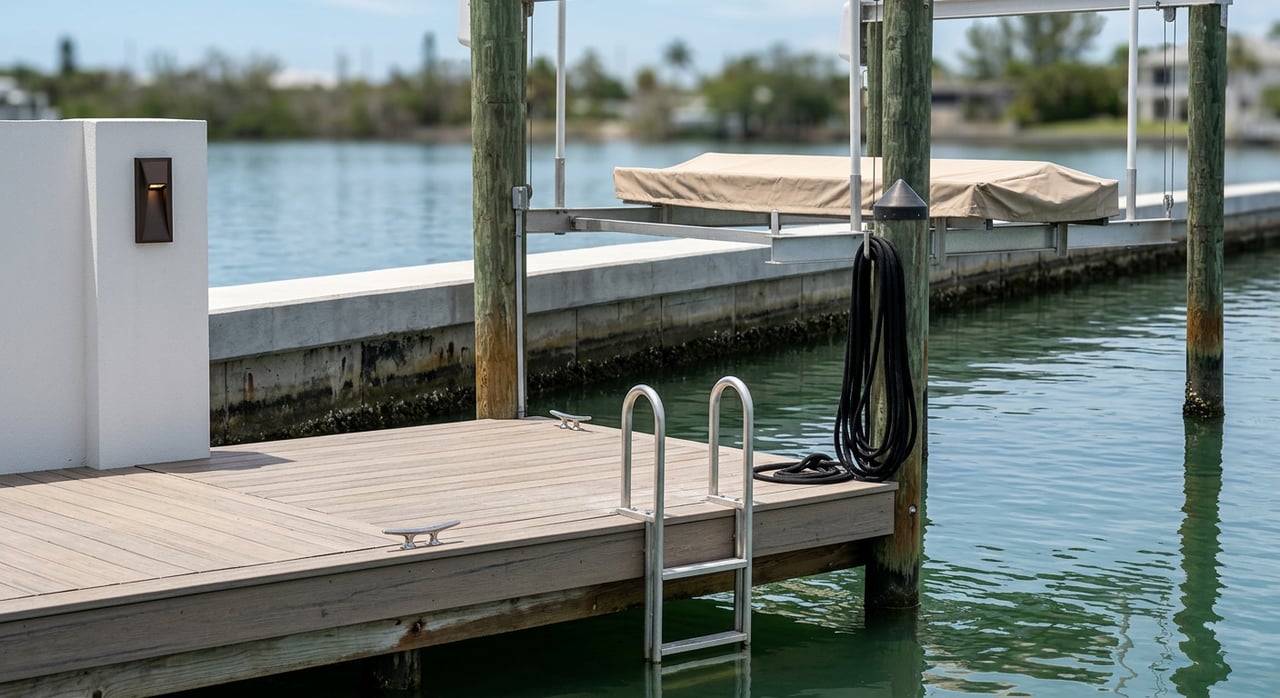
Dock design and placement are not guesswork in PGI. They are governed by the City Code of Ordinances, Chapter 6. In many single‑family cases, freestanding concrete docks cannot protrude more than 10 feet waterward from the seawall. Lots with 85 feet or more of seawall may qualify for additional options, such as parallel docks and extra mooring piles or a second lift, if spacing and other rules are met. Always verify what is permitted for your parcel in the City’s Chapter 6 regulations before you advertise dock features.
How big a boat fits at your lot
Your permitted dock is only part of the story. The code also limits how far a moored vessel can extend from the seawall. In many PGI canals 125 feet wide or less, the maximum vessel extension is 30 feet from the seawall. On wider canals, it is often 35 feet. These limits help you set realistic expectations for boat size and fit. Reference the exact language and canal width for your address in the City’s Chapter 6 regulations.
Special permits and surveys
If your dock or mooring plan differs from the standard layout, you may see mention of a Canal Construction Special Permit. Nonstandard projects can require a recent special purpose survey that shows property lines, the face of the seawall, the navigable channel, and structure limitation lines. If you plan upgrades before listing, or if your current configuration is unusual, confirm permits in the City records. You can also check recent CCSP approvals in the Punta Gorda Isles Canal Advisory Committee agendas.
Depth, dredging, and ride time
Canal depths are not uniform, which is why seasoned buyers ask for a documented sounding at the dock. Punta Gorda runs a scheduled dredging program and, under the City’s permits, owners can sometimes contract for dockside maintenance dredging through a City‑designated contractor. Share any recent depth reports and note the date and who performed them. Learn about dredging oversight and owner options on the Canal Maintenance page.
If you expect sailboat interest, provide draft constraints up front. Local sailing guidance explains best routes and practical expectations for getting out of the canal system. For context you can review this local overview of access and depths: How to get out of the Punta Gorda Isles canal system. When you describe “minutes to open water,” measure at idle speed and state your method in the seller packet. A short, verified ride time can expand your buyer pool and support your price.
Seawalls, insurance, and flood info
Seawall condition is a top waterfront concern. Punta Gorda inspects seawalls, manages replacement schedules, and funds work through canal assessments. If a City replacement project is scheduled on your block, expect that boats may need to be moved during active work. You can see how the City handles seawall projects on the Canal Maintenance Program page. Include any City notices, inspection notes, or contractor invoices in your disclosures to reduce buyer friction.
Buyers will also ask for flood information. Provide your FEMA Flood Insurance Rate Map (FIRM) panel and any existing elevation certificate. The City outlines where to find your panel and how elevation rules apply to construction and improvements. Share links or PDFs in your packet using the City’s guide: Flood map and elevation certificate information.
Price smarter with waterfront comps
Waterfront premiums are hyper‑local in PGI. Compare your home to recent canal sales that match on canal width, seawall length, dock and lift setup, sailboat versus powerboat access, and any recent seawall or dredging work. Homes on wider canals and lots with at least 85 feet of seawall may support longer docks, more piles, or an additional lift if permitted, which often attracts owners of larger boats. If your property offers verified sail access with a short, measured ride to the harbor, you can target a higher‑intent buyer segment. Presenting clear evidence in your packet helps support value with buyers and appraisers.
Pre‑listing timeline for PGI sellers
Follow this step‑by‑step plan to prepare a clean, confidence‑building listing.
8–12 weeks before listing
- Assemble your seller packet:
- Stamped survey showing lot corners and the face of the seawall. If you plan nonstandard dock changes, a special purpose survey may be required under City Chapter 6 rules.
- Recorded deed and any CCSPs or dock permits with document numbers.
- Seawall inspection notes or contractor reports and any City replacement notices.
- Elevation certificate and the FEMA FIRM panel for the property using the City’s flood information guide.
- Recent invoices for dock and lift service, plus lift specs and capacity.
- Most recent depth sounding at the dock, with date and who did it.
- Canal assessment receipts.
- Order a pre‑listing inspection that includes the dock and boat lift. If repairs are recommended, get written estimates so buyers see clear solutions.
4–6 weeks before listing
- Complete high‑priority fixes, especially anything affecting safety, lift operation, or minor seawall items that are economical to address.
- Coordinate with the City if a seawall replacement is scheduled near your home. Boats typically must move off the wall during active work, and timing can affect your showings. See the maintenance program overview.
- Book professional waterfront photography and drone video for a calm‑water day. Include an overhead that shows canal width and the route to your exit, plus a short water‑level video demonstrating the lift. For best practices, review this overview of real estate aerial photography.
1–2 weeks before listing
- Declutter and stage the outdoor areas and dock. Coil lines, stow fuel cans, clean dock surfaces, and tidy hoses and cords. Keep a small, neat boating vignette rather than heavy gear across the dock.
- Film the lift operating and include the most recent service record in your packet.
- Finalize the listing sheet with canal‑specific data: seawall linear feet, canal width, mean low‑water depth at the dock, number and type of permitted lifts and piles, CCSP or permit numbers, and the date of the last seawall inspection or replacement.
Marketing that reaches boaters
Core listing elements
- Lead your first lines with the facts boaters filter for: Gulf access, sailboat access if applicable, canal width, seawall linear feet, boat lift details, and verified minutes to Charlotte Harbor at idle. Each claim should be backed by permits, a survey, or a dated depth sounding.
- Build a strong media package: interior and exterior photos, drone overheads that show canal width and the exit route, a short boat‑ride clip to Ponce or Buckley’s Pass, a water‑level still of the dock and lift, a floor plan, and a 3D tour. High‑quality aerial imagery increases engagement and helps your listing rise above the noise. See examples in this aerial photography guide.
Targeted outreach
- Use MLS waterfront fields and filters to tag sailboat‑accessible, lift included, and seawall replaced with the year. This makes your listing easy to find for boat owners.
- Share a concise info packet with local boating groups and marinas. The Punta Gorda Boaters Alliance is a good place to start. Learn about their programs here: Punta Gorda Boaters Alliance.
- Place lifestyle advertising that reaches sailing and sportfishing audiences during peak seasonal windows. Pair it with your drone video for maximum impact.
What to include in your seller packet
A tight, one‑page summary plus attachments helps buyers act with confidence. Here is a proven structure:
- One‑page summary:
- Canal width and seawall linear feet
- Permitted dock protrusion limit and current configuration
- Number, capacity, and age of boat lifts
- Measured depth at the dock at mean low water, with date and source
- Minutes to Charlotte Harbor at idle and the route used
- FIRM flood zone designation and whether you have an elevation certificate
- Attachments:
- Stamped survey and, if applicable, special purpose survey
- Copies of dock permits and any CCSPs
- Seawall inspection notes or City replacement status
- Lift service invoices and a lift operation video link
- Recent depth sounding report
- Canal assessment receipts
- Floor plan, property photos, and drone video stills
- Optional context map: Punta Gorda Isles canals map
Work with a waterfront specialist
Selling a PGI canal home is different from selling inland. Boaters scrutinize the rules, the route, and the hardware. When you bring verified facts to market and tell a clear waterfront story, you reach the right buyers and protect your price.
If you want a team that combines local canal expertise with premium marketing and negotiation strength, let’s talk. List with professional media, targeted boater outreach, and the distribution power of a respected brand. Start the conversation with Carla Nix.
FAQs
What should I verify before advertising sailboat access in PGI?
- Confirm draft at your dock with a recent sounding, note the exit route used, and check bridge clearances in the NOAA Coast Pilot. Include your data and dates in the seller packet.
How far can my dock or boat extend from the seawall in PGI?
- Many single‑family docks are limited to 10 feet waterward, and moored vessels often to 30 feet on canals 125 feet wide or less, or 35 feet on wider canals. Verify your lot’s specifics in Chapter 6 of the City Code.
Can I add another lift on my 85‑foot seawall lot?
- Lots with at least 85 feet of seawall may qualify for additional options, including a second lift, if spacing and other rules are met. Check your permits and, if needed, the Canal Construction Special Permit process.
Do I have to move my boat during City seawall replacement work?
- Yes. City seawall projects commonly require boats to be moved off the wall during active work. Watch for contractor notices and check the Canal Maintenance Program overview.
Where do I find my flood zone and elevation info for a PGI home?
- Use the City’s resource on FEMA map panels and elevation certificates to locate your FIRM panel and understand elevation rules: Flood map and elevation certificate information.
What media should every PGI canal listing include?
- Professional photos, drone overheads showing canal width and route, a water‑level dock still, a short boat‑ride video to the exit, and a floor plan or 3D tour. See this aerial imagery guide for best practices.