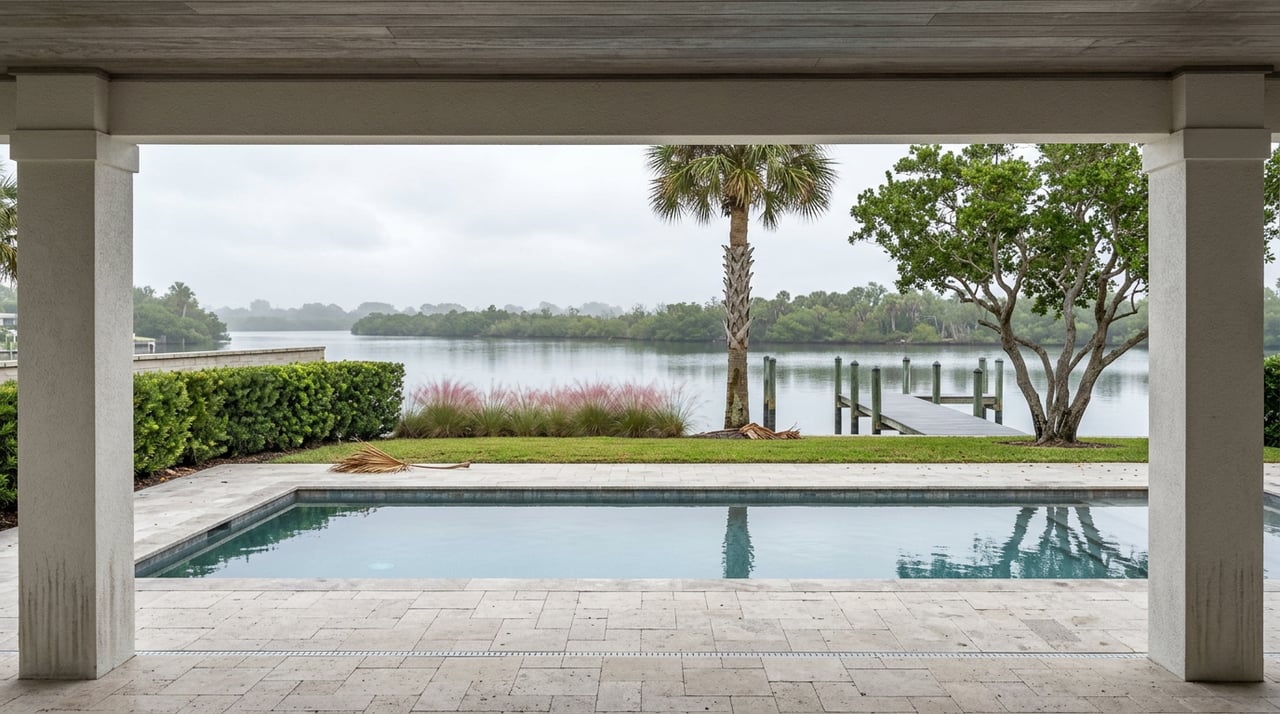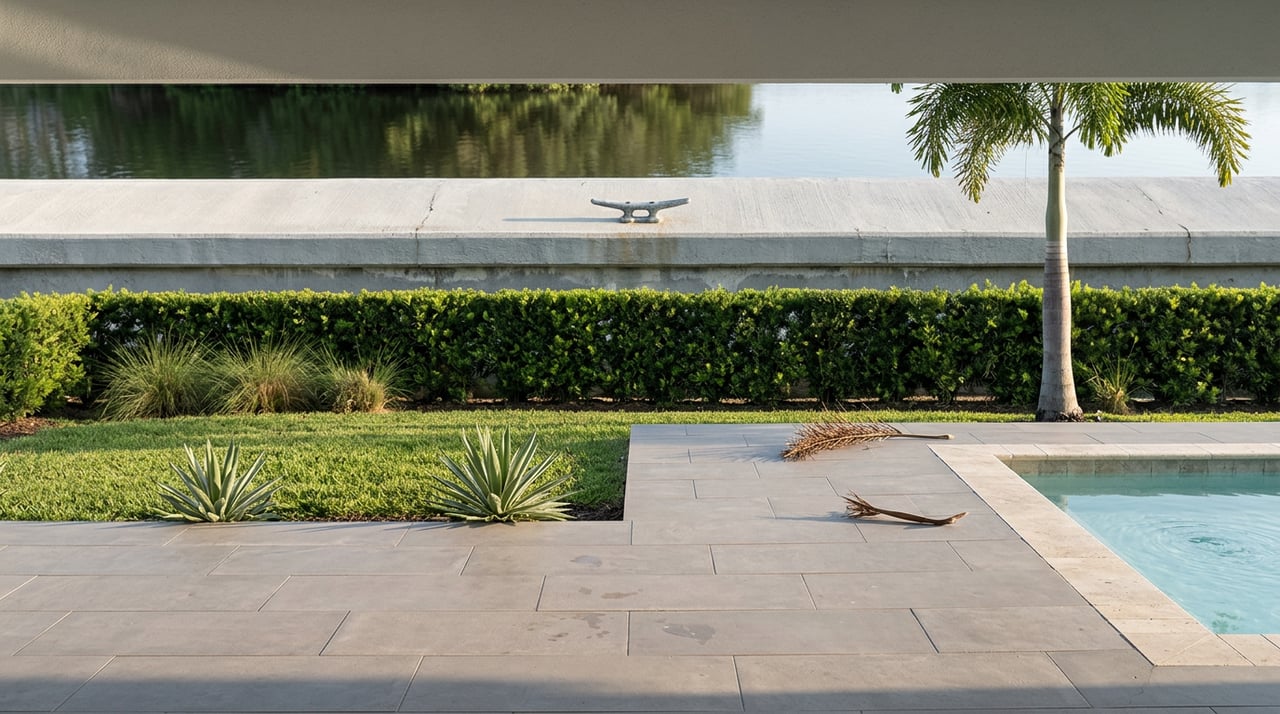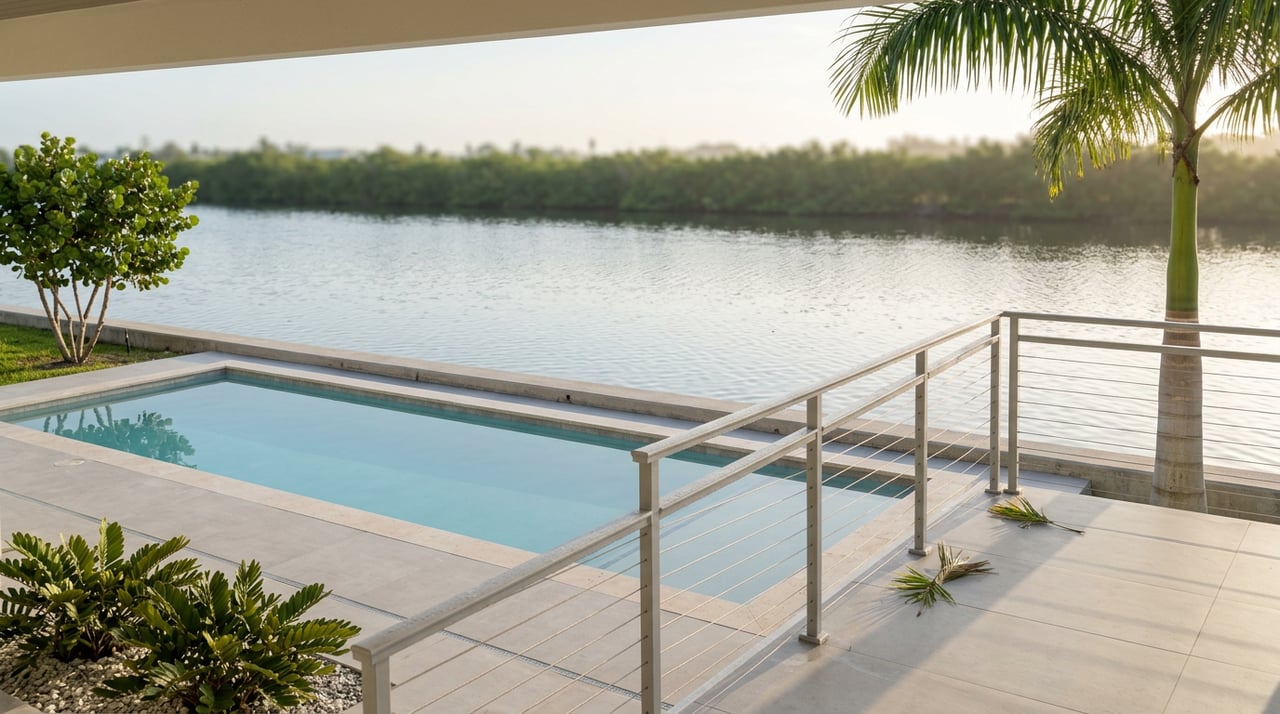
Picture yourself pushing off at first light, tarpon rolling in Boca Grande Pass or snook feeding on quiet flats. If you are weighing Placida’s canal homes against harborfront estates or lock‑and‑leave condos, the choices can feel overwhelming. You want the right water depth, the best route to the Gulf, and predictable ownership costs. This quick guide breaks down Placida’s key waterfront micro‑markets, boat access patterns, ownership rules, insurance factors, and a buyer checklist so you can move forward with confidence. Let’s dive in.
Placida waterfront snapshot
Placida sits between Gasparilla Sound and Charlotte Harbor with direct proximity to Boca Grande via the causeway. The area blends canal neighborhoods, open‑water estates, and marina‑adjacent condo pockets. You will find options that suit bay boats, center consoles, and larger vessels depending on draft and location. Many buyers compare Placida mainland properties to Boca Grande for access and ambiance.
Key waterfront micro‑markets
Cape Haze and Placida canals
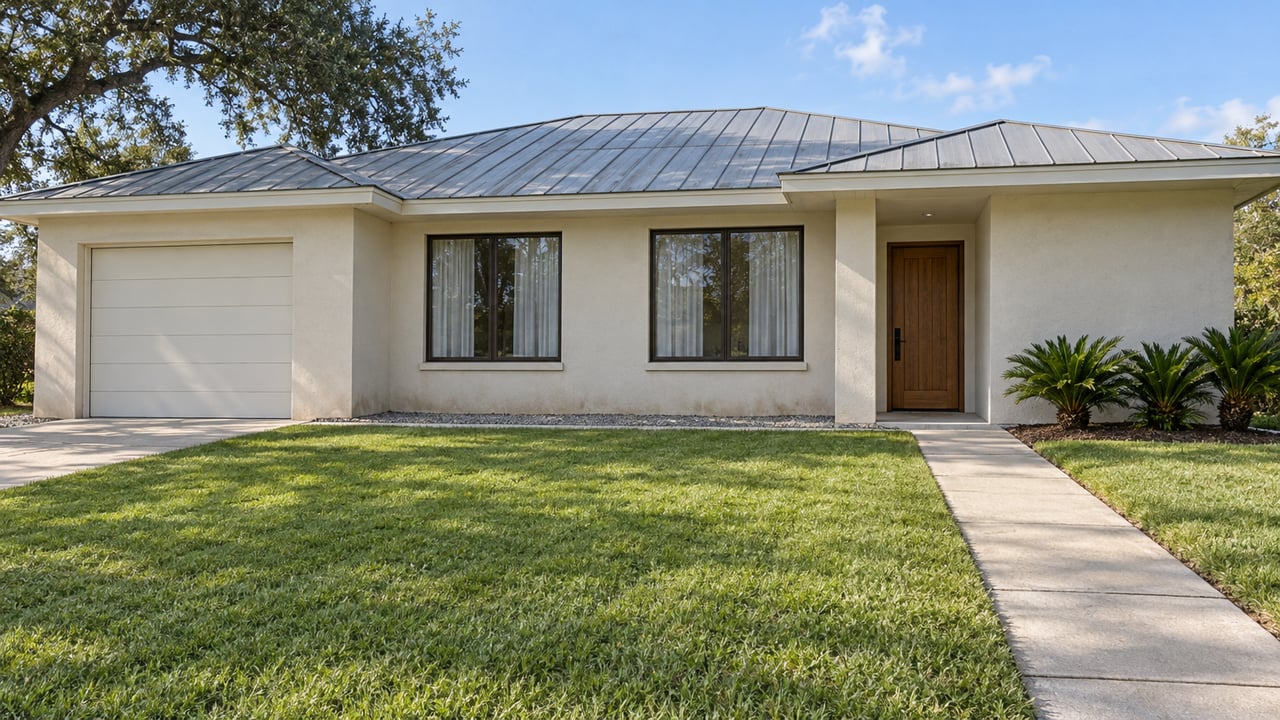
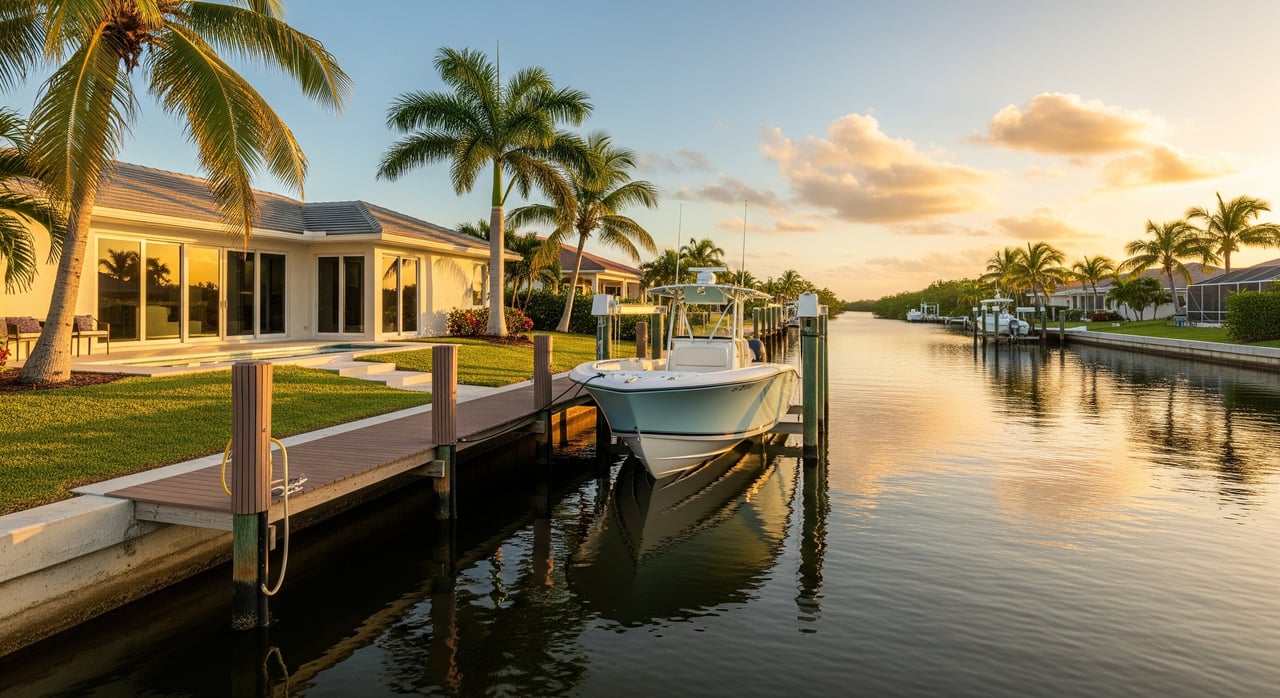
These canalized neighborhoods and small inlets connect to Gasparilla Sound and Charlotte Harbor. Most offerings are single‑family homes on dug canals with private docks, plus some estates on deeper natural channels. You get a lower cost of entry than barrier islands and quick inshore access for sheltered boating.
- Best for: small to midsize powerboats and bay boats, anglers who prioritize flats and sound fishing.
- Tradeoffs: many canals are tide‑dependent. Shallow draft, seasonal shoaling, and boat size limits may apply in certain pockets.
Boca Grande adjacency
Placida is the mainland gateway to Boca Grande, a world‑class tarpon destination at the mouth of Charlotte Harbor. Harbor‑frontage or pass‑oriented locations offer deeper water and faster Gulf access than typical interior canals. Proximity to island beaches and amenities is part of the appeal.
- Best for: near‑shore and offshore anglers who value quick runs through Boca Grande Pass.
- Tradeoffs: premium pricing and stricter rules on the island itself. Some island‑area properties may have utility or conservation constraints.
Charlotte Harbor and Gasparilla Sound estates
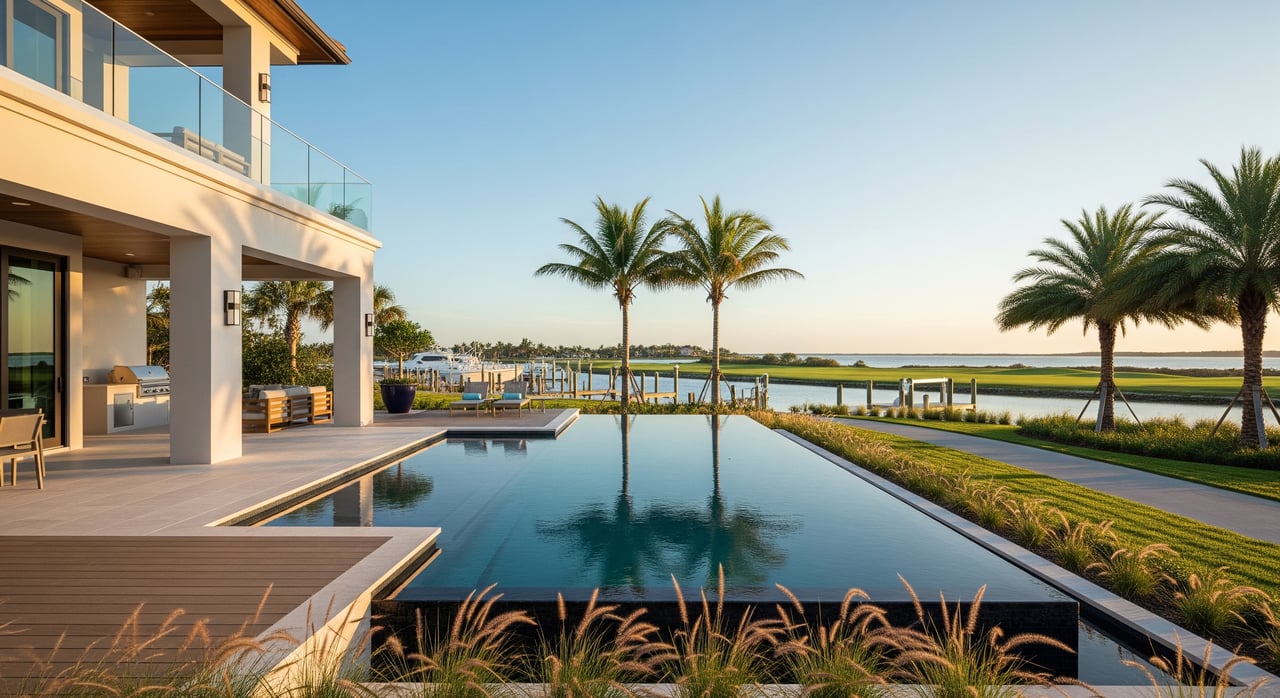
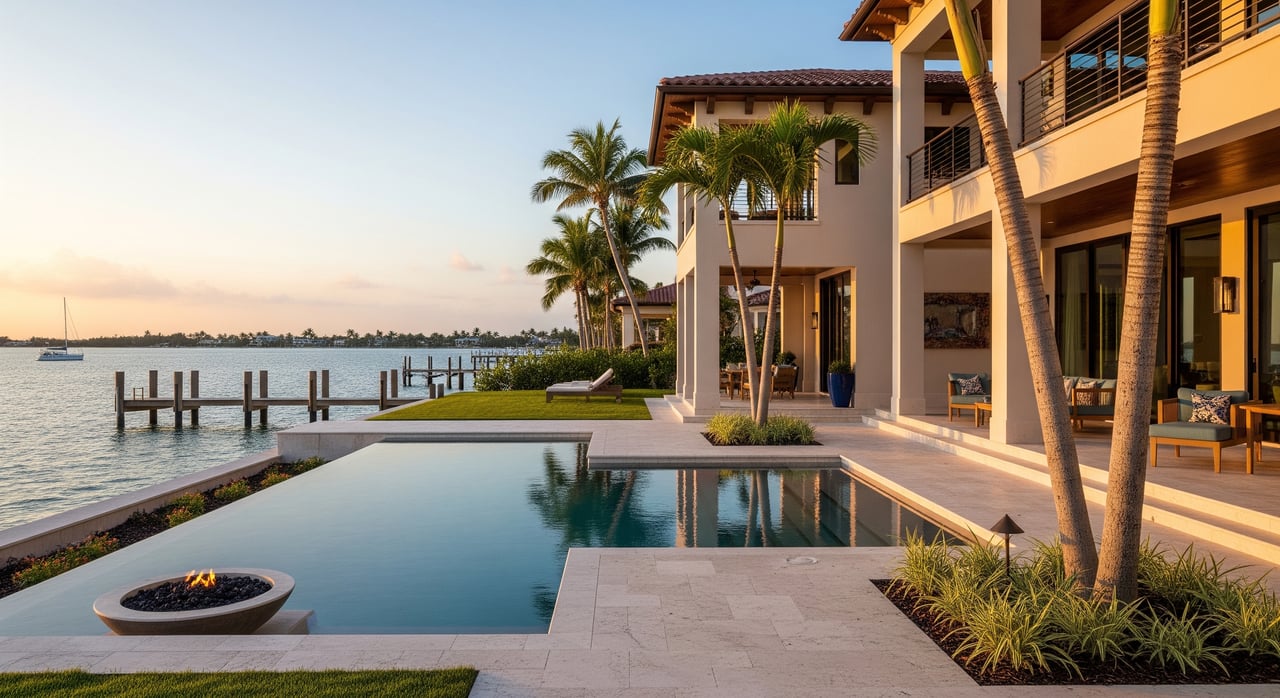
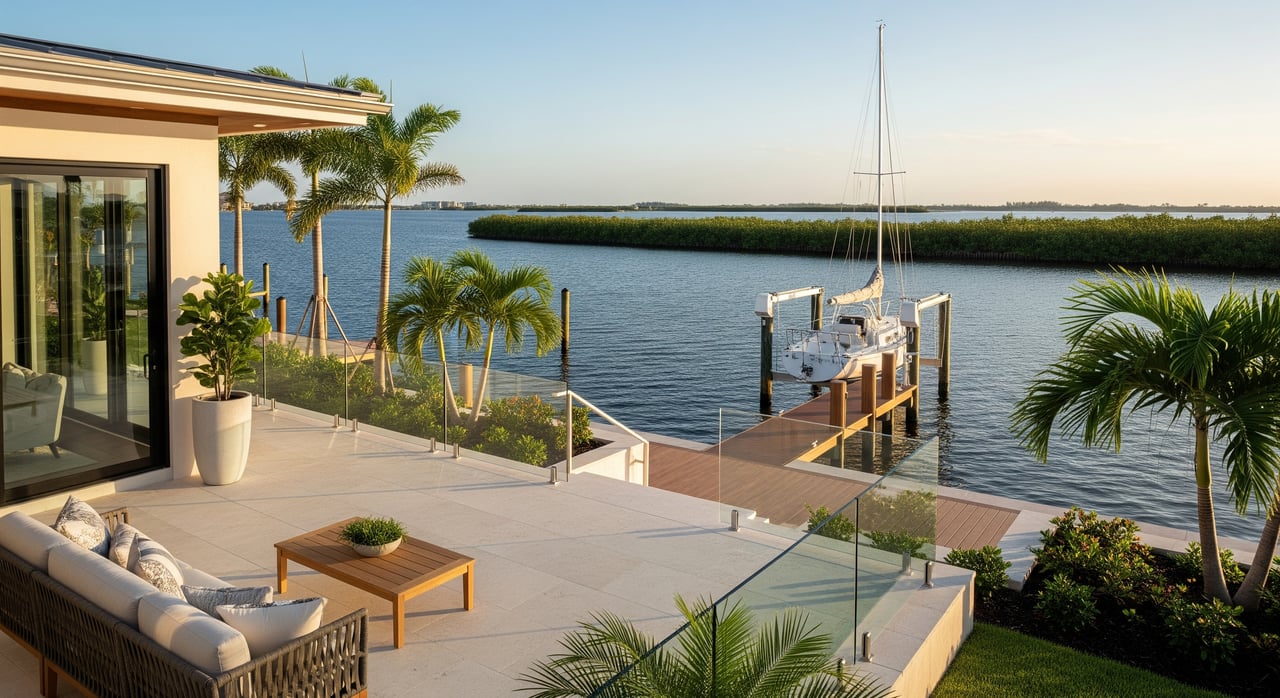
Open‑water lots on the harbor or sound deliver panoramic views and deeper water suitable for larger docks and vessels. Navigation to major channels is direct. The experience feels private and scenic compared to narrower canals.
- Best for: owners who need deep‑water access or prefer open‑water vistas.
- Tradeoffs: higher purchase and maintenance costs, plus greater wind and surge exposure during storms.
Condo and marina‑adjacent pockets
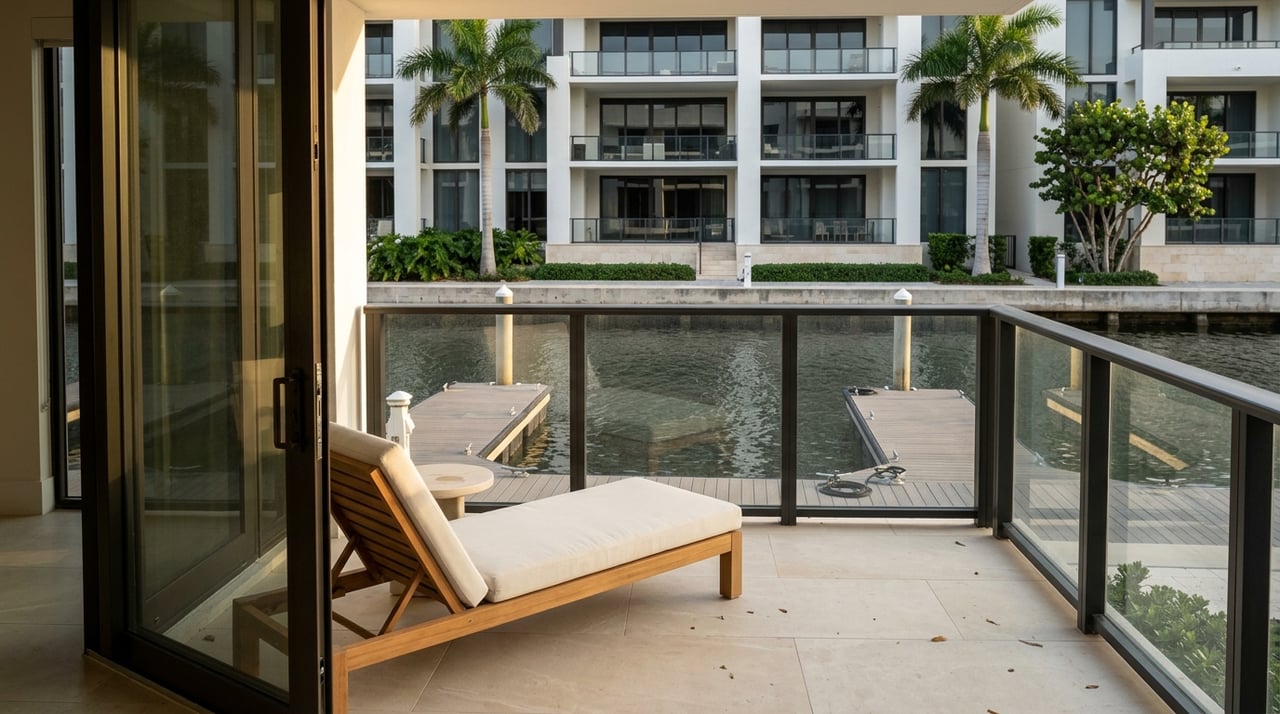
Placida and nearby Cape Haze include low‑rise condos, villas, and marina‑oriented properties. Shared docks, managed amenities, and the option to rent a slip make second‑home ownership easier. Many buyers choose these for lock‑and‑leave convenience.
- Best for: seasonal owners, downsizers, or anyone who wants minimal dock upkeep.
- Tradeoffs: association fees, boat size rules, limits on rentals, and potential special assessments.
Boat access and navigation
Boca Grande Pass and routes
Boca Grande Pass is the primary deep‑water outlet to the Gulf near Placida. It is the shortest route for near‑shore and offshore trips and a renowned tarpon fishery. If Gulf access is a top priority, verify distance and navigation from the property to the Pass.
Draft and canal depth
Many Placida canals and creeks are shallow and tide‑dependent. Depth can vary by neighborhood and season due to shoaling. Ask for recent depth or dredge data, tidal behavior, and neighbor boat drafts to understand real operating limits.
Bridges and causeway
The Boca Grande Causeway handles vehicle access to the barrier island. Waterway navigation relies on Boca Grande Pass and marked channels rather than passing under the causeway. Where fixed bridges exist, confirm vertical clearance and any opening schedules that could affect mast height or timing.
Marinas, fuel, and haul‑out
Local marinas in Placida, Boca Grande, and nearby Englewood provide fuel, transient slips, haul‑out, and service. For larger or offshore vessels, proximity to full‑service facilities can be decisive. If you prefer not to maintain a private lift, a marina‑oriented lifestyle may be ideal.
Protected zones and tides
Charlotte Harbor and adjacent waters include manatee protection areas, speed and wake zones, and seasonal closures. Tides and currents influence shallow passages and canal clearance. Plan routes with current nautical charts and posted regulations.
Ownership, permits, and insurance
HOAs and condo rules
Florida’s Condominium Act and HOA statutes set governance, budget, and disclosure standards. Before you contract, obtain the association documents, budgets, reserve studies, meeting minutes, rules on boats and rentals, and any pending litigation or assessments. These details affect both use and long‑term costs.
Docks, seawalls, and permits
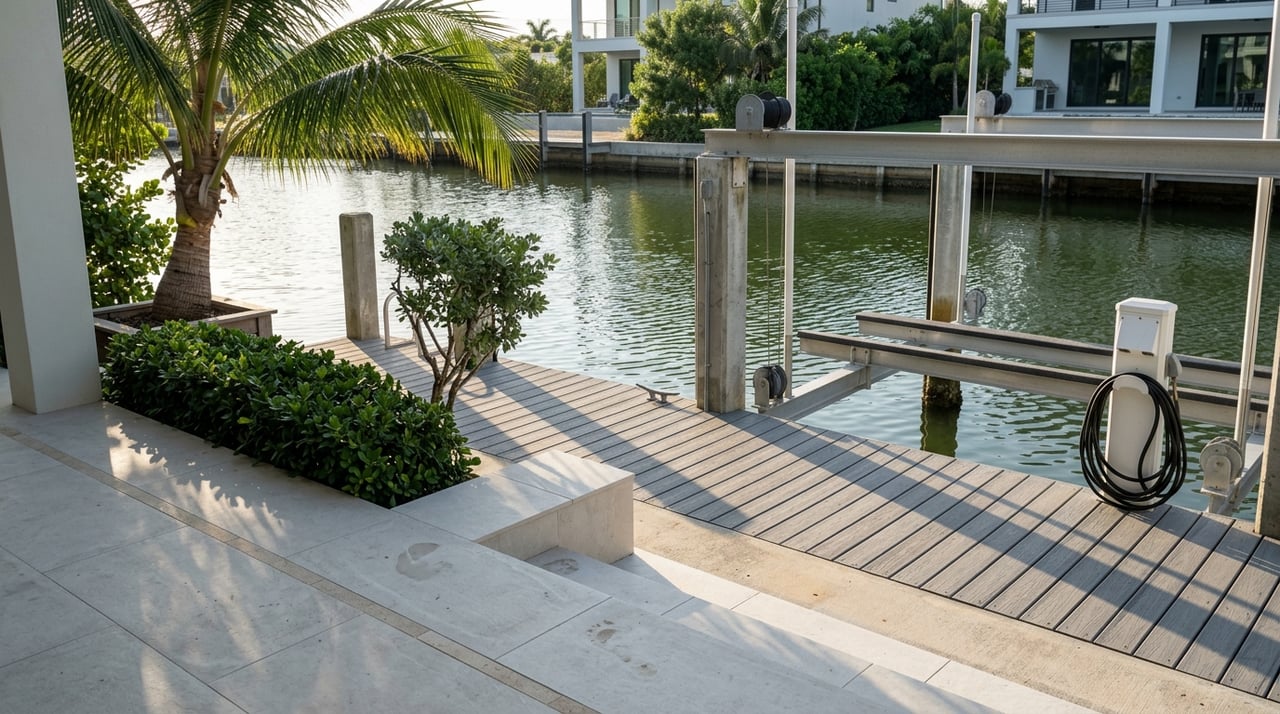
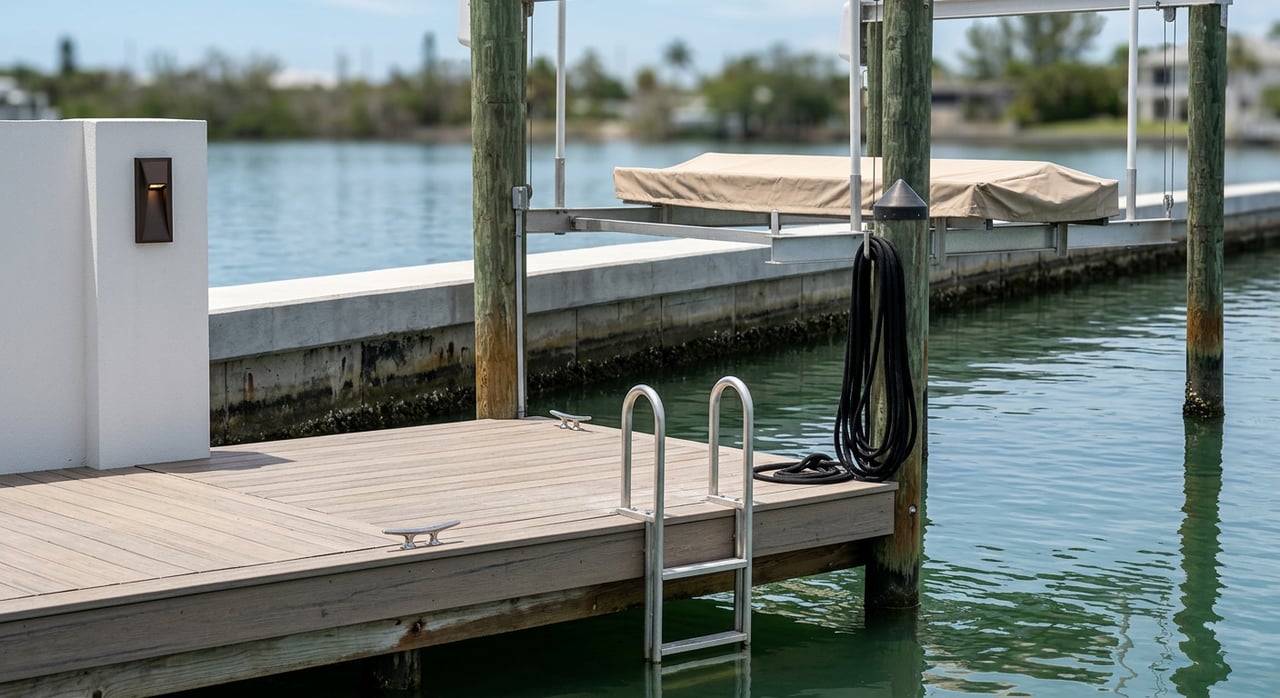
Docks, lifts, pilings, and seawalls often require permits from state and sometimes federal agencies, as well as county approvals. Certain docks may need a sovereign submerged lands lease for structures over state‑owned bottoms. Confirm that existing improvements were permitted, and clarify whether any elements are grandfathered.
Flood and wind insurance
Placida is low‑lying coastal Florida, so flood risk and premiums can be significant. Review FEMA flood maps, request an elevation certificate, and obtain quotes from the National Flood Insurance Program and private carriers. Lenders usually require flood coverage for properties in Special Flood Hazard Areas. Also confirm windstorm coverage, deductibles, and limits for docks and seawalls.
Rentals and local rules
Some communities restrict short‑term rentals or require longer minimum stays. Charlotte County rules may also apply. If you plan to rent, verify association covenants, local regulations, and any tax or registration requirements before you buy.
Property styles and buyer fit
Common waterfront styles
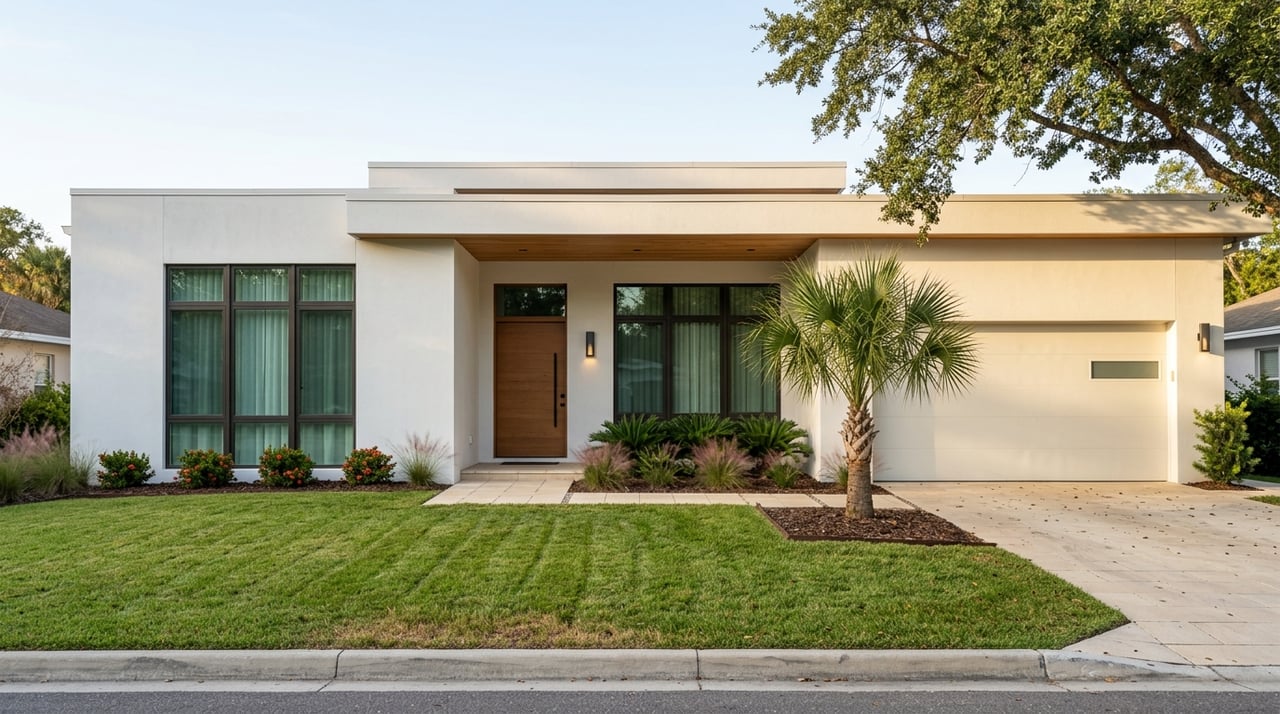
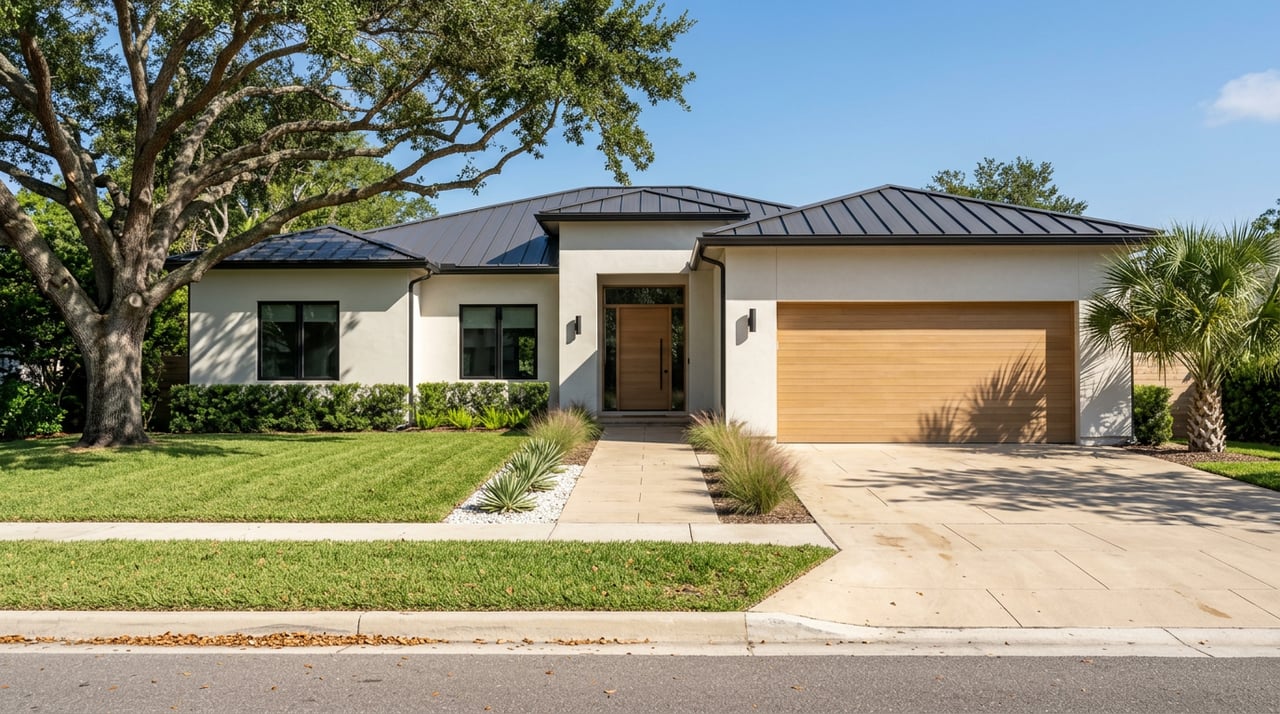
- Modest cottages and bungalows with functional lifts for anglers and early‑stage buyers.
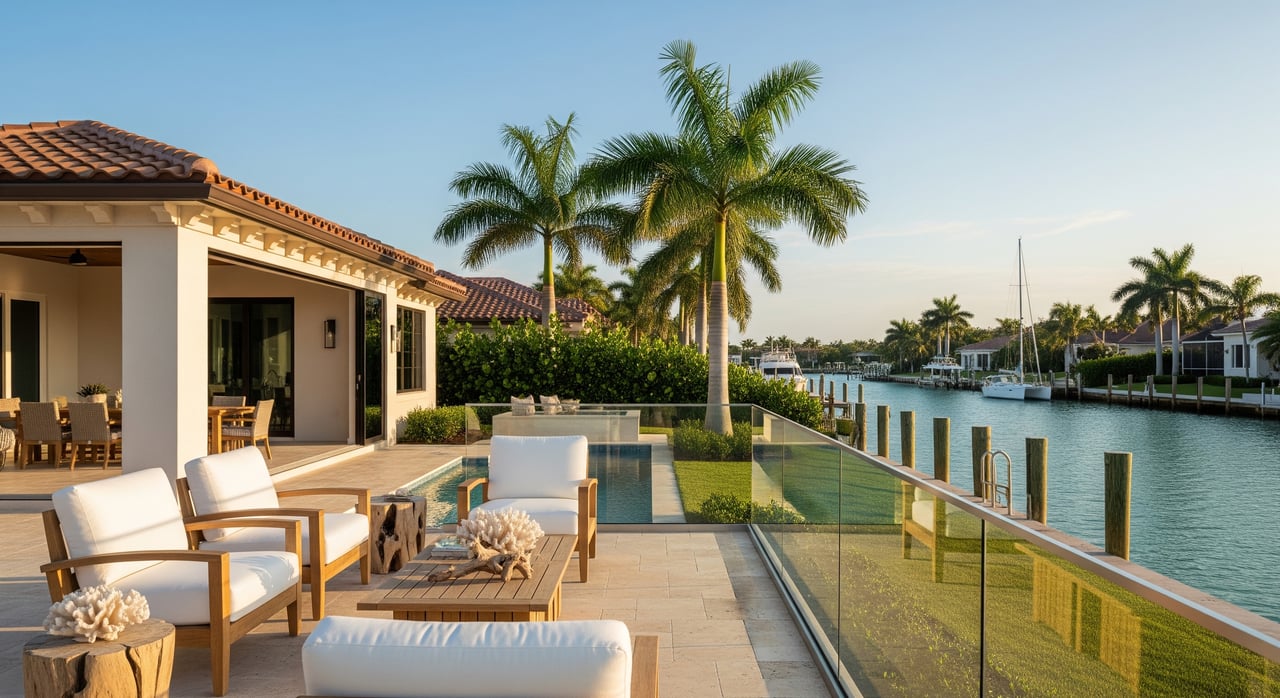
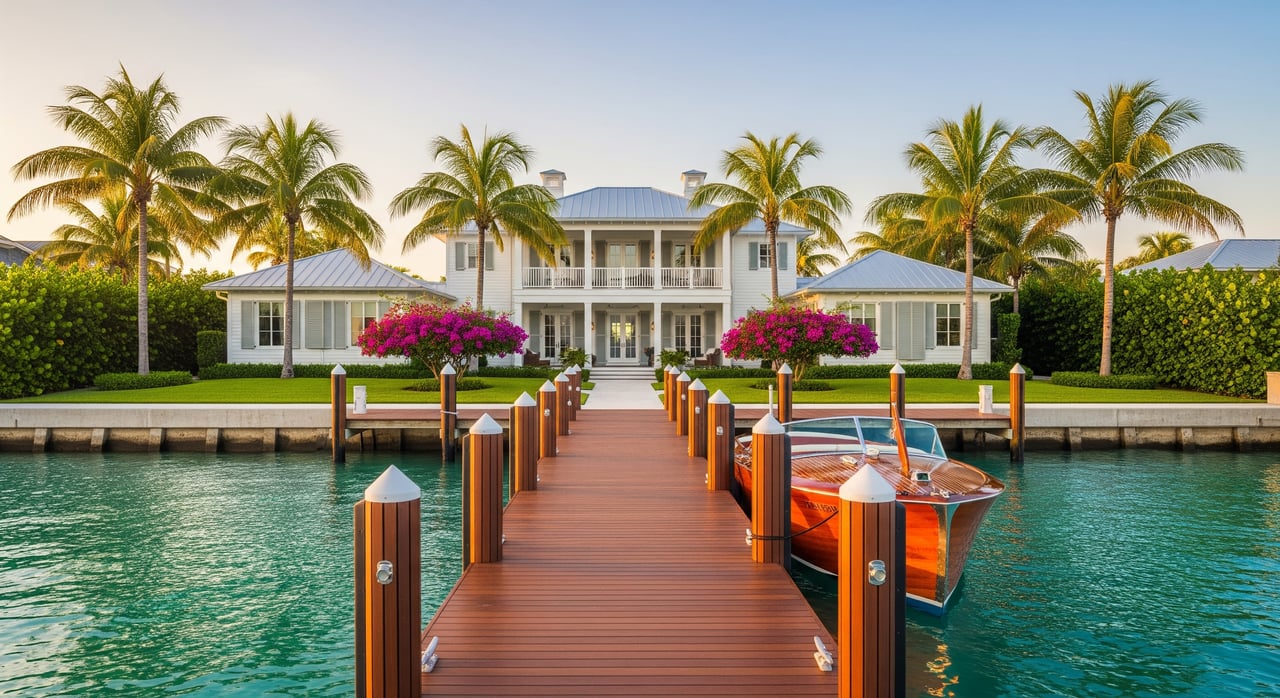
- Renovated Key West or Caribbean‑influenced homes with porches and elevated foundations.
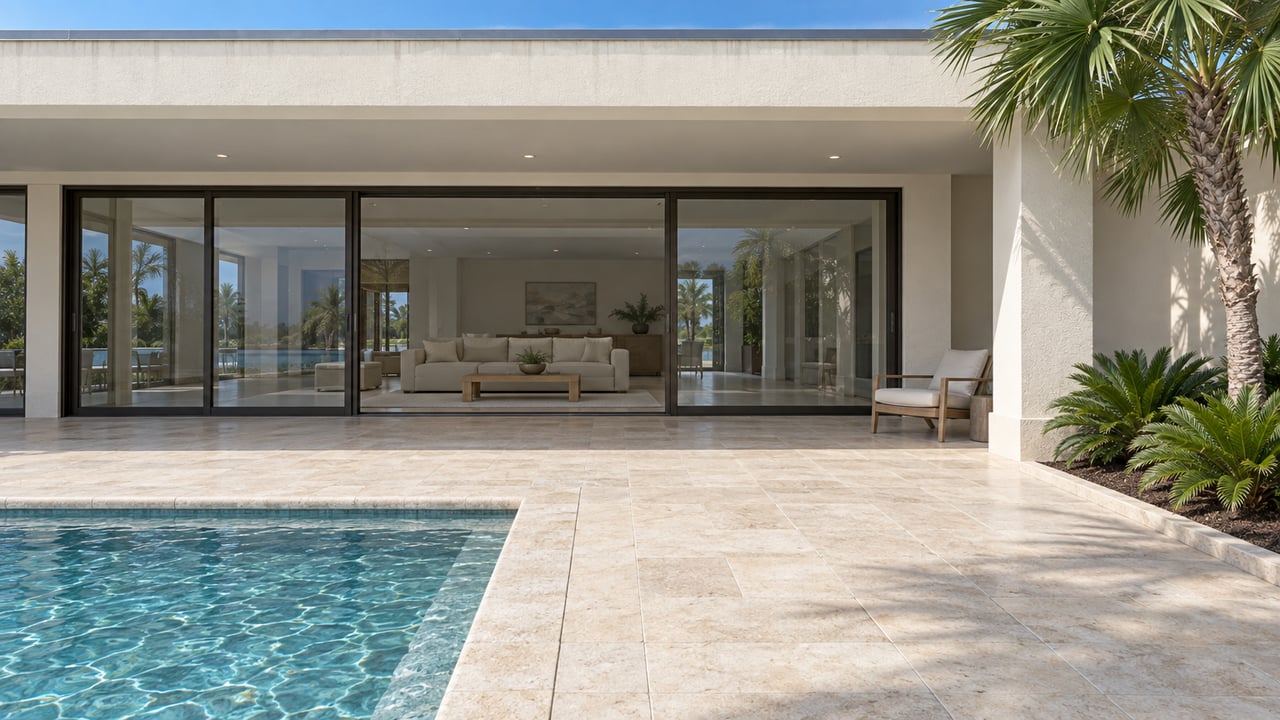
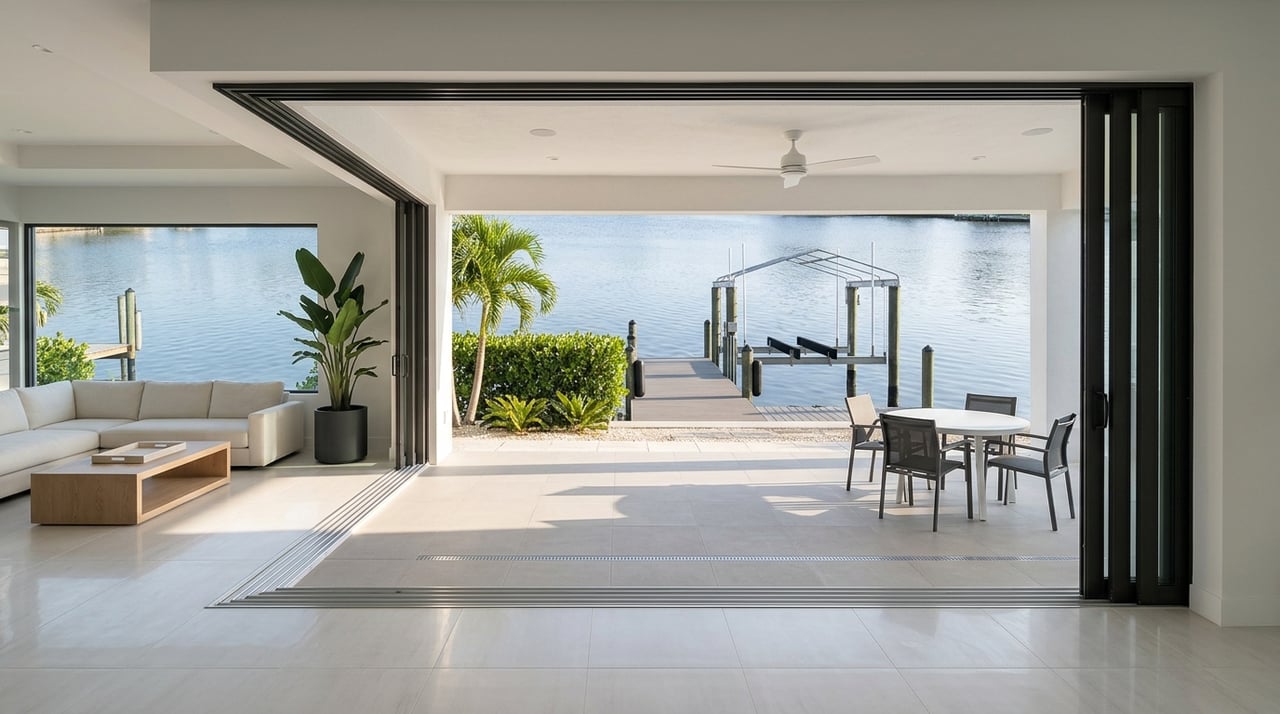
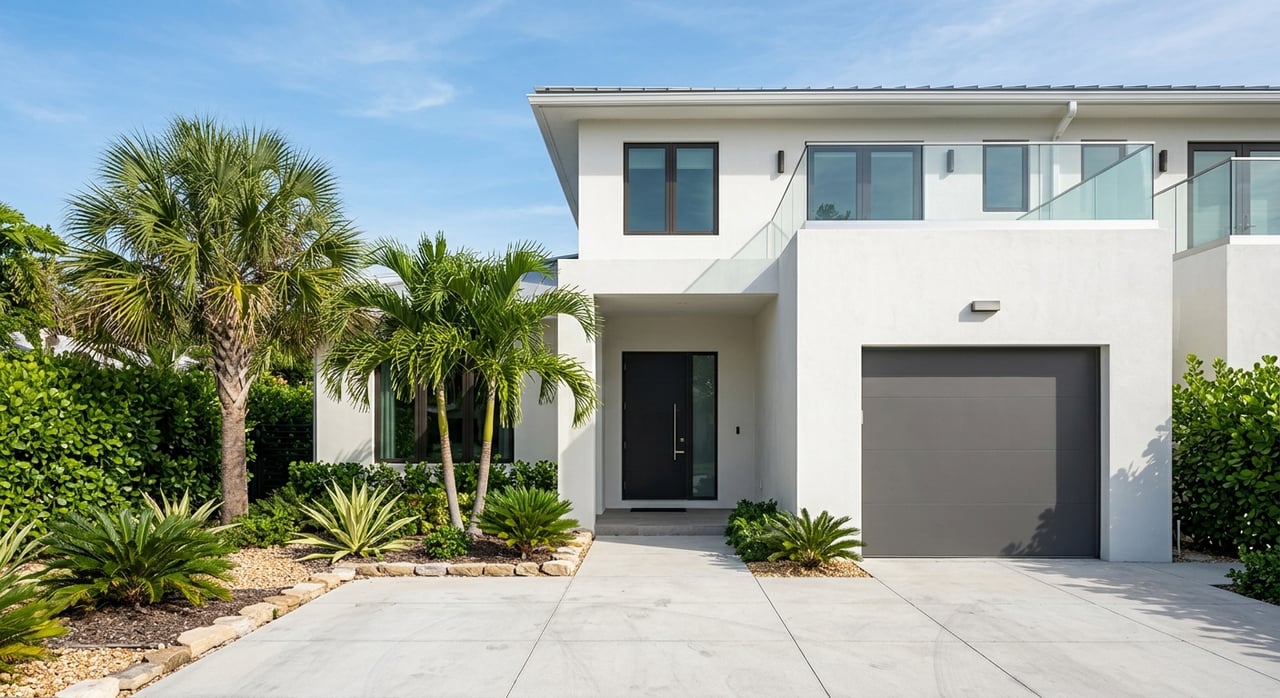
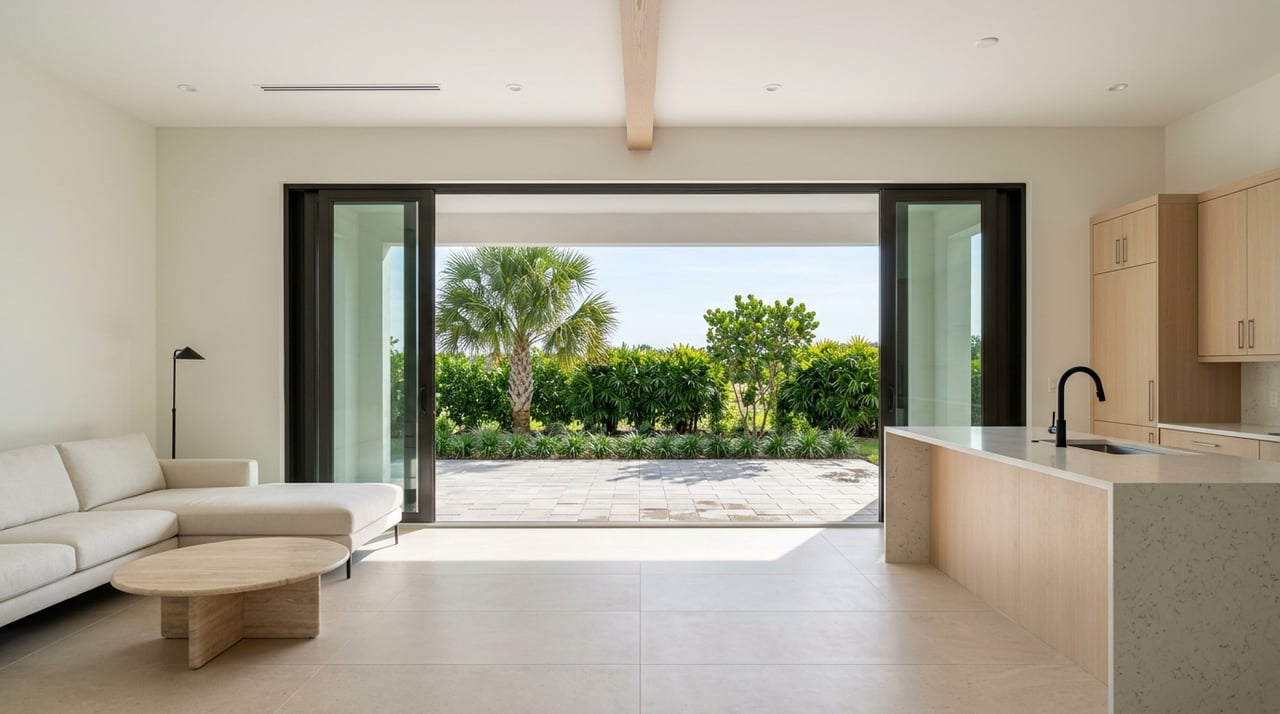
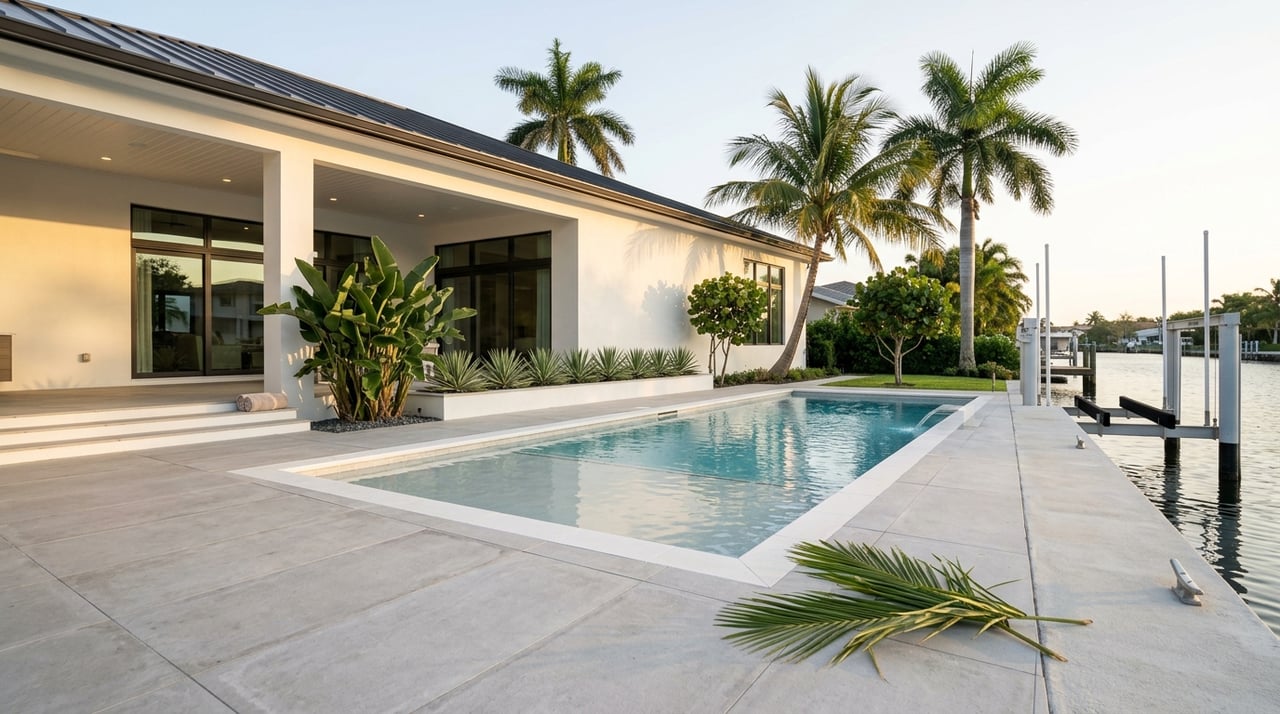
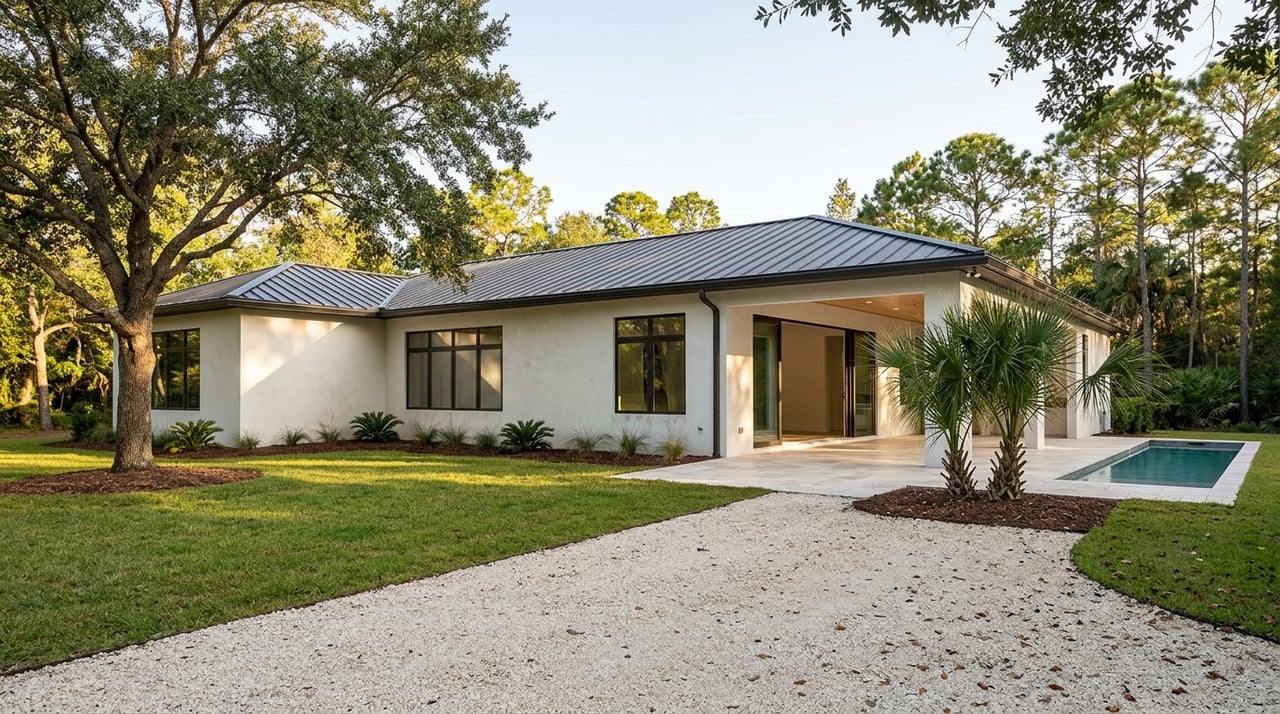
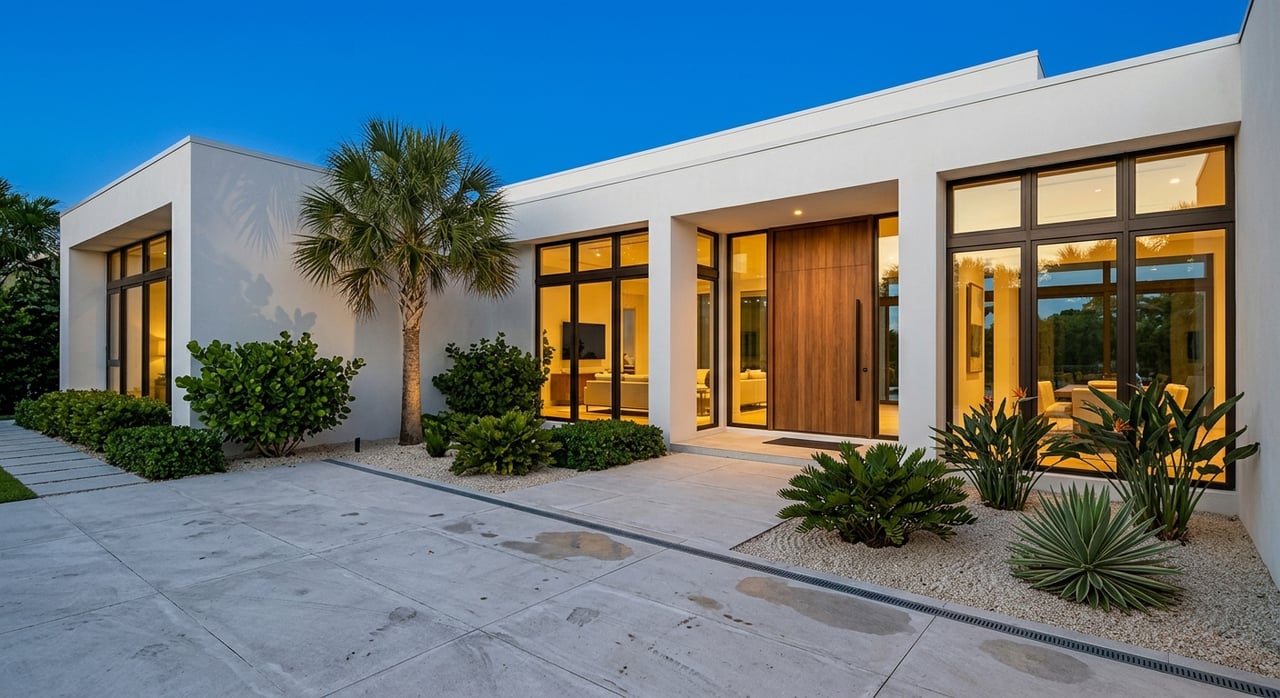
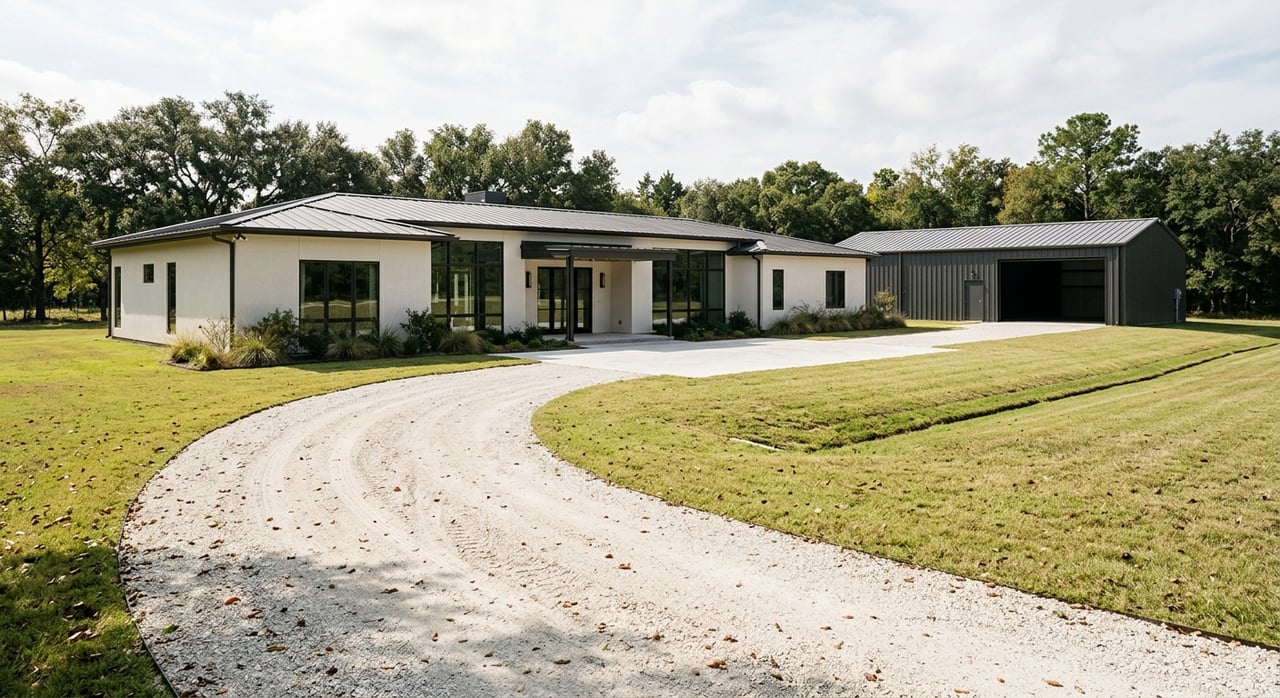
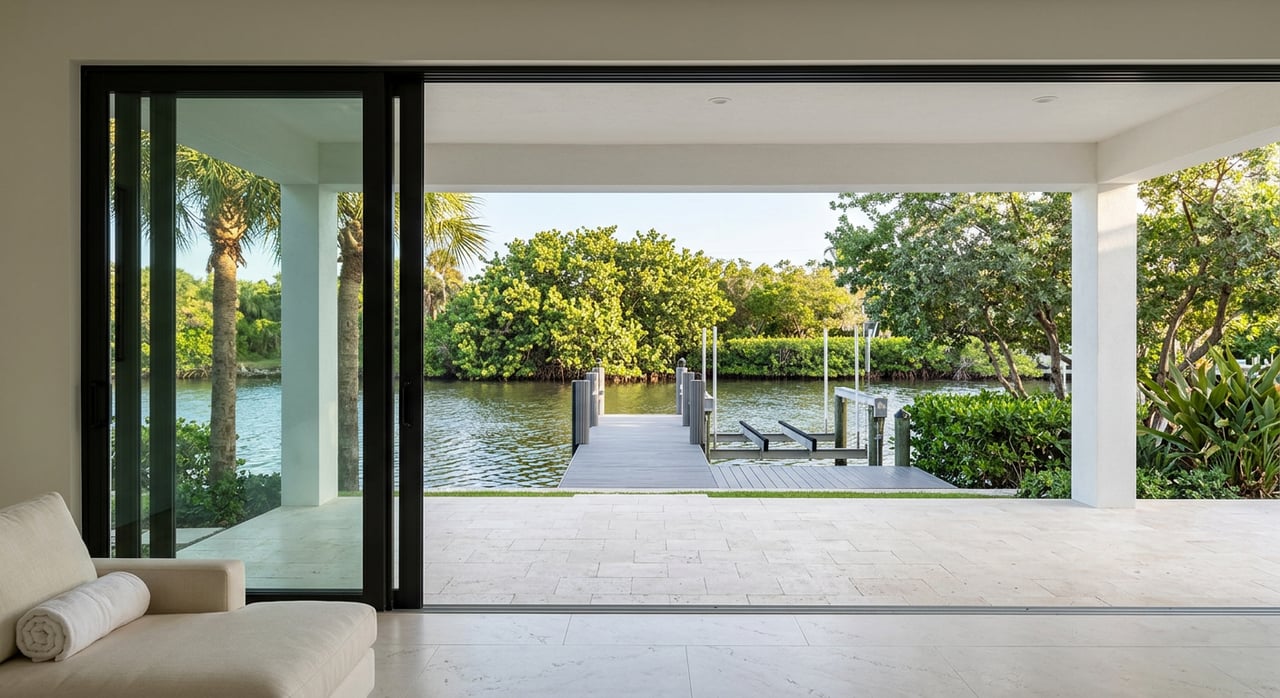
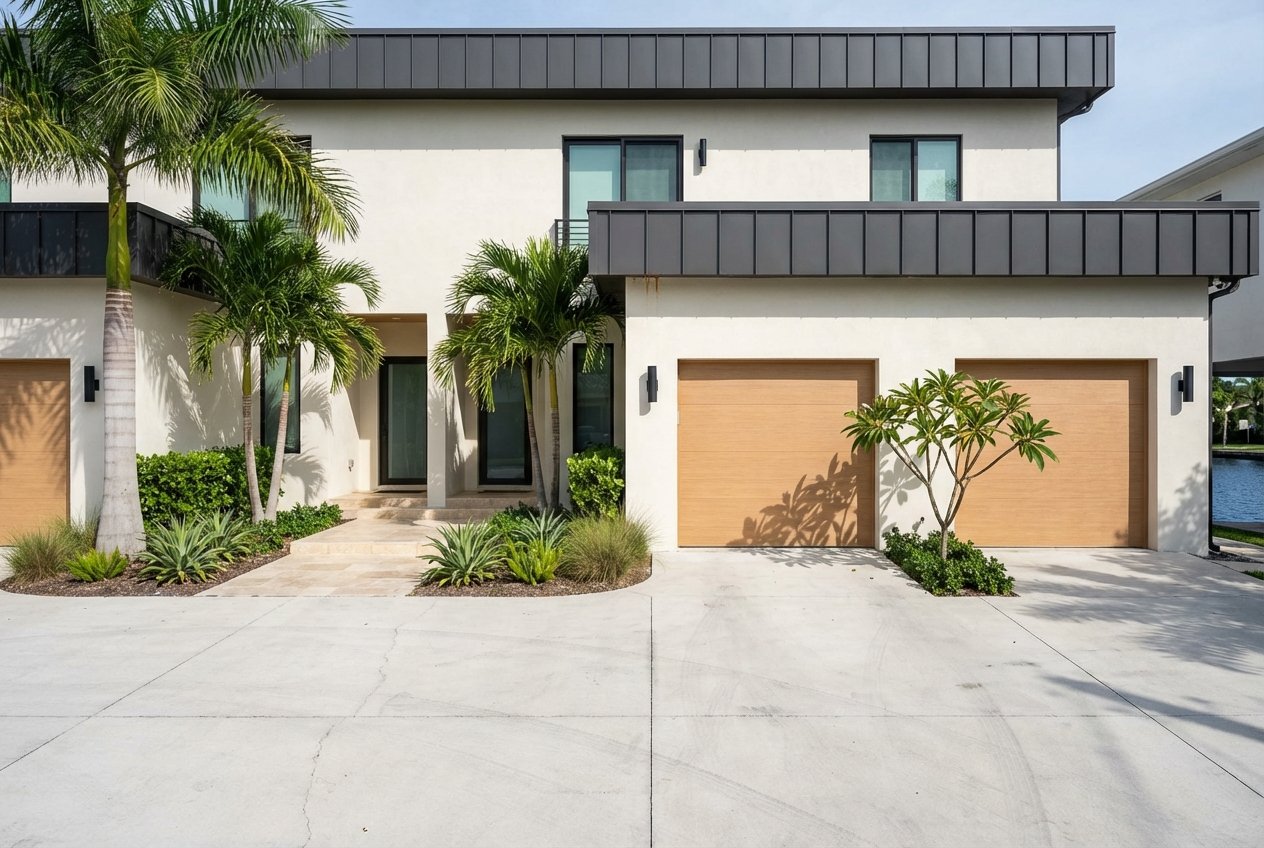
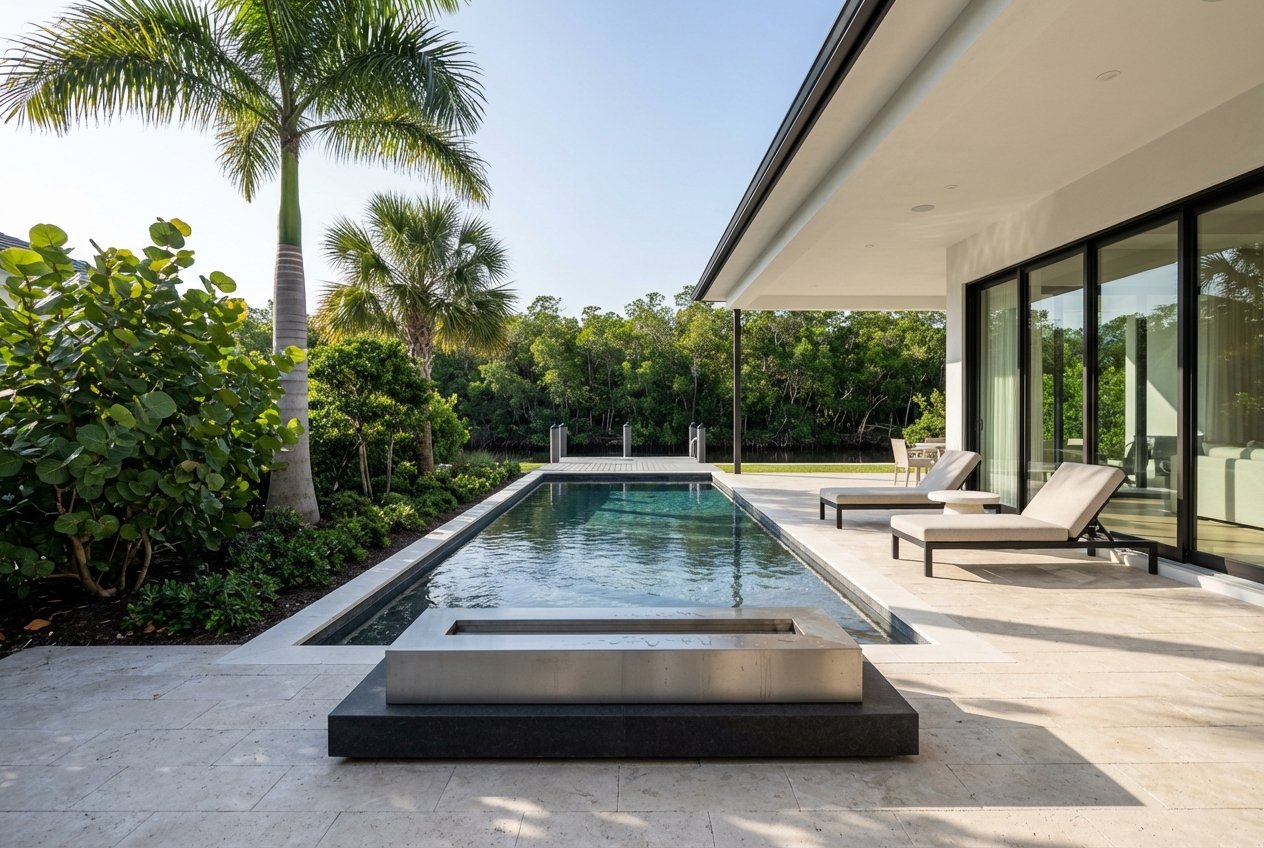
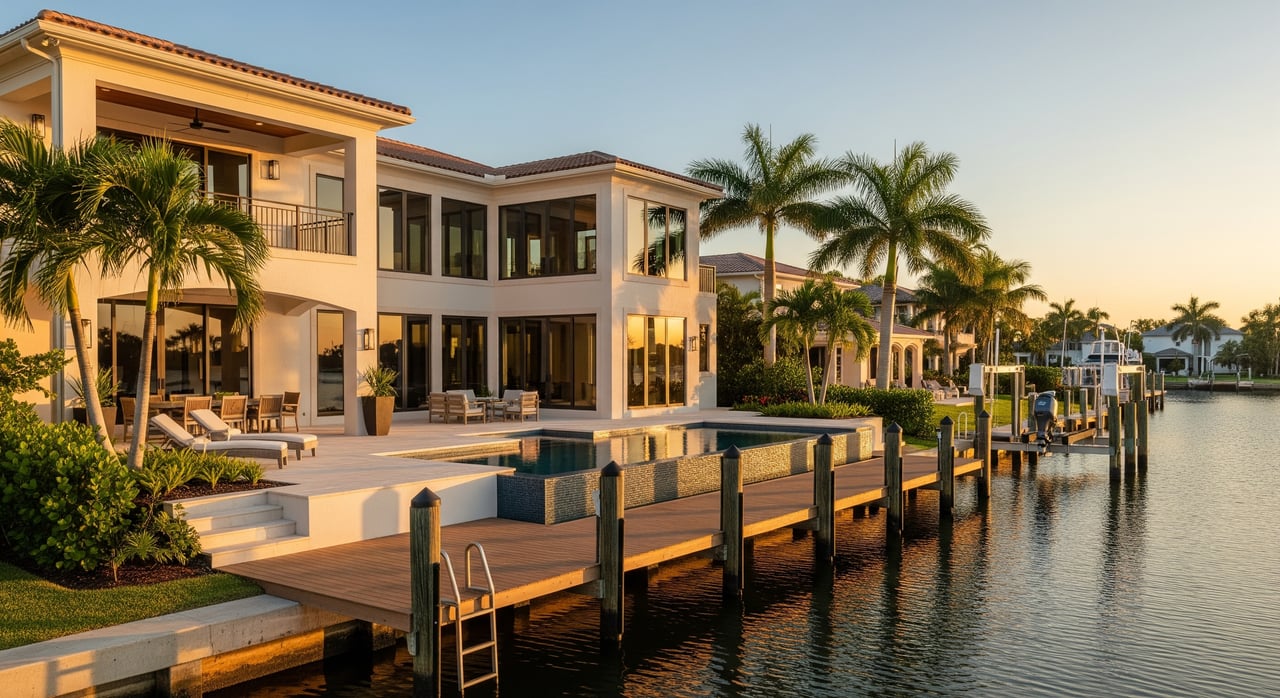
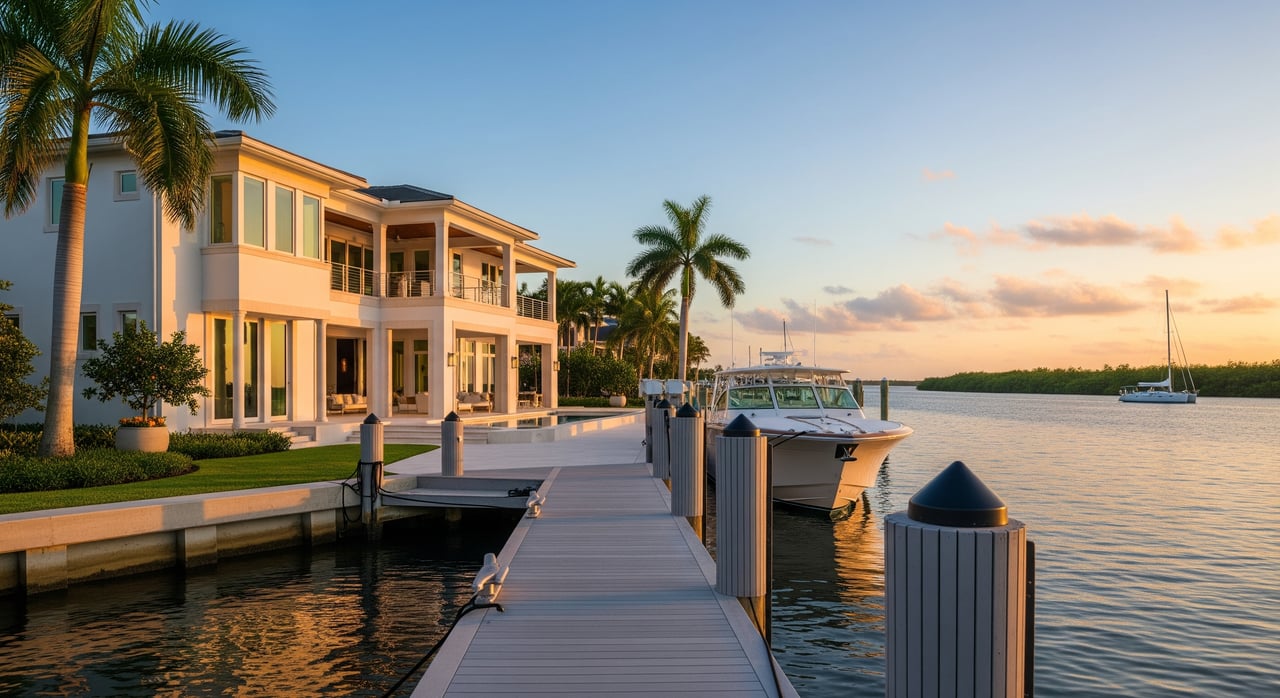
- Contemporary luxury builds on pilings or elevated slabs designed for larger vessels where depth allows.
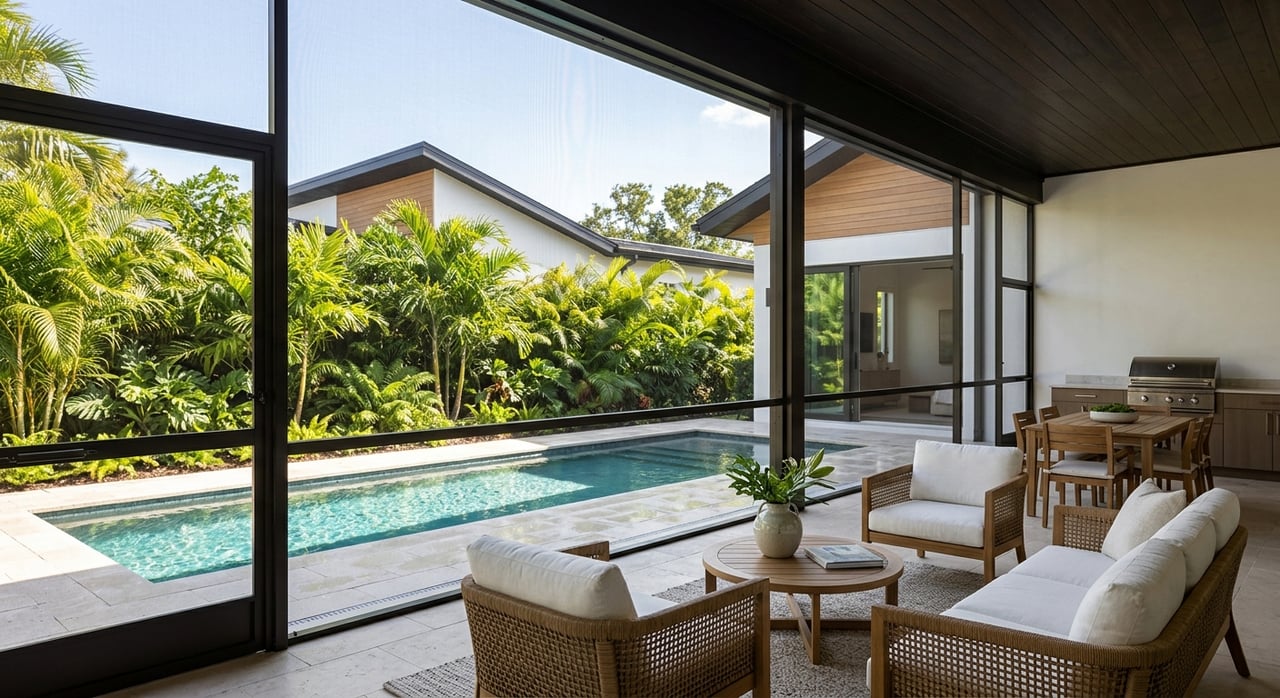
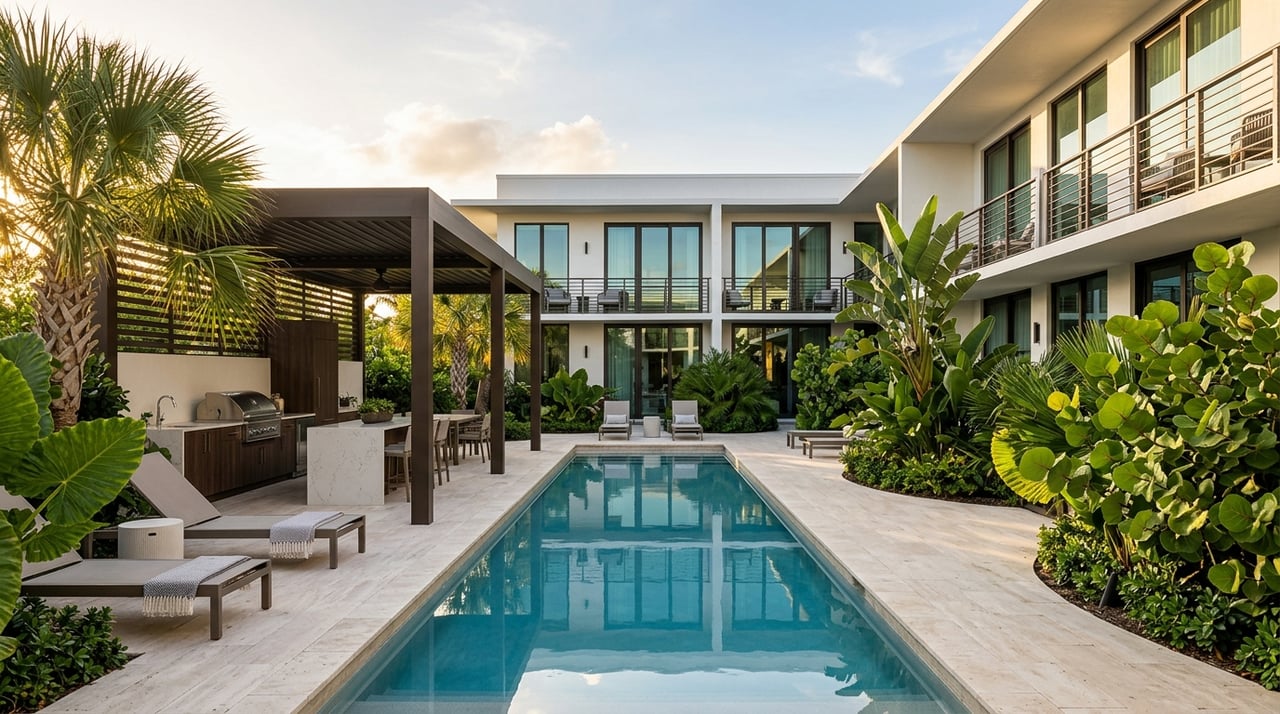
- Low‑rise condos and villas with shared docks and marina access.
Who each area suits
- Canal buyers: You want everyday convenience, value, and easy runs to inshore flats. Draft matters more than top speed.
- Pass‑oriented buyers: You value fast Gulf access for near‑shore or offshore days and accept premium pricing.
- Harborfront buyers: You want deep water, larger docks, and big views, and you are comfortable with higher maintenance.
- Condo and marina buyers: You prefer lock‑and‑leave ownership and shared upkeep over private dock maintenance.
Mainland vs island adjacency
Barrier‑island proximity
- Pros: shorter run to the Gulf, access to island amenities and beaches, world‑class tarpon fishery.
- Cons: higher acquisition cost, stricter conservation and beach rules, limited supply, and potentially higher operating costs.
Mainland Placida and Cape Haze
- Pros: broader price ranges, sheltered waters for inshore boating, often larger lots, and flexibility for upgrades subject to permits.
- Cons: some canals can be shallow and restrict larger boats, with longer runs to the Gulf from interior locations.
Buyer due‑diligence checklist
Use this list to gather facts early and avoid surprises:
- Waterway type and depth: canal, creek, sound, or harbor, plus recent depth or dredge data and tidal behavior.
- Dock and seawall: age, condition, permit history, and whether any submerged lands lease applies.
- Flood details: FEMA flood zone, elevation certificate, and flood insurance quote options.
- Association documents: budgets, reserves, minutes, boat and rental rules, and any special assessments.
- Insurance: home, windstorm, and flood quotes, including dock and seawall coverage and exclusions.
- Marinas: proximity, fuel, haul‑out, and slip availability for your vessel size.
- Boating rules: manatee protection areas, speed zones, and seasonal closures in your navigation plan.
- Permitting timeline: realistic costs and timing for dock upgrades or seawall work you intend to complete.
Next steps
The right Placida waterfront choice comes down to your boating habits, vessel draft, and comfort with open water versus protected canals. If you want the shortest run to the Gulf, prioritize harborfront or pass‑proximate locations. If you value quiet inshore days and a lower cost of entry, canal neighborhoods may be perfect. For minimal upkeep, condo and marina‑adjacent options can simplify ownership.
If you would like tailored guidance, market comps, and a property shortlist that matches your boating needs and insurance goals, connect with Carla Nix. You will get boutique‑level service with national luxury reach and a team that knows these waters well.
FAQs
What are the main waterfront areas in Placida?
- The primary micro‑markets include Cape Haze and Placida canals, Boca Grande‑adjacent properties, Charlotte Harbor or Gasparilla Sound estates, and select condo and marina‑oriented communities.
How fast can I reach the Gulf from Placida?
- It depends on your location and boat speed. Properties near Charlotte Harbor or close to Boca Grande Pass usually offer the quickest runs compared to interior canals.
Can I keep a 30–40 ft boat at a canal home?
- Possibly, but you must verify canal depth, width, tidal swing, and any HOA rules, along with permits for dock or lift capacity. Recent depth data and neighbor boat drafts are helpful.
Do I need permits for dock repairs or new lifts?
- Most marine work requires permits from state and local authorities, and sometimes federal review. Some docks also require a submerged lands lease. Always confirm existing permit history.
How do flood zones affect costs in Placida?
- Flood zone, elevation, and mitigation features drive insurance pricing. Request an elevation certificate and quotes from both the NFIP and private insurers to compare options.
Are short‑term rentals allowed in Placida waterfront communities?
- Rules vary by community and county. Review HOA or condo documents for rental limits and confirm any local licensing or tax requirements before planning rentals.