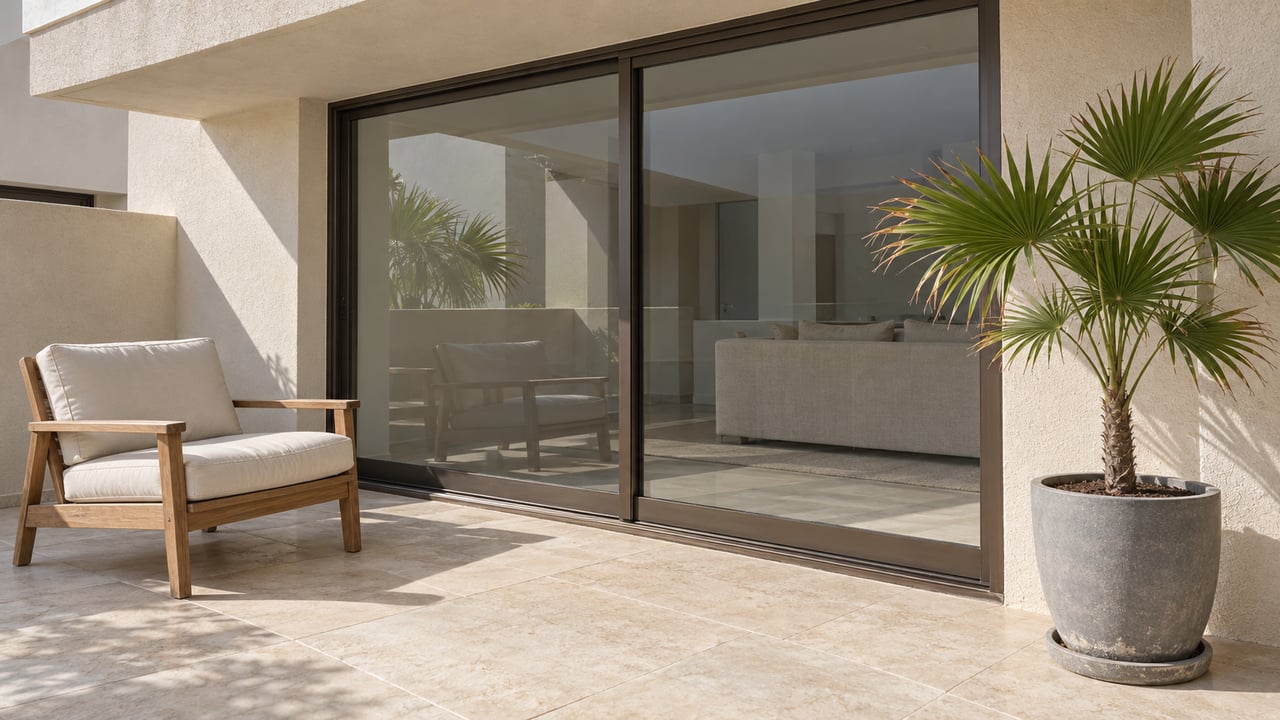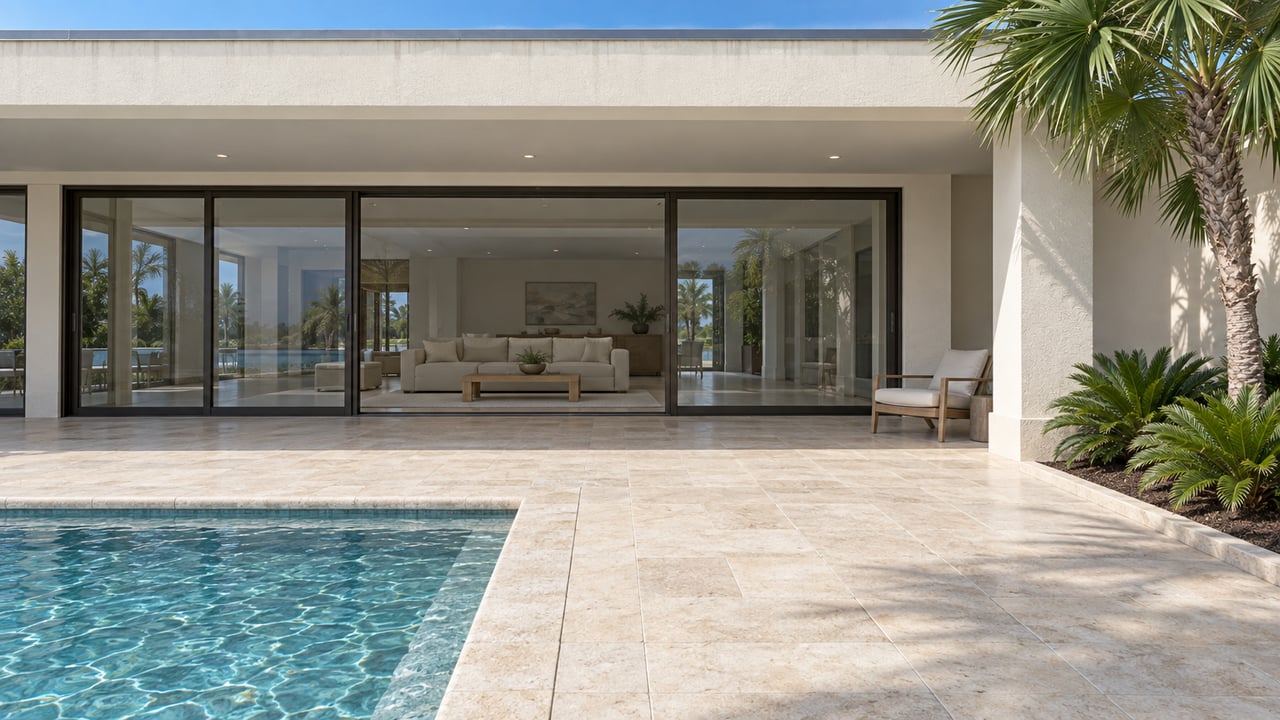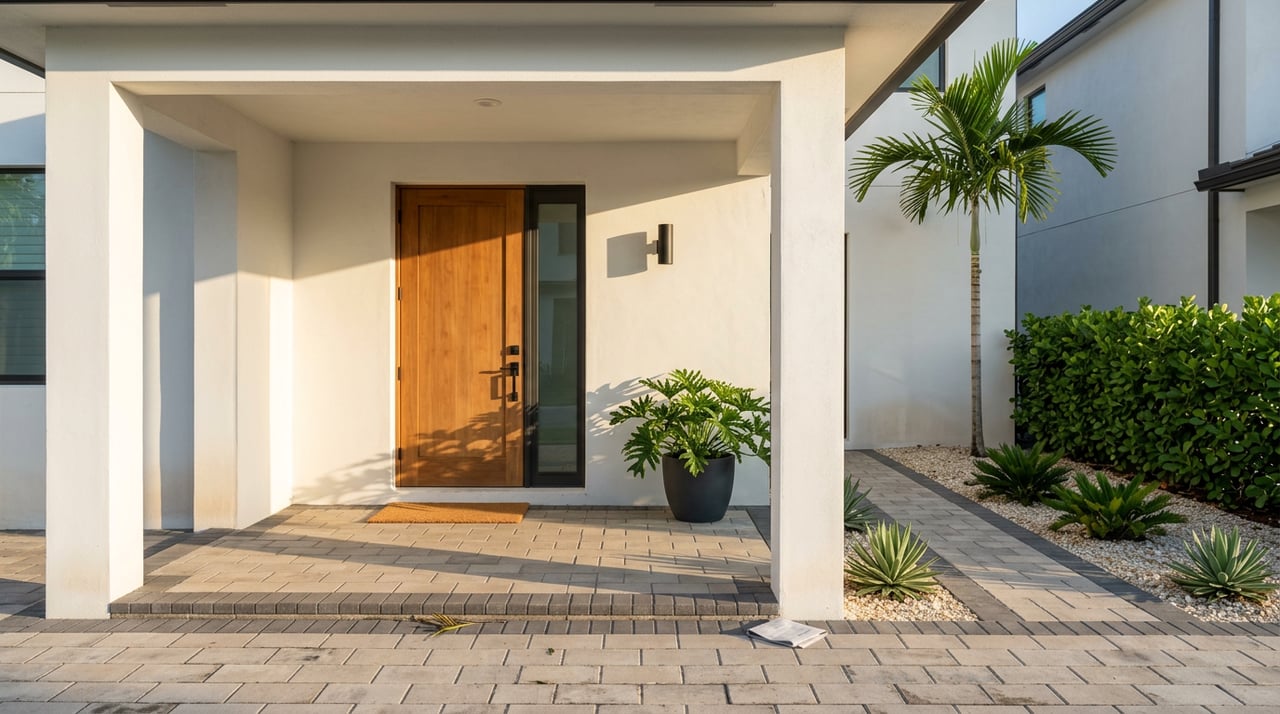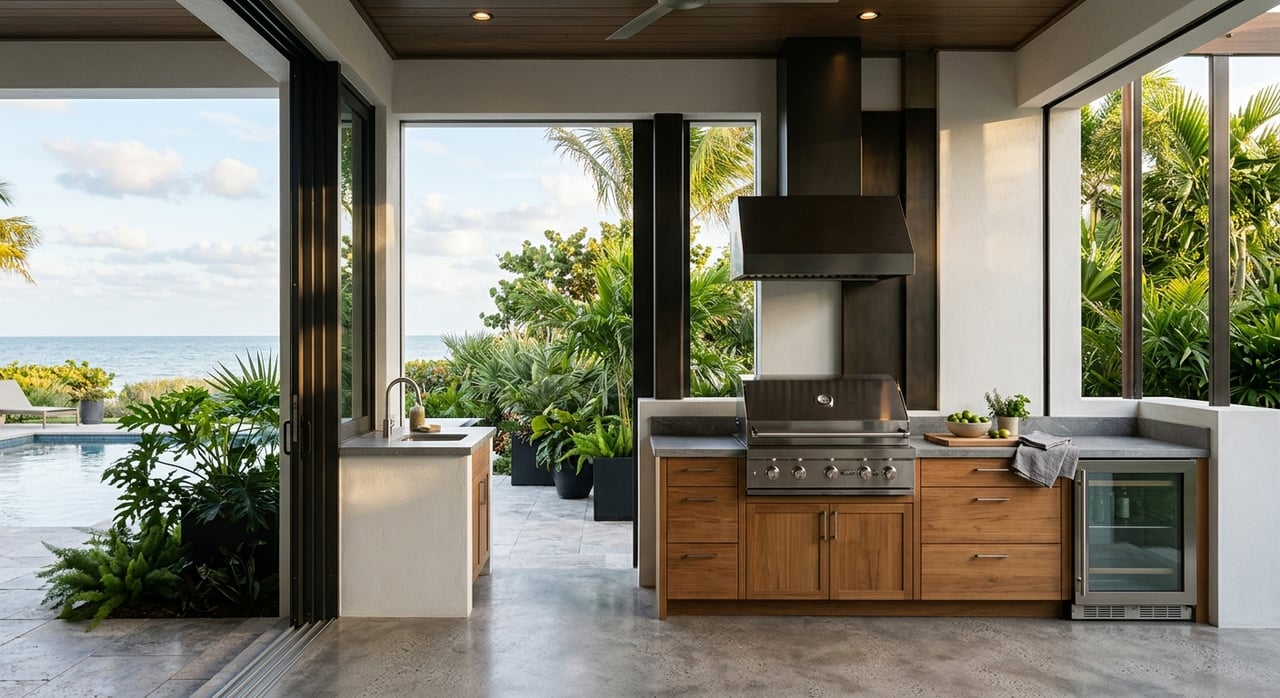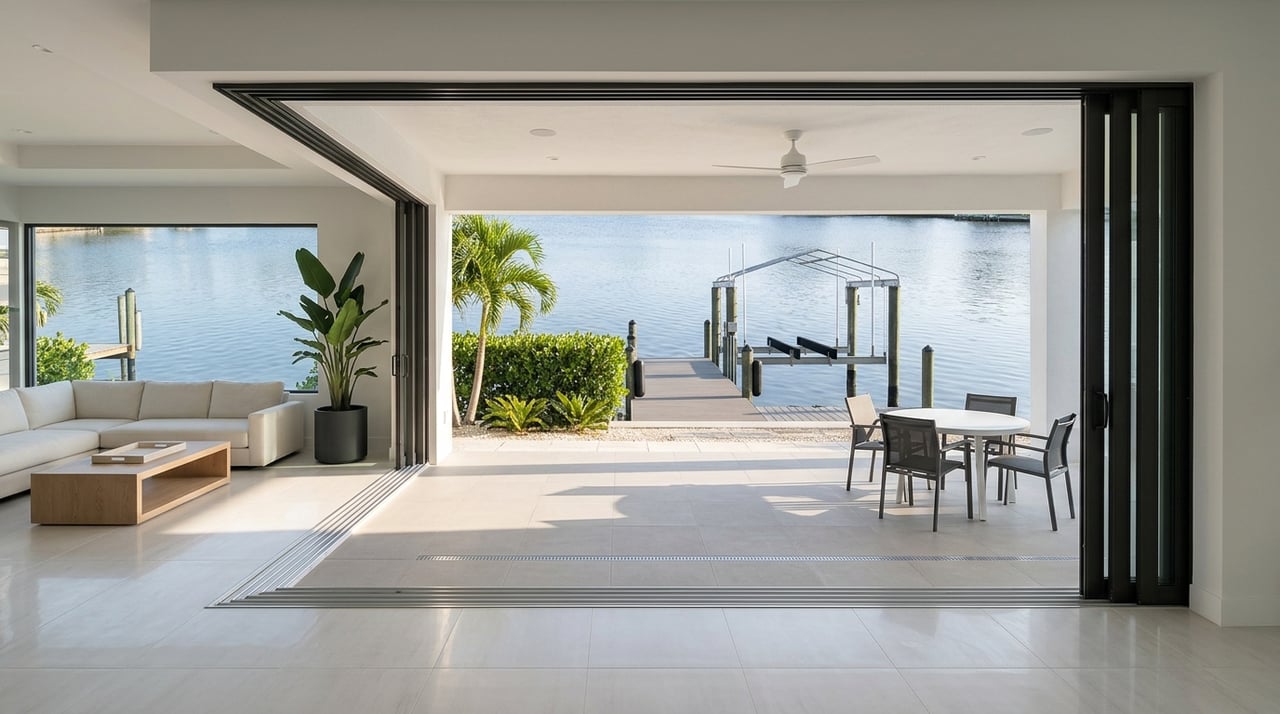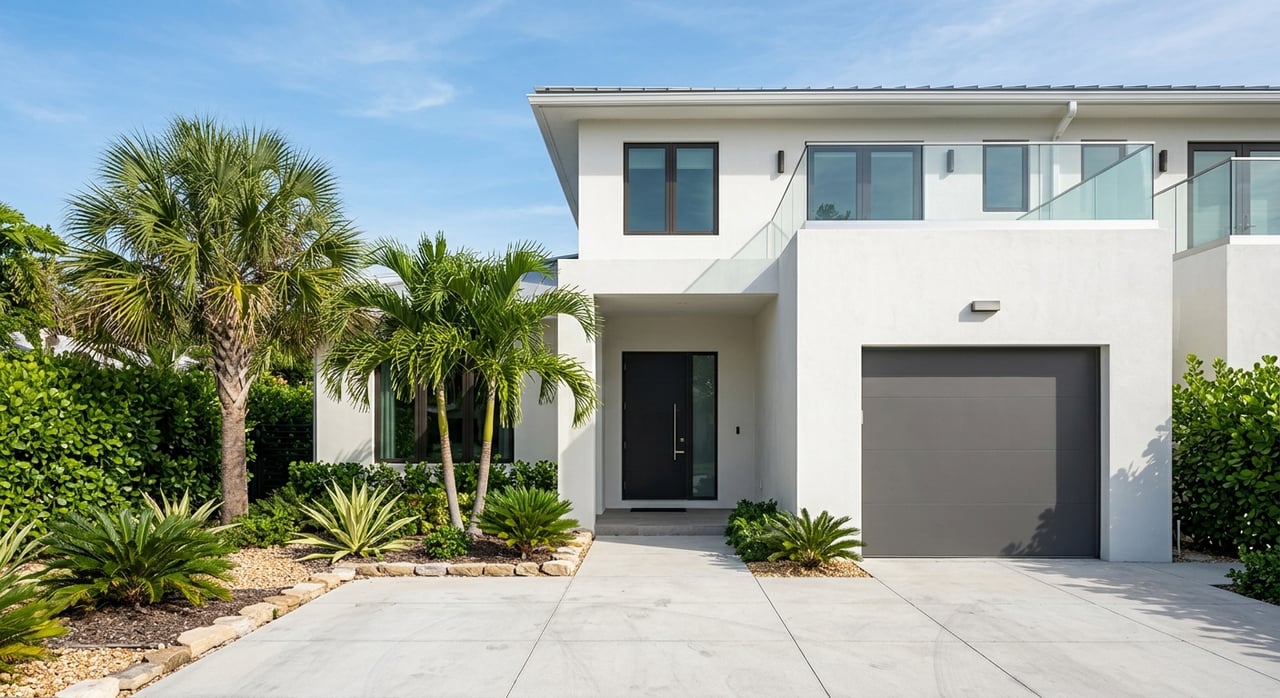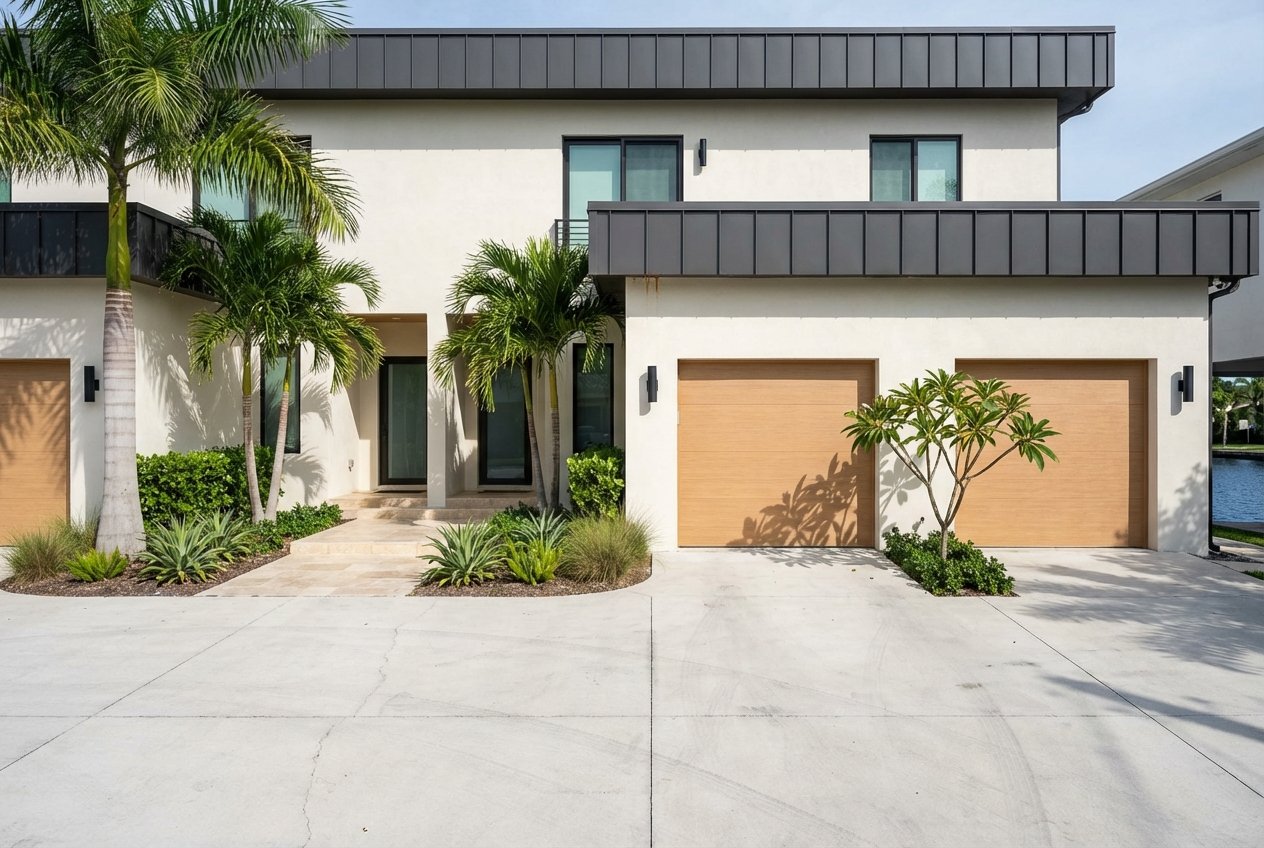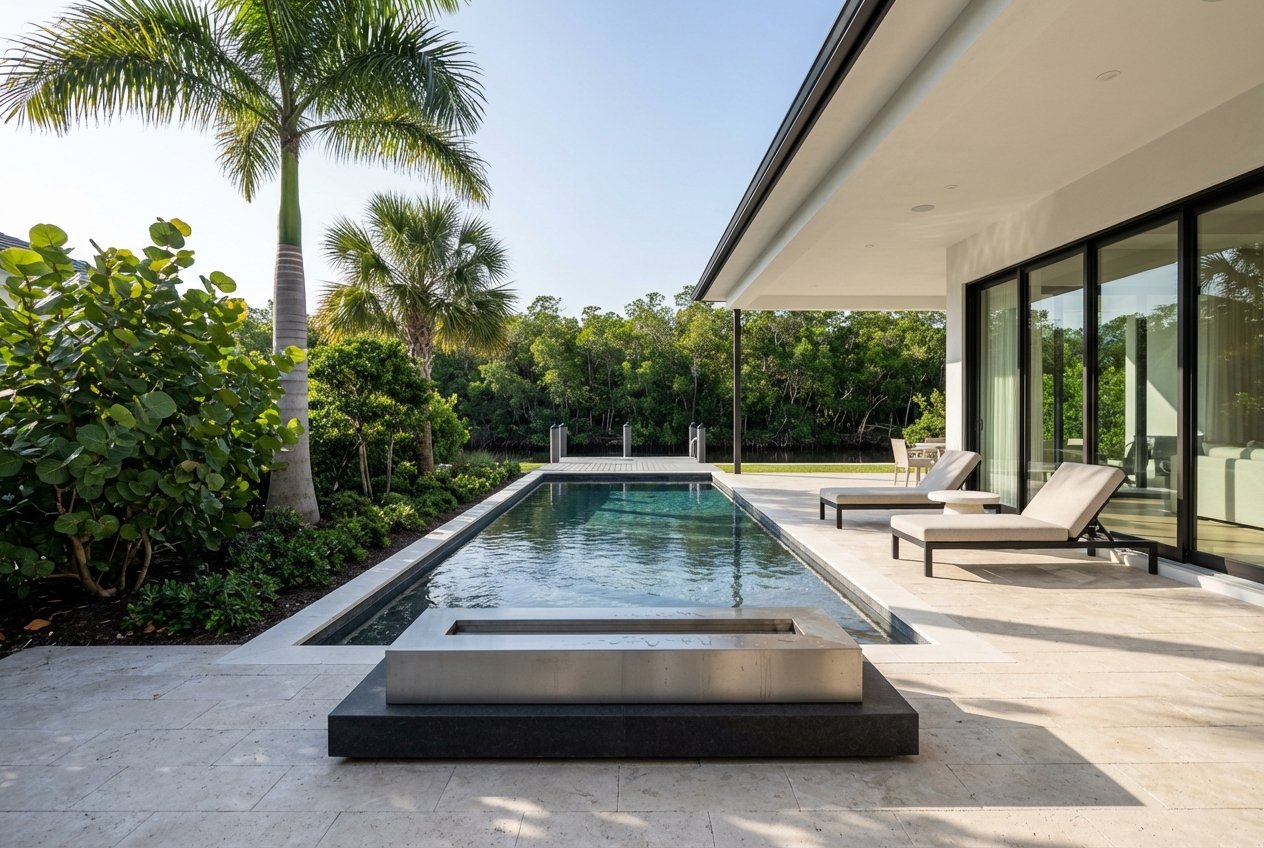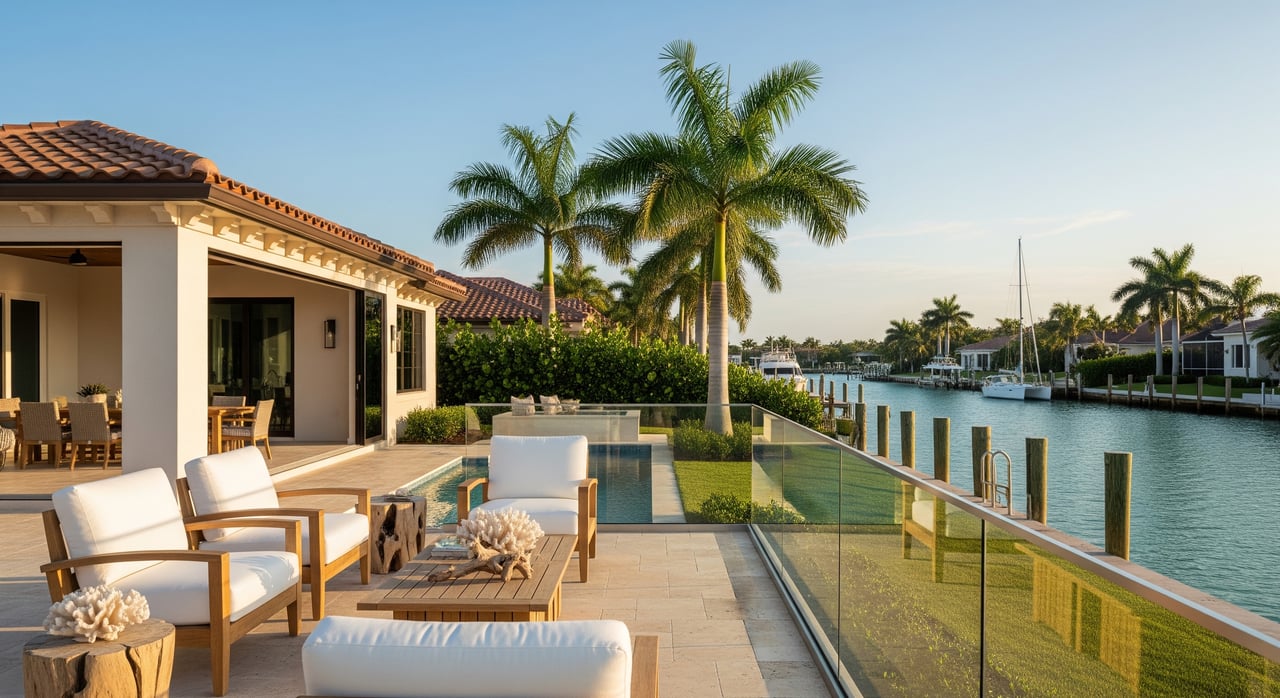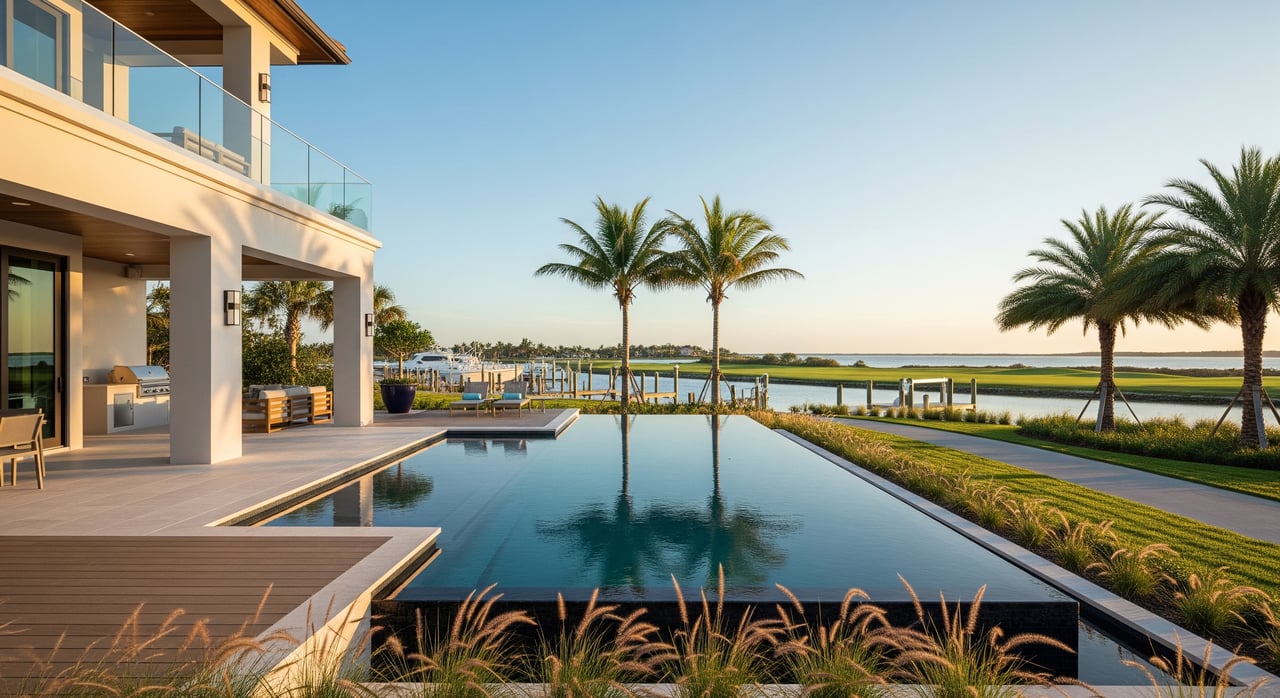
Thinking about making Punta Gorda your warm‑weather home base while keeping roots up north? You’re not alone. Many seasonal residents fall in love with the waterfront lifestyle, easy boating, and mild winters. This guide walks you through how life here changes by season, smart ways to care for a home while you’re away, and the logistics that keep split‑year living simple. Let’s dive in.
Why Punta Gorda works for seasonal living
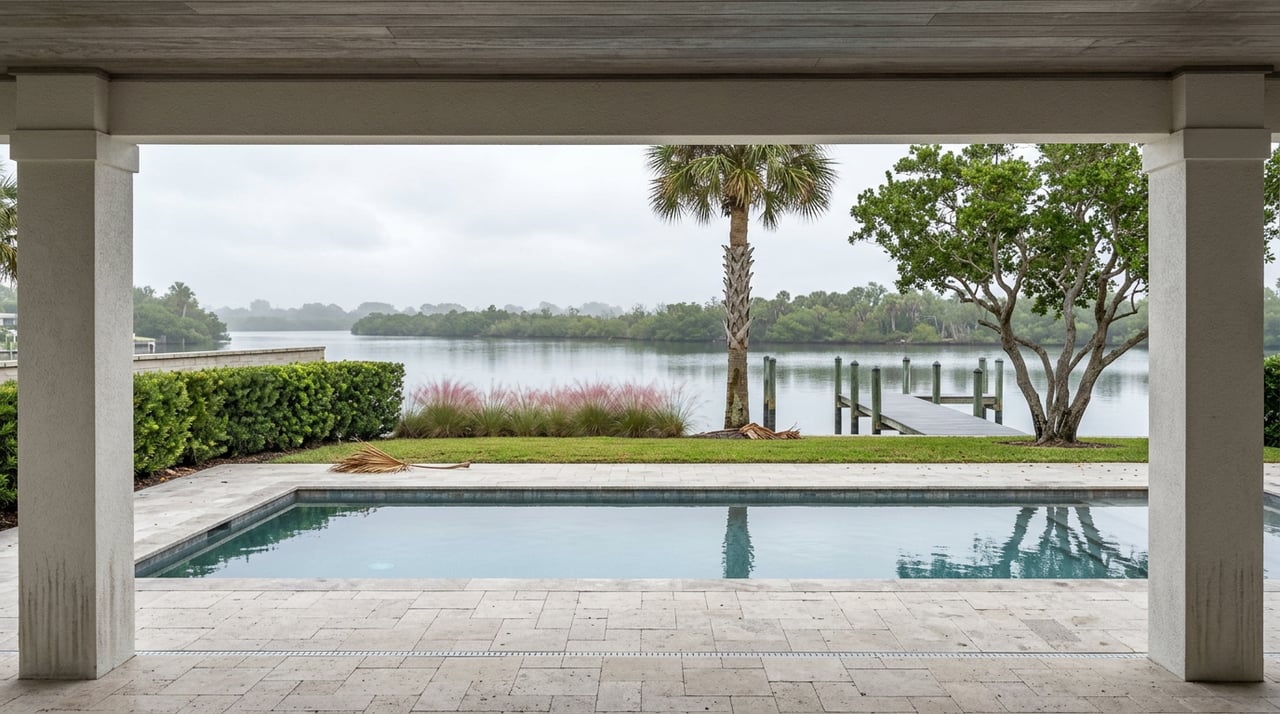
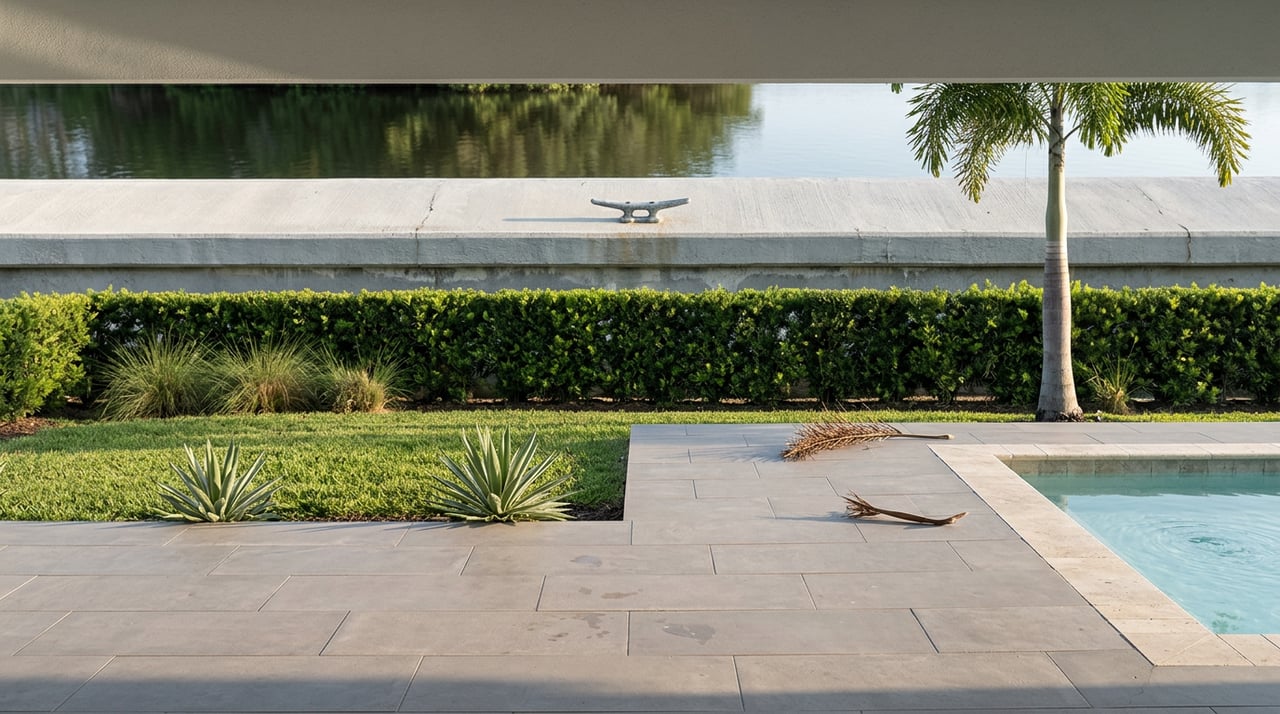
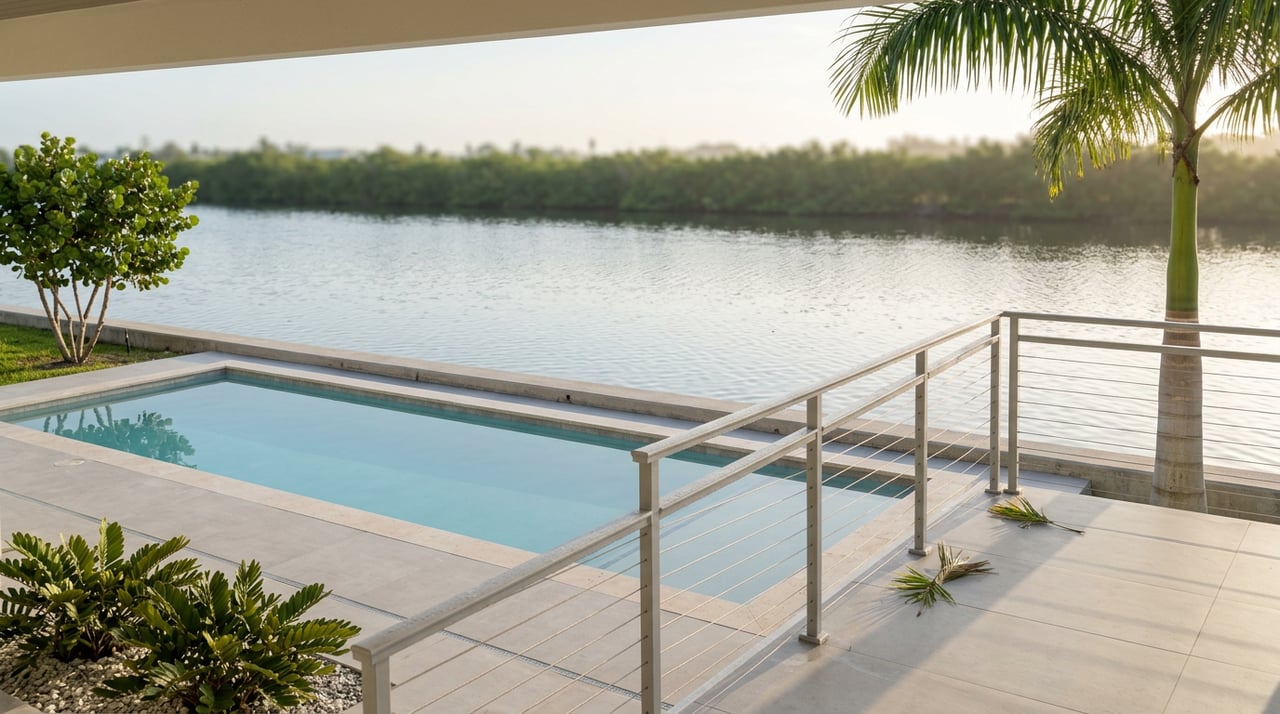
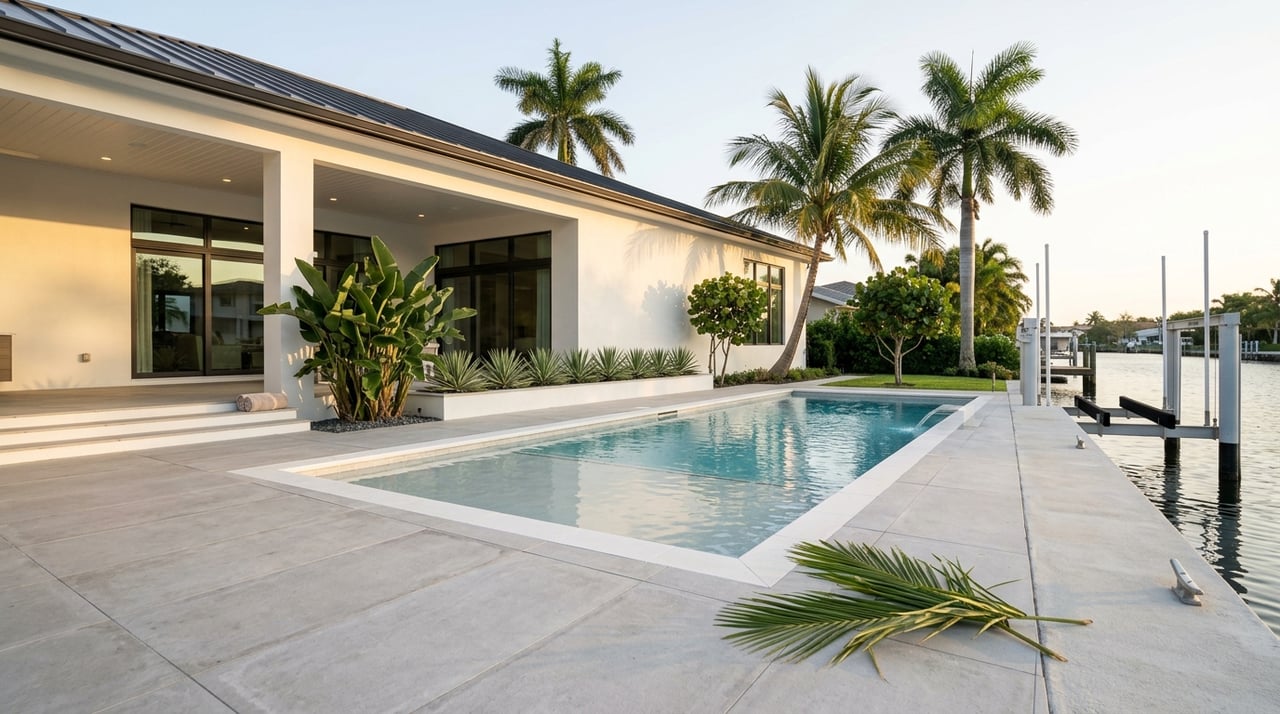
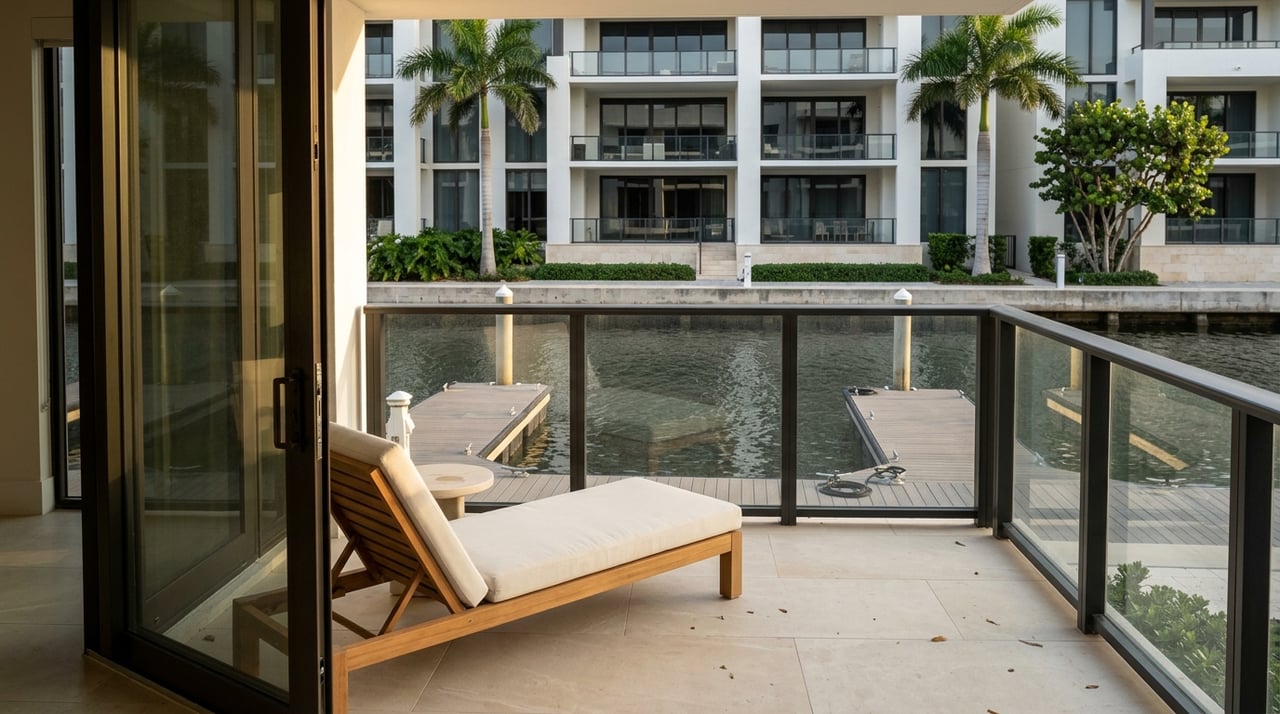
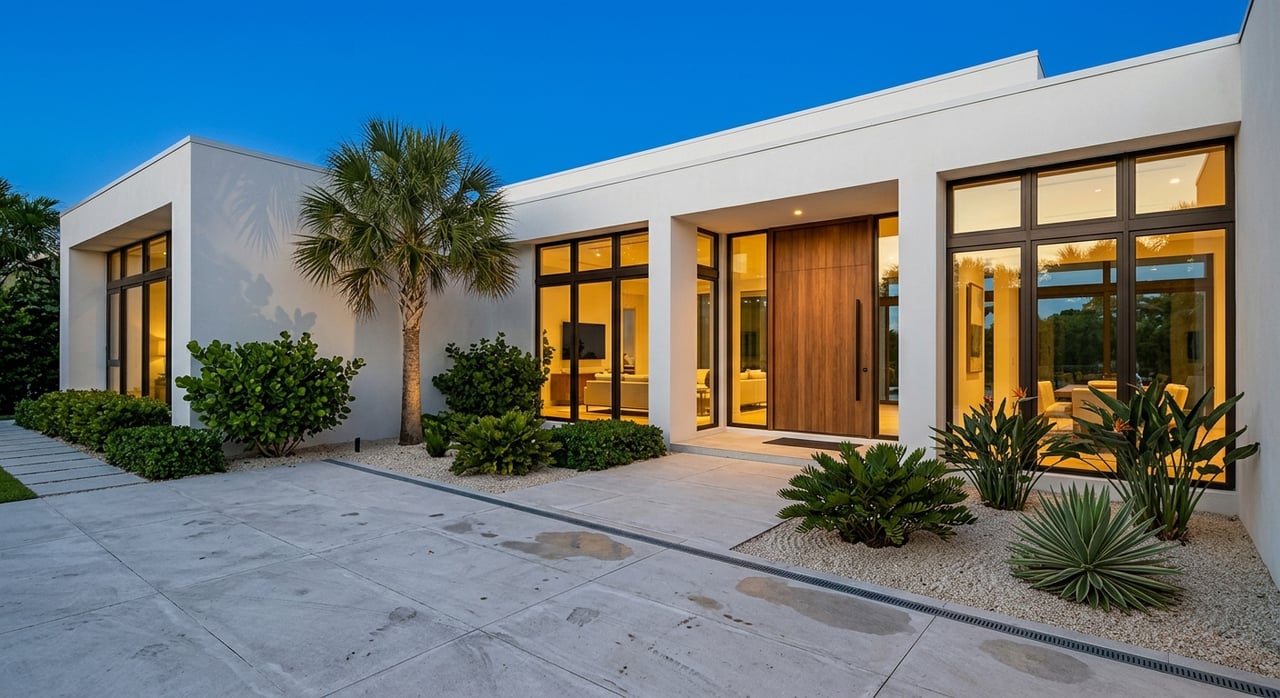
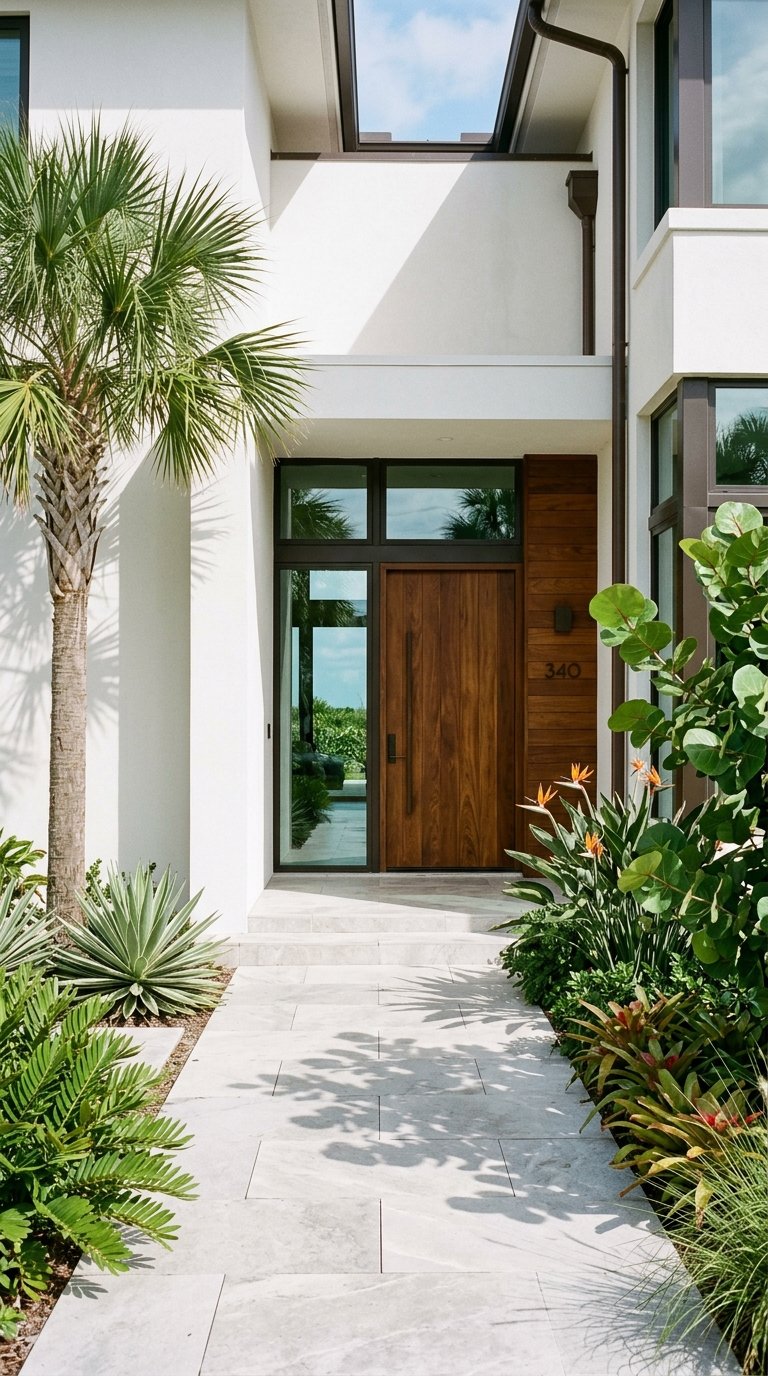
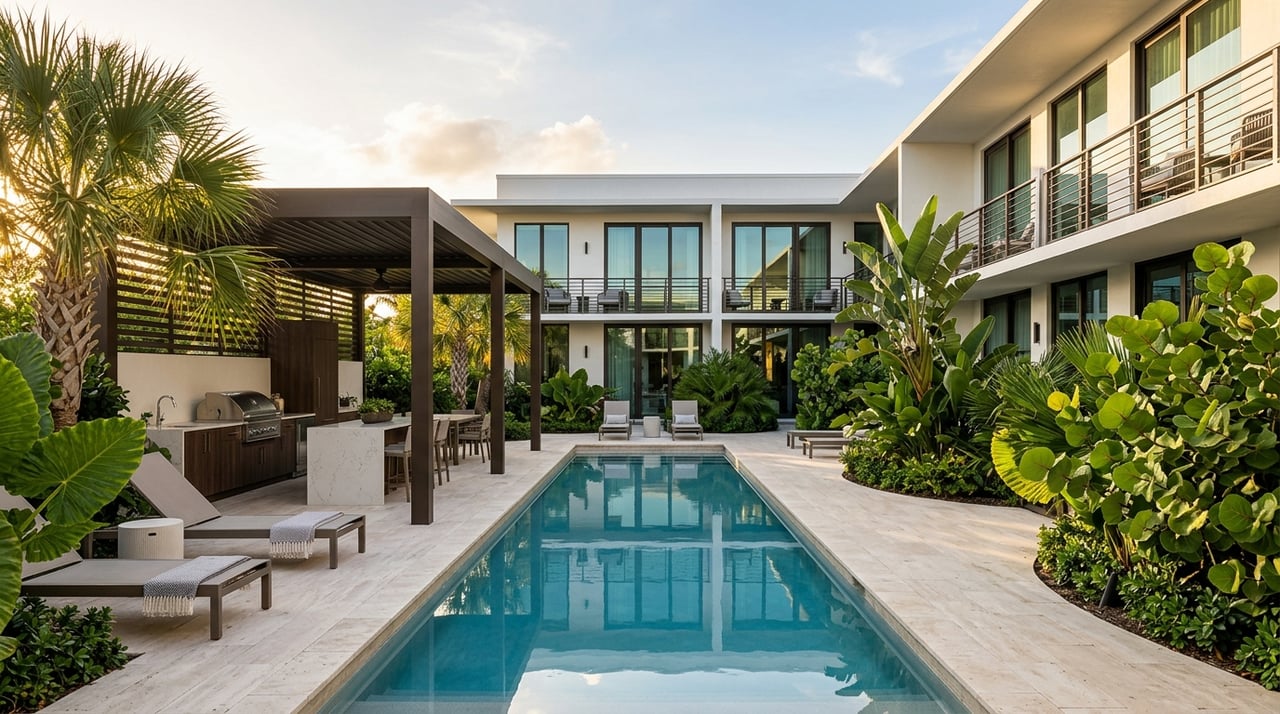
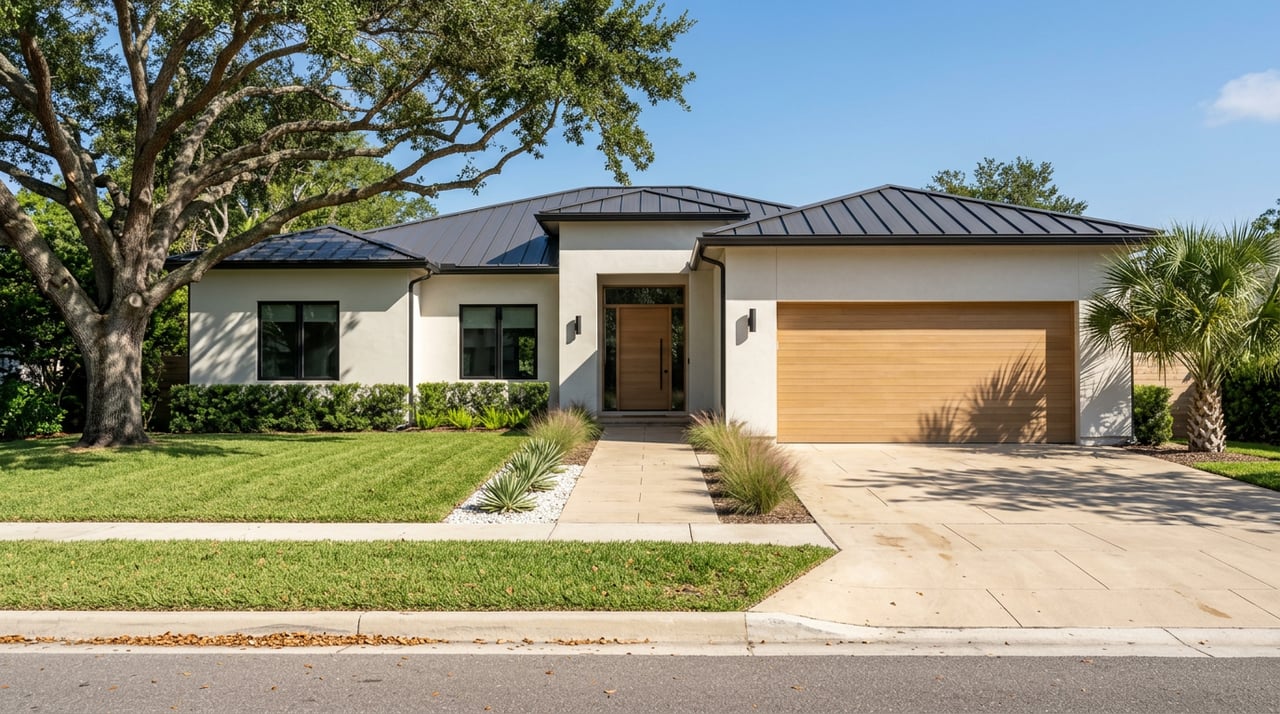
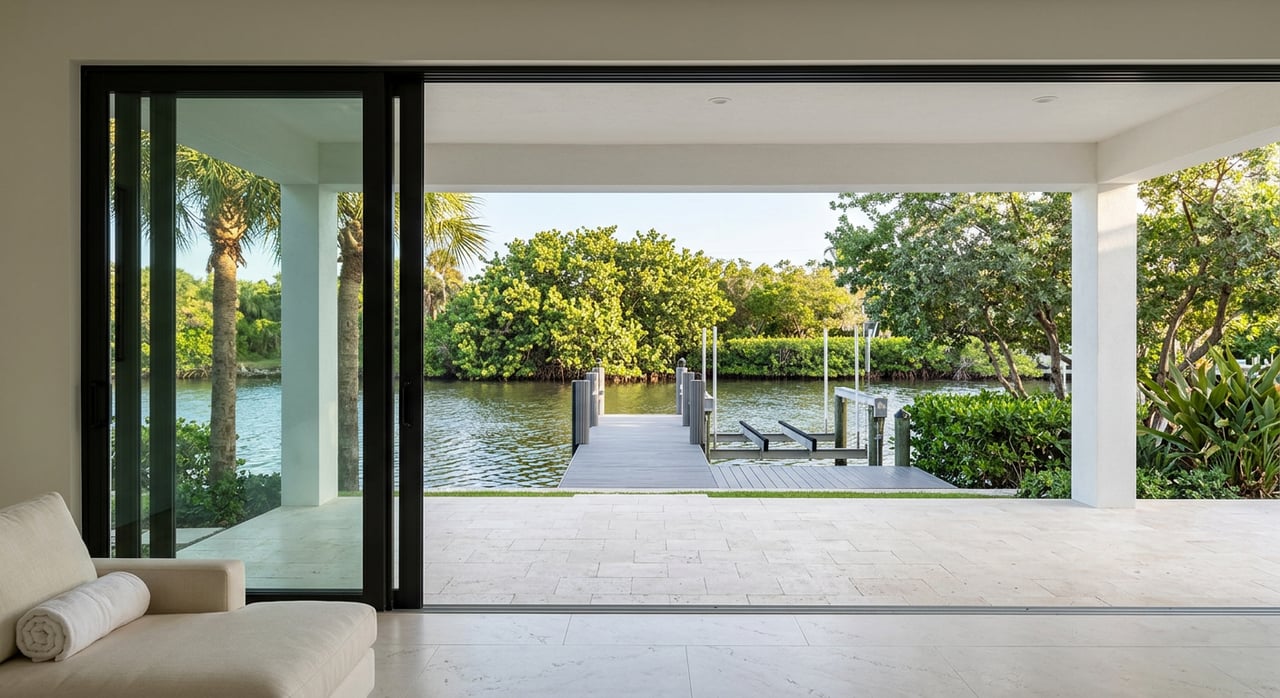
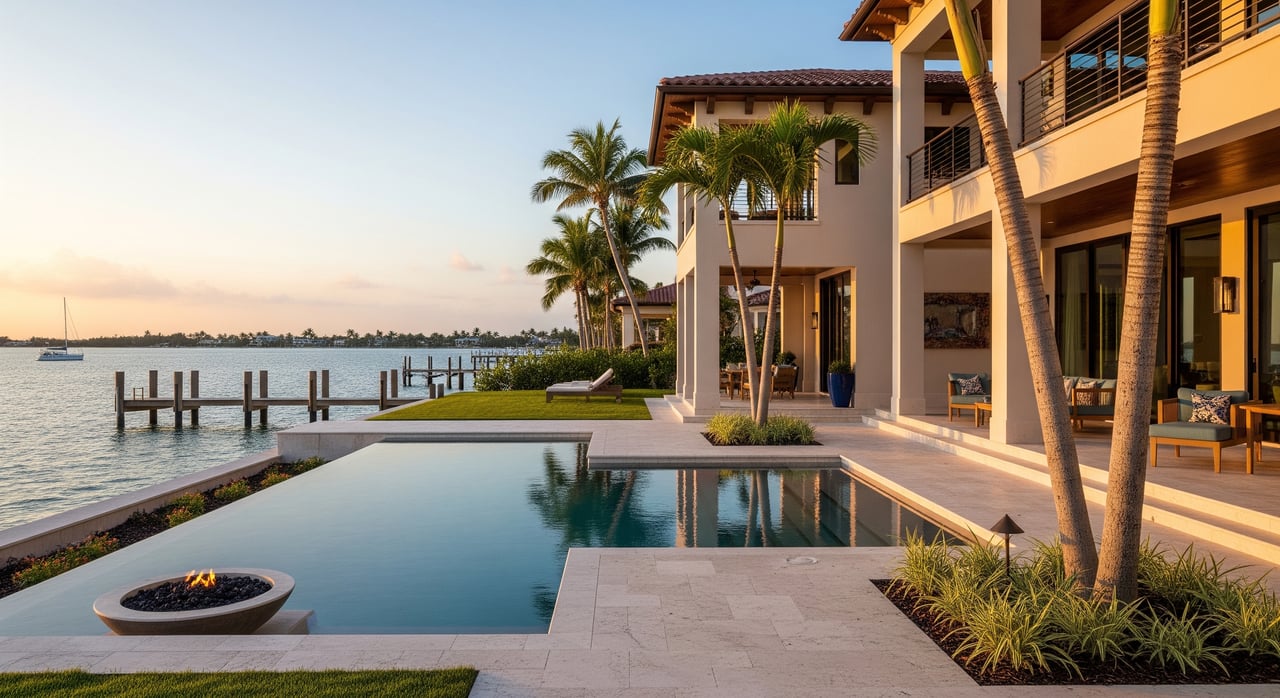
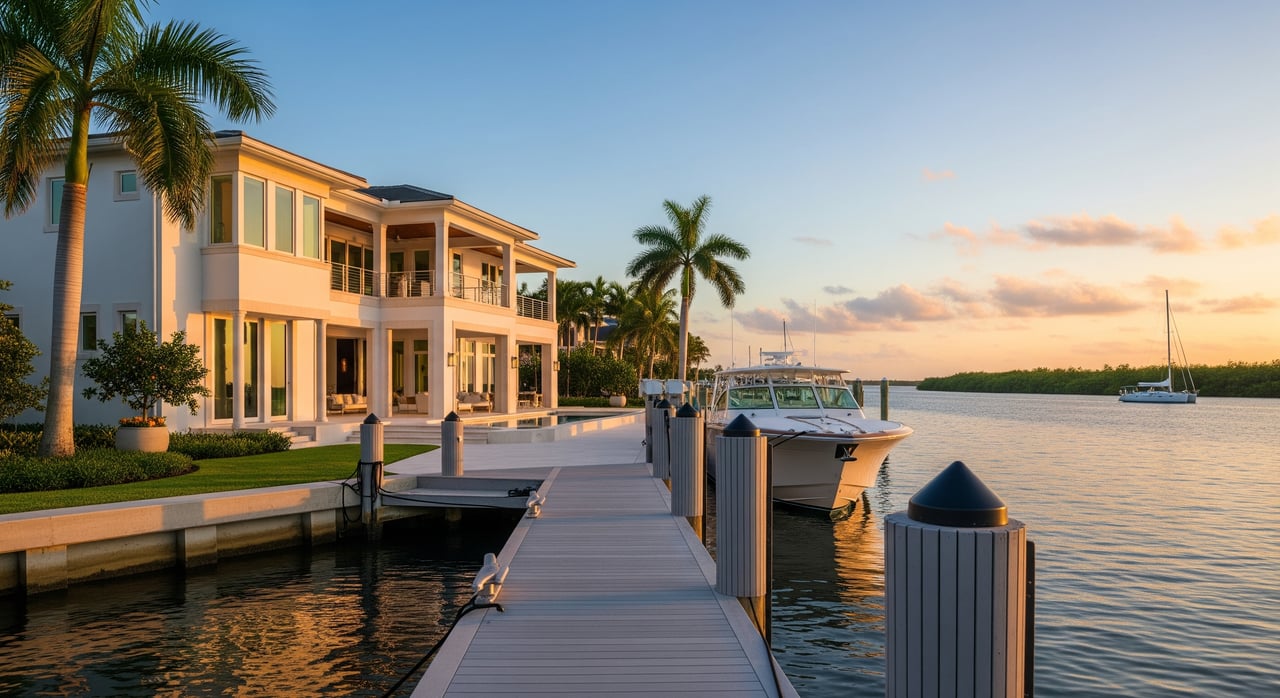
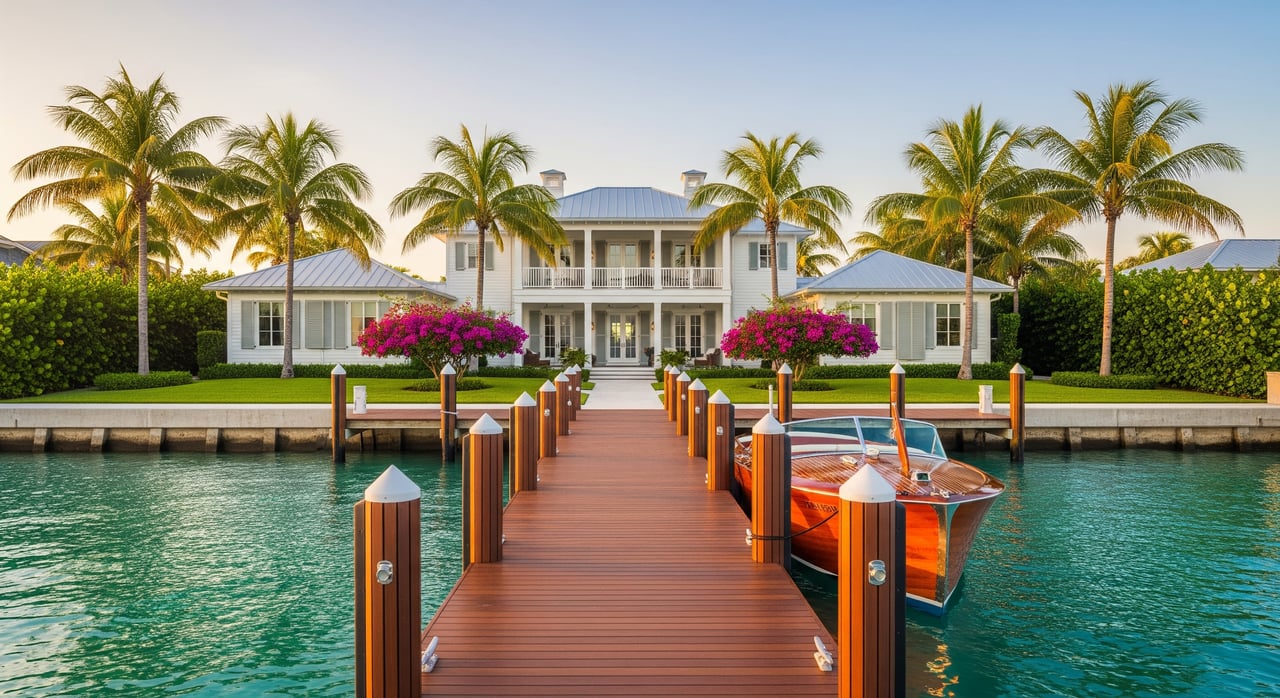
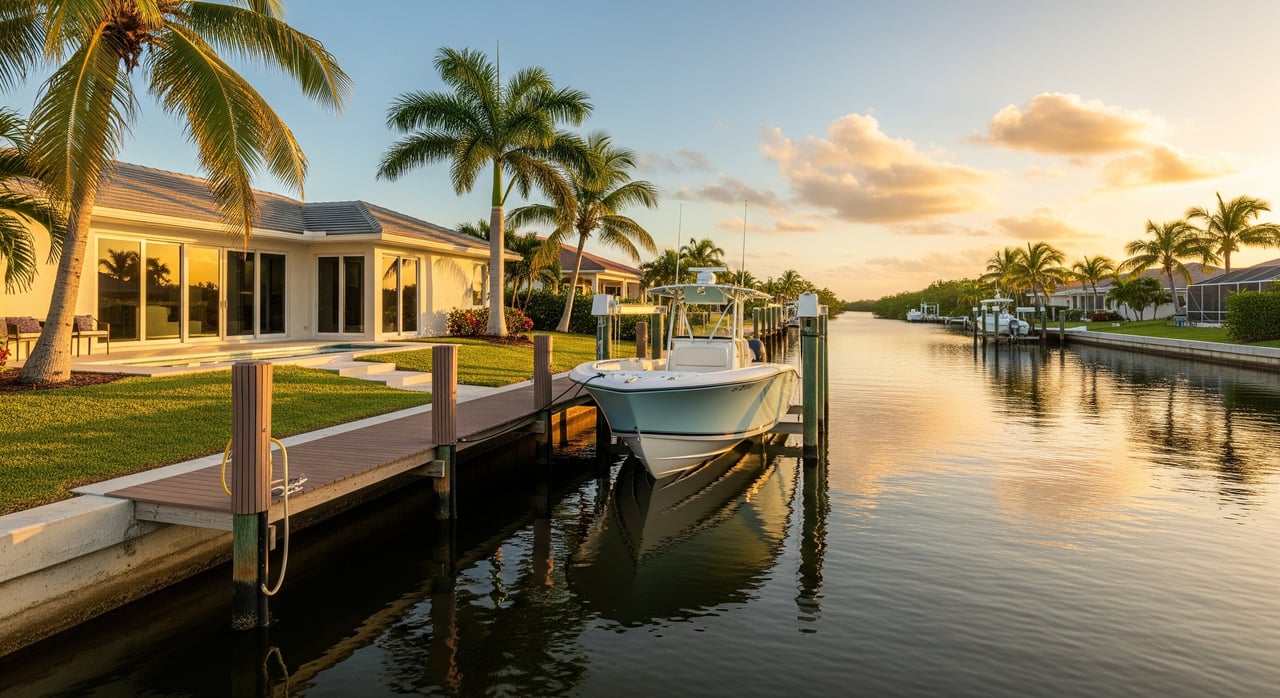
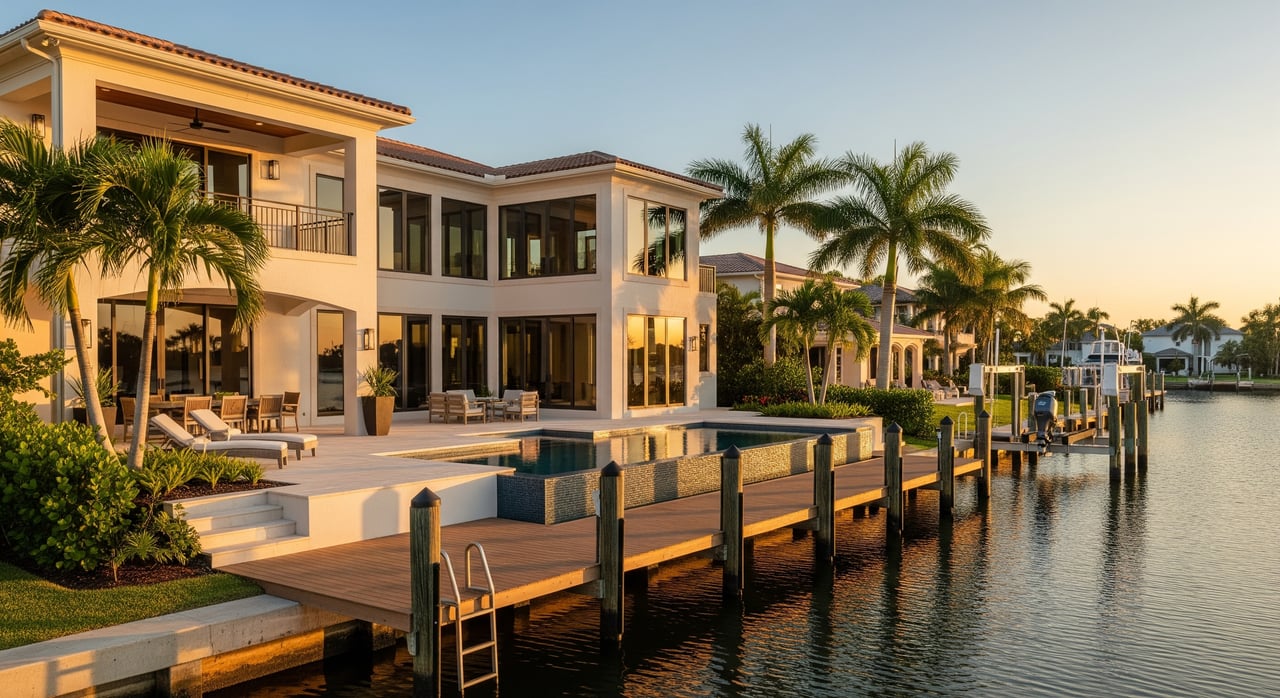
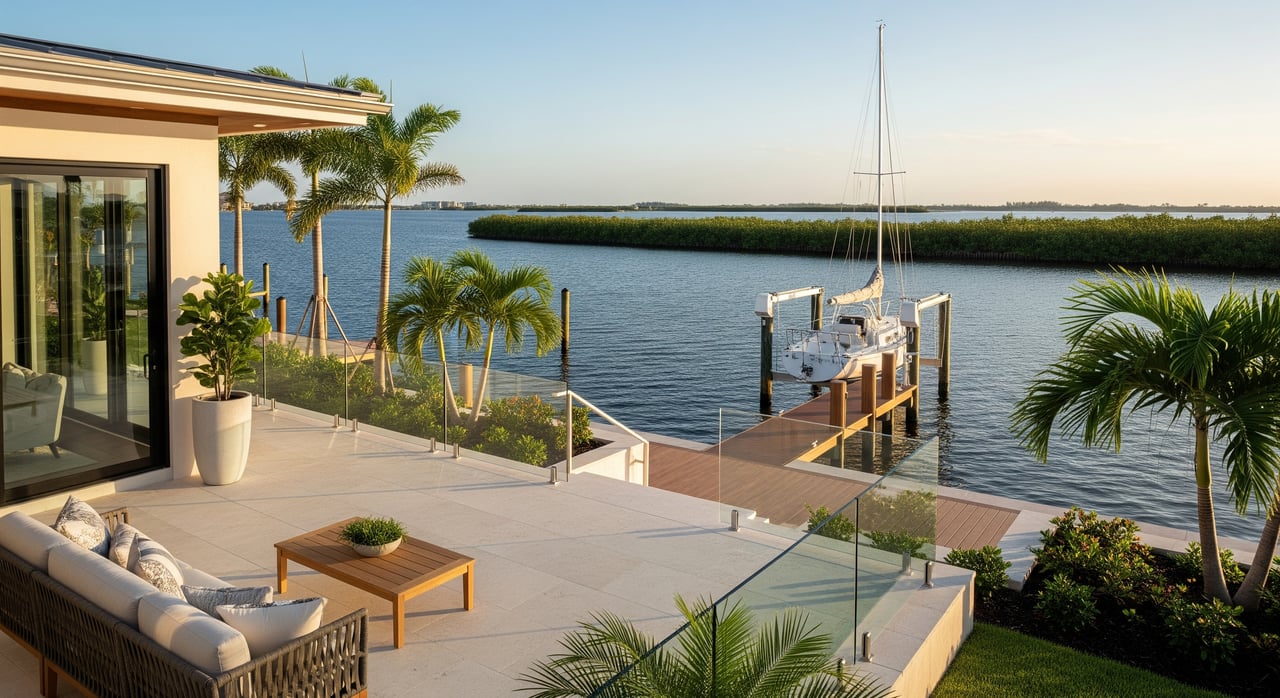
Punta Gorda sits on Charlotte Harbor on Florida’s Gulf Coast. You’ll find waterfront neighborhoods, single‑family homes, condos, and several 55+ communities. Boating and fishing are big parts of the local lifestyle.
You get a true seasonal rhythm. The town is lively in winter with events and club activity, then quieter in summer when the heat rises and crowds thin. If you enjoy community life in cooler months and peaceful summers, this mix can fit your plans well.
Peak season vs. off‑season
High season runs roughly November through April. That’s when many snowbirds arrive. You’ll notice more activity at restaurants, marinas, medical offices, and community centers. Local clubs often add programs and extend hours.
Off‑season is roughly June through September. It is hotter and more humid with frequent afternoon storms. Crowds are lighter and some businesses adjust weekday hours. May and October are shoulder months with a comfortable in‑between pace.
Weather and hurricane timing
Winter is generally mild and drier, which is why seasonal residents enjoy it. The rainy, humid stretch arrives in late spring and lasts into early fall with routine afternoon thunderstorms.
Hurricane season runs June 1 through November 30. Peak tropical risk is usually August through October. If your split‑year calendar overlaps, plan ahead with a simple checklist and a local contact who can secure your property when needed.
Housing choices for part‑time residents
You have options that fit different lifestyles and maintenance needs:
- Waterfront condos and single‑family homes with canal or harbor views.
- 55+ and active adult communities that offer social calendars and on‑site services.
- Gated and golf communities with amenities and management support.
- Manufactured home parks and RV communities for extended seasonal stays.
HOA rules and rental limits
Many condos and planned communities operate under HOAs or master associations. Rules can affect short‑term leasing, guest stays, vehicle or RV parking, and exterior maintenance. If you plan to rent while you are away, verify City of Punta Gorda and Charlotte County ordinances and your HOA’s rules before assuming short‑term rentals are allowed.
Taxes and residency basics
Florida has no state income tax, which attracts many retirees. Becoming a Florida resident can involve steps like a Florida driver’s license and voter registration, along with decisions about vehicle titling. Homestead property tax benefits require that the home be your primary residence and that you meet occupancy and filing dates. Seasonal owners who keep a primary residence elsewhere are typically not eligible for homestead.
Property taxes, millage rates, and exemptions are set at the county level. If you are considering a purchase, review Charlotte County resources for current details as part of your financial planning.
Insurance, flood zones, and vacancy rules
Coastal and low‑lying properties may face flood risk. Verify the property’s FEMA flood zone and discuss flood insurance options. In Florida, wind and hurricane coverage is a standard consideration. Availability and premiums can change, and some owners choose umbrella liability coverage for added protection.
Many policies include vacancy clauses that reduce coverage if a home is left unoccupied for a set period. If you will be away for months, confirm your policy’s limits and set a plan for inspections or regular check‑ins to keep coverage valid.
A practical maintenance and security plan
Seasonal living works best when you set simple systems before you leave. Aim for steady climate control, routine service, and eyes on the property.
- Keep your AC running at a moderate setting to manage humidity and reduce mold risk. Avoid turning it off for long stretches.
- Arrange regular physical checks by a property manager, neighbor, or caretaker. Weekly, biweekly, or monthly is common.
- Maintain active accounts for pest control, irrigation, lawn care, and pool service where applicable.
Pre‑departure checklist
Start these tasks 2 to 4 weeks before you leave:
- Confirm schedules for property manager, housekeeping, pool, lawn, and pest control. Share an emergency contact list and spare keys.
- Review insurance vacancy requirements and any inspection needs. Notify your insurer if required.
- Set a smart thermostat for remote monitoring. Keep indoor temperature and humidity at healthy levels.
- Secure outdoor items. Store loose patio furniture and confirm your pool equipment is stabilized per your service provider.
- Check irrigation settings with your landscaper so the system does not overwater during the rainy season.
- Arrange mail handling. Use USPS Hold Mail or forwarding and set a plan for package deliveries.
- Test alarm and camera systems. Use lighting timers or smart lights for a lived‑in look.
While you are away
Keep a steady routine and a simple emergency plan:
- Maintain lawn, pool, pest control, and HVAC filter service. Schedule monthly walk‑throughs.
- Use remote monitoring for alarms, cameras, water sensors, and thermostats.
- Keep a list of local contractors and authorize your property manager to handle urgent repairs within a set budget.
Pre‑arrival checklist
A few days before you return:
- Schedule an AC check and filter change if needed.
- Confirm lawn and pool service visits and a final clean.
- Make sure all utilities are on. If you have a vehicle or boat, confirm access and parking.
Hurricane season planning
A written plan keeps everyone calm and prepared:
- Choose your shutter or boarding method and who will install it.
- Decide whether you will evacuate or ride out a storm based on local guidance.
- Keep insurance contacts, policy numbers, and a contractor list in an easy‑to‑share file.
- If you plan to leave before peak season, coordinate pre‑storm actions with your property manager.
Travel, storage, and services
Punta Gorda is served by a regional commercial airport with direct flights to many domestic destinations. You can also fly into nearby regional airports or larger hubs and drive in. Travel times range from under an hour to a few hours depending on the airport and traffic.
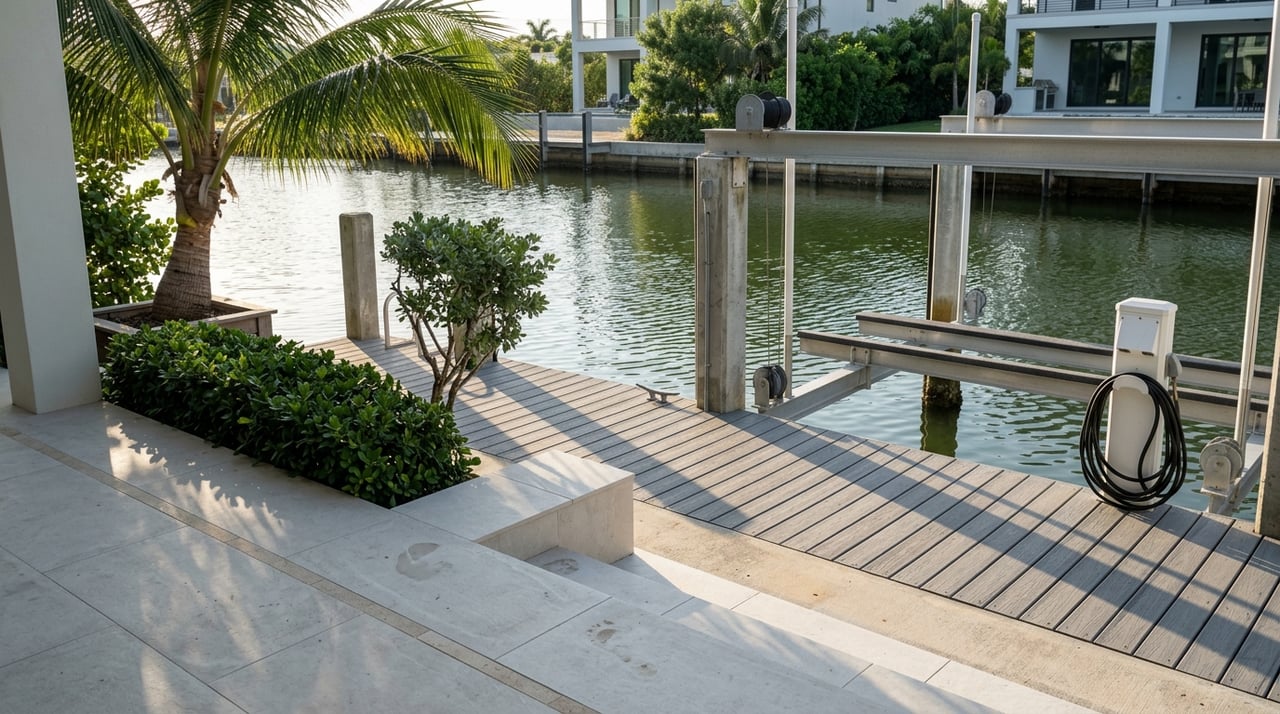
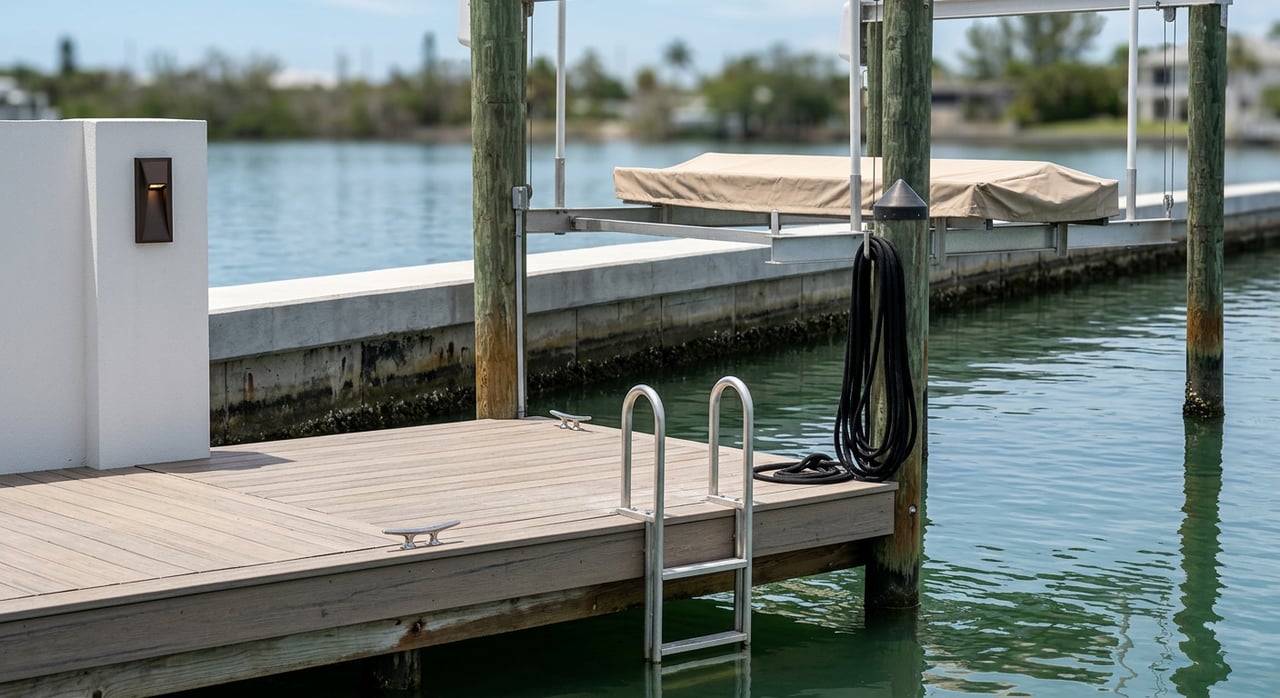
On the ground, you will find rental cars and ride‑hail options. Long‑term vehicle storage is available locally. For boaters and RV owners, options include marina slips, dry stack storage, and commercial RV lots. Seasonal demand can create waitlists for premium spaces, so plan early.
USPS can hold mail for short absences. For longer trips, consider forwarding or using a local mail service through your property manager. Grocery stores, pharmacies, banks, and restaurants operate year‑round, though some businesses may shift weekday hours in summer.
Healthcare access includes urgent care and hospital services in town for routine or emergency needs. For specialized care, you may travel to larger regional medical centers in nearby cities. Medicare is portable nationwide. Confirm that local providers accept your plan and whether you need referrals or prior authorizations.
Budgeting for seasonal ownership
Plan for predictable and variable costs so there are no surprises:
- Property taxes and HOA or condo association fees.
- Homeowners, wind, and flood insurance if applicable.
- Utilities, including keeping the AC running during absences.
- Lawn, pool, pest control, cleaning, and routine maintenance.
- Property management or caretaker fees if you engage ongoing service.
Renting while you are away
Many owners like the idea of offsetting costs with short‑term rentals. Rules vary by city, county, and HOA. Confirm whether your community allows seasonal or short‑term rentals and what minimum lease periods apply. If renting is allowed, plan for local management, safety requirements, and any licensing or tax obligations. Clear rules and reliable help on the ground make a big difference.
How The Nix Team helps
Choosing the right property for seasonal living is about more than square footage. You want the right neighborhood rhythm, HOA fit, storage or slip options for your hobbies, and a home that is easy to maintain from afar. Our team is rooted in Punta Gorda and the greater Southwest Florida coast. We guide you through flood zone questions, HOA rules, and community nuances so you can buy with confidence.
You also benefit from a strong network. We can introduce you to trusted local service providers for home checks, lawn and pool care, and security systems. If you decide to sell later, our marketing reach through a national luxury platform helps maximize exposure to qualified buyers.
Ready to plan your seasonal life by the harbor? Connect with us for a calm, clear path to your next home.
Carla Nix and The Nix Team are here when you are ready.
FAQs
What months are best for snowbirds in Punta Gorda?
- High season runs roughly November through April with more events and services. Shoulder months are October and May, and summer is quieter with higher heat and humidity.
How do HOA rules affect seasonal living in Punta Gorda?
- Many condos and planned communities have rules on leasing, guest stays, parking, and maintenance. Review your HOA documents and local ordinances before purchasing or renting.
Do I need flood insurance for a Punta Gorda condo or home?
- Flood risk depends on location and FEMA flood zones. Many coastal or low‑lying properties benefit from flood insurance even when not federally required.
Can I claim Florida residency if I live here part of the year?
- Florida residency involves administrative steps and making Florida your domicile. Homestead tax benefits require primary residence status that many seasonal owners do not meet.
Where should I fly into for Punta Gorda?
- Punta Gorda has a regional commercial airport with domestic flights. You can also use nearby regional airports or larger hubs and drive in.
How do I prepare my home for hurricane season if I am away?
- Set a written plan for shutters or boarding, name who will secure the property, keep insurance and contractor contacts handy, and coordinate with a local caretaker before storms.
What should I do with my mail while I am out of state?
- Use USPS Hold Mail or forwarding for short absences. For longer periods, ask a property manager or local service to handle packages and deliveries.
Is it hard to find a seasonal marina slip in Punta Gorda?
- Marinas are busier in high season and some have waitlists. Start inquiries early and consider dry stack storage as an alternative.