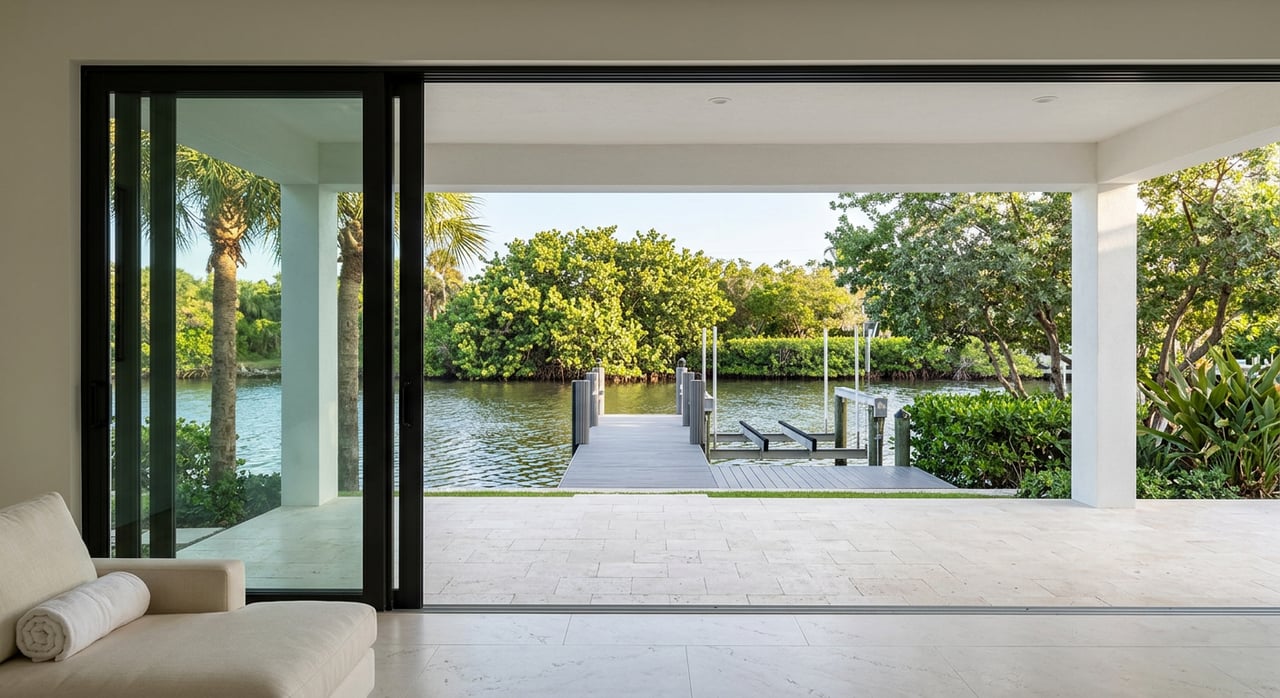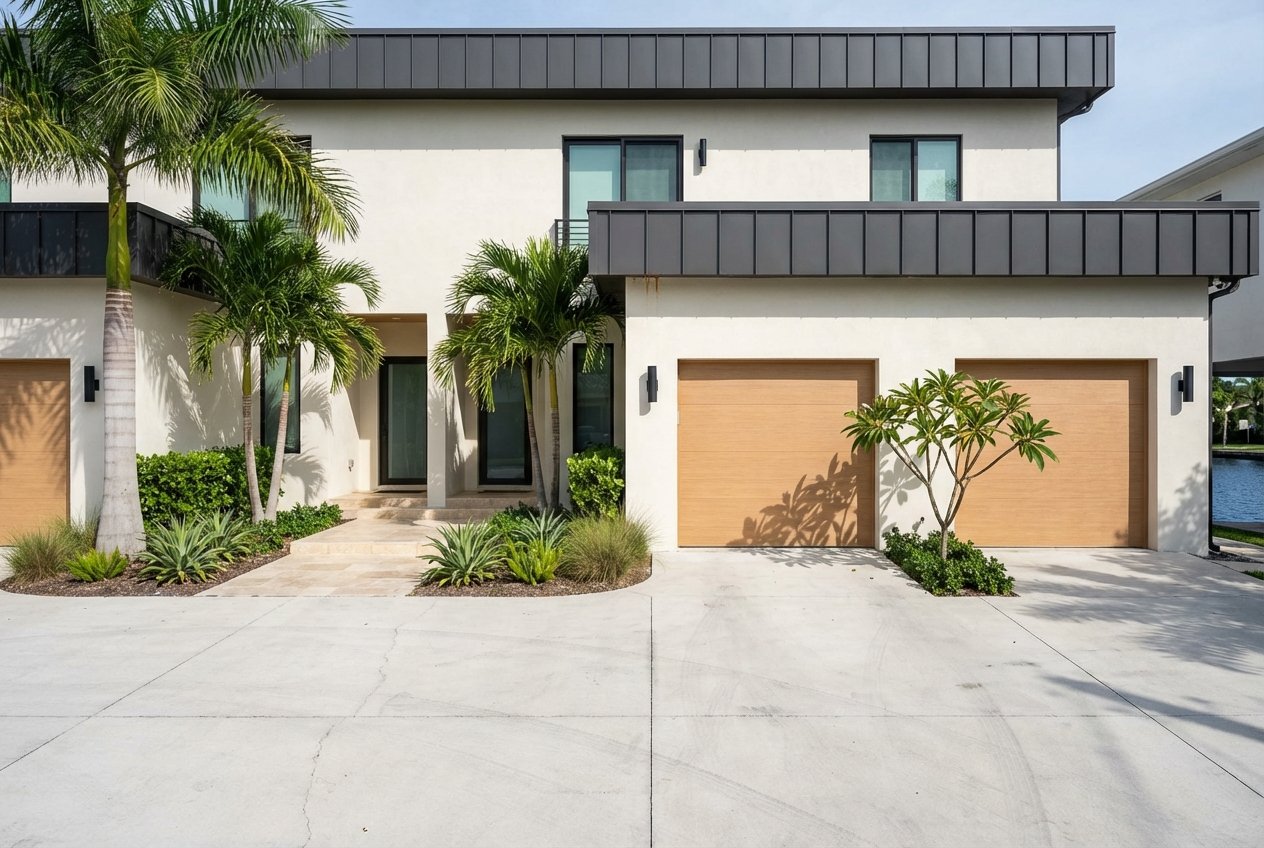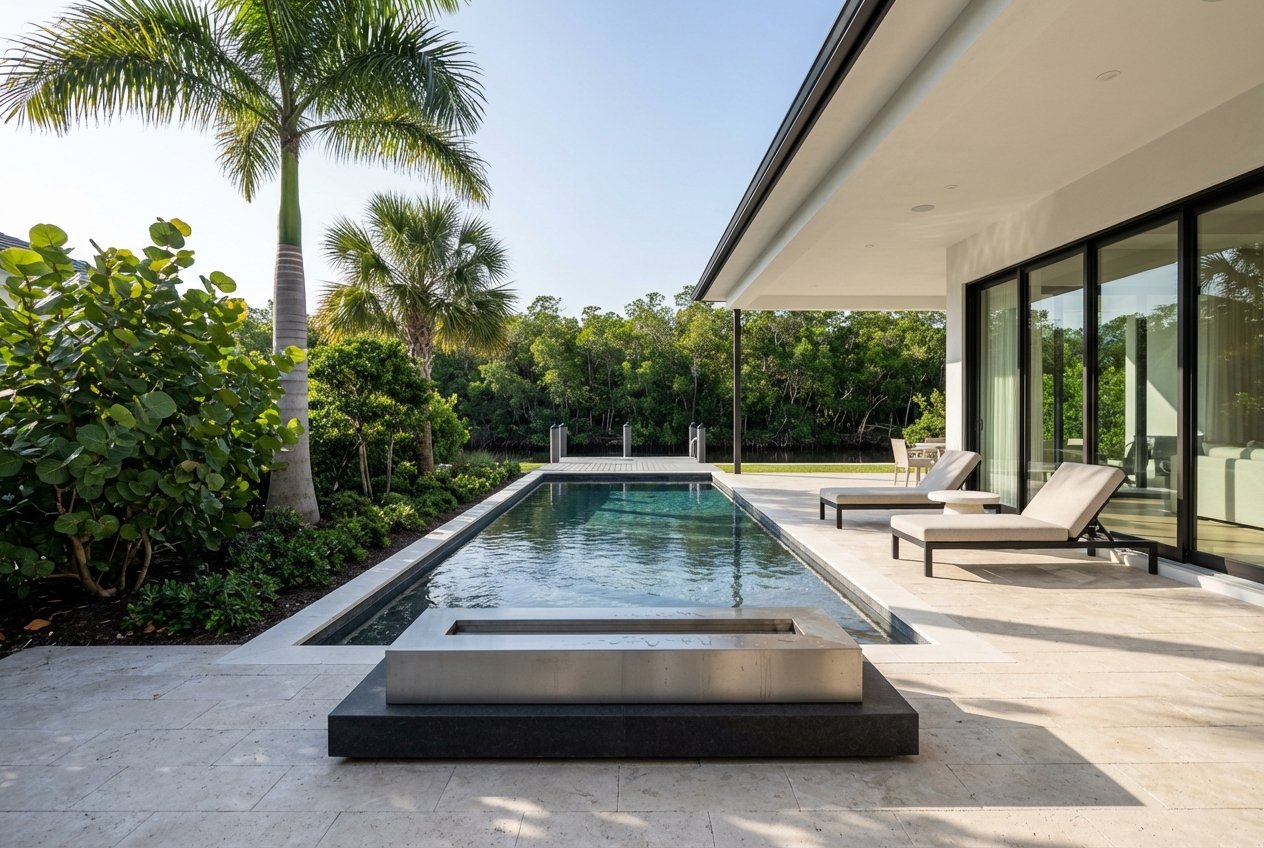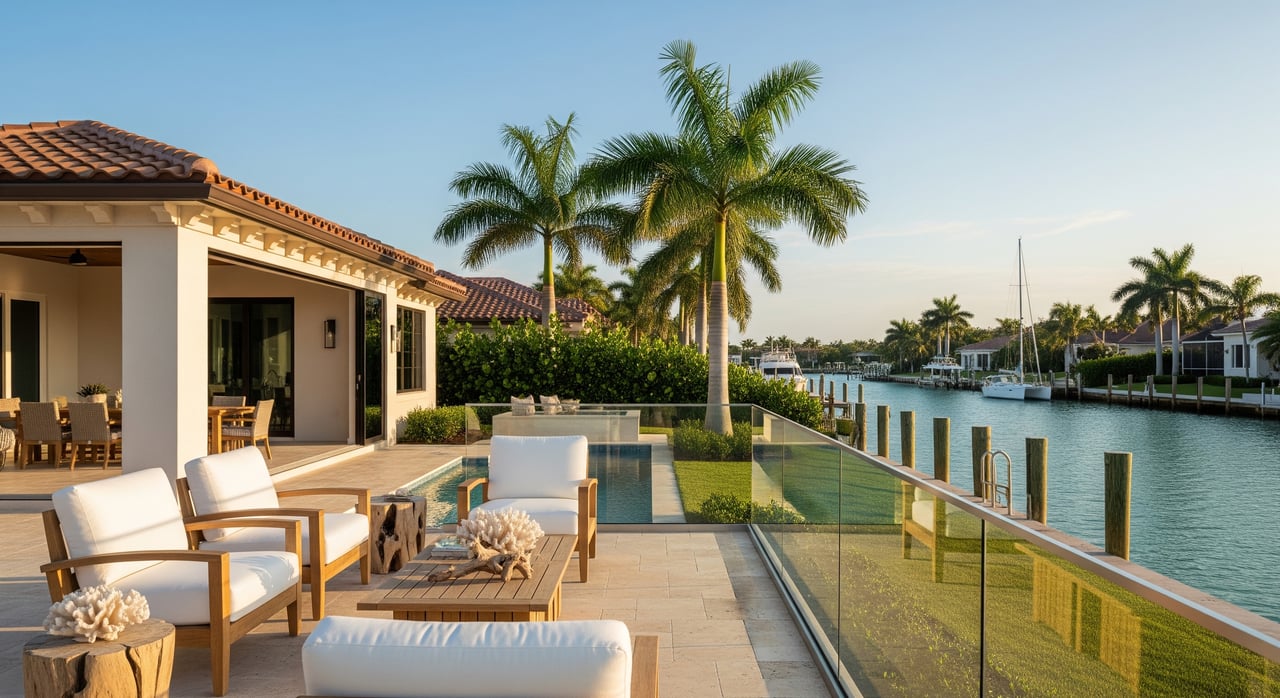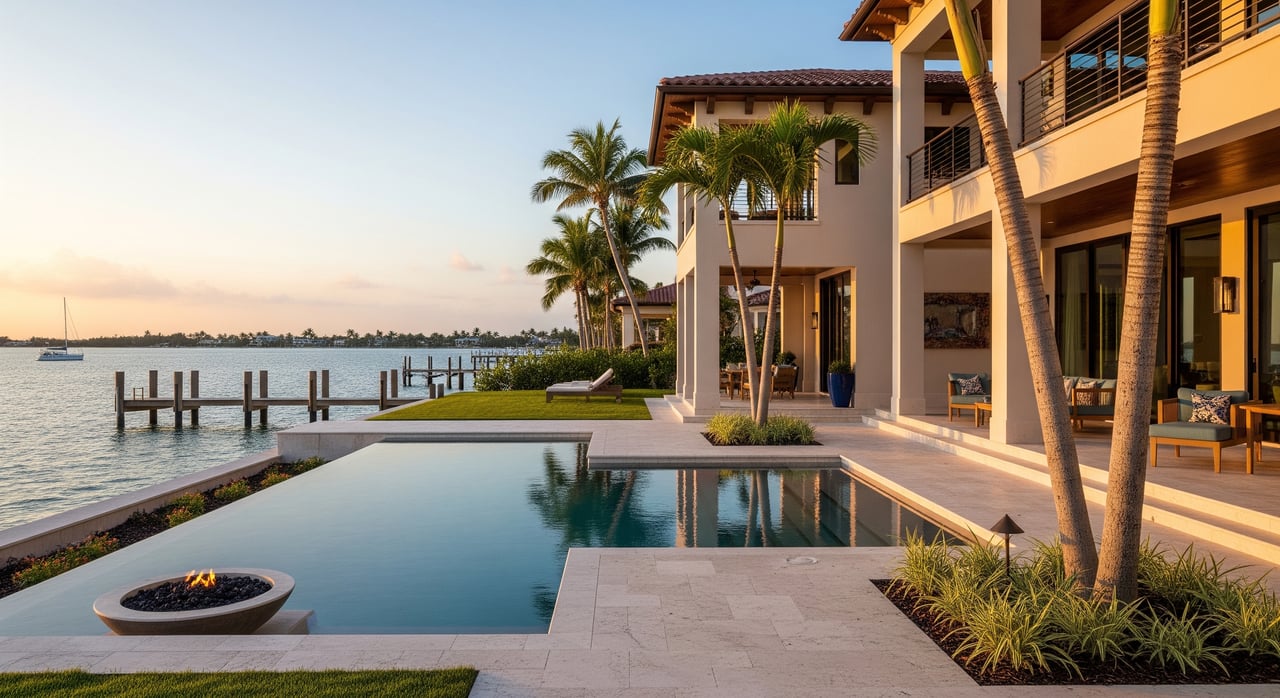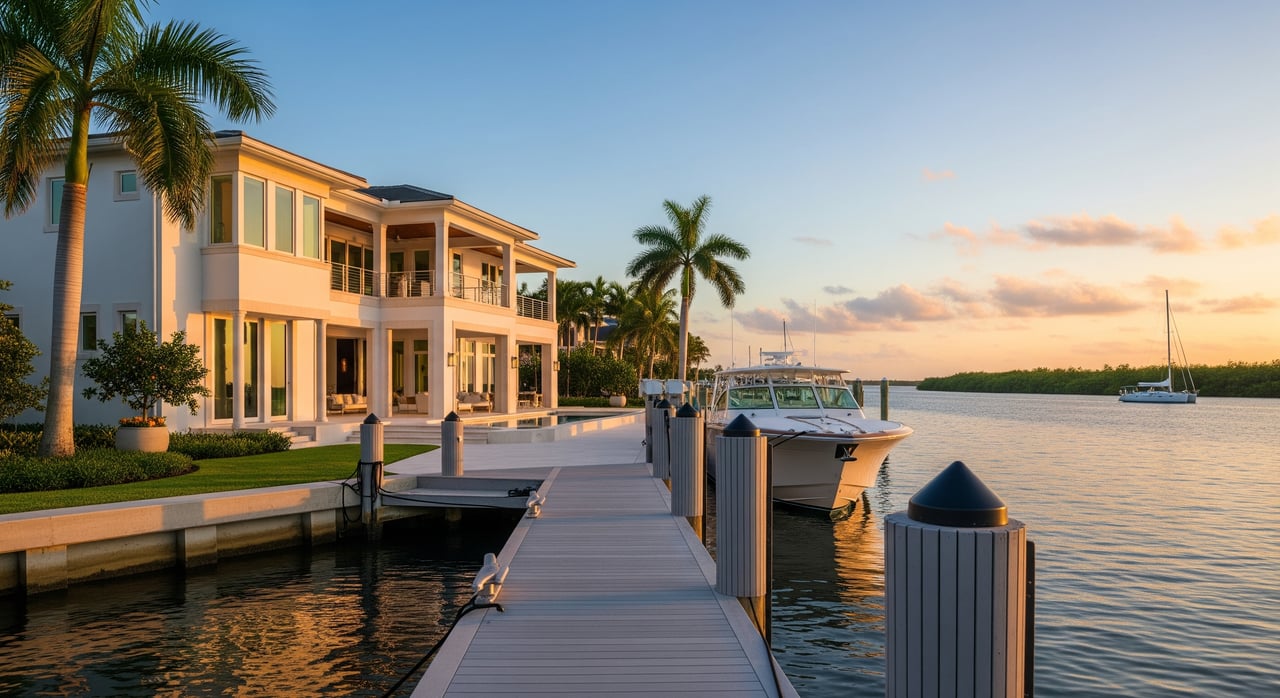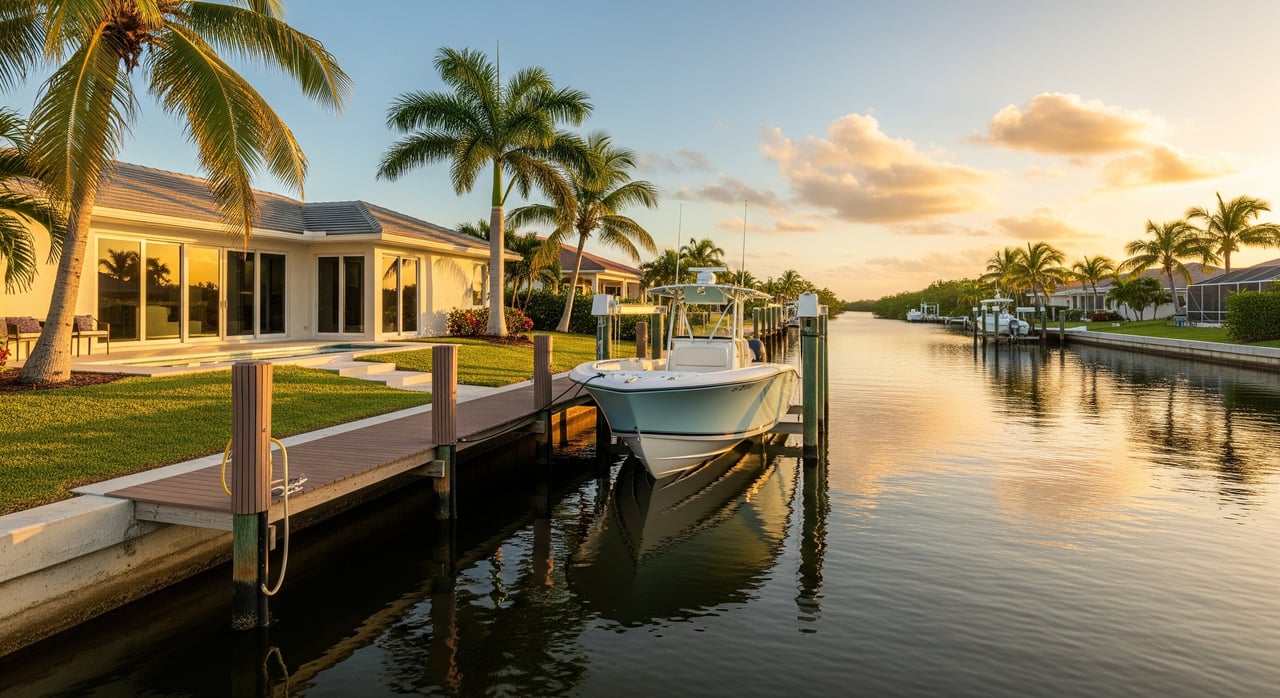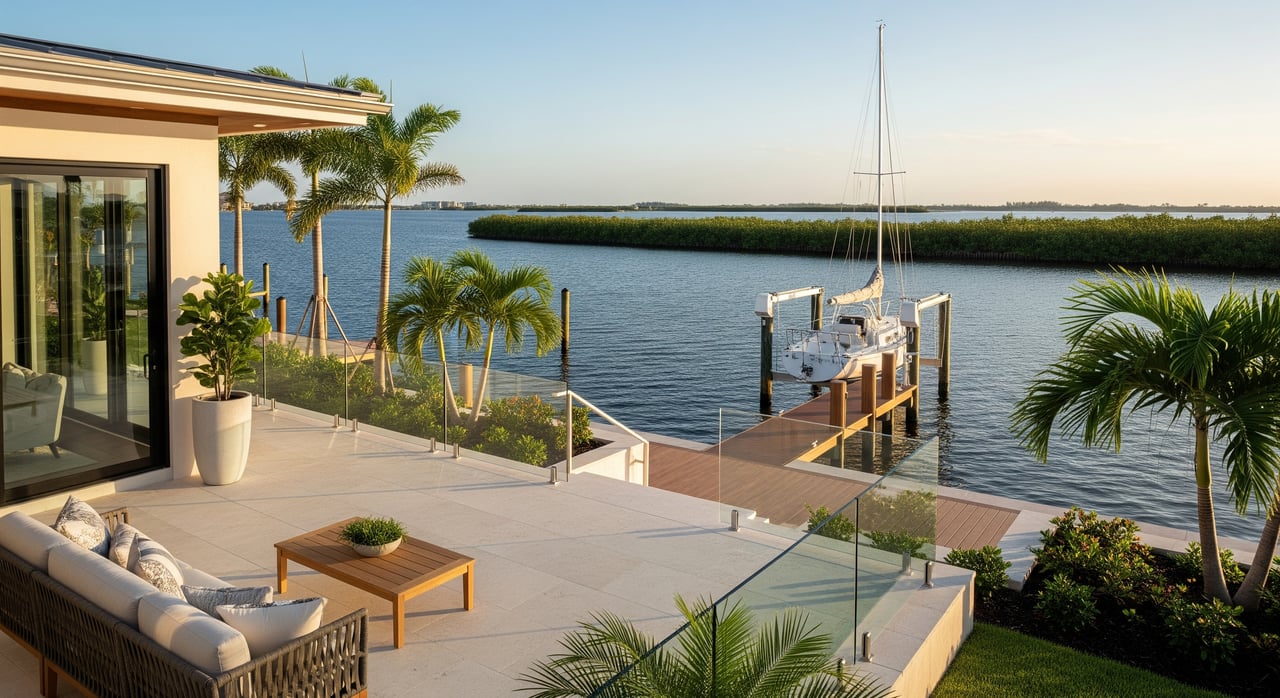
What is your Port Charlotte home really worth right now? If you’re thinking about selling or just planning ahead, getting a clear number can feel confusing. You want a price that reflects your home’s best features without scaring off buyers. In this guide, you’ll learn how value is set here in Charlotte County, what waterfront and condition factors matter most, and how to prepare for a personalized value review that gives you confidence. Let’s dive in.
How pricing works in Port Charlotte
The most reliable way to set price is a Comparative Market Analysis, or CMA. A CMA compares your home to recent nearby sales, then adjusts for differences. For most Port Charlotte homes, this is the primary method used by agents and appraisers.
Here’s the basic flow:
- Identify the true market area. For waterfront, that can mean the same canal or an immediate cluster of similar canals. For inland homes, look for the same subdivision or closest comparable area.
- Pull recent solds from the last 3 to 6 months when possible. If the market is slow, you may look back up to a year.
- Compare gross numbers like price, price per square foot, and days on market.
- Adjust for measurable differences such as square footage, bedrooms and baths, lot type, condition, pool, garage, and waterfront features.
- Reconcile those adjusted numbers into a suggested price range and a recommended list price.
Price per square foot is a helpful checkpoint, but it never tells the whole story. In Port Charlotte, features like dock capacity, seawall condition, flood zone, and recent renovations often move value more than a simple square foot average.
Use the right local data
To get an accurate picture, rely on sources that reflect real, local activity:
- Local MLS sold data for the most accurate comps and days on market.
- Charlotte County Property Appraiser records for parcel details, assessed values, and permits.
- Florida Realtors market reports for county-level trends like inventory and median prices.
- FEMA Flood Map Service Center and Charlotte County flood maps for flood zone designations and elevation context.
- Charlotte County Building Department records to confirm permitted docks, seawalls, roofs, and renovations.
- Local title companies for typical closing costs and deed history, and insurance agents for flood and wind premium expectations.
Automated valuation models are a useful starting point, but they can miss key local nuances like bridge restrictions or unpermitted work.
What drives value here
Several factors commonly shape price in Port Charlotte:
- Location and water access type: canal-front vs. direct gulf access vs. inland.
- Condition and age of major systems: roof, HVAC, electrical, impact protection.
- Renovations: kitchens, baths, flooring, and permitted upgrades.
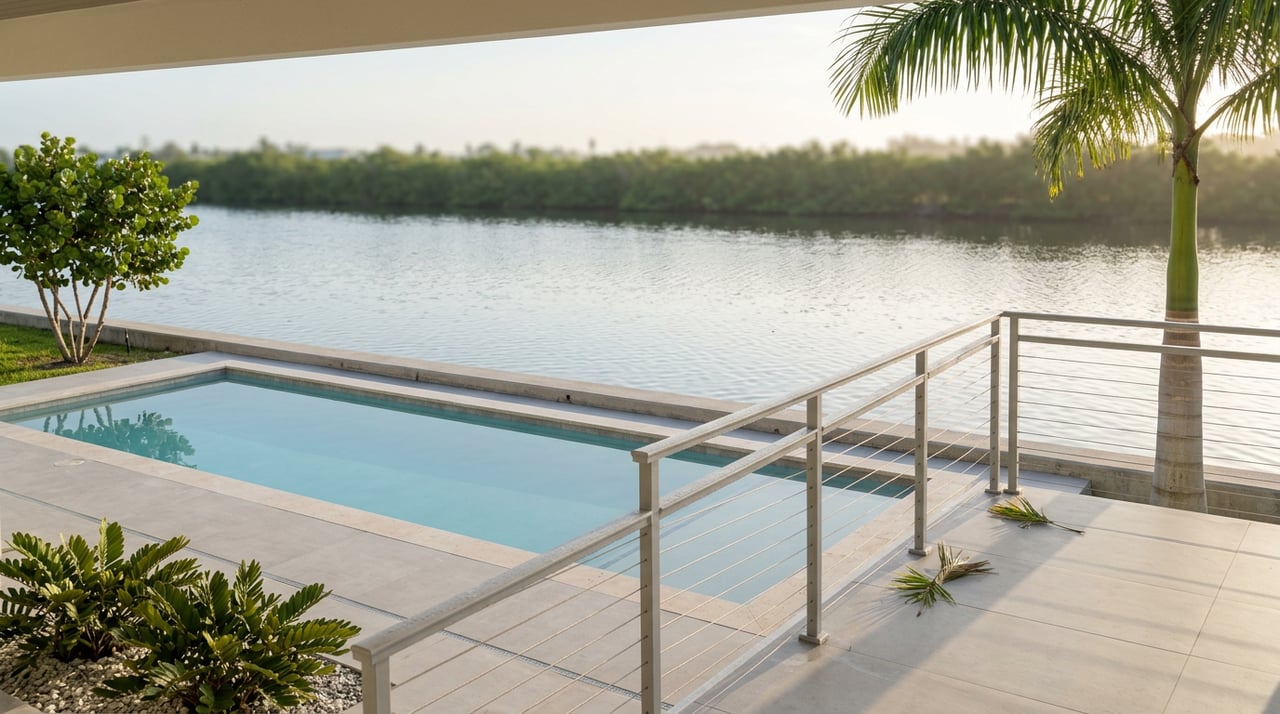
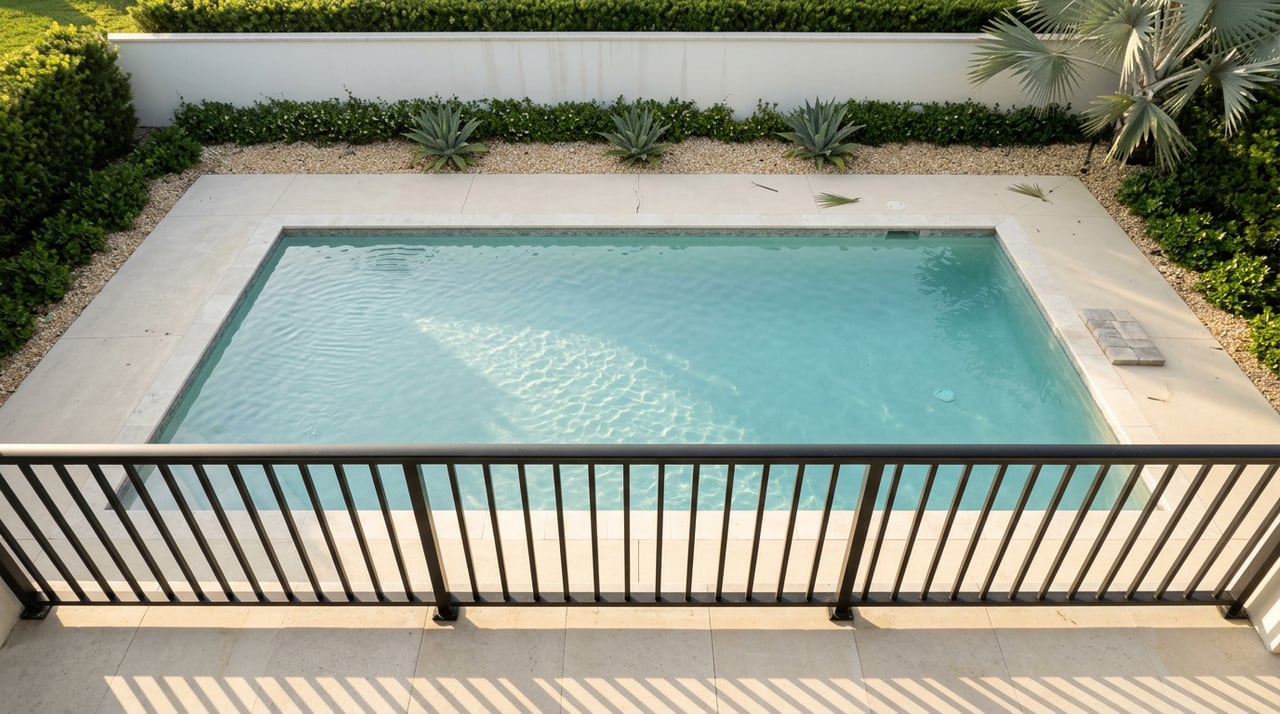
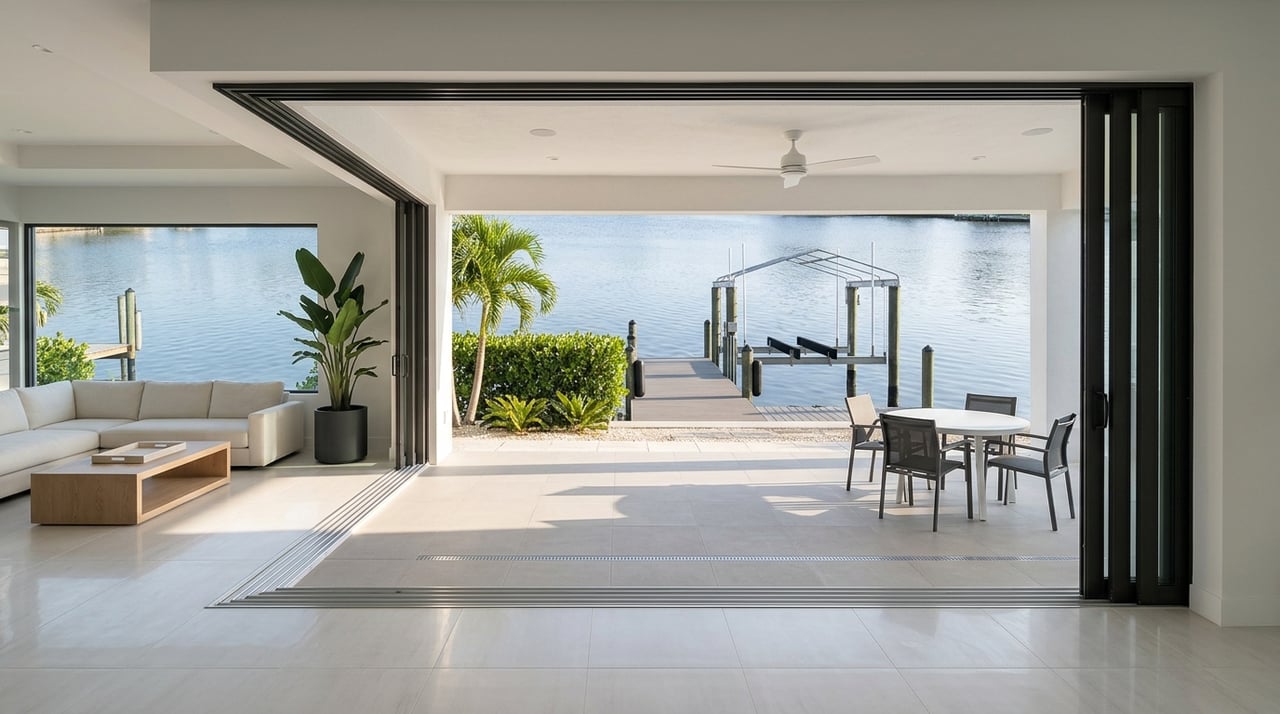
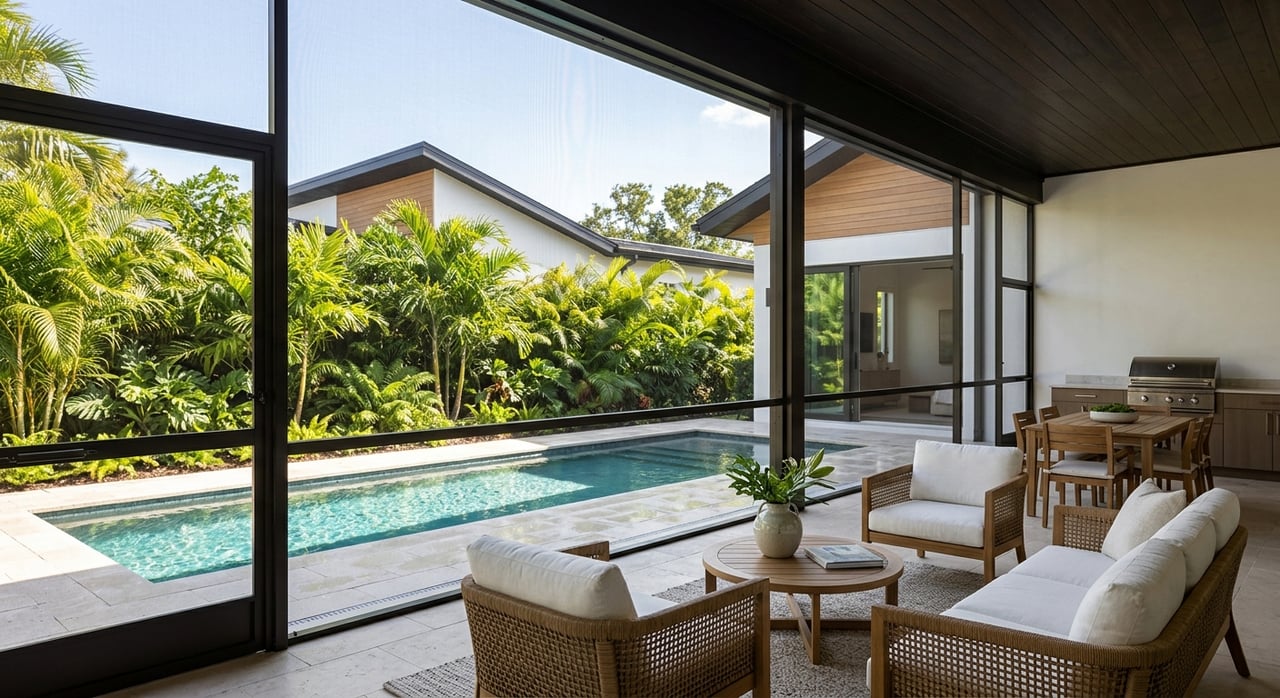
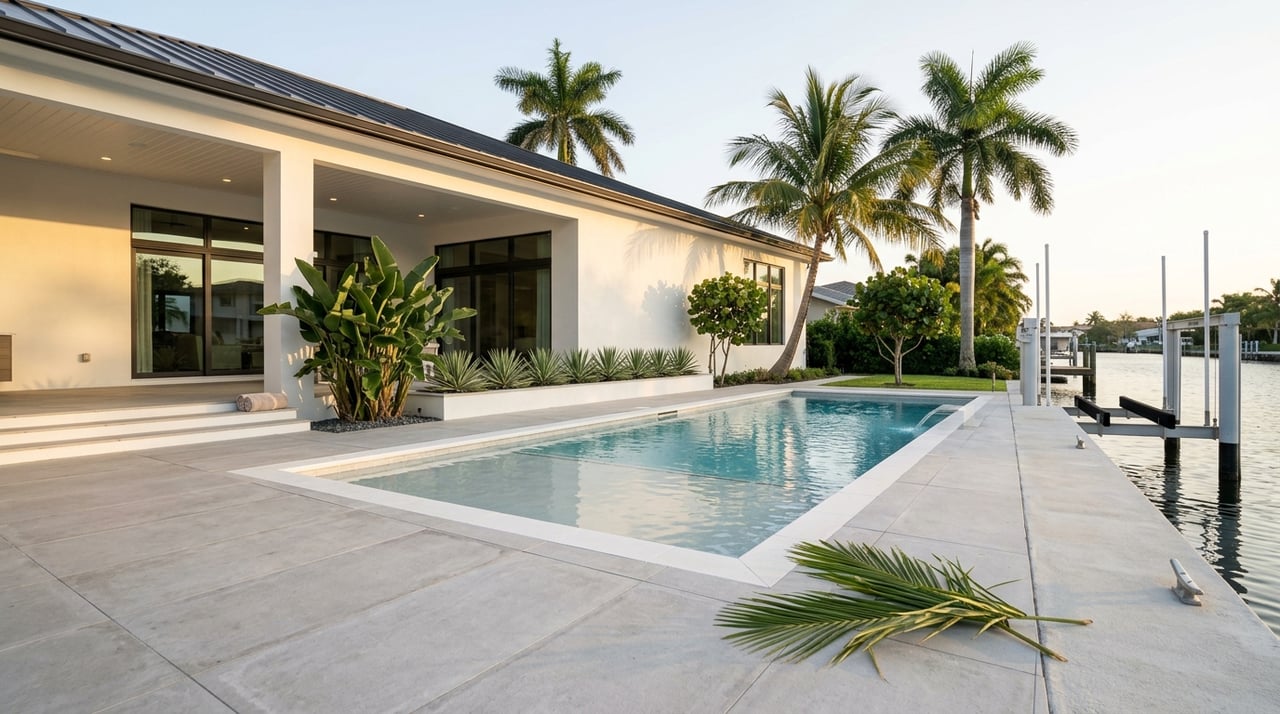
- Outdoor features: pool, lanai, dock, lift, and usable boat size.
- Flood zone and elevation: insurance costs and lender requirements.
- Lot orientation and privacy: water view, frontage, and sightlines.
For many buyers, waterfront utility and condition are make-or-break items. That is why accurate adjustments for these features are critical.
Waterfront features that change price
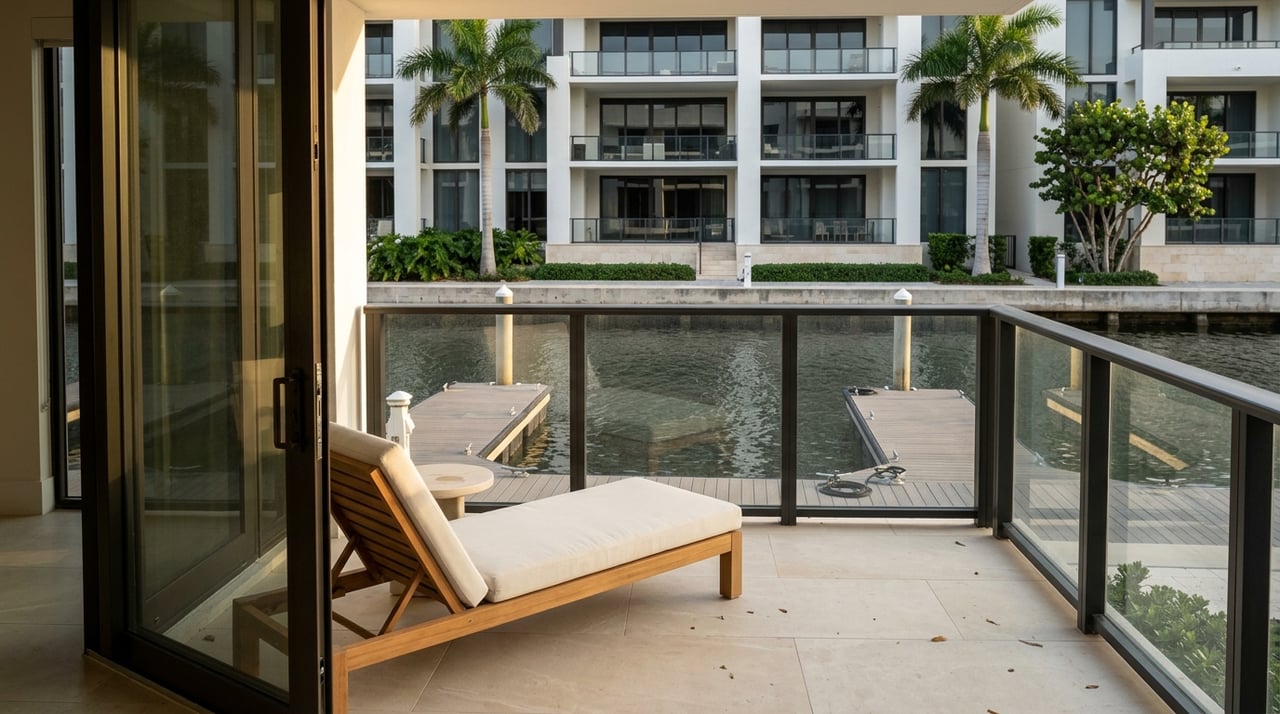
Water access is not one-size-fits-all. Use waterfront comps that match your property’s specifics and adjust thoughtfully for differences.
Key elements to review:
- Type of waterway: direct saltwater access to Charlotte Harbor and the Gulf typically commands the highest premiums, especially with no fixed-bridge limits.
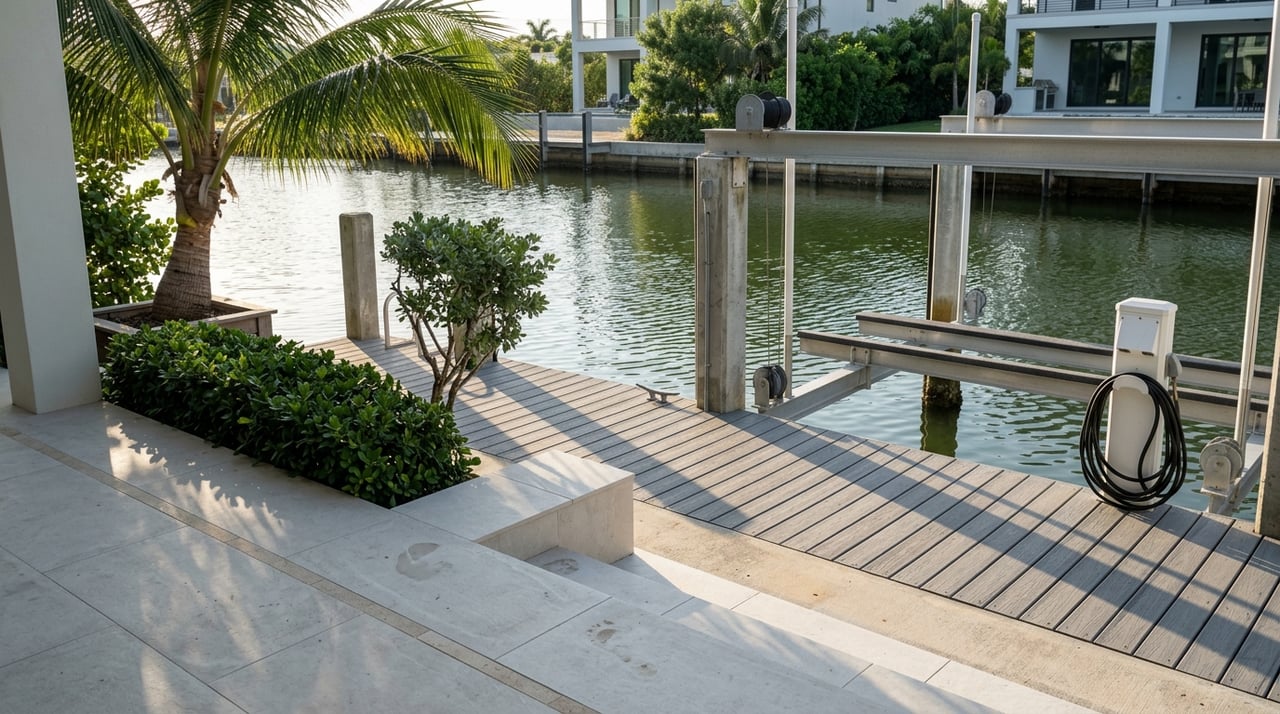
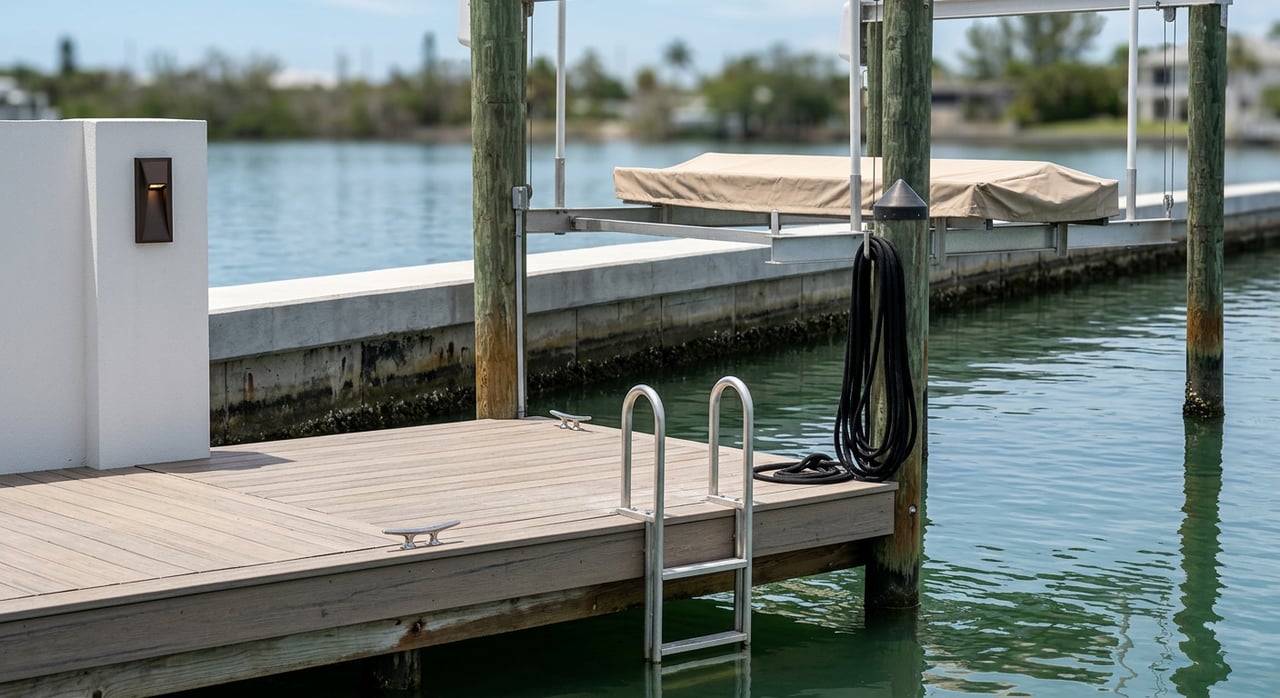
- Dock and lift: capacity, condition, and boat size supported. A functional dock and lift increase utility and buyer appeal.
- Seawall: age and condition matter. A failing seawall can bring large repair costs and limit financing.
- Bridges and navigation: fixed-bridge height and dredging limits affect usability for some boats.
- Lot frontage and view: wider waterfrontage and unobstructed views are attractive to lifestyle buyers.
- Tidal exposure and storm surge risk: impacts maintenance and insurance.
When preparing a CMA, avoid mixing gulf-access sales with canal-front sales without quantifying the difference in access, dock function, and maintenance risk.
Condition and improvements that matter
Buyers in Port Charlotte, especially waterfront buyers, tend to favor move-in ready homes. Condition adjustments can be larger here than in some markets.
Items to document and evaluate:
- Roof age and material, HVAC age and service history, and electrical panel capacity.
- Kitchens and baths: quality, date of remodel, and permits.
- Impact windows or shutters, flooring, and the condition of screened lanais.
- Pools: overall condition, safety features, and maintenance setup.
- Permitted vs. unpermitted work: permitted updates usually carry more value.
- Any pest, mold, or structural findings: these can reduce the buyer pool and increase time on market.
If you plan to sell, simple repair and refresh items can improve your net without major expense.
Flood zones, insurance, and regulations
Flood zone designation affects both financing and insurance. Properties above Base Flood Elevation often have more favorable insurance options. Consider:
- FEMA FIRM flood zones and elevation certificates when available.
- Availability and cost of flood insurance and wind coverage, which can vary by location and building features.
- Permits and code compliance for docks, lifts, and seawalls.
- Any open permits or code issues that must be cleared prior to closing.
These items influence both buyer demand and your net proceeds, so it pays to confirm details early.
Prepare for a personalized value review
Set yourself up for a precise estimate by pulling together a few details:
- Property address and parcel ID.
- Year built, living area square footage, bed and bath count.
- Lot type: canal, gulf access, or inland, plus dock, lift, and seawall details.
- Recent photos of every room, exterior, roof, lanai, dock, and seawall.
- Permitted renovations and dates, including roof, HVAC, kitchens, and baths.
- Any known issues, disclosures, or recent inspections.
- Recent nearby sales or listings you think are comparable.
- Your timing: immediate, 30 to 90 days, or 6 months plus.
With this information, you can expect a tighter price range and fewer surprises later.
What your review will include
A thorough, local review should deliver:
- A suggested market price range and recommended list price.
- Three to six comparable sales with clear explanations of adjustments.
- Expected days on market based on current inventory and seasonality.
- A net proceeds estimate that outlines typical local closing costs.
- Low-cost prep or staging suggestions to improve your outcome.
This gives you a clear path from pricing to launch.
Pricing strategy and seasonality
Port Charlotte sees seasonal rhythms, with more winter visitors and second-home buyers in some months. Pricing strategy should match the current pace of the market.
- In a balanced or active market, pricing near the expected sale price and investing in strong photography works well.
- In a slower market, consider small pre-list improvements and staged pricing to attract attention.
- For waterfront properties, a pre-listing inspection can reduce negotiation friction and speed closing.
The right list price will reflect both your home’s adjusted value and today’s buyer activity.
Next steps
If you want a value you can trust, start with local comps and a thoughtful adjustment process. Then tailor strategy to your timing and goals. Whether you own a canal-front home, a gulf-access property, or an inland residence, a personalized review will help you price with confidence and plan your next move.
Ready to see your number? Reach out for a personalized, no-pressure value review backed by local expertise and global marketing reach. Connect with Carla Nix to get started.
FAQs
How do you estimate a Port Charlotte home’s value?
- A local CMA compares recent nearby sales, adjusts for differences like size, condition, and water access, then reconciles to a suggested price range.
How much more is waterfront worth in Port Charlotte?
- There is no set percentage. Value depends on access type, bridge restrictions, dock and lift function, seawall condition, view, and lot frontage.
Do pools increase value in Port Charlotte?
- Often, yes, because many buyers want outdoor living. Net impact depends on condition, maintenance expectations, safety features, and buyer preferences.
How do flood zones affect saleability and insurance?
- High-risk zones can raise insurance costs and affect financing. Elevation, mitigation features, and policy options influence buyer demand and value.
Should I get an appraisal or a CMA to set price?
- A CMA is appropriate for listing strategy and marketing. A licensed appraisal offers third-party confirmation and is often required for financing.
When is the best time to list in Port Charlotte?
- Many buyers arrive in winter, but the right timing depends on your property type and current inventory. A local CMA will guide price and timing together.