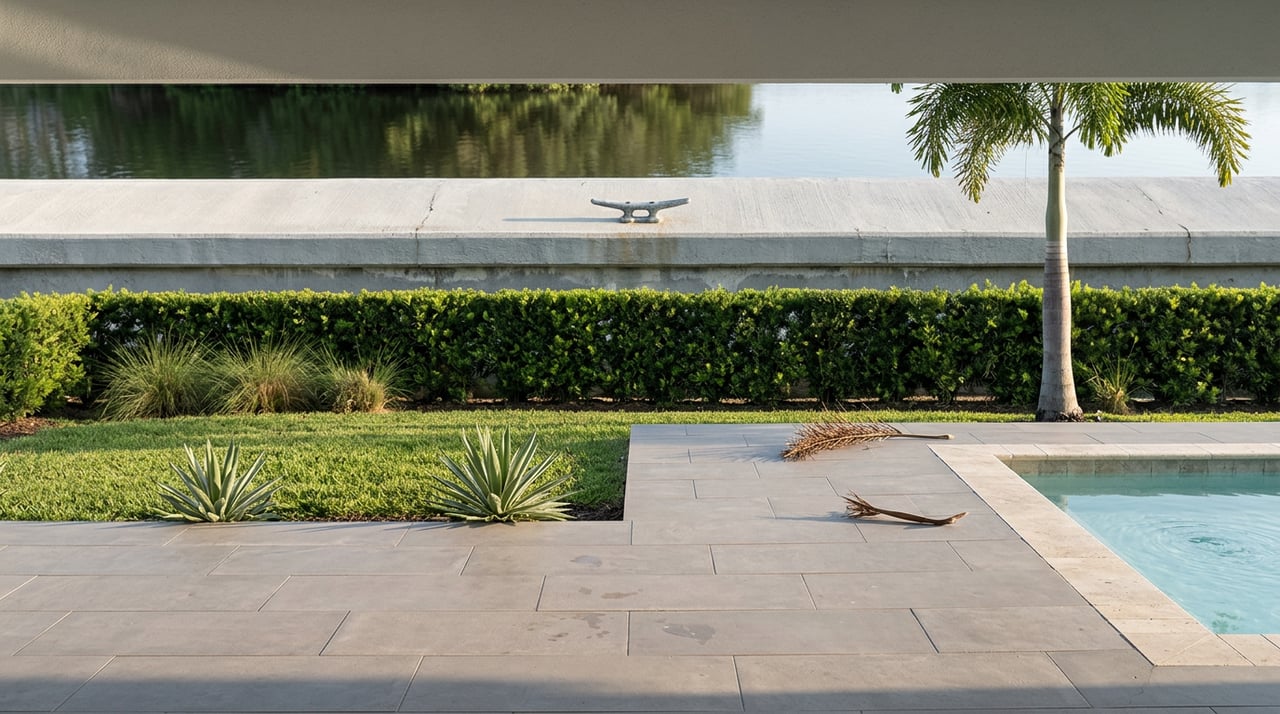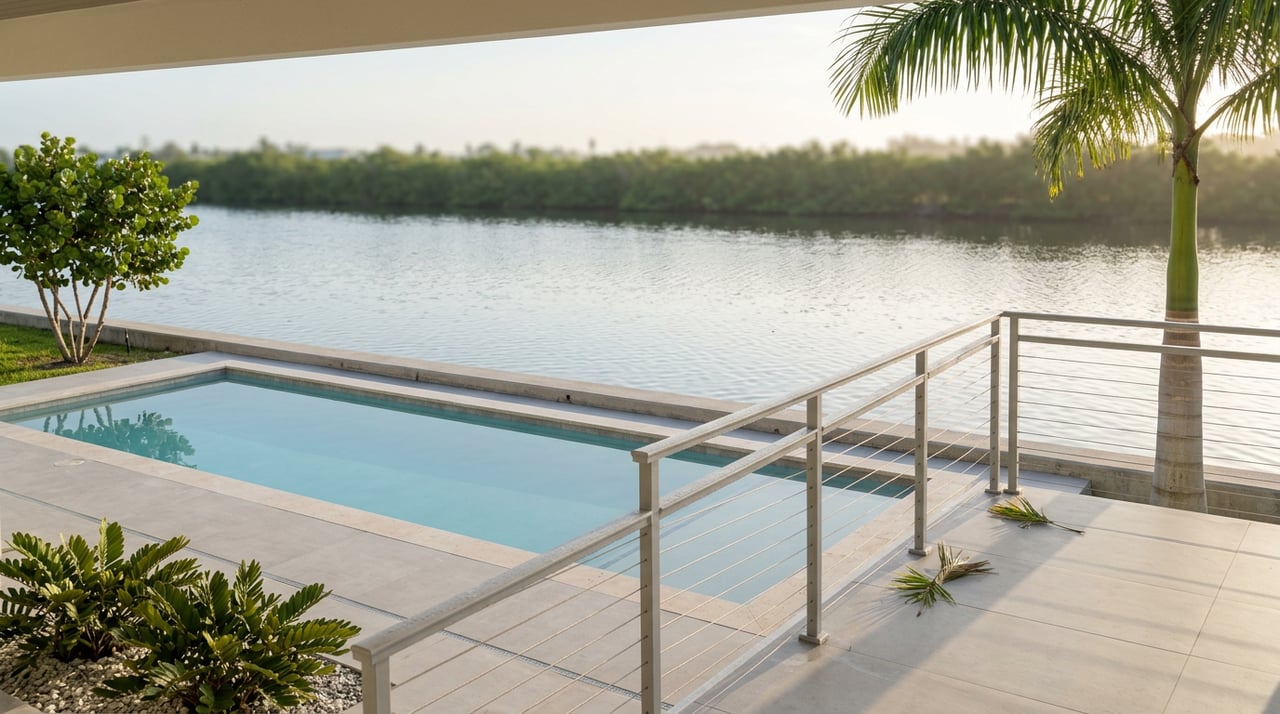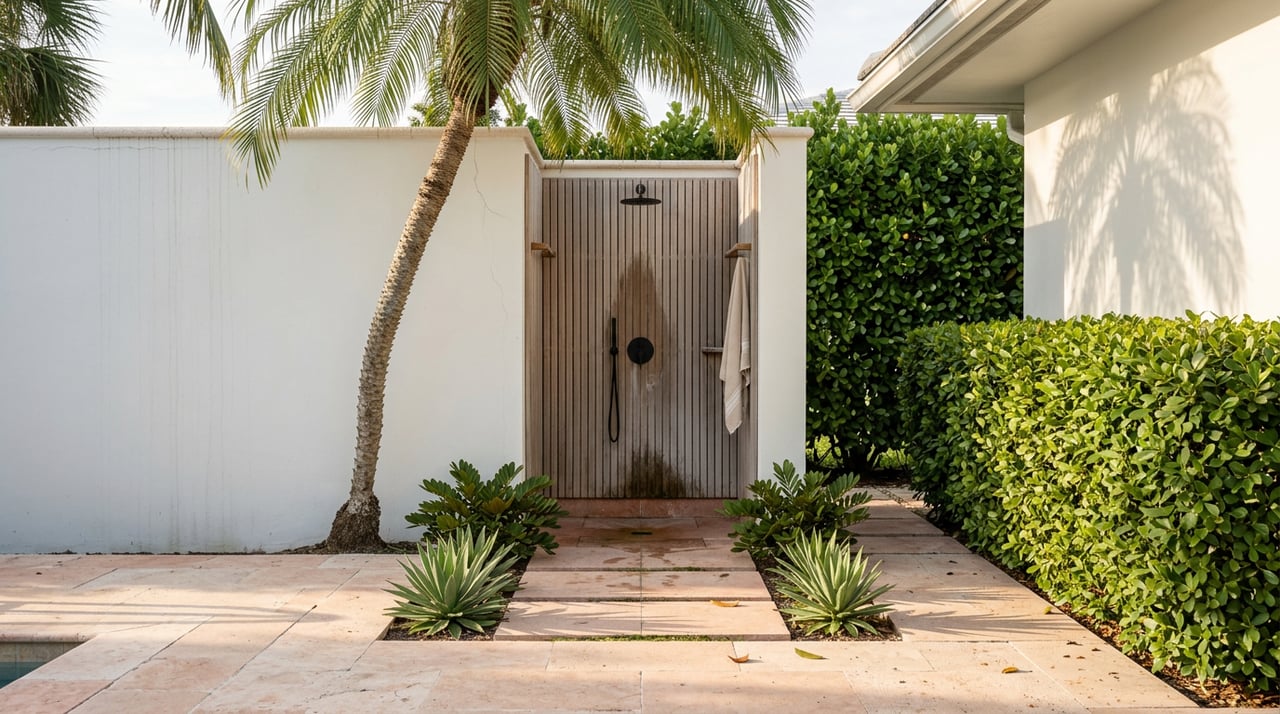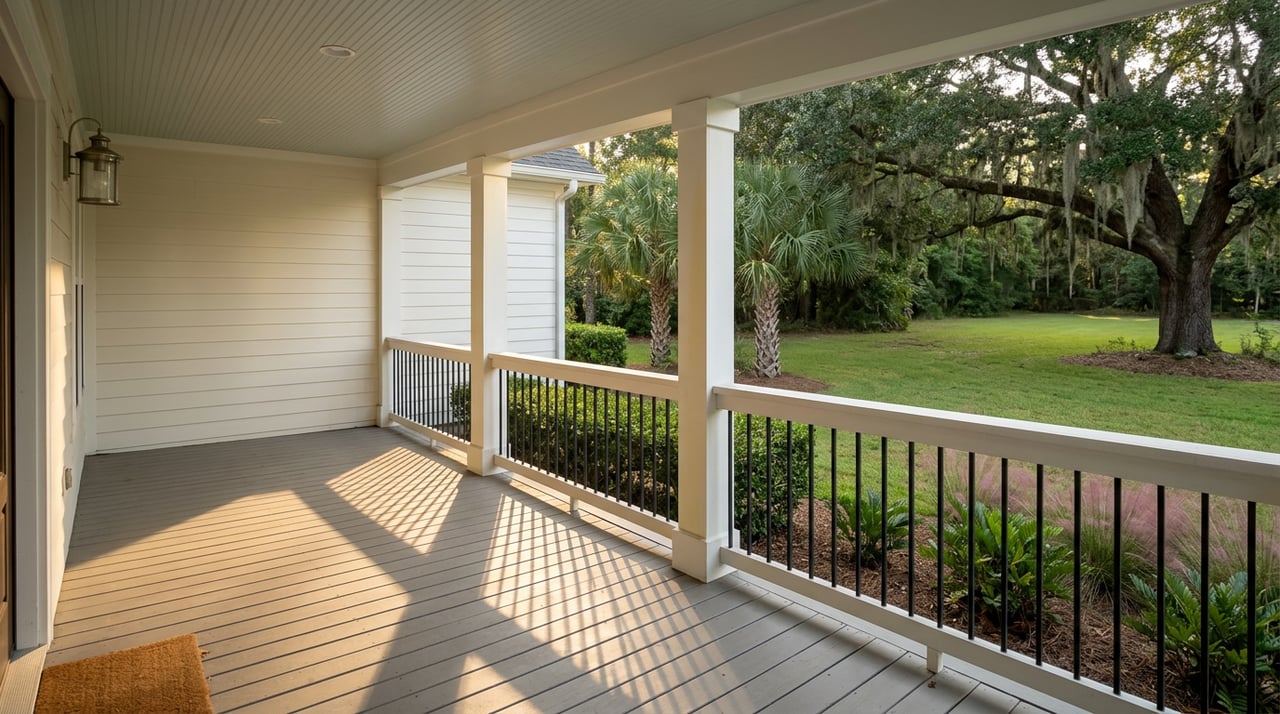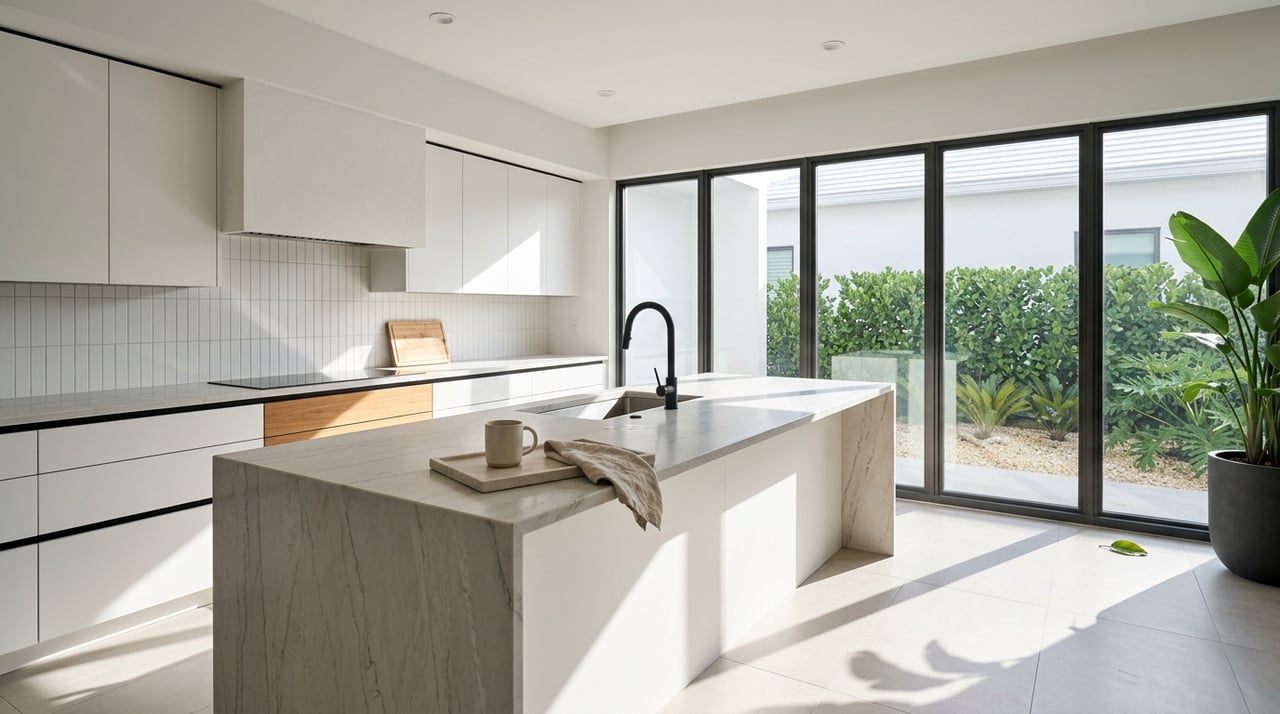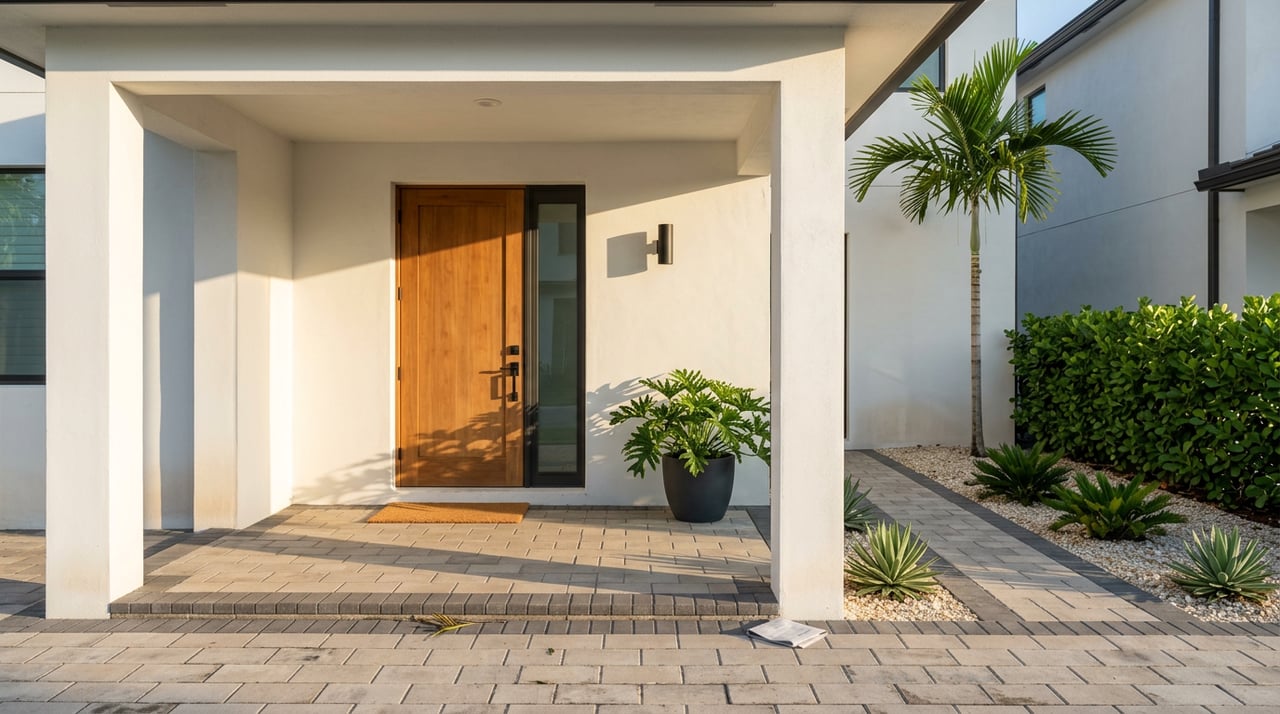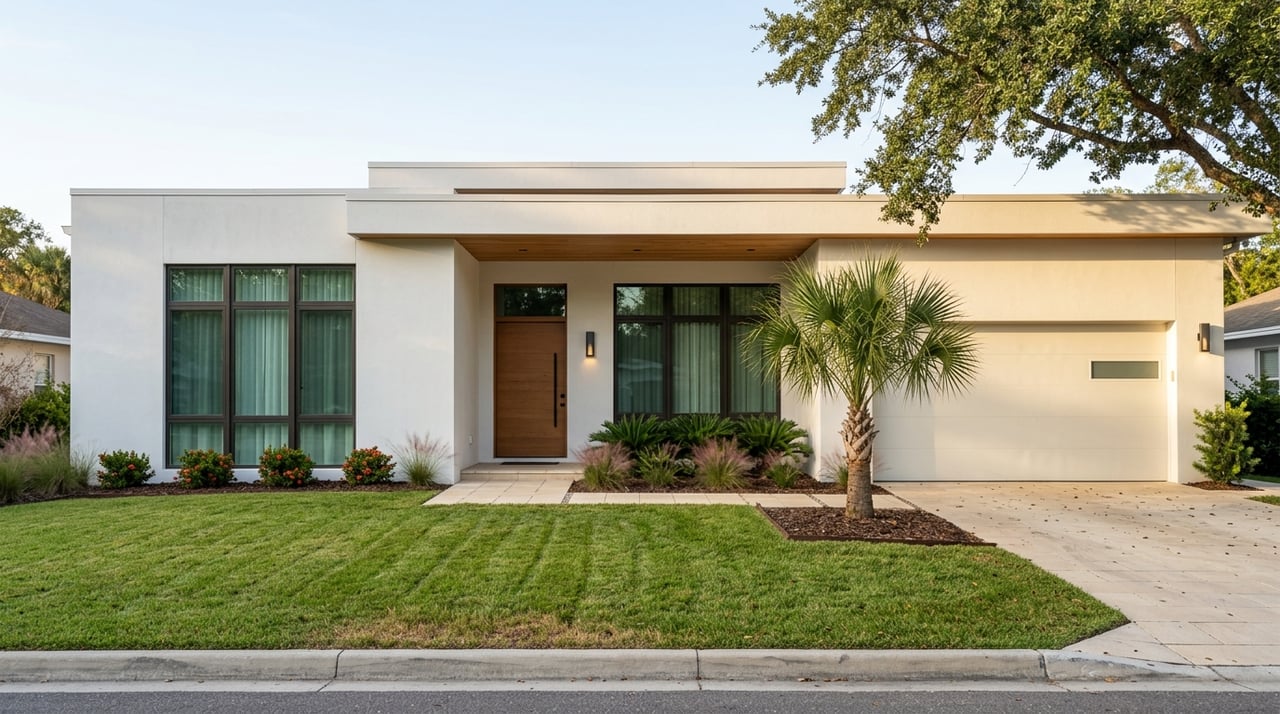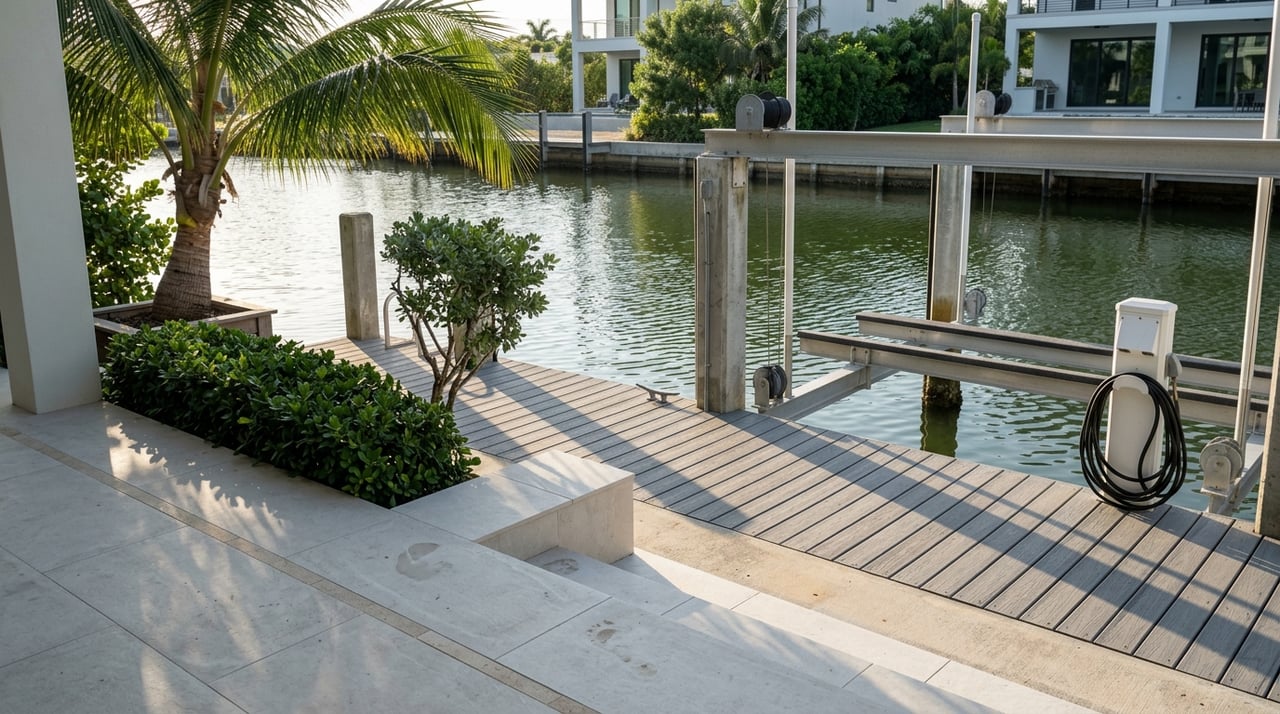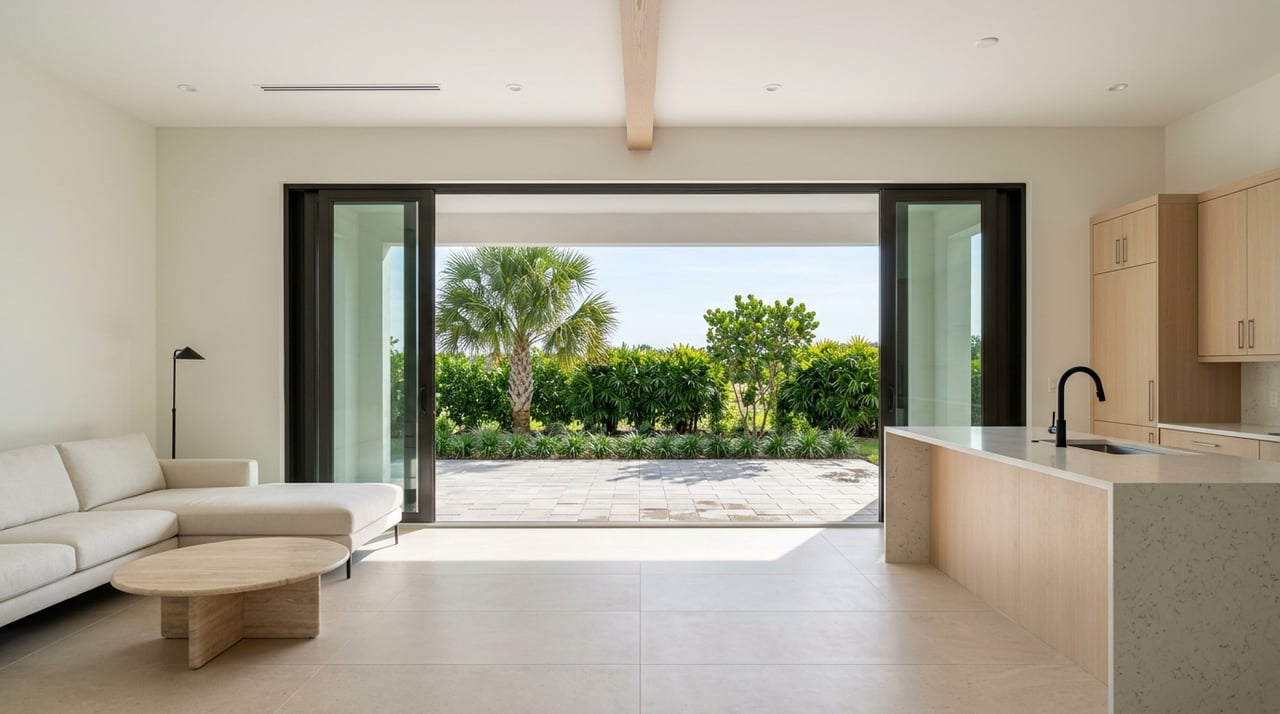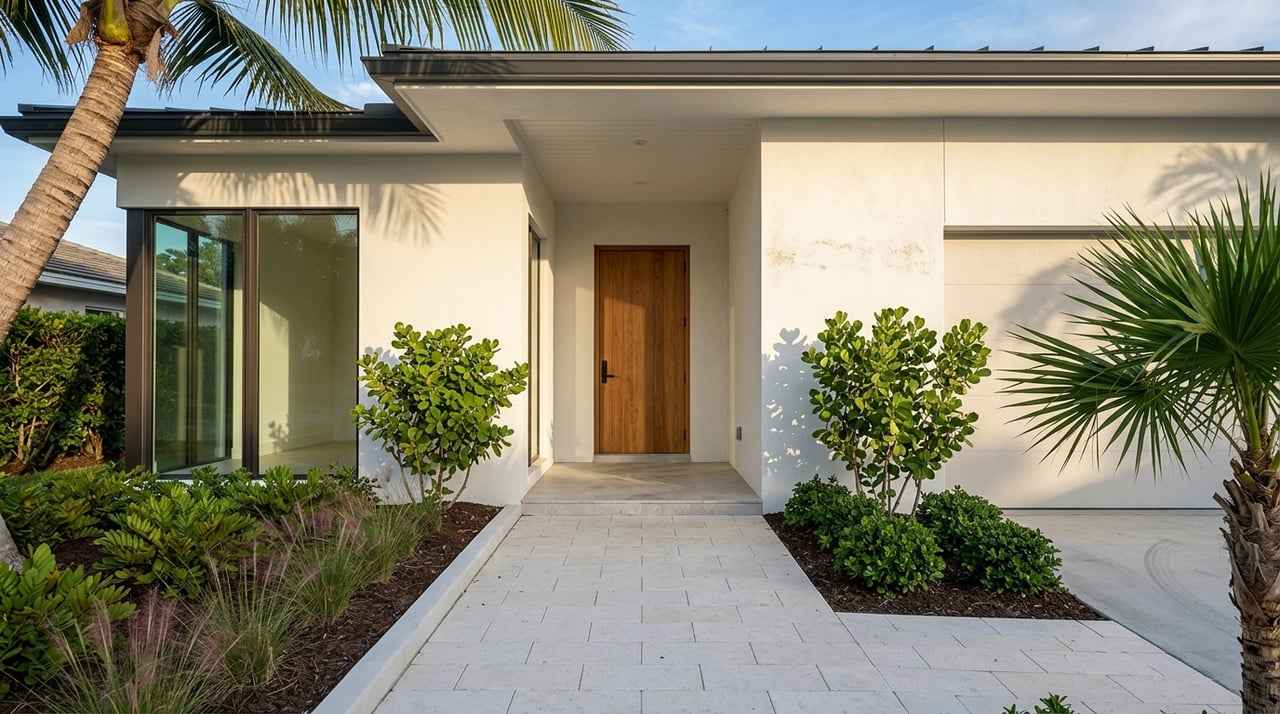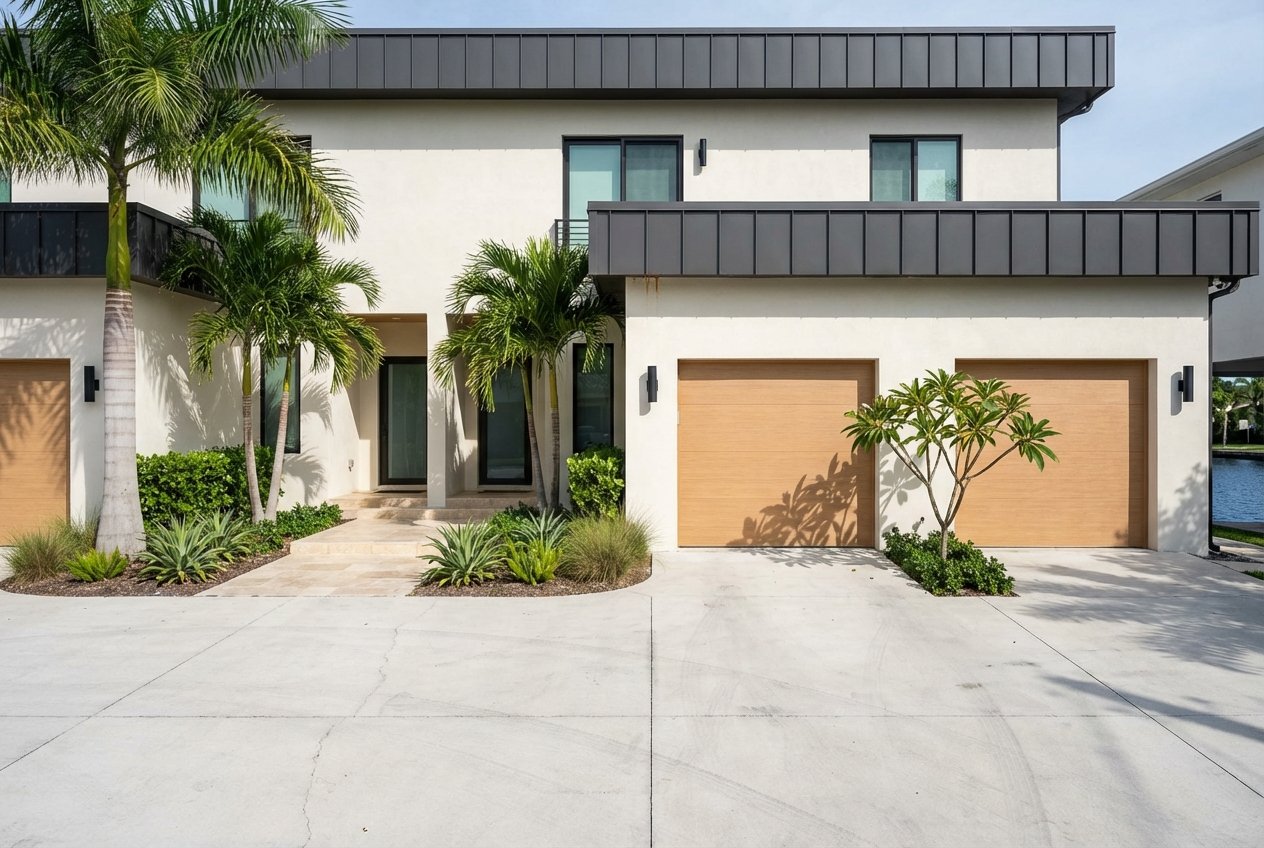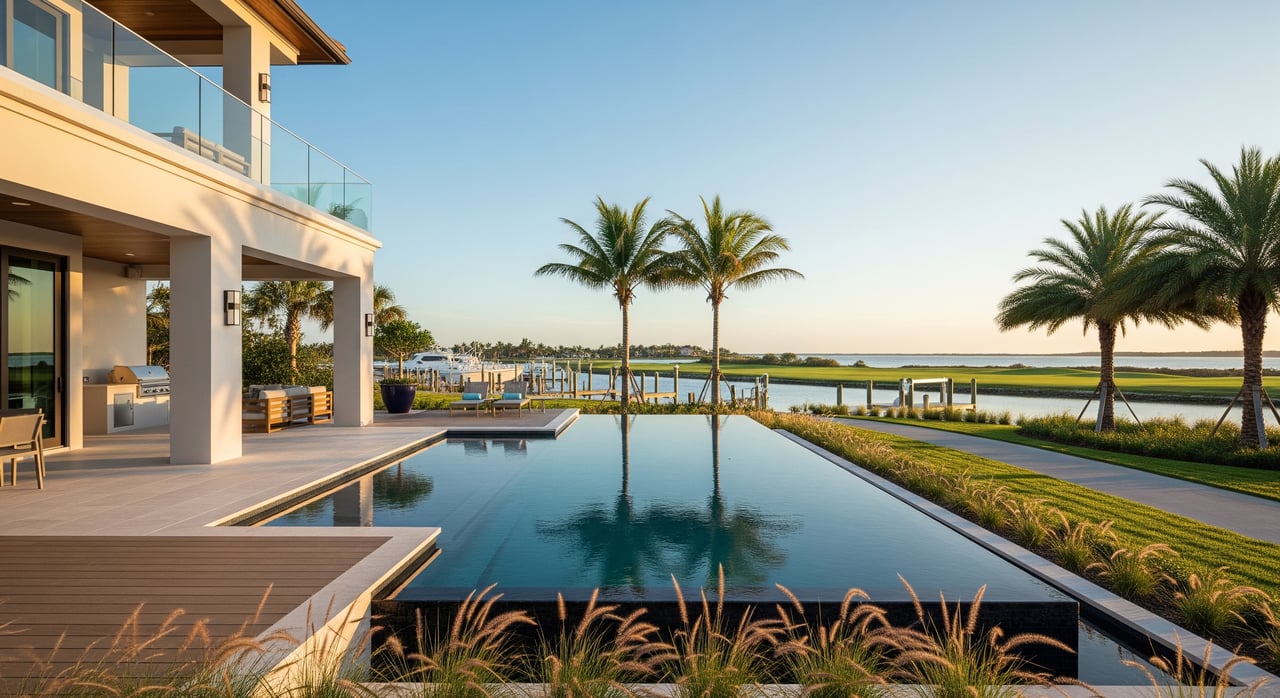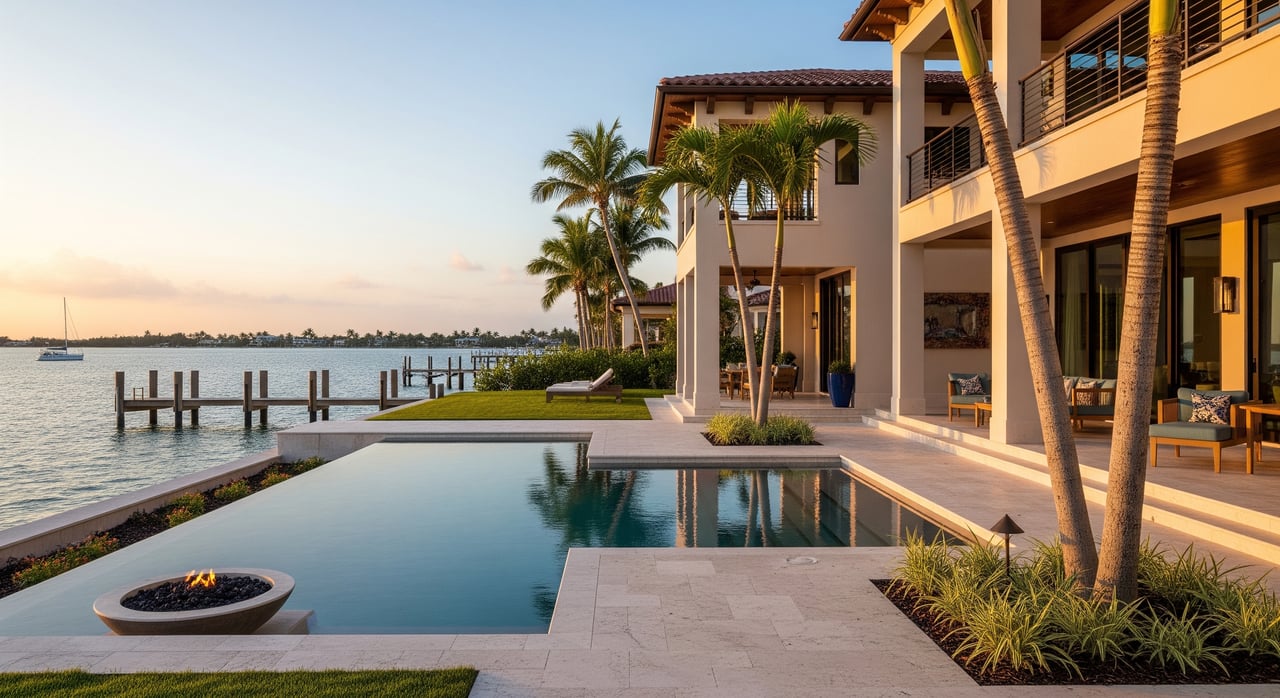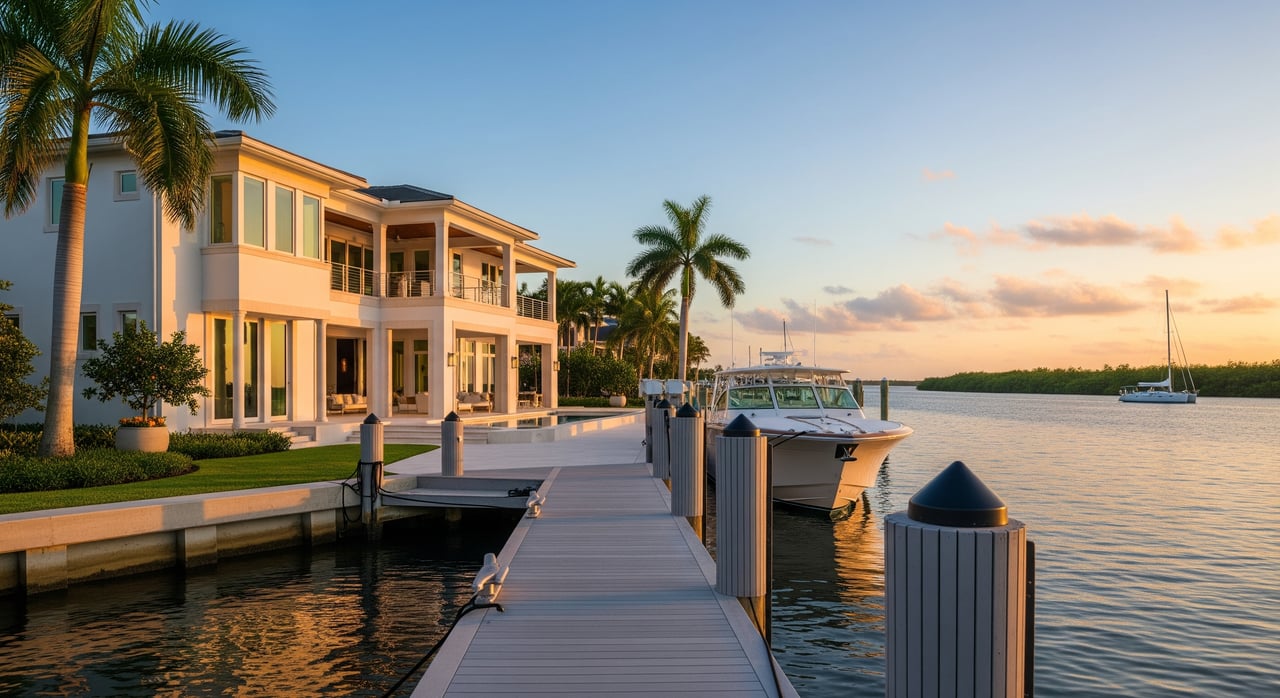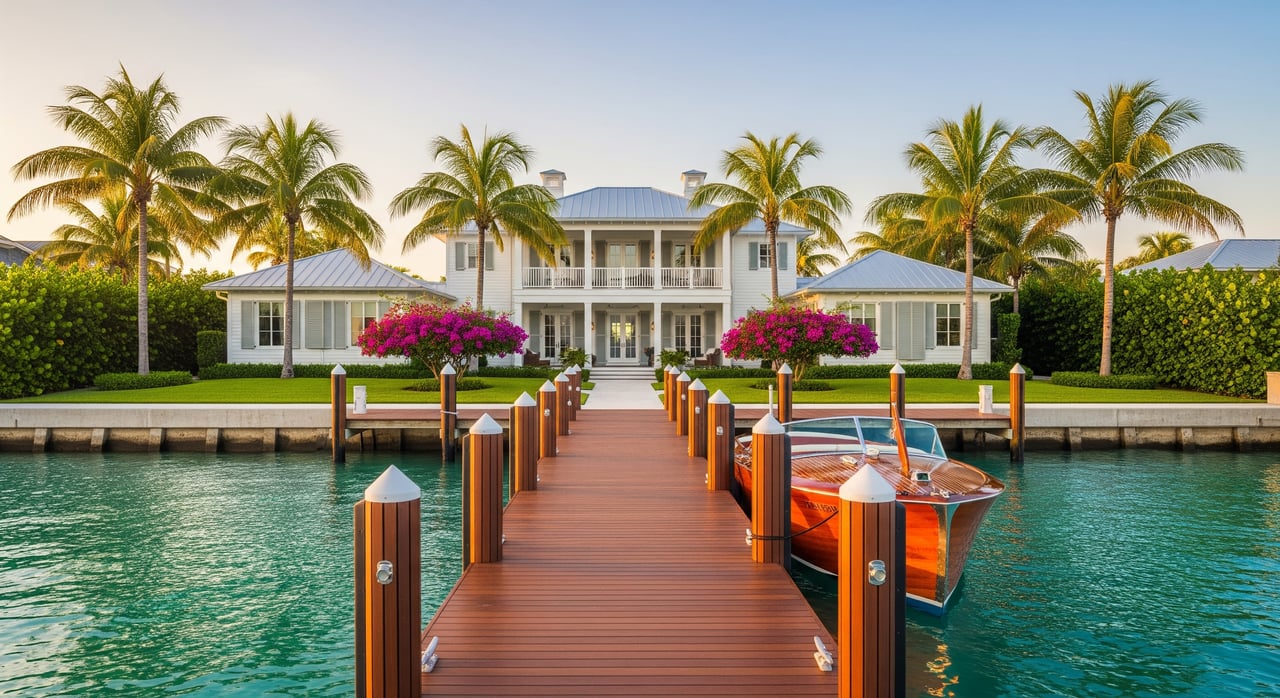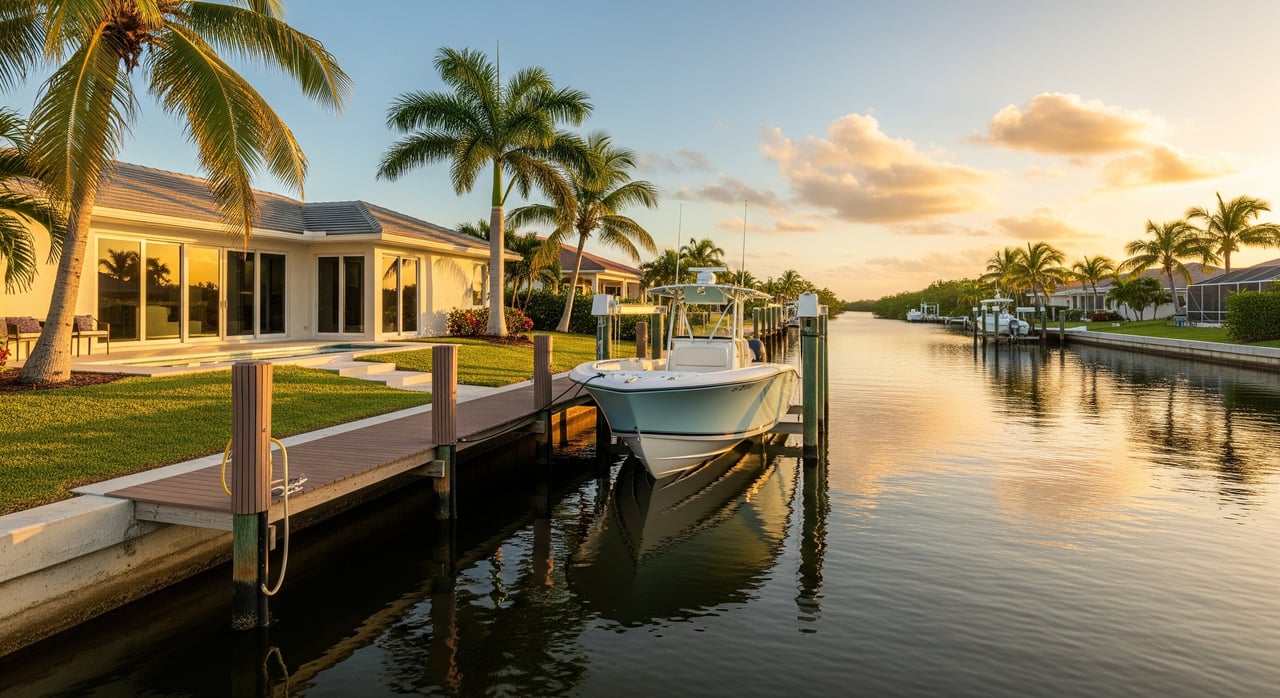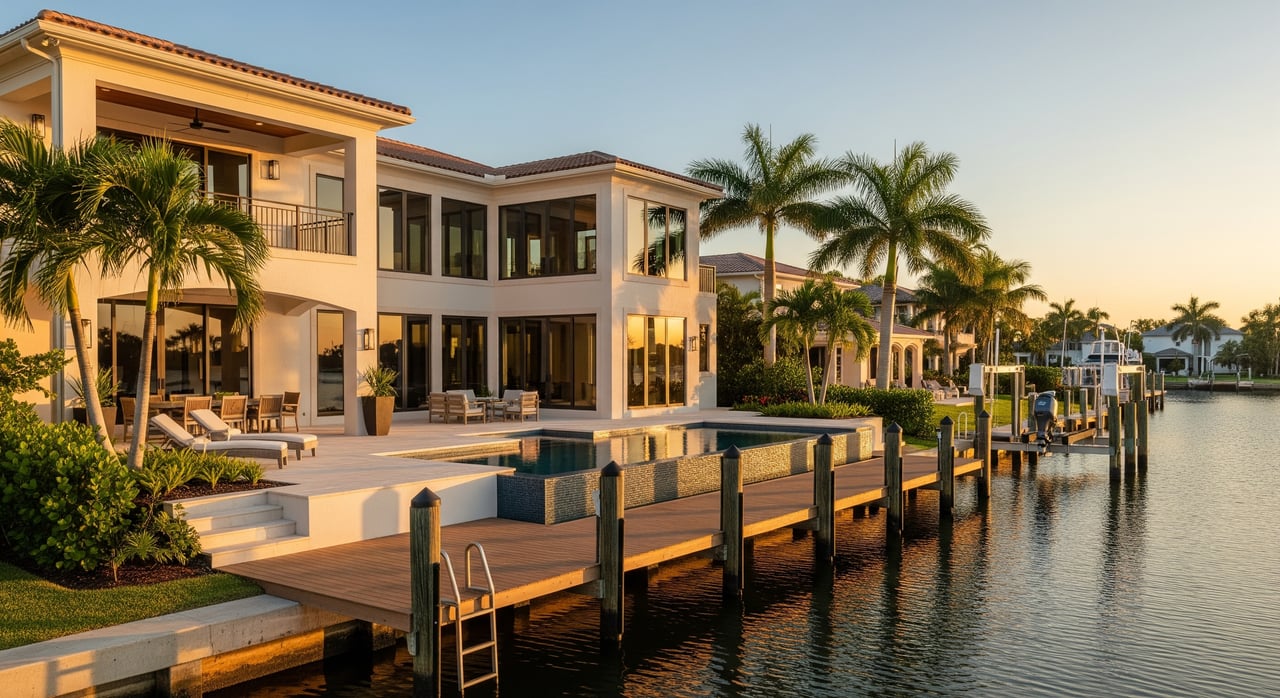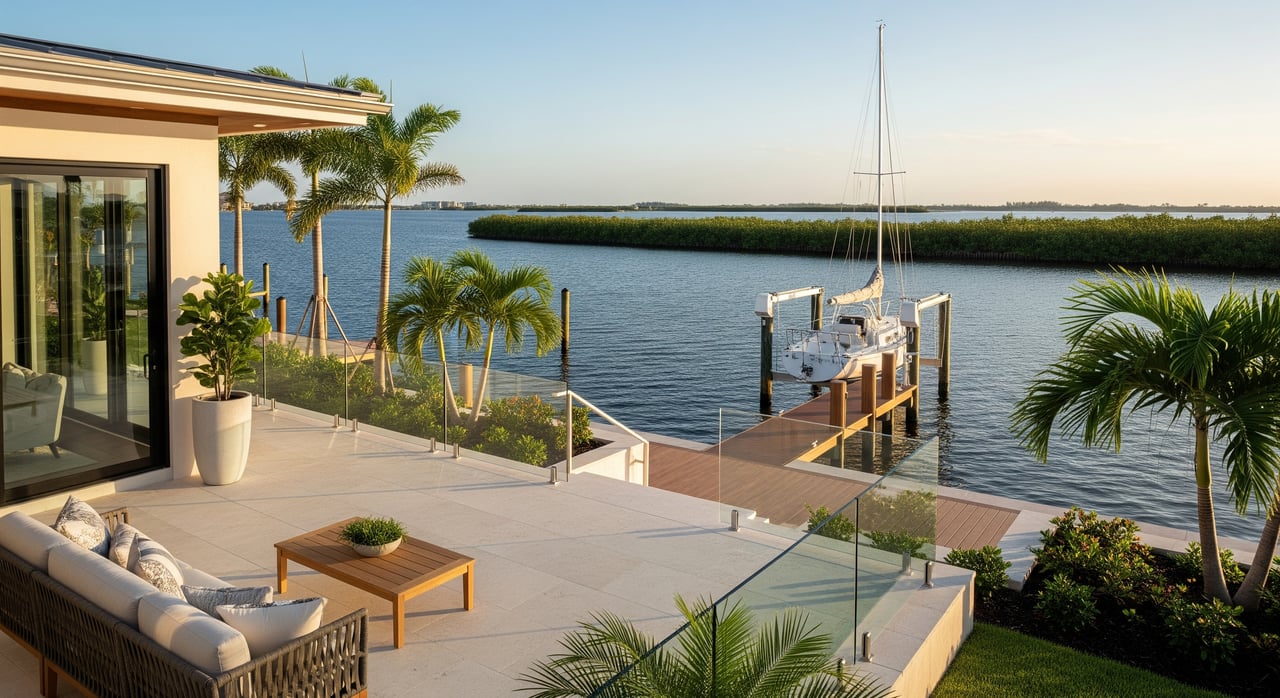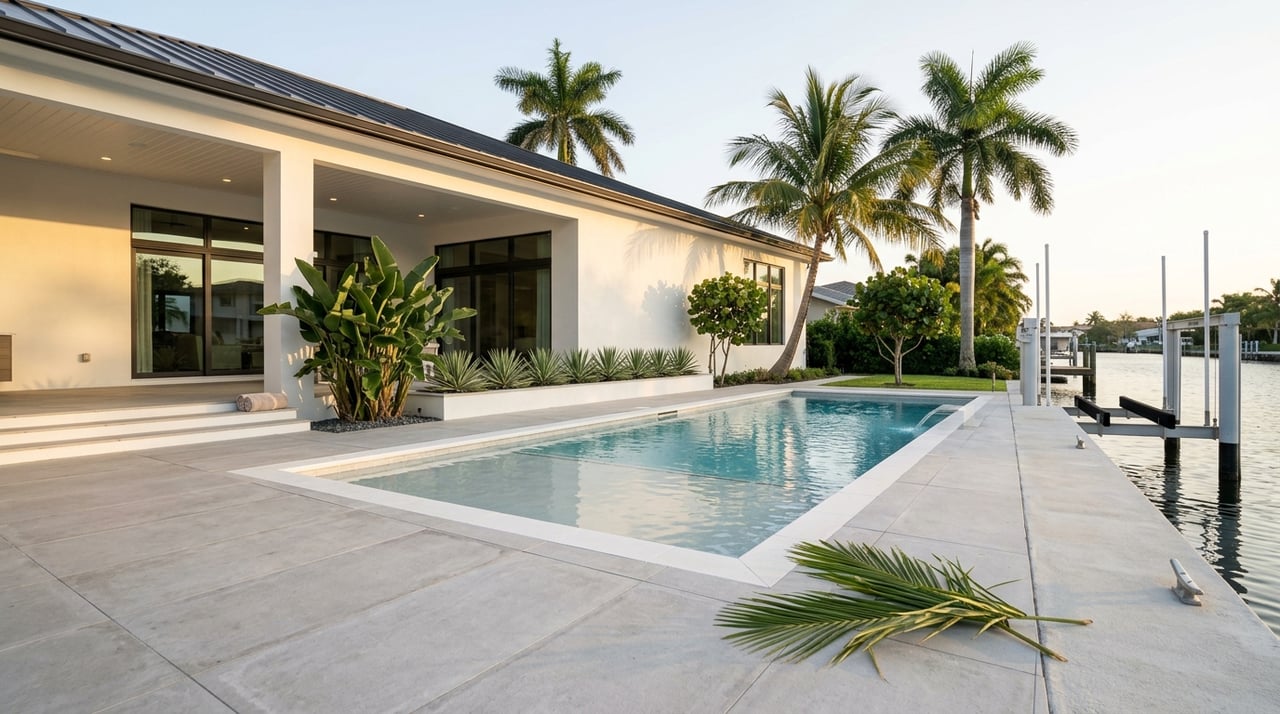
If your Cape Coral waterfront home should appeal to boaters, a generic waterfront listing is not enough. Buyers who keep a boat usually want answers fast, and they often decide within minutes whether a property fits their boating routine, dock setup, and route to open water. When you understand what those buyers are really looking for, you can position your home more clearly, market it more effectively, and reduce avoidable questions once showings begin. Let’s dive in.
Why Cape Coral draws boating buyers
Cape Coral has one of the strongest waterfront identities in Southwest Florida. The city says it has more than 400 miles of canals, and that network supports recreation, flood protection, irrigation storage, and property values.
For sellers, that matters because boating buyers do not just shop for a house. They shop for a waterfront lifestyle tied to canal type, access, and ease of use. In Cape Coral, those details can shape how quickly a buyer sees value in your property.
Start with the canal story
Explain canal type clearly
One of the first things a boating buyer wants to know is whether your home is on a freshwater canal, a saltwater canal, or a route with direct access toward the Caloosahatchee River and the Gulf. Cape Coral officially distinguishes freshwater and saltwater canals, and not every canal serves the same boating function.
That means your listing should go beyond the word “waterfront.” A clear description of the canal type gives buyers a practical starting point and helps them understand how the property may fit their boating plans.
Describe the route to open water
For many buyers, the real question is simple: Where does the boat go from here? That is why the route from your dock to the river or Gulf can be more important than broad phrases like “boater’s dream” or “gulf access.”
If your home offers a straightforward route, say so plainly. If the route is part of the appeal, your marketing should make it easy for buyers to picture leaving the dock, heading out for the day, and returning home without confusion.
Highlight the marine improvements
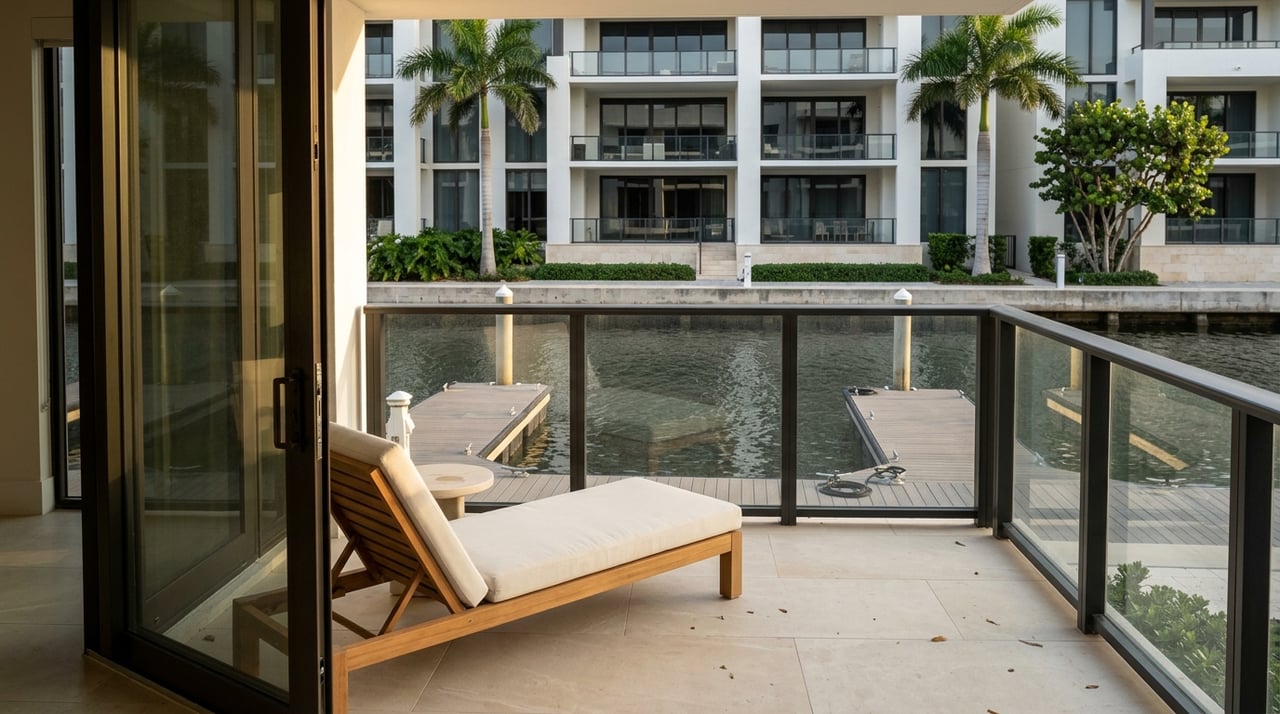
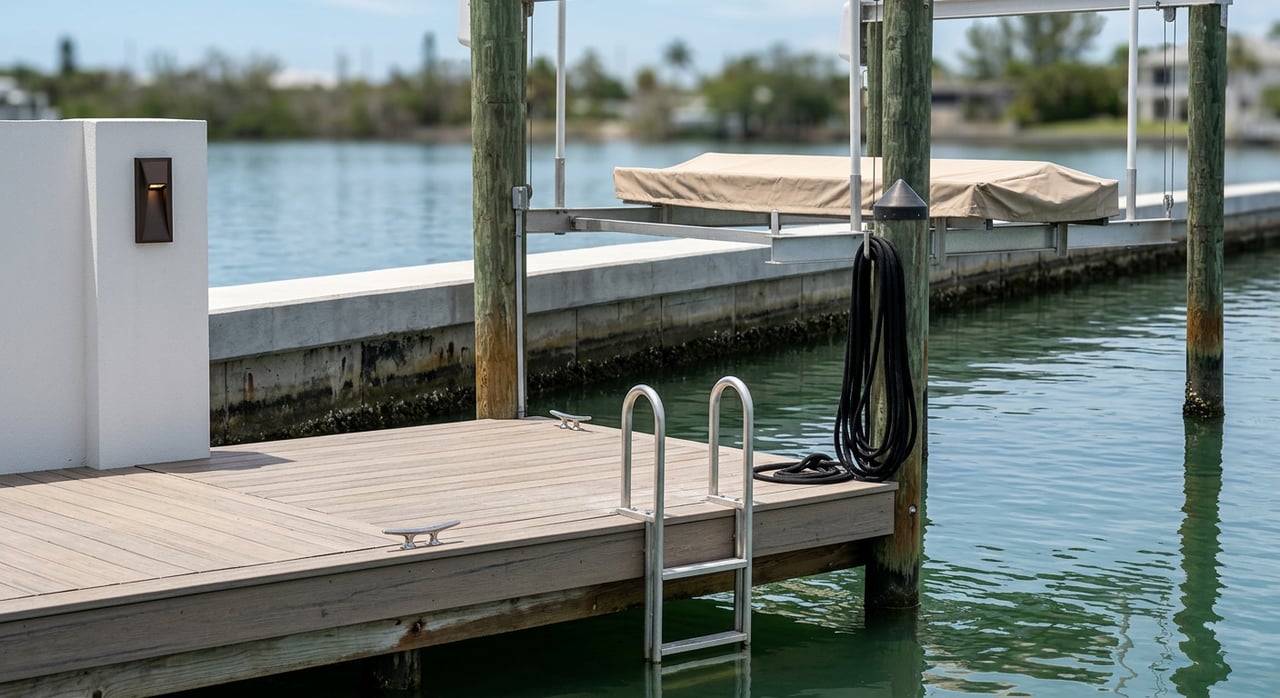
Document the dock and lift
Cape Coral treats docks, boat lifts, captains walks, tiki huts, and seawalls as separate marine-improvement categories through its permit system. Because of that, buyers often want specific details rather than general statements.
Helpful information may include dock dimensions, lift specifications, and any known permit history. If a used boat lift is involved, the city notes that a hold-harmless form may be required, which makes organized records even more valuable during a sale.
Address seawall and shoreline condition
Boaters usually notice the shoreline right away. They are paying attention to whether the edge feels stable, functional, and manageable, not just attractive in photos.
Cape Coral’s waterfront guidance says seawalls are not required on freshwater canals, and it also notes that rip rap, seawall alternatives, and mangrove trimming are regulated. That means your listing should accurately describe what is there today and avoid casual promises about changing shoreline features later.
Make the backyard feel usable
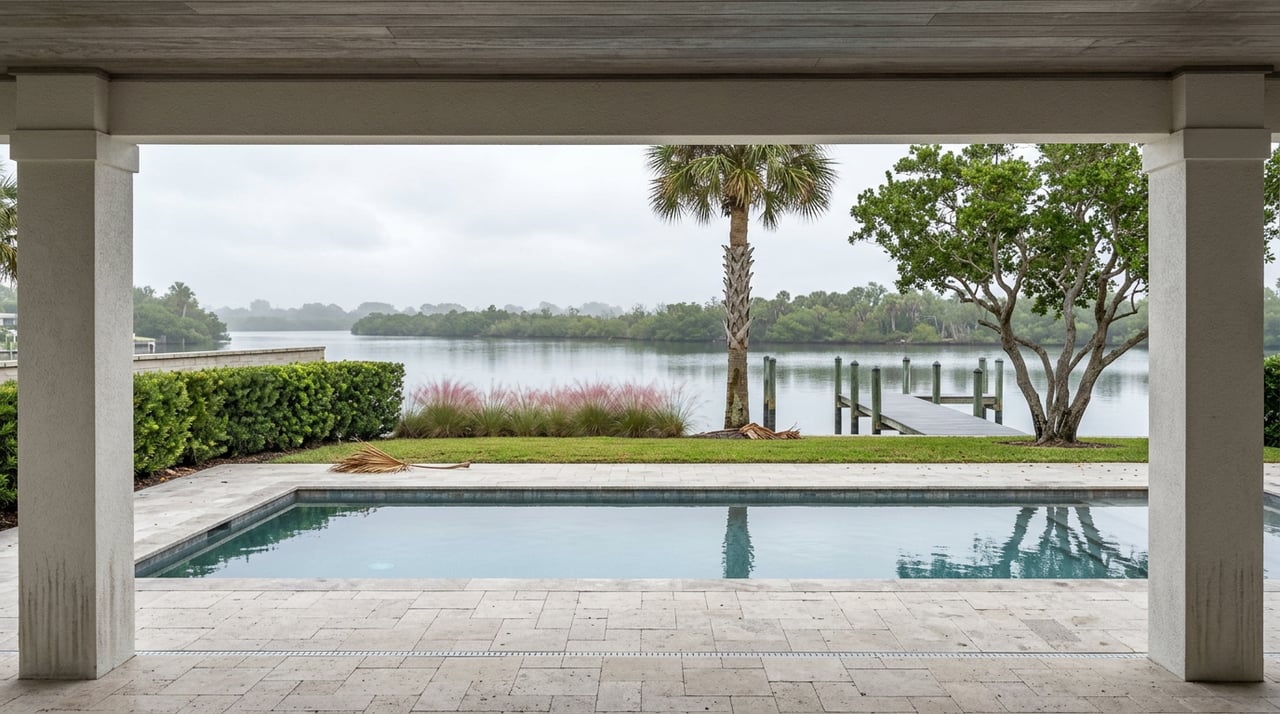
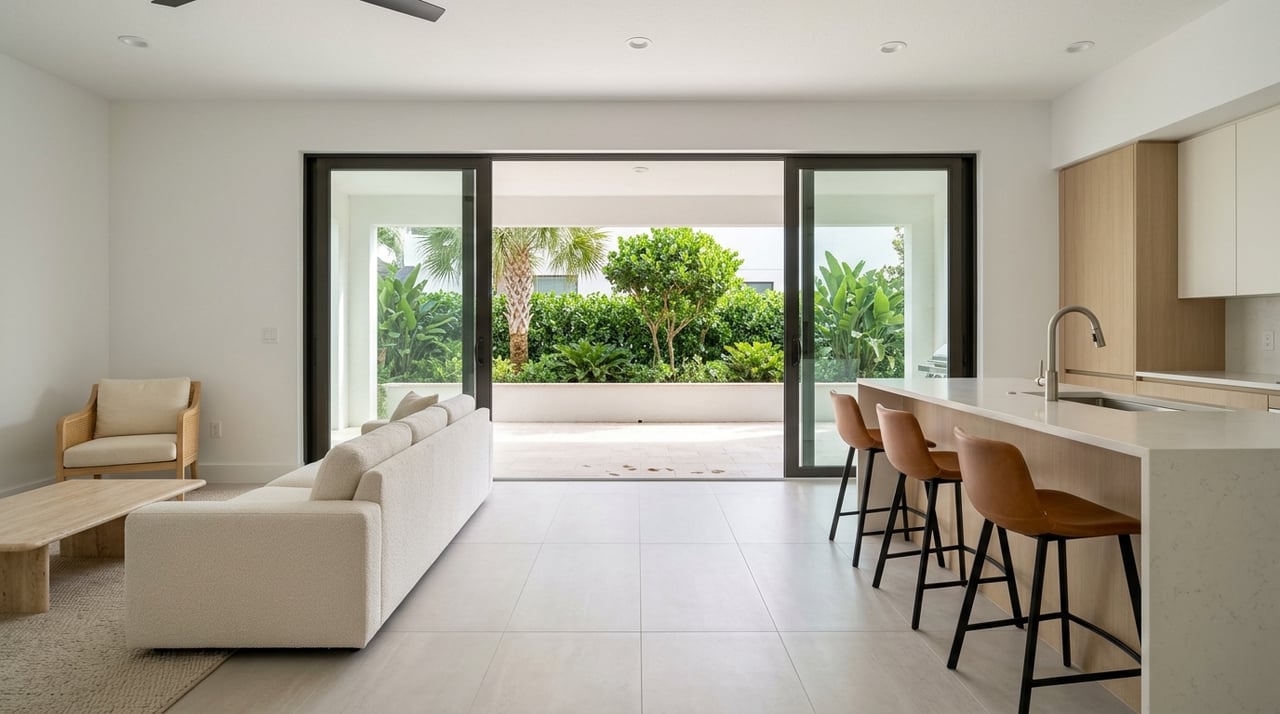
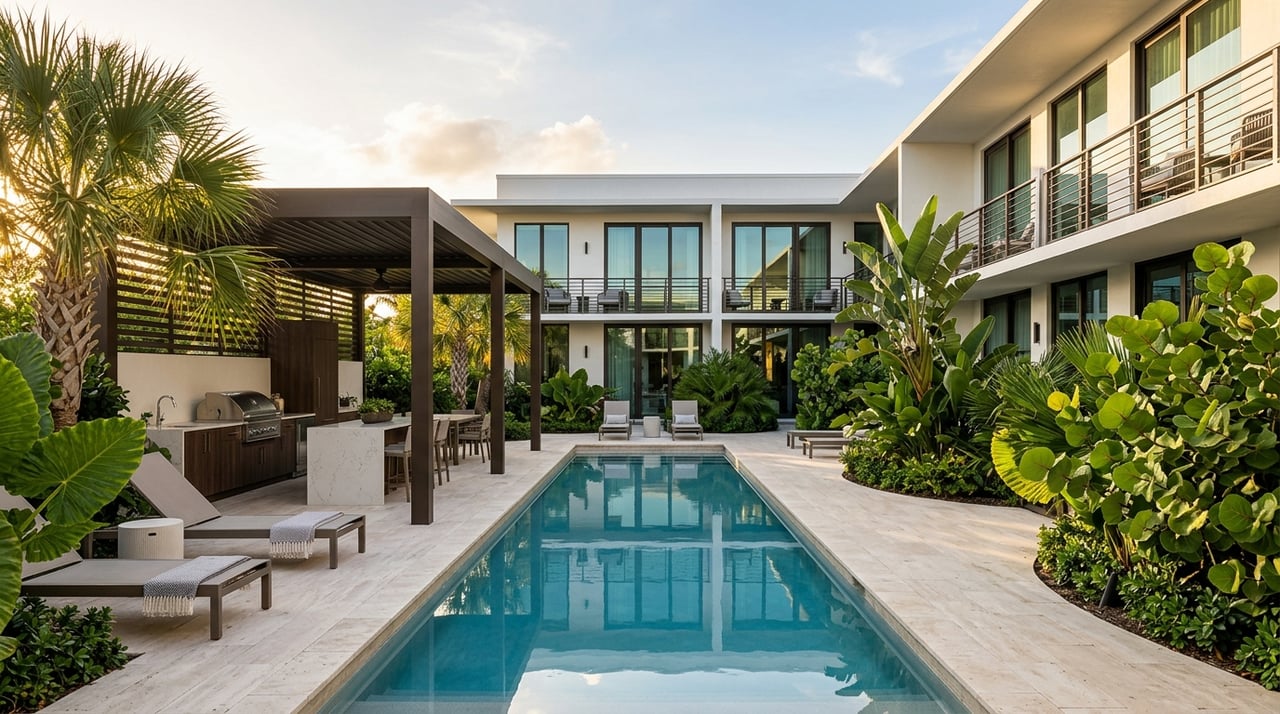
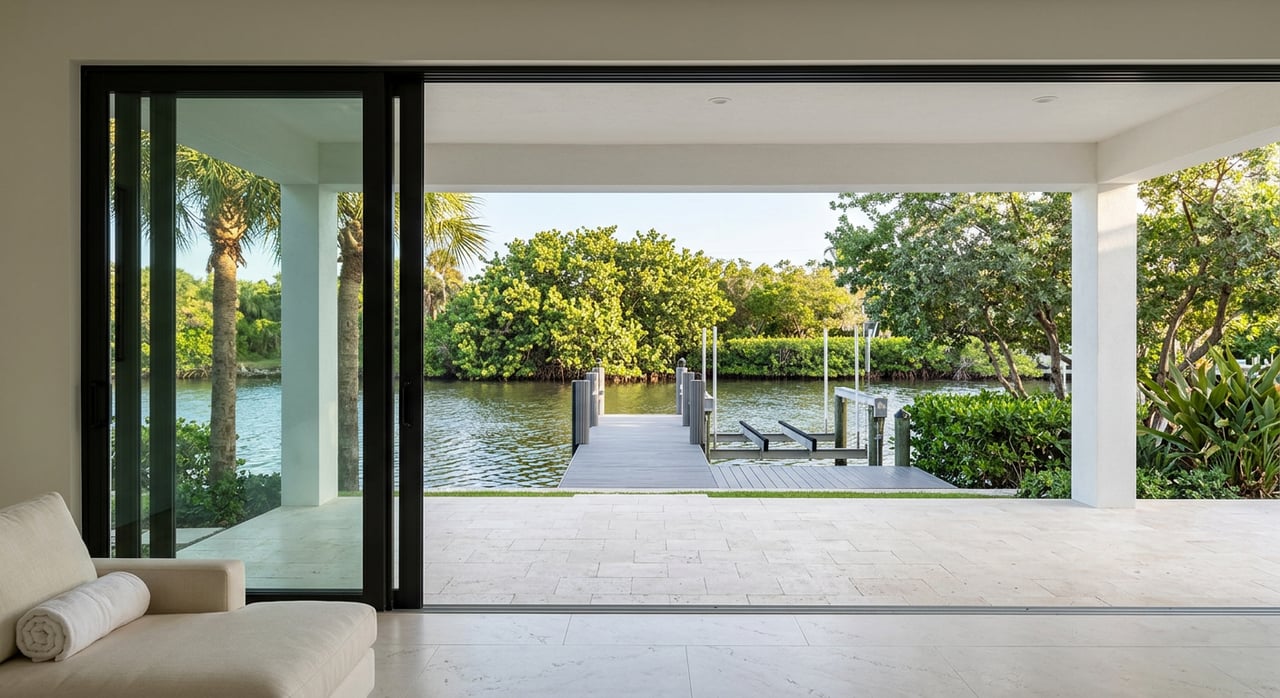
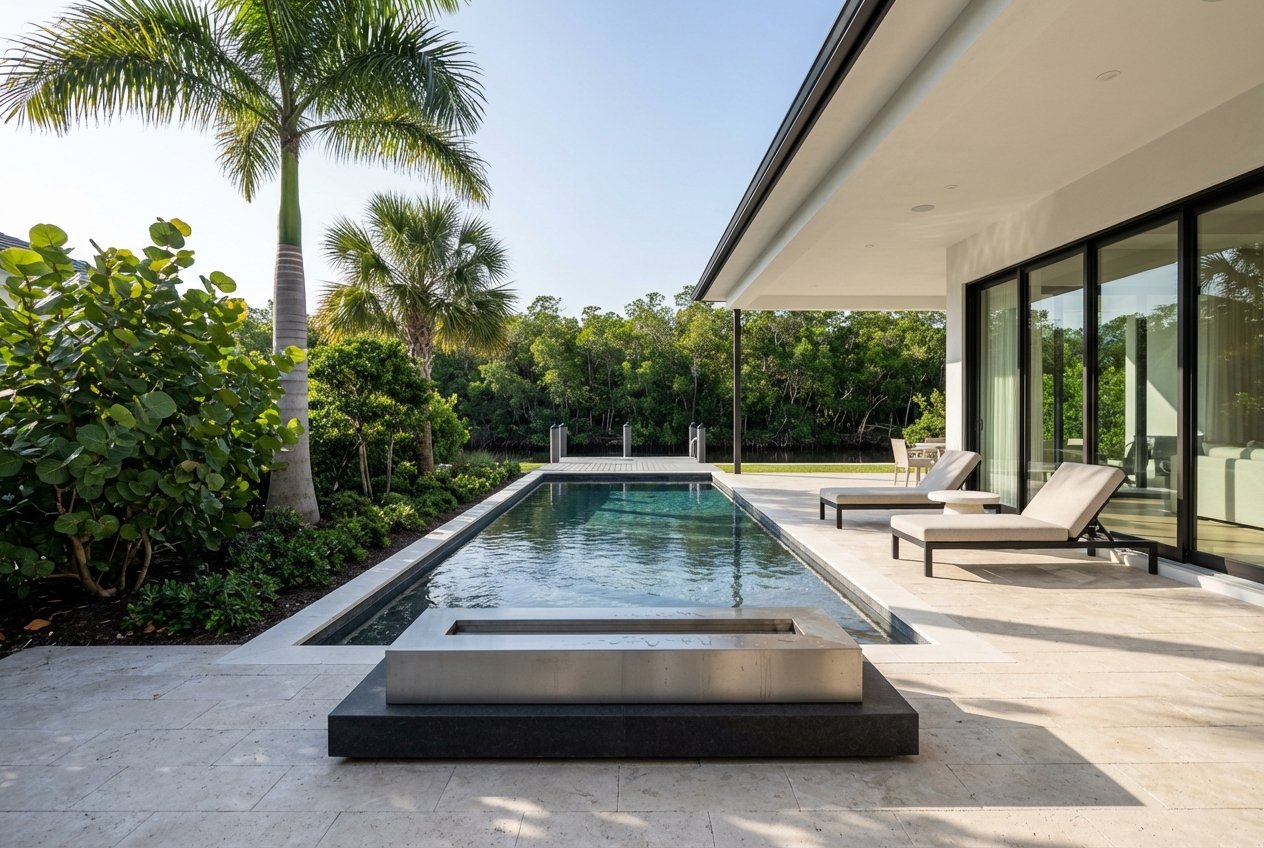
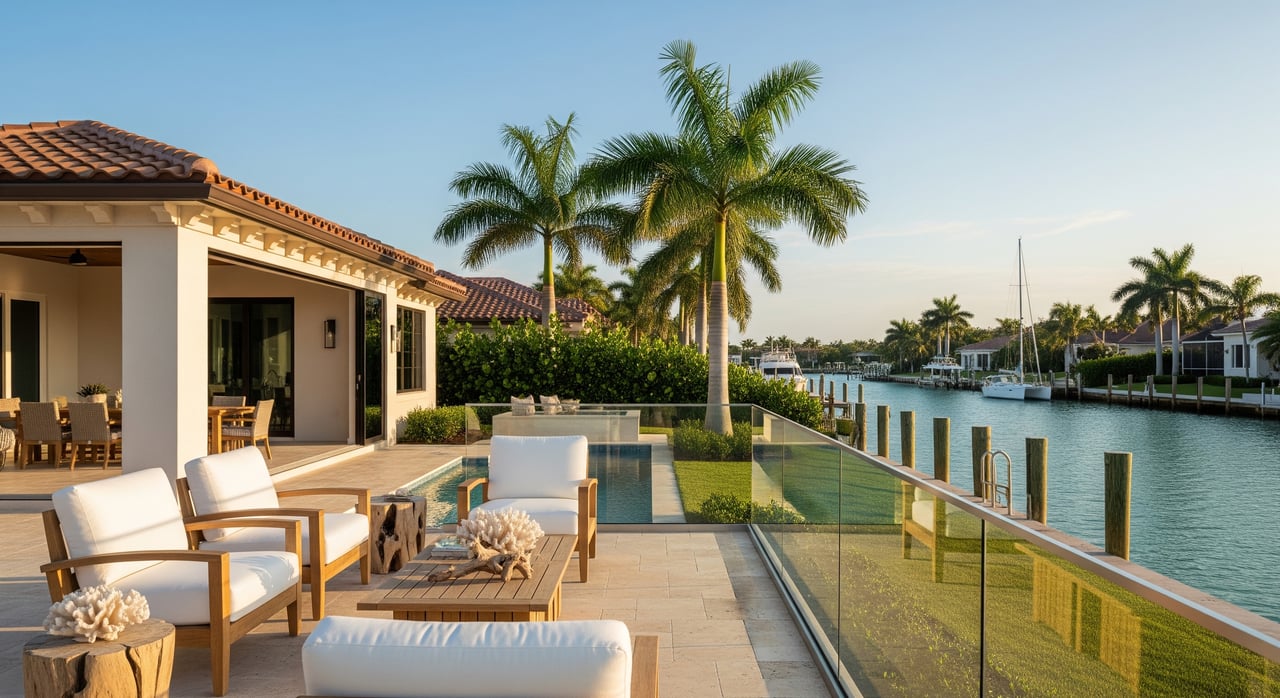
A boating buyer is often imagining the full routine, not just the dock. They are thinking about how easy it is to walk from the house to the lanai, grab gear, board the boat, and return to a comfortable outdoor space after a day on the water.
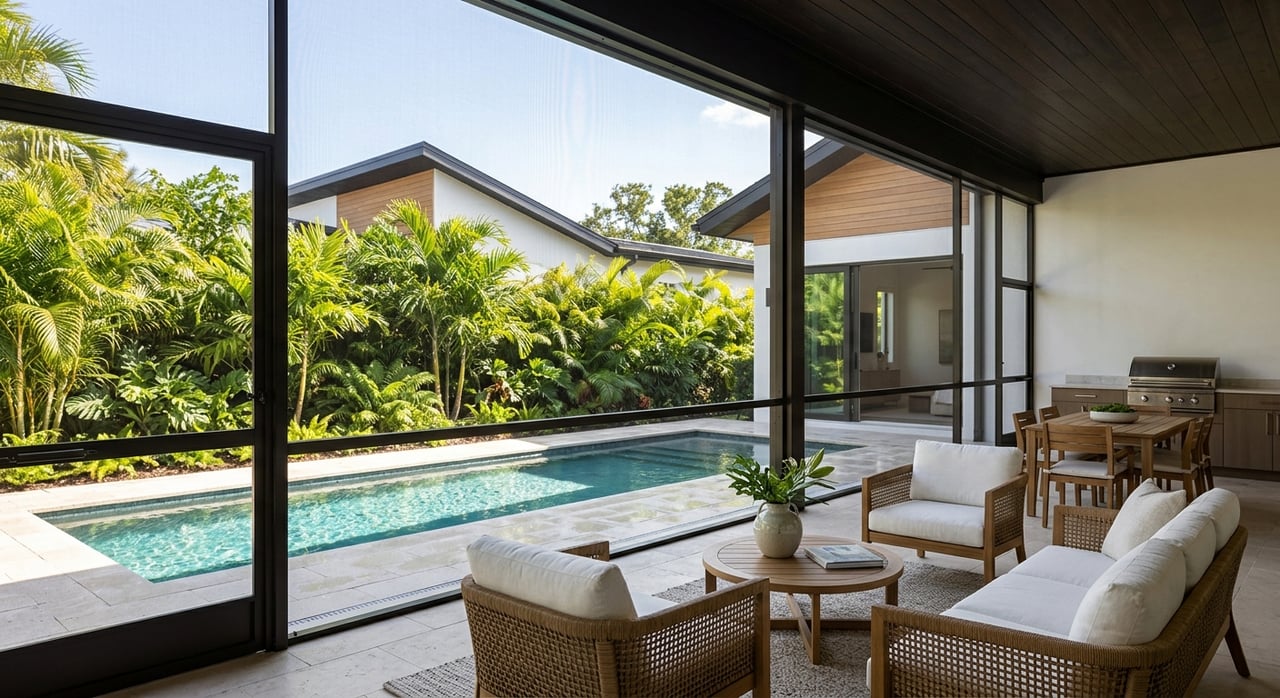
That is why layout matters. Clear circulation from the house to the dock, practical seating or dining areas, and a backyard that feels connected to the canal can strengthen the property’s appeal.
Use photos that answer boating questions
Lead with what matters most
Home search usually starts online, and the National Association of Realtors reports that 81% of buyers consider listing photos the most important factor when evaluating properties. For a Cape Coral boating property, your photo order matters.
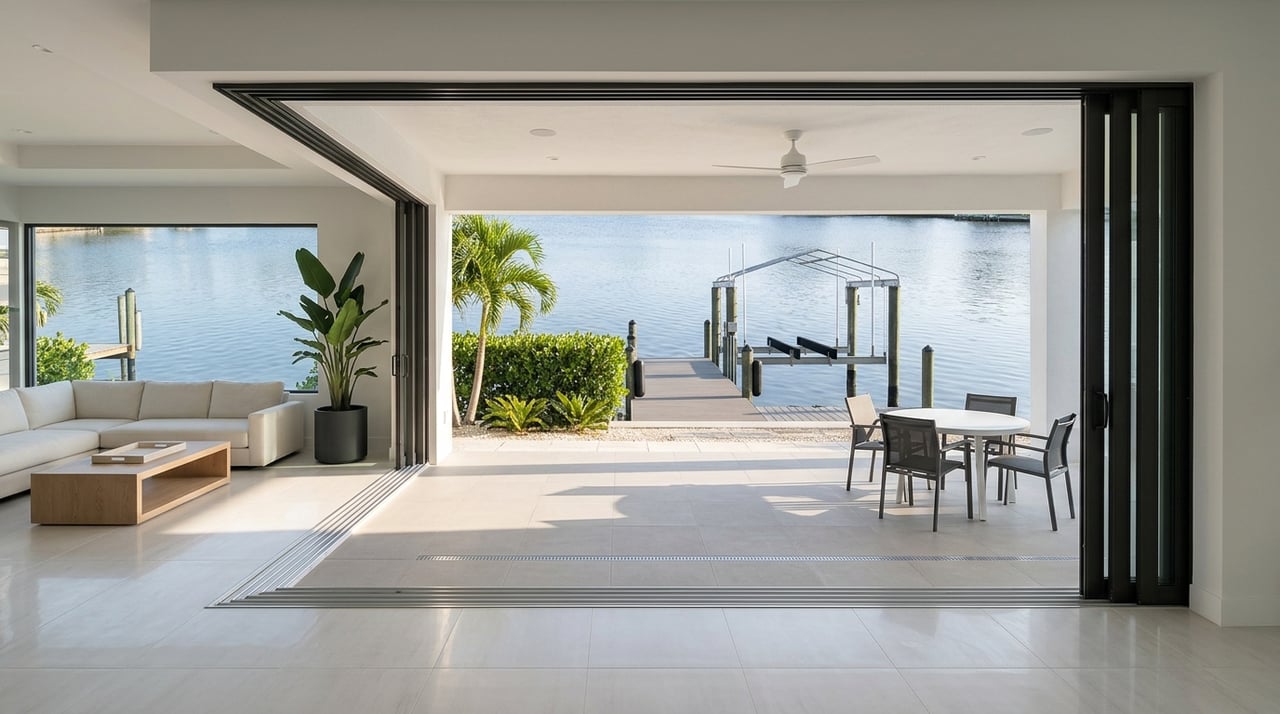
The strongest sequence usually shows the canal, dock, lift, backyard-to-water flow, and any open-water view early in the listing. Those images help buyers decide whether the home is worth seeing in person.
Keep images accurate
Buyers tend to react badly when listing photos feel misleading. Overly edited images or photo choices that make the canal seem wider, hide obstructions, or overstate the condition of the dock area can undermine trust.
If your goal is to attract serious boating buyers, accuracy is part of the marketing strategy. Clear, honest photography tends to create stronger interest from the right audience.
Write listing copy for boaters
A boater-focused buyer often scans for concrete facts. The more quickly your listing answers practical questions, the more confidence you create.
Your listing description should aim to cover details such as:
- Canal type
- Route to the river or Gulf
- Dock size or layout
- Lift capacity or setup
- Seawall age, condition, or repair history
- Known permit status for marine improvements
- How the outdoor space functions for gear, seating, and entertaining
This kind of detail helps your home stand out from listings that rely on vague waterfront language.
Prepare showings like a boating experience
A standard house showing may not be enough for this type of buyer. In many cases, the showing should feel like a short preview of a boating day.
Keep the route to the dock obvious and uncluttered. Make the waterfront edge easy to access and easy to understand. If the backyard is set up well, buyers can more easily picture launching, returning, rinsing off, relaxing, and entertaining.
Verify permits before you list
Check local records early
Cape Coral and Lee County direct projects inside the city back to local permitting, and the city maintains permit tools and a permit document center. Before your property goes live, it is smart to review the file for dock, lift, seawall, and related marine improvements.
This step can help you avoid delays later. It also gives buyers more confidence that the property has been maintained with local rules in mind.
Organize flood and elevation documents
Cape Coral’s permit resources also include an elevation-certificate checklist and connect to flood-elevation information. Waterfront buyers often compare homes closely, and clean documentation can make your property feel more straightforward and better prepared for review.
Even when a buyer loves the setting, uncertainty around records can slow momentum. Organized paperwork supports a smoother conversation from the start.
Be careful with shoreline vegetation claims
Mangroves can play an important role in habitat and shoreline stabilization, and Cape Coral notes that trimming or removal is regulated. If your property has shoreline vegetation, avoid marketing language that suggests a buyer can simply remove it for a bigger view.
Instead, stick to what is factual and current. Clear, accurate representation protects credibility and helps prevent misunderstandings during due diligence.
What serious boating buyers want answered
By the time a qualified buyer requests a showing, they usually want practical clarity. In most cases, they are trying to confirm four things:
- What kind of canal is this?
- What route does a boat take from the dock?
- Are the dock, lift, seawall, or shoreline features documented and in good condition?
- Does the outdoor space actually work for boating, storage, and relaxing by the water?
When your marketing answers these questions early, your listing is more likely to connect with buyers who are ready to act.
Why strategy matters when selling waterfront
Selling a Cape Coral waterfront home to boaters takes more than attractive photos and a few lifestyle phrases. It takes local knowledge, careful positioning, and marketing that reflects how buyers actually evaluate canal properties.
That is where strong representation can make a difference. When your home is presented with the right boating details, clear documentation, and polished marketing, you create a stronger first impression and a more confident path to the sale.
If you are preparing to sell a Cape Coral waterfront home, Carla Nix can help you position the property for serious boating buyers with thoughtful strategy, professional marketing, and local waterfront expertise.
FAQs
What do boating buyers look for in a Cape Coral waterfront home?
- Boating buyers often focus on canal type, the route to open water, dock and lift details, seawall or shoreline condition, and how well the backyard supports day-to-day boating use.
Why does canal type matter when selling a Cape Coral home?
- Cape Coral distinguishes freshwater and saltwater canals, and not all canals offer the same boating function, so buyers usually want to know exactly what kind of water access the property provides.
What permits should sellers check for a Cape Coral waterfront property?
- Sellers should review local records for marine improvements such as docks, boat lifts, seawalls, and related waterfront features before listing the home.
How should listing photos present a Cape Coral boating property?
- Photos should clearly and accurately show the canal, dock, lift, backyard-to-water flow, and any relevant water view so buyers can assess boating usability early.
Can sellers promise that mangroves or shoreline vegetation can be removed in Cape Coral?
- No, sellers should avoid making that promise because Cape Coral notes that mangrove trimming or removal is regulated.
What makes a Cape Coral waterfront showing better for boating buyers?
- A strong showing makes the path from the house to the dock easy to follow, keeps the dock area clear, and helps buyers picture how the property works before and after time on the water.