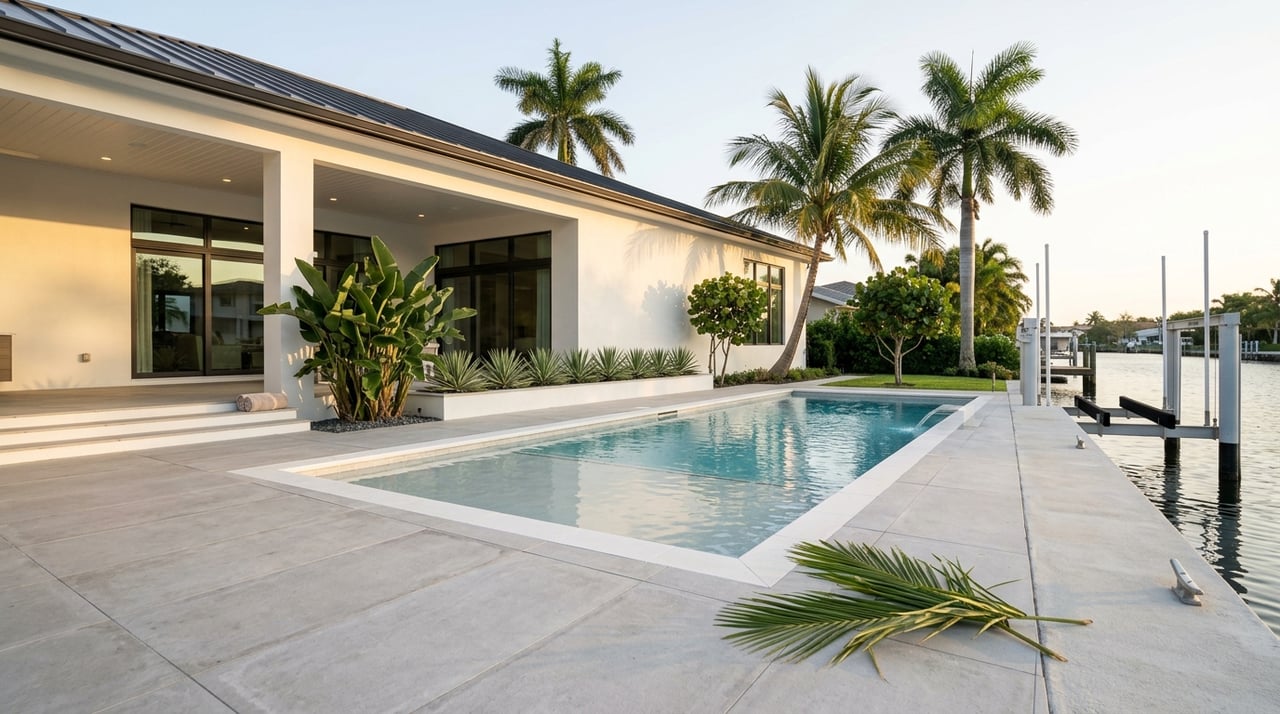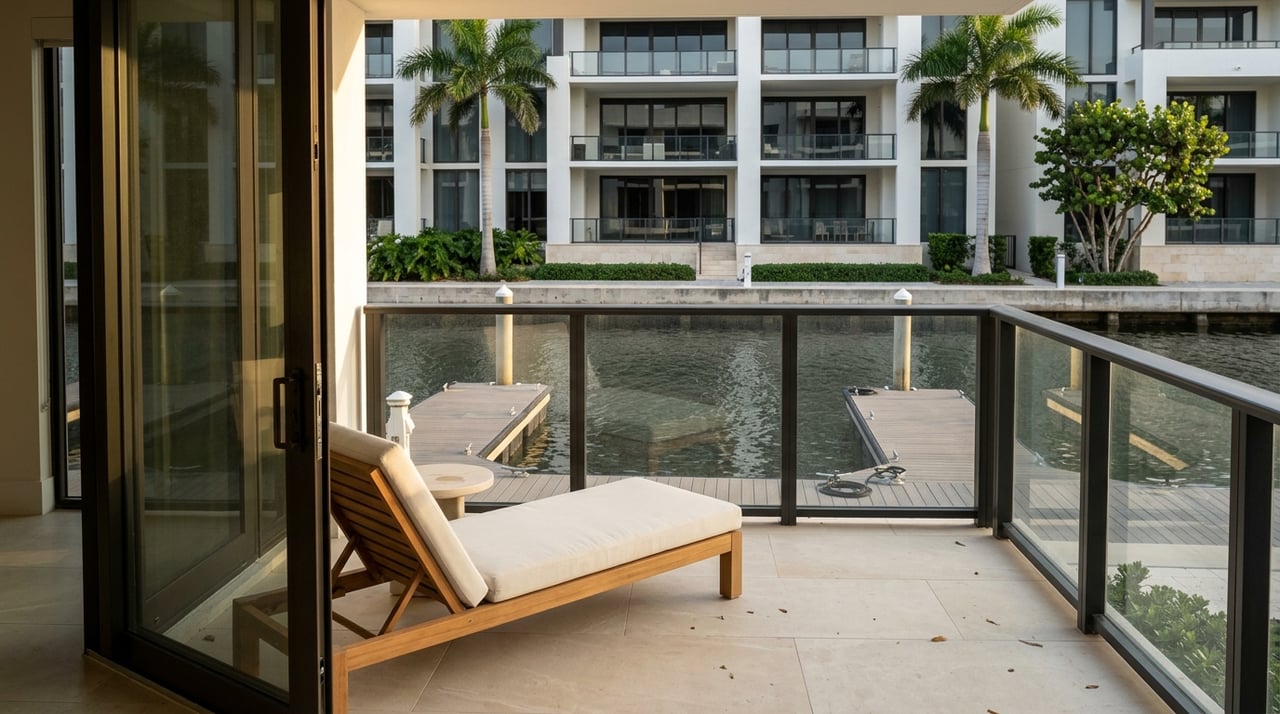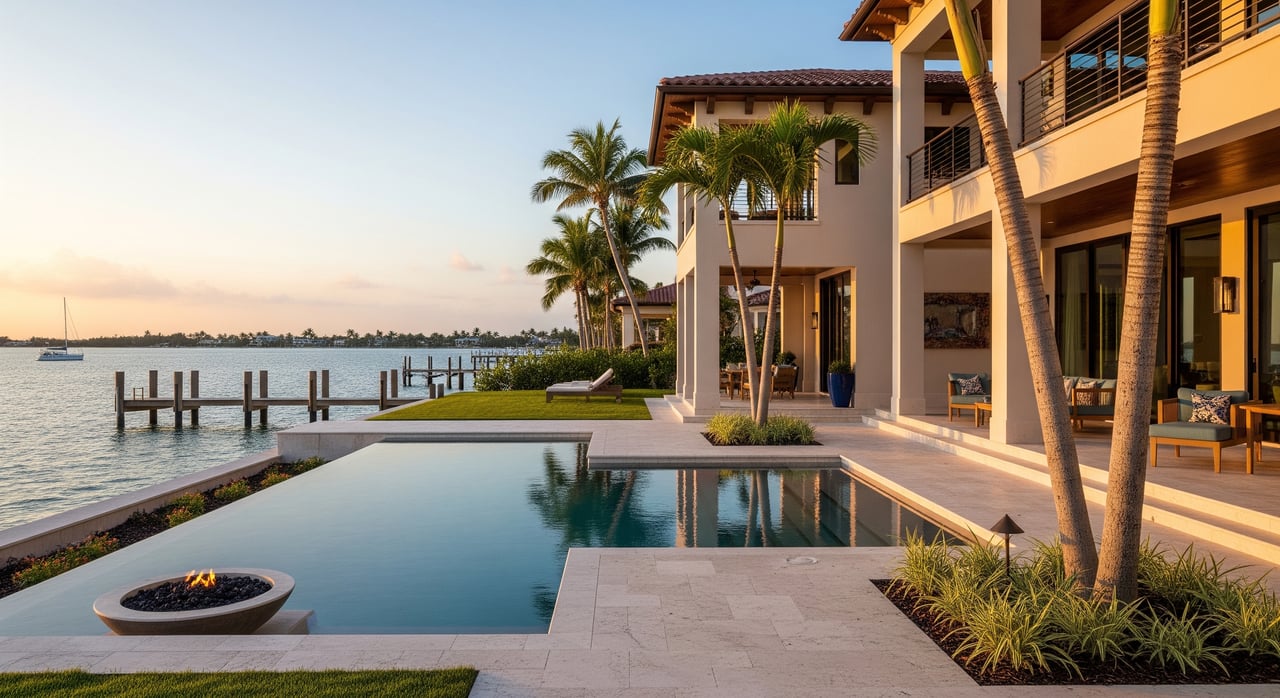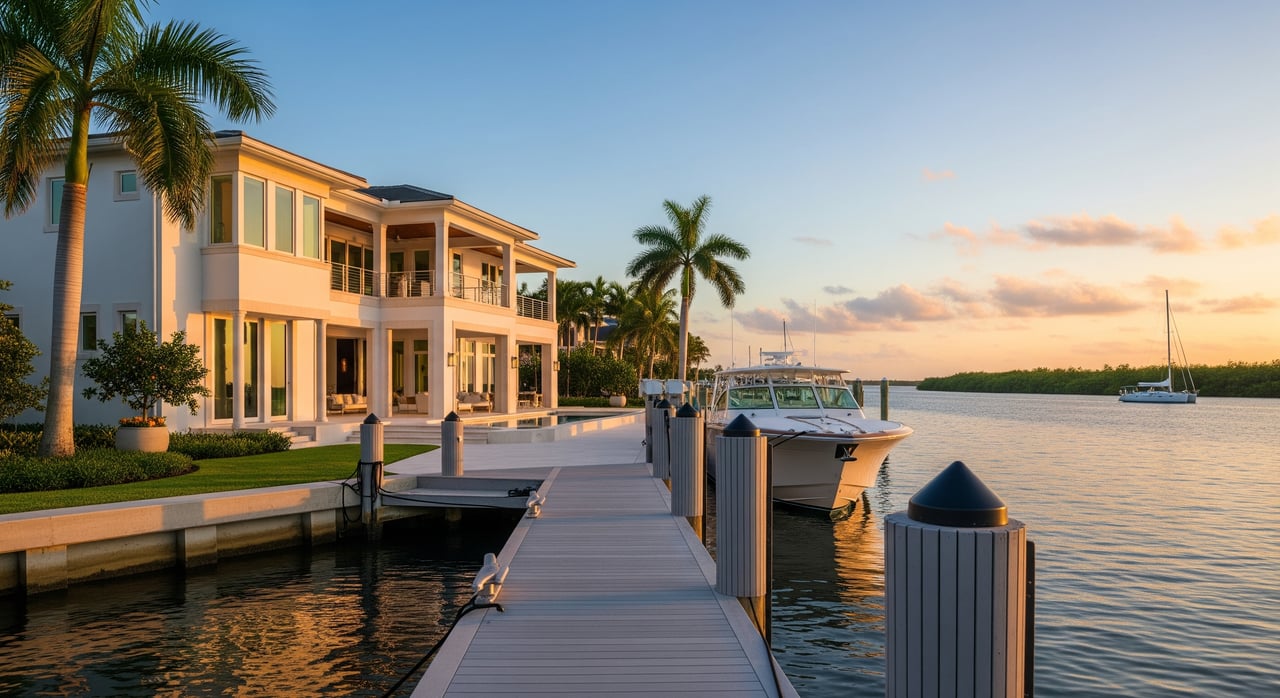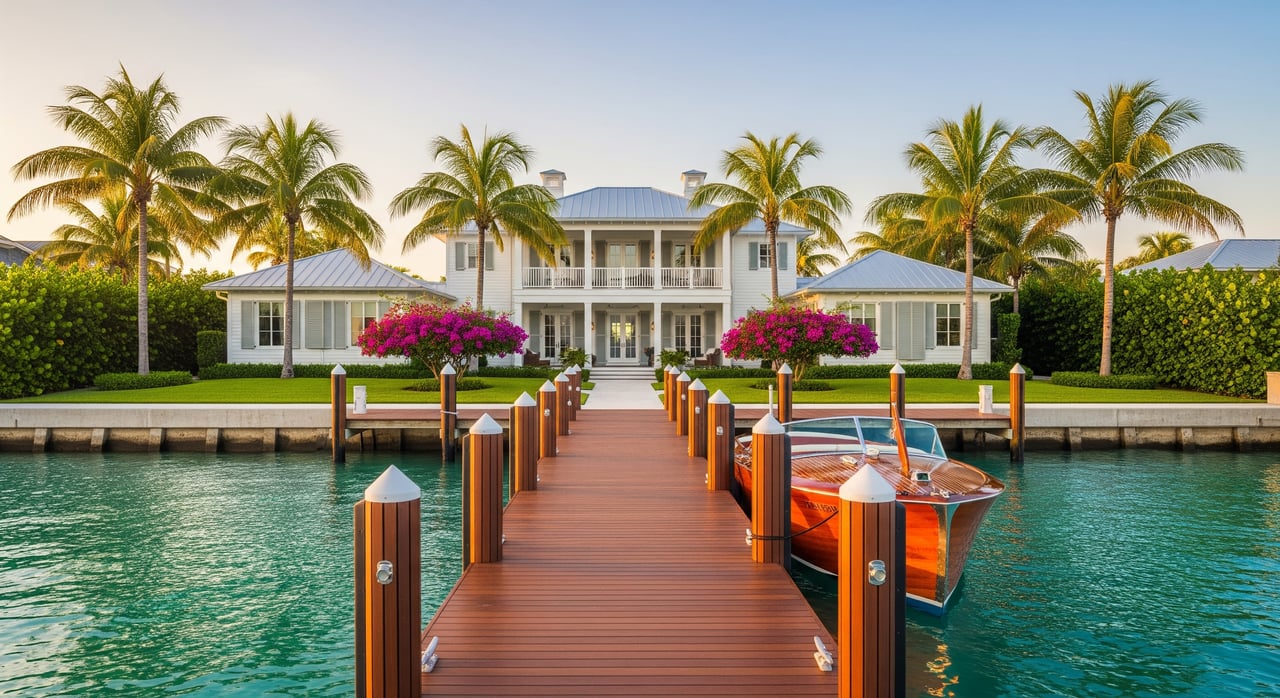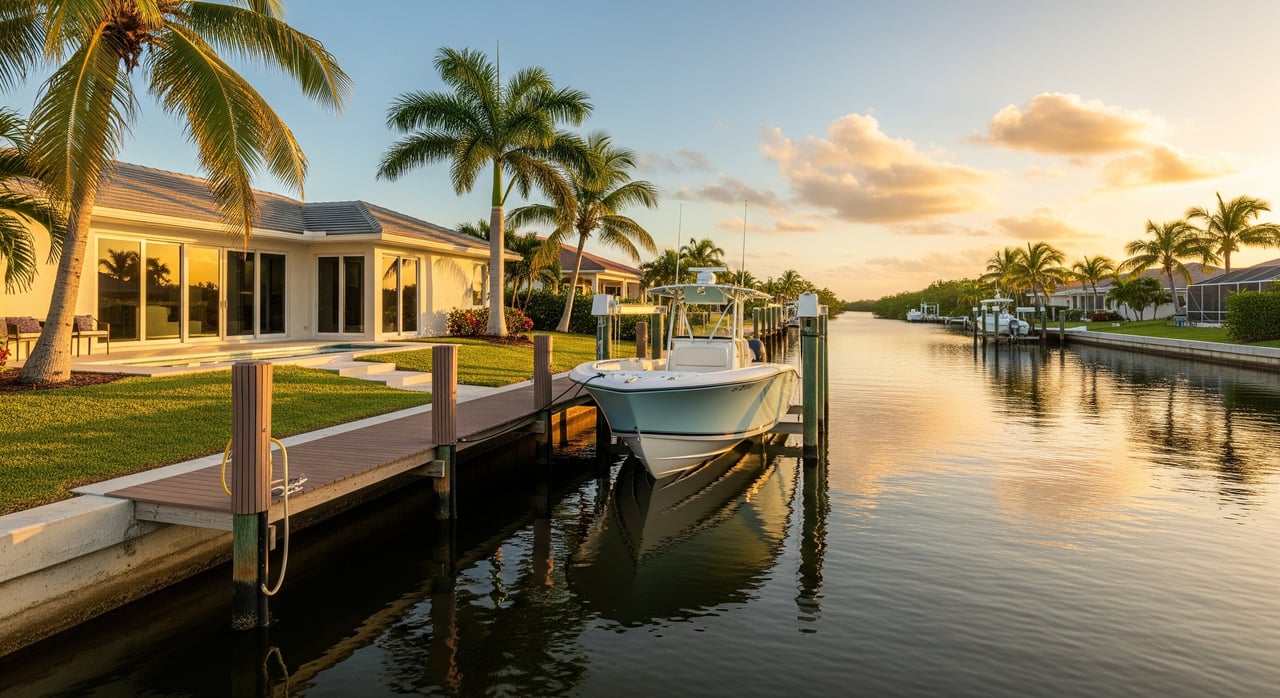
What makes one canal home in Punta Gorda Isles feel like a boater’s dream and another feel harder to enjoy day to day? In PGI, the answer often comes down to details you cannot fully judge from a photo or even from the backyard alone. If you are thinking about buying a canal home here, you need to look past the view and understand access, depth, seawalls, permits, and flood considerations before you commit. Let’s dive in.
Why PGI draws waterfront buyers
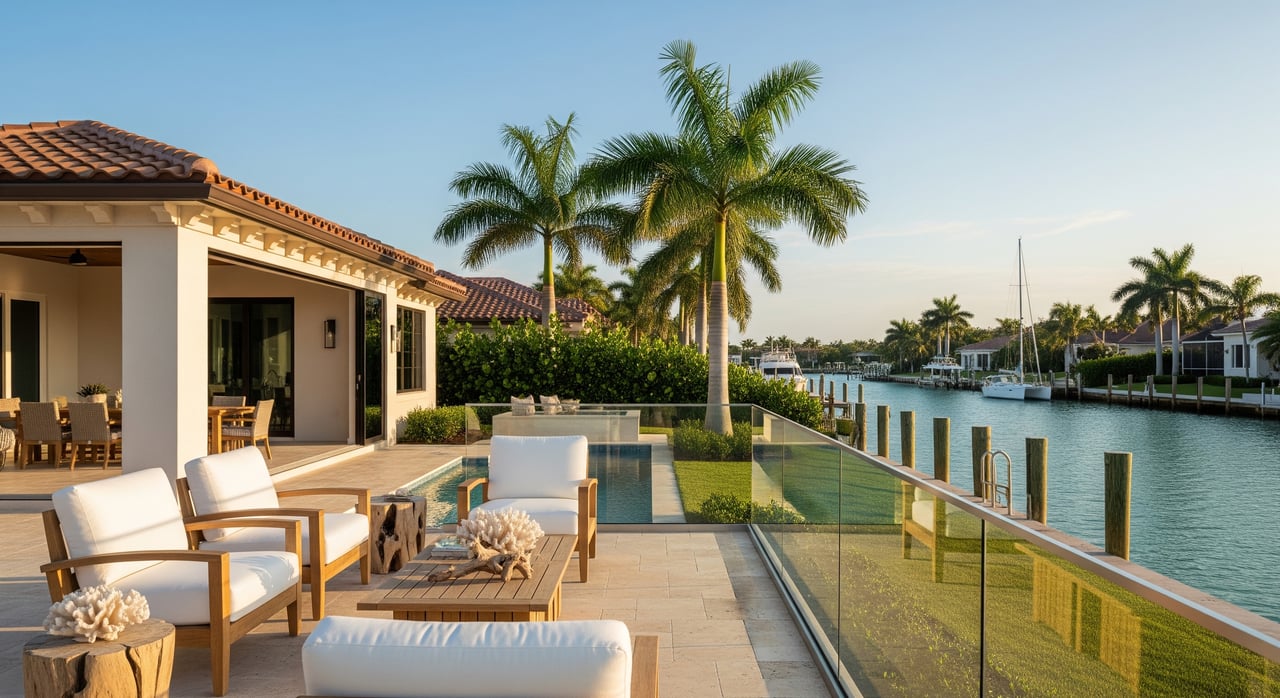
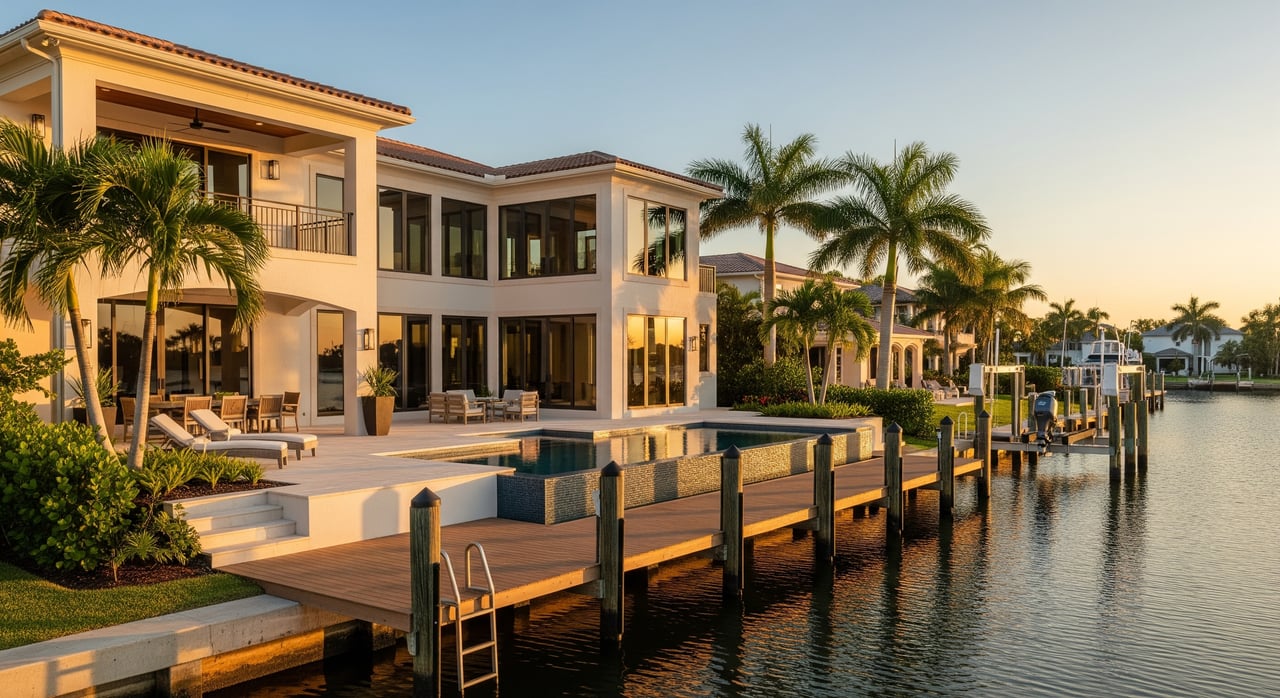
Punta Gorda Isles was developed from the late 1950s through the mid-1970s, and the city says it includes about 45 miles of canals and 90 miles of seawalls. Most of PGI is known for deep, wide canals with no fixed bridges, which is a major reason waterfront buyers focus so much on boating access.
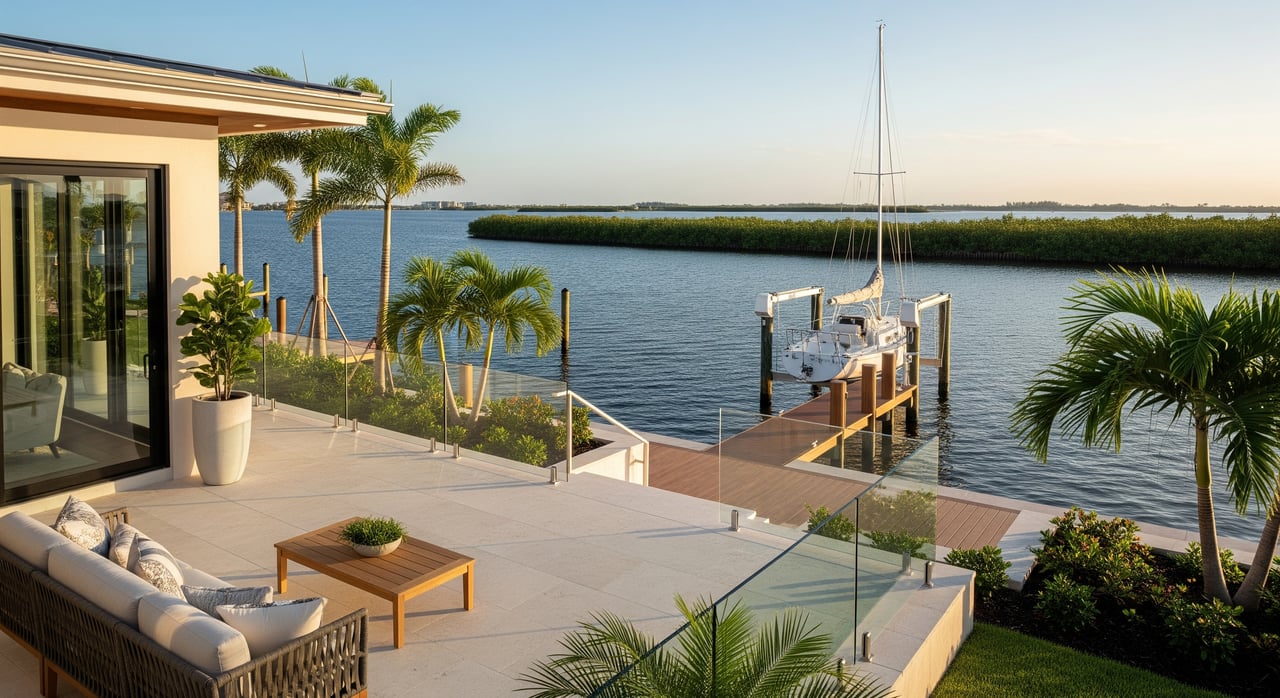
The city describes Ponce de Leon Park as the gateway to the Punta Gorda Isles canal system and Charlotte Harbor. From there, boaters can reach the Peace River, the Myakka River, and the Gulf of Mexico through Boca Grande Pass. That access is a big part of PGI’s appeal for second-home buyers, seasonal residents, and anyone who wants a true boating lifestyle.
Canal access is not one-size-fits-all
One of the biggest mistakes buyers make is assuming all waterfront lots in PGI offer the same boating experience. They do not. Two homes can both be on canals and still have very different routes, travel times, traffic patterns, and day-to-day convenience.
The city makes clear that distance to open water is best understood on a parcel-by-parcel basis. In simple terms, what matters is not just that a home is waterfront, but whether it sits on a direct, bridge-free route to Charlotte Harbor and the Gulf that works for your boat.
Ask about your actual route
If you own a boat, or plan to, think about your exact use before you fall in love with a property. A home that works beautifully for a smaller vessel may not feel as practical for a deeper-draft boat or one with a taller profile.
Questions worth asking include:
- Is this a true no-fixed-bridge route to Charlotte Harbor?
- Does the route work for my boat’s air draft?
- How long does it take to idle from the dock to open water?
- Does the home sit in an active boating lane or a quieter canal section?
The city also notes that all man-made canals in PGI fall within city speed zones. That can affect noise, wakes, and how calm the water feels around your dock.
Dock depth matters more than listing language
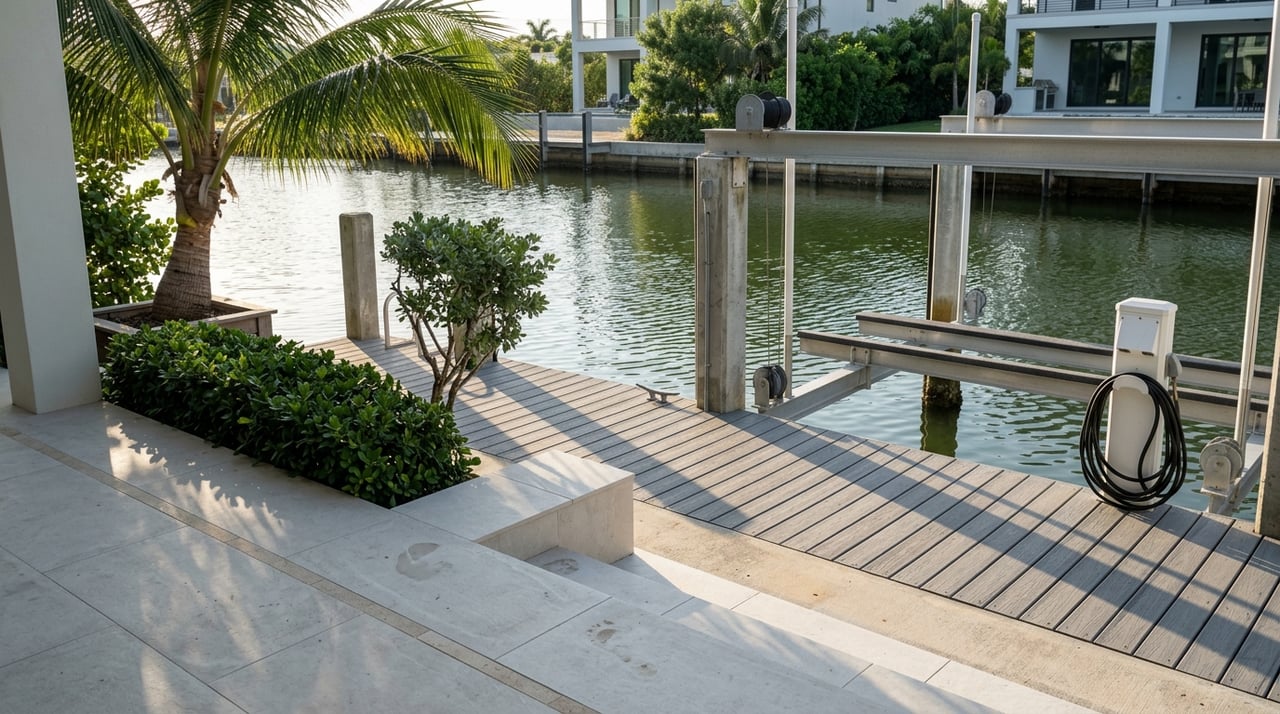
A listing may say a home has sailboat access or boating access, but serious buyers should dig deeper. The city’s waterfront guide says permitted dredging depths in PGI are typically minus five or minus six feet from mean low water. That gives you a useful starting point, but it does not replace site-specific verification.
For many buyers, the real question is simple: what is the actual water depth at the dock at mean low tide? If you have a deeper-draft boat, this point can shape whether the home fits your needs now and later.
Check for maintenance dredging
The city allows property owners to contract for dockside maintenance dredging at their own expense under existing permits. That means two nearby homes may have very different dock usability depending on whether maintenance work has been done.
Before you buy, ask whether recent dockside maintenance dredging has taken place and whether records are available. This is the kind of practical detail that can save you from an expensive surprise after closing.
Seawalls are a major ownership issue
In a canal community, the seawall is not just background infrastructure. It is central to shoreline protection, canal function, and long-term ownership planning. In PGI, the city performs annual seawall assessments to help prioritize repair and replacement.
The city also runs the canal maintenance system through non-ad valorem assessments. For fiscal year 2026, the PGI canal maintenance assessment is $1,350 per single-family parcel. Buyers should factor that recurring cost into the full picture of waterfront ownership.
Why seawall condition affects your decision
If a seawall needs replacement, the city says the work usually takes about three to four weeks, weather permitting. Boats must be moved away from the work area, and owners are responsible for their own dock, lift, and davit damage.
That makes the seawall’s age, condition, and replacement status important due diligence items. A beautiful backyard view does not tell you whether a future project could affect access, timing, or out-of-pocket costs.
Docks and lifts need permit review
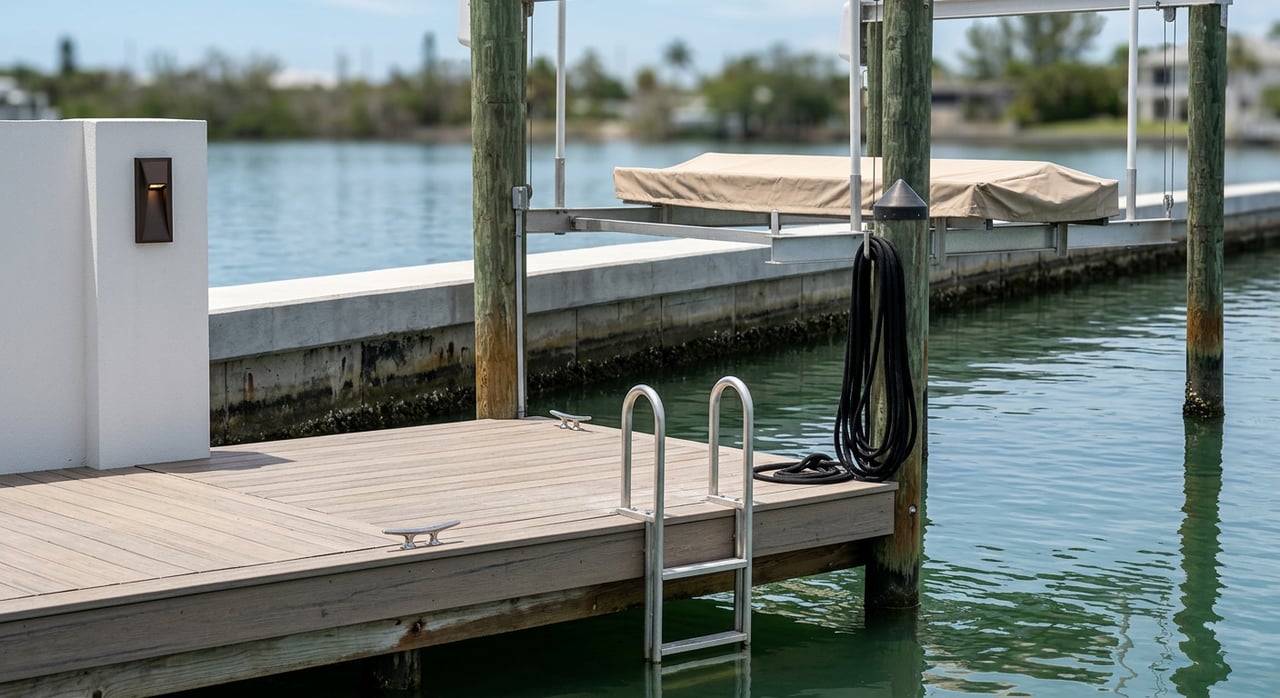
In Punta Gorda, waterfront structures are regulated. The city requires permits for docks, piers, piles, bulkheads, seawalls, boat lifts, and related improvements. Nonstandard construction may require a Canal Construction Special Permit.
This matters because not every dock layout is automatically ideal for every lot. Canal width, navigation channel geometry, and dock height relative to the seawall cap can all affect whether an existing setup is compliant and whether future changes will be straightforward.
What to confirm before closing
When you tour a canal home, try to confirm more than whether the dock looks usable. You want to know whether the current setup is documented and whether it will still work if repairs or upgrades are needed later.
Ask for:
- Current permits for the dock or lift
- A survey or variance, if applicable
- Information on canal width and navigation fit
- Details on where the boat actually ties up
- Any known limits tied to seawall inspection or replacement
The city’s waterfront standards also warn that dock height relative to the seawall cap can affect future seawall inspection and replacement. That is a good example of why a waterfront home should be evaluated as a system, not just as a house with a dock.
Light and view shape daily enjoyment
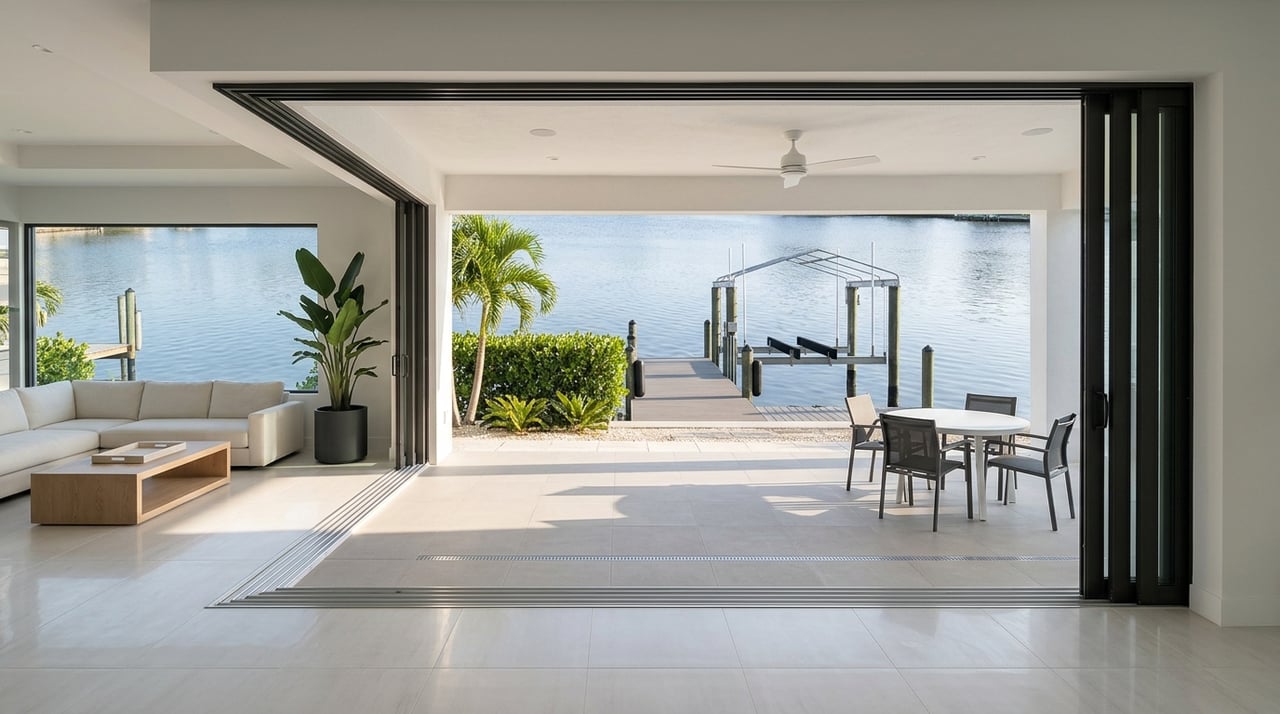
Boating details matter, but so does how the home lives. Rear exposure can influence how bright the home feels and when you enjoy the best light on the lanai, pool area, or dock.
NASA explains that in the United States the sun’s apparent path crosses the southern sky. In practical terms for PGI buyers, south- and west-facing rear exposures often feel brighter and may favor afternoon sun and sunset views, while east-facing lots often favor morning light.
Views may have limits
If your dream includes opening up a canal view, keep in mind that mangroves are treated as a protected resource by the city and regulated through state rules. That means trimming or altering vegetation may not be as simple as a new owner hopes.
When evaluating a property, it is smart to ask whether mangroves affect views, access, or future improvement plans. A waterfront lot can be beautiful and still come with limits that matter to your long-term enjoyment.
Flood planning should happen early
Punta Gorda’s low elevations and naturally high water table create a reality every buyer should understand. The city says localized flooding can occur during heavy summer rain, tropical systems, and king tides.
The city strongly encourages flood insurance because homeowners insurance does not cover flood damage. It also notes that most National Flood Insurance Program policies have a 30-day waiting period, which is why buyers should not wait until the last minute to research coverage.
Review flood and evacuation zones
Early in the process, check both the FEMA flood zone and the evacuation zone for any property you are considering. This helps you understand insurance needs, preparedness planning, and how the home fits your comfort level for seasonal weather risk.
Flood planning is not about avoiding waterfront living. It is about going into the purchase with clear eyes and a realistic ownership strategy.
A smart PGI canal home checklist
If you want to compare homes with confidence, keep your questions focused on the issues that most affect use and ownership costs.
Use this shortlist during showings and inspections:
- Confirm the route to Charlotte Harbor for your specific boat
- Verify water depth at the dock at mean low tide
- Ask about recent maintenance dredging
- Review dock and lift permits or surveys
- Check seawall condition, age, and replacement status
- Budget for the PGI canal maintenance assessment
- Review flood zone and evacuation zone early
- Ask whether mangroves or canal rules affect views or access
- Notice whether the canal feels active, exposed, or quiet
- Consider rear exposure for sun, shade, and daily livability
Why local guidance matters in PGI
Buying a canal home in Punta Gorda Isles is different from buying a typical waterfront property. You are not just choosing a home style or a view. You are evaluating route access, canal conditions, dock function, city rules, seawall realities, and long-term carrying costs.
That is why buyers benefit from working with a team that understands the small differences between canal sections, lot positions, and ownership responsibilities. The right guidance can help you narrow in on the homes that truly match your boating goals and lifestyle priorities.
If you are exploring canal homes in Punta Gorda Isles and want practical guidance tailored to how you plan to use the property, connect with Carla Nix for a personalized, relationship-driven approach backed by deep local waterfront knowledge.
FAQs
What should you ask before buying a canal home in Punta Gorda Isles?
- Ask about the exact boating route to Charlotte Harbor, dock depth at mean low tide, recent maintenance dredging, dock and lift permits, seawall condition, and flood and evacuation zones.
How important is seawall condition for a Punta Gorda Isles canal home?
- Seawall condition is very important because it affects shoreline protection, canal navigability, future repair planning, and potential costs tied to docks, lifts, and boat access.
Do Punta Gorda Isles canal homes usually have bridge-free access?
- The city says most of PGI has deep, wide canals with no fixed bridges, but buyers should still confirm the specific route from the property for their boat.
Why does dock depth matter for a Punta Gorda canal property?
- Dock depth helps determine whether your boat can safely use the property at low tide, especially if you own a deeper-draft vessel.
Should you check flood zones before buying a PGI waterfront home?
- Yes. The city encourages buyers to review both FEMA flood zones and evacuation zones early because localized flooding can occur during heavy rain, tropical systems, and king tides.