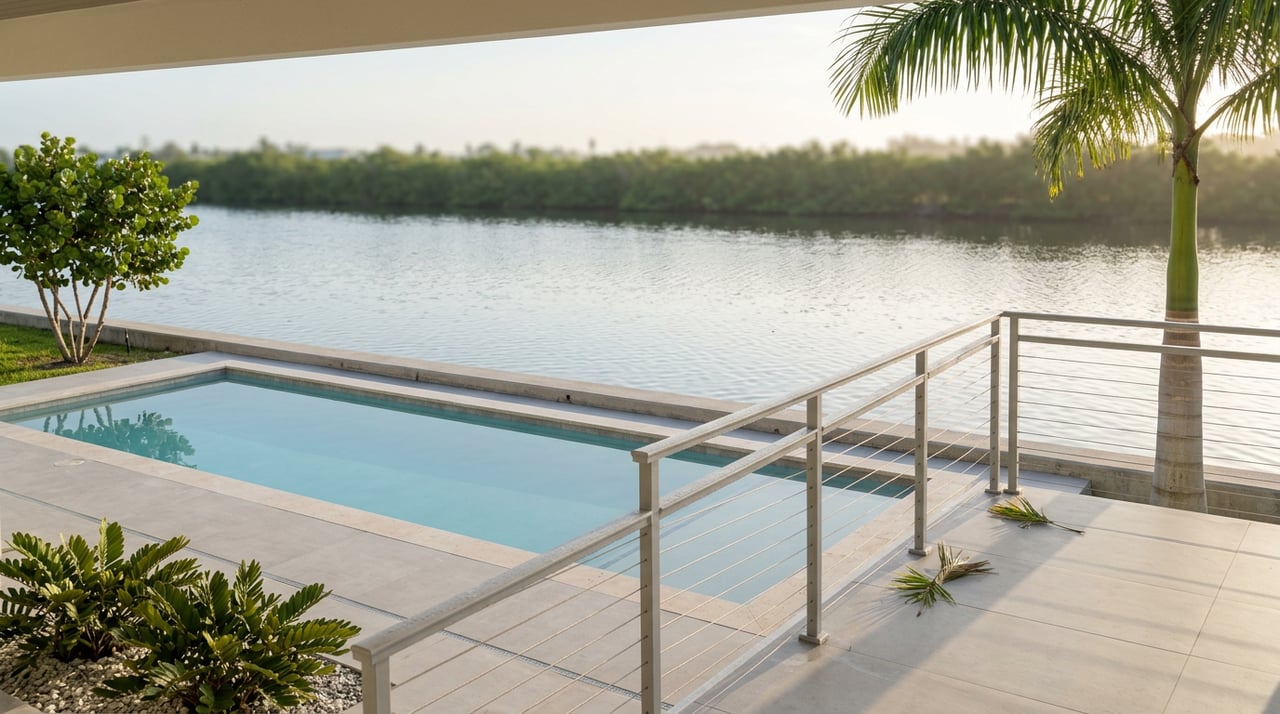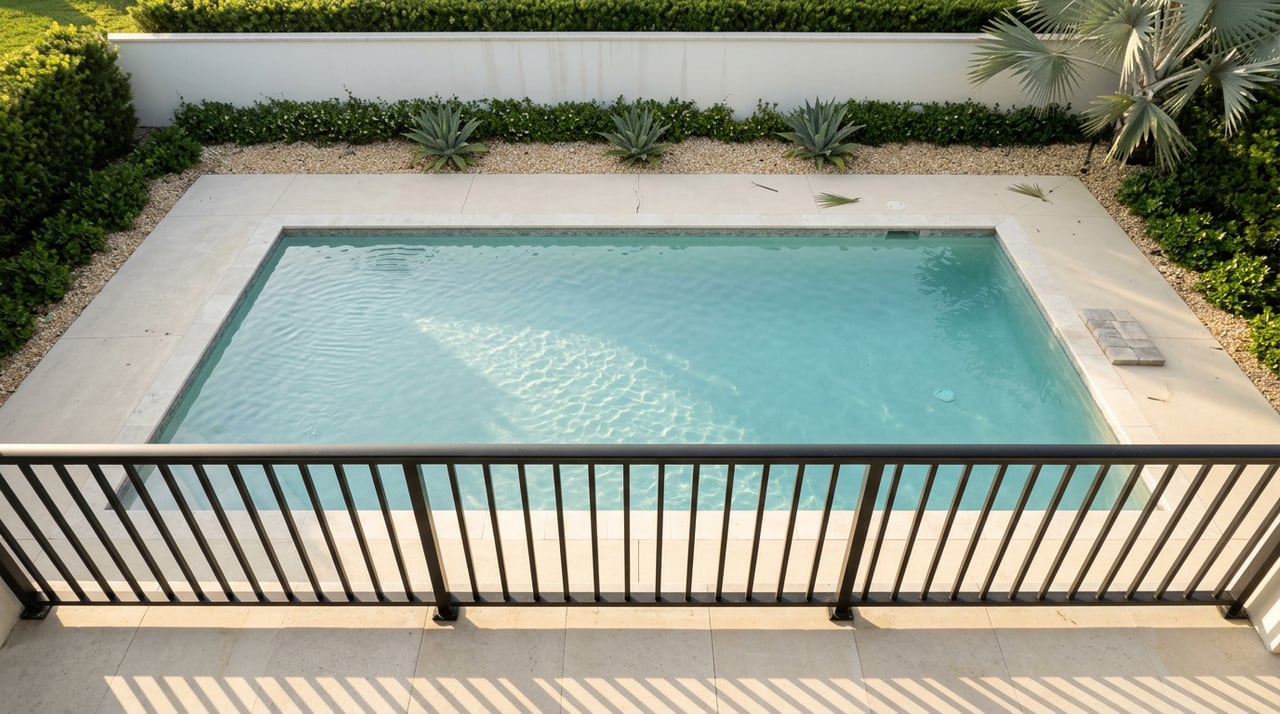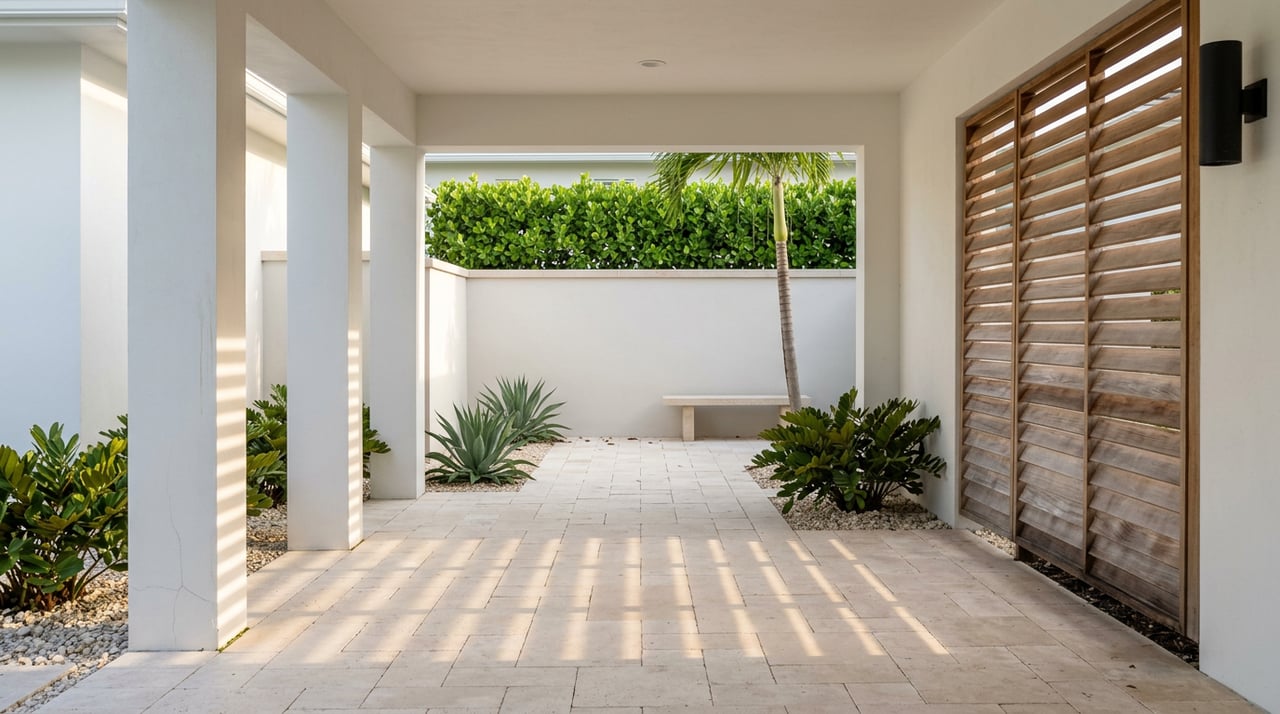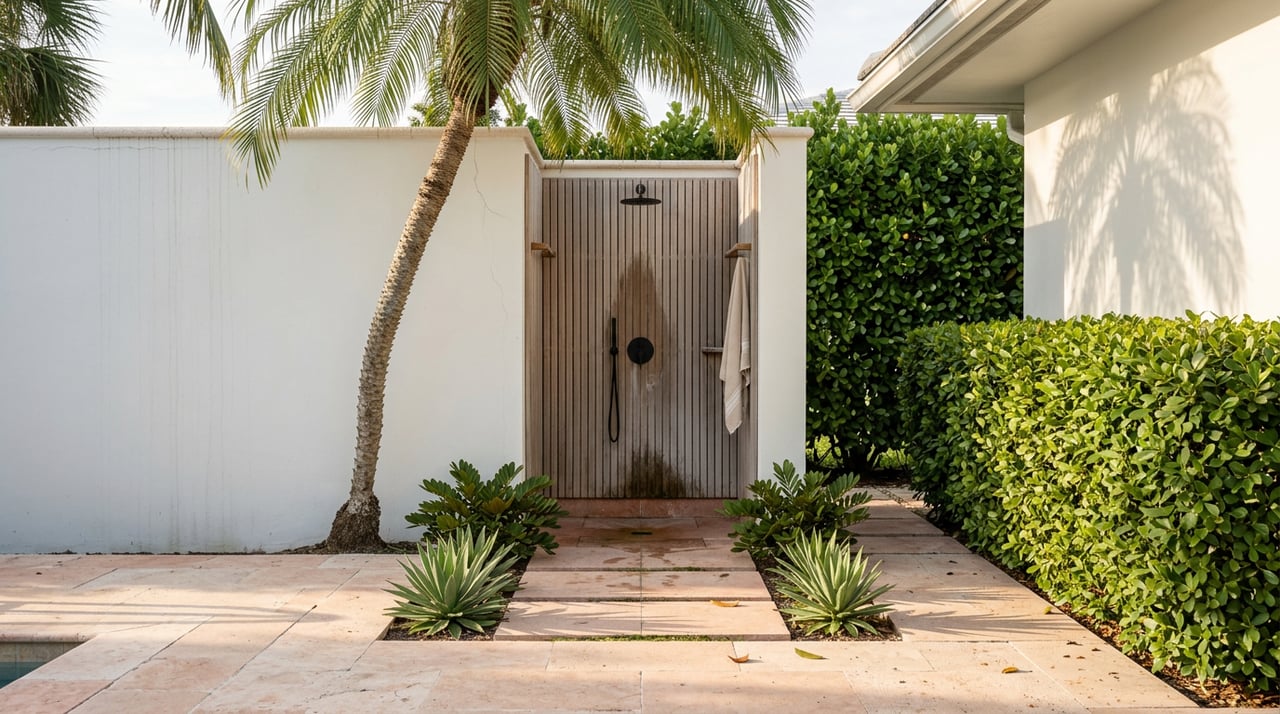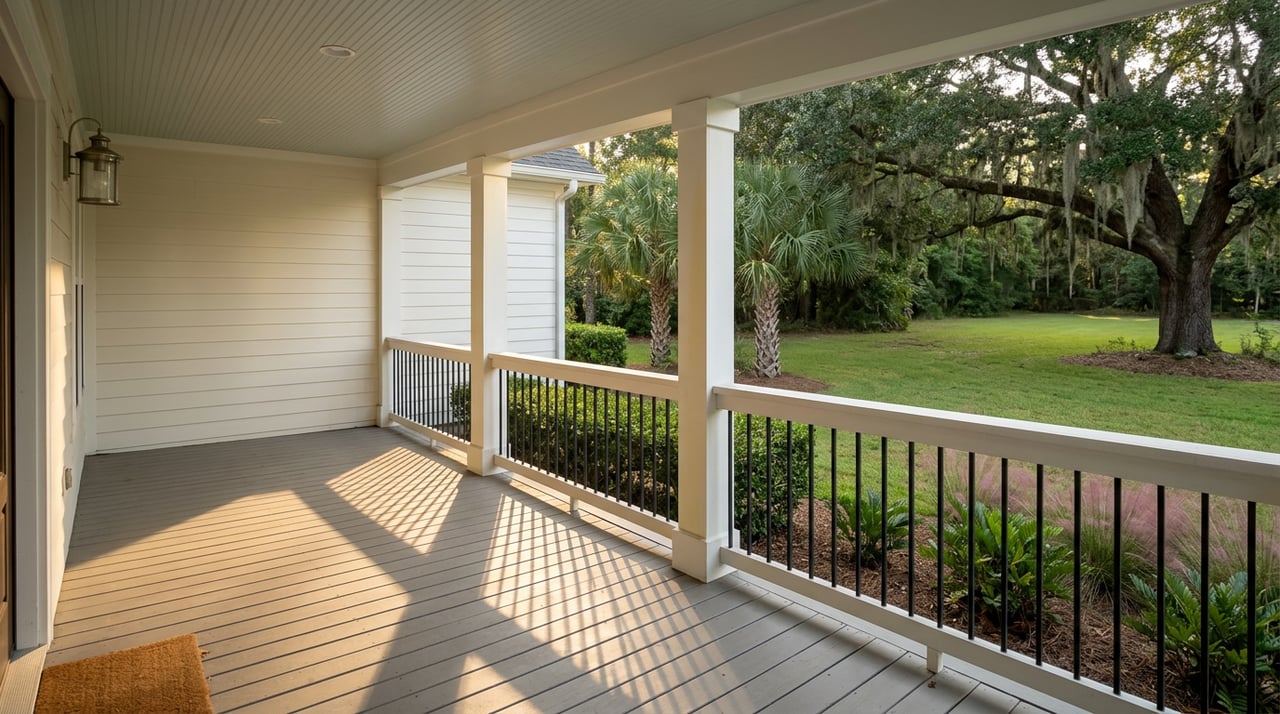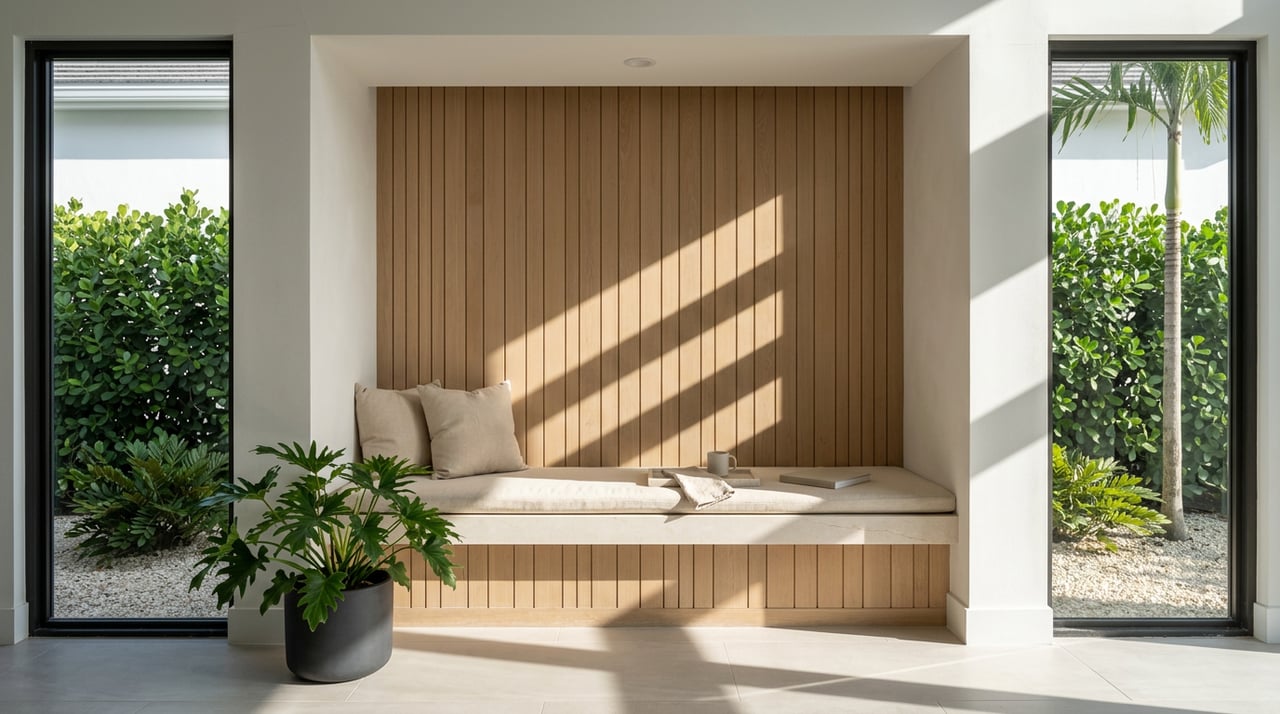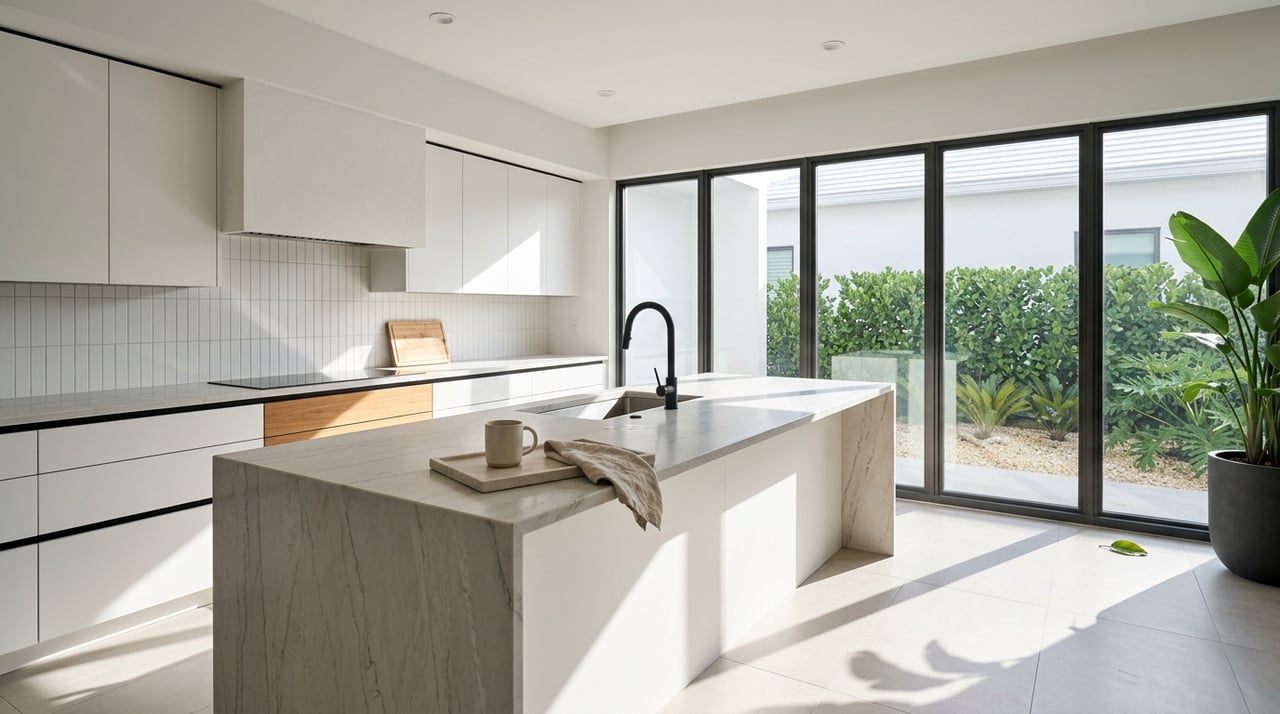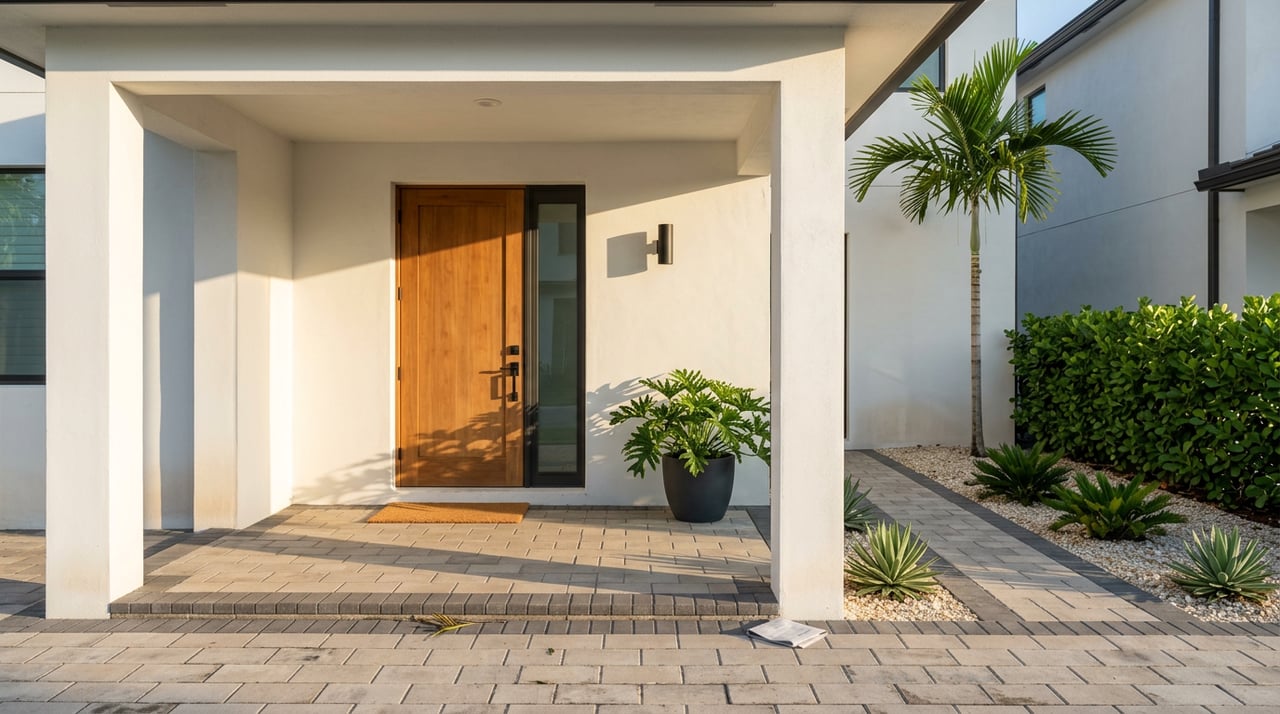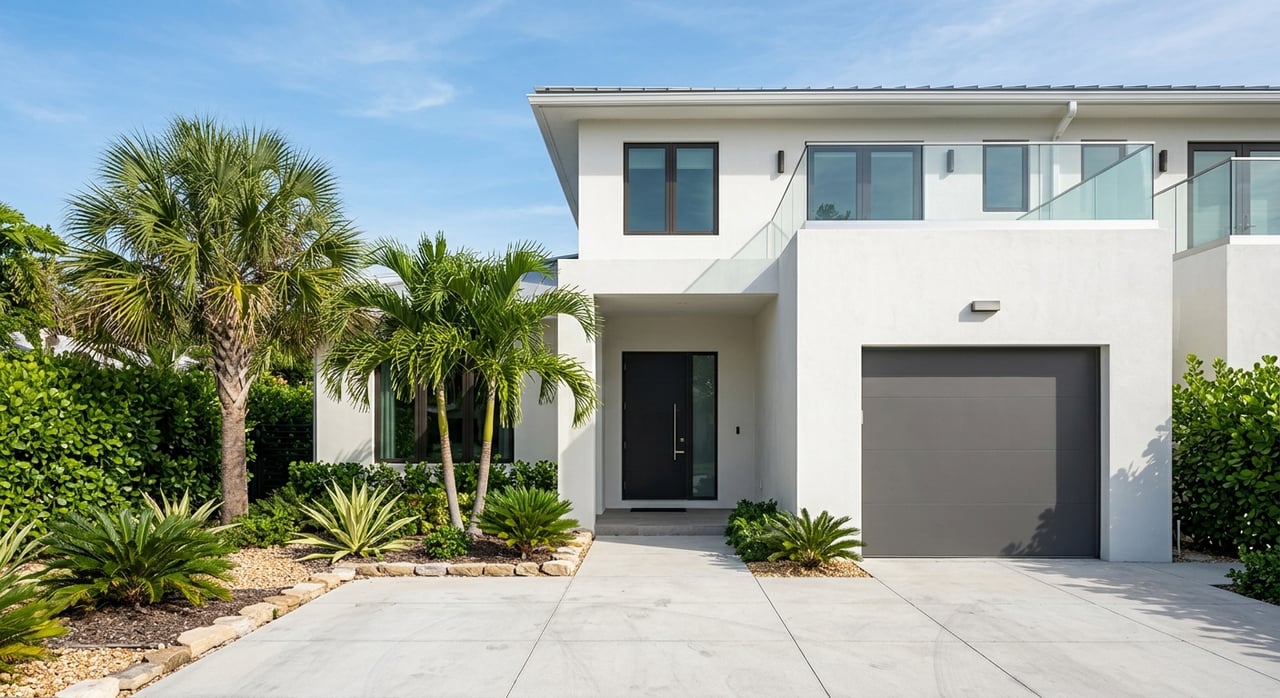
Wondering which Port Charlotte housing option makes the most sense for your winter lifestyle? If you are buying a seasonal home, the right fit often comes down to how much upkeep you want, how easy it is to leave for months at a time, and whether you may want to rent the property occasionally. This guide breaks down the main housing choices for snowbirds in Port Charlotte so you can compare them with more confidence. Let’s dive in.
What Snowbirds Usually Need Most
If you plan to spend part of the year in Port Charlotte and part elsewhere, your housing priorities may look different from those of a full-time resident. Many seasonal buyers focus on convenience, predictable maintenance, and clear rules for leaving the property vacant.
In practical terms, most snowbirds are trying to answer three main questions. How much work will the property require when you are away, who handles the exterior and shared spaces, and are short or occasional rentals allowed if your plans change?
Compare Port Charlotte Housing Types
Port Charlotte buyers often look at three broad categories: condos, villas, and single-family homes. Each can work well, but they offer very different ownership experiences.
Condos: The Most Hands-Off Option
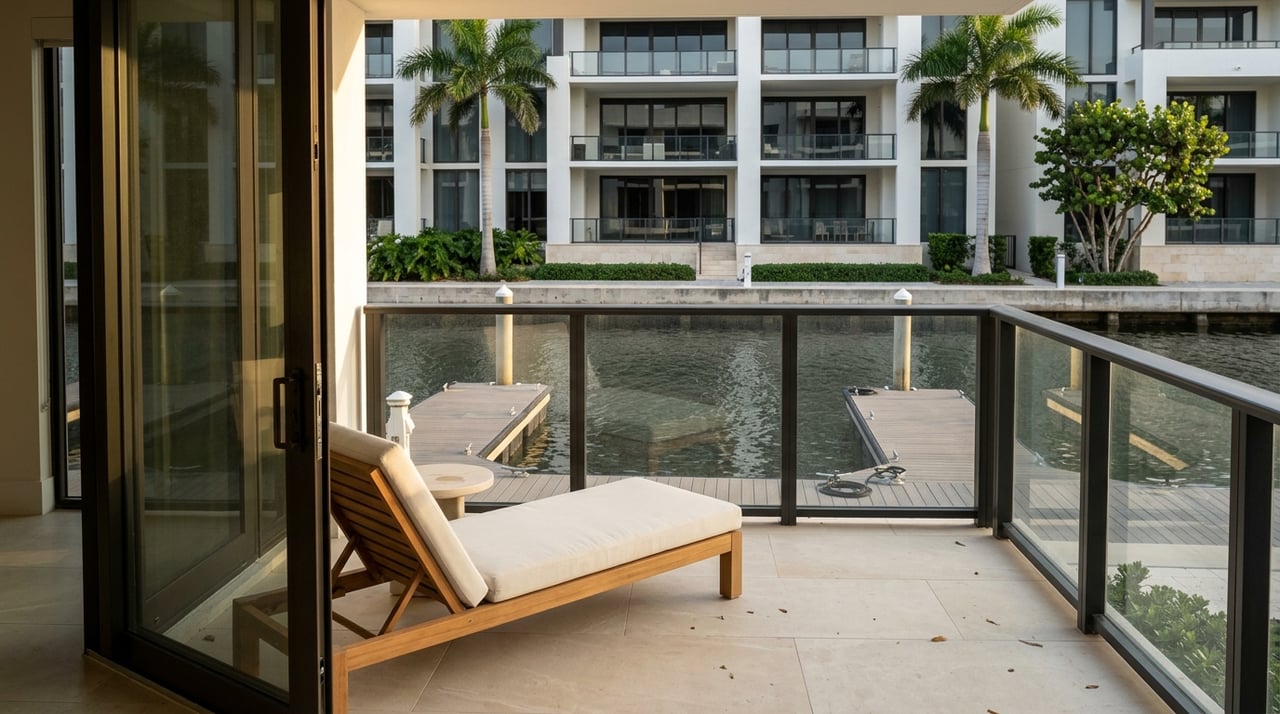
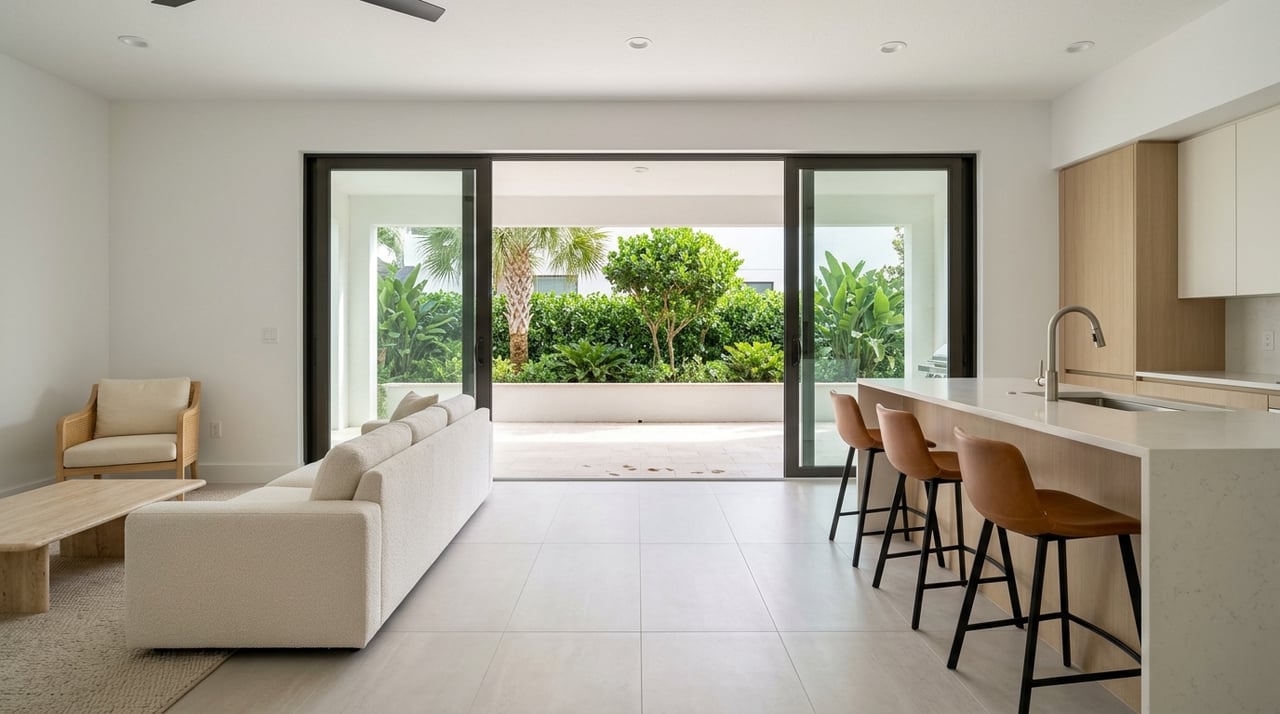
For many seasonal owners, condos come closest to a true lock-and-leave setup. Florida condo law gives the association responsibility for common elements, and condo budgets often include items like lawn care, refuse collection, utilities, building maintenance, security, and reserves.
That setup can be appealing if you want fewer day-to-day responsibilities while you are out of state. At the same time, condo ownership does not mean every repair is covered for you.
Under Florida condo rules, owners are generally responsible for personal property and many interior items. That can include floors, walls, ceilings, appliances, cabinets, and window treatments.
This is why condo review matters so much before you buy. A lower-maintenance lifestyle may come with association fees, reserve obligations, and possible assessment exposure.
Villas: A Middle-Ground Choice
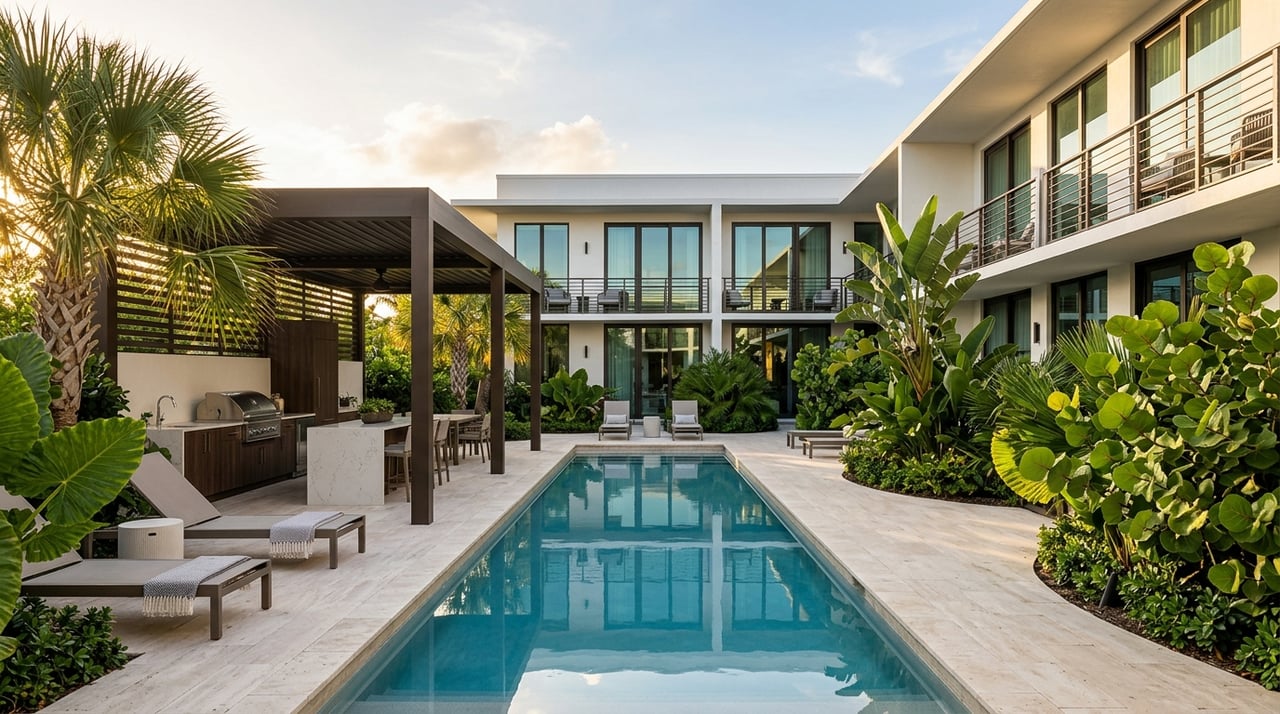
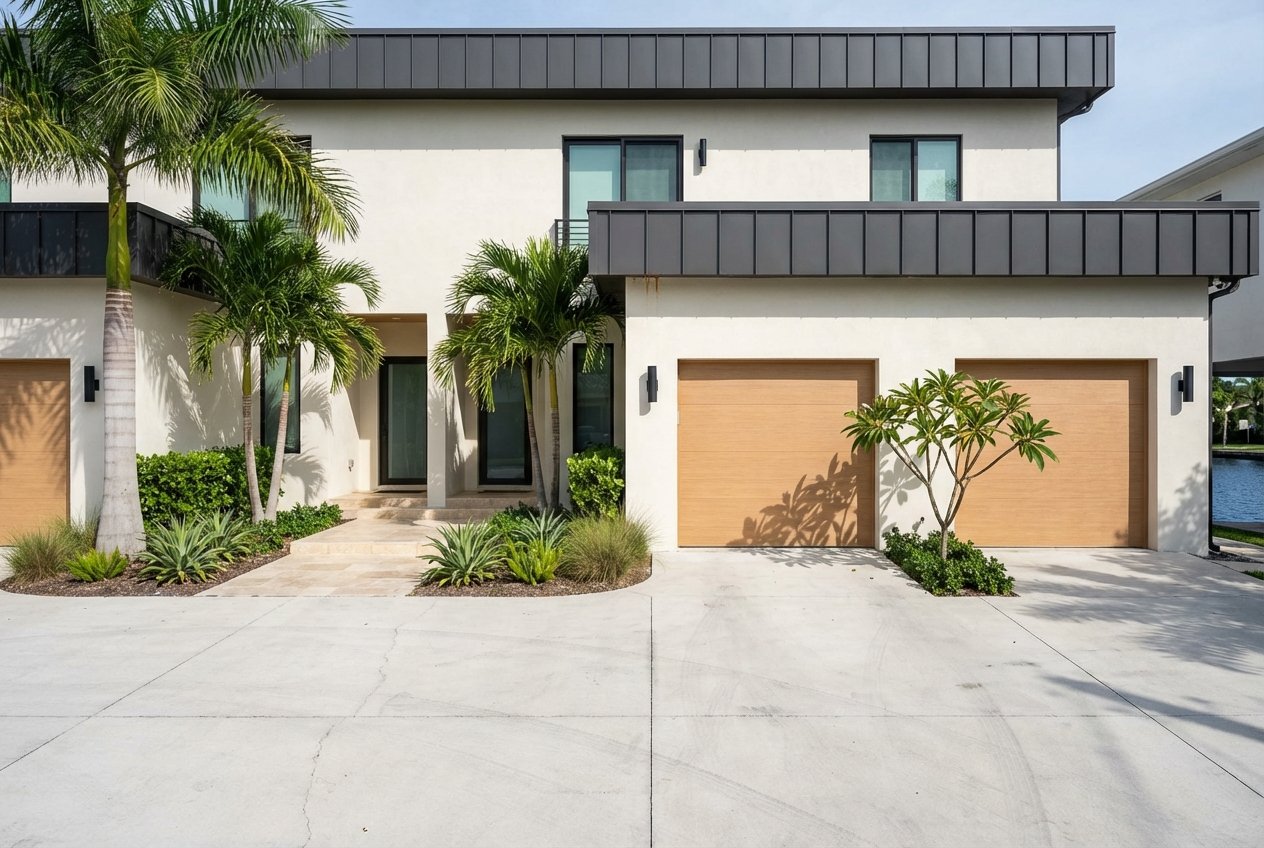
A villa can be a great fit for snowbirds who want a balance between convenience and privacy. The key thing to understand is that “villa” is more of a style label than a legal ownership type.
In Florida, what matters most is whether the property is part of a homeowners’ association and what the governing documents say the association must maintain. Some villas feel nearly as hands-off as condos, while others function much more like detached homes.
That means you should not assume a villa includes exterior maintenance, landscaping, or other convenience services. You need to read the declaration and community documents to see exactly what is covered.
Single-Family Homes: The Most Control
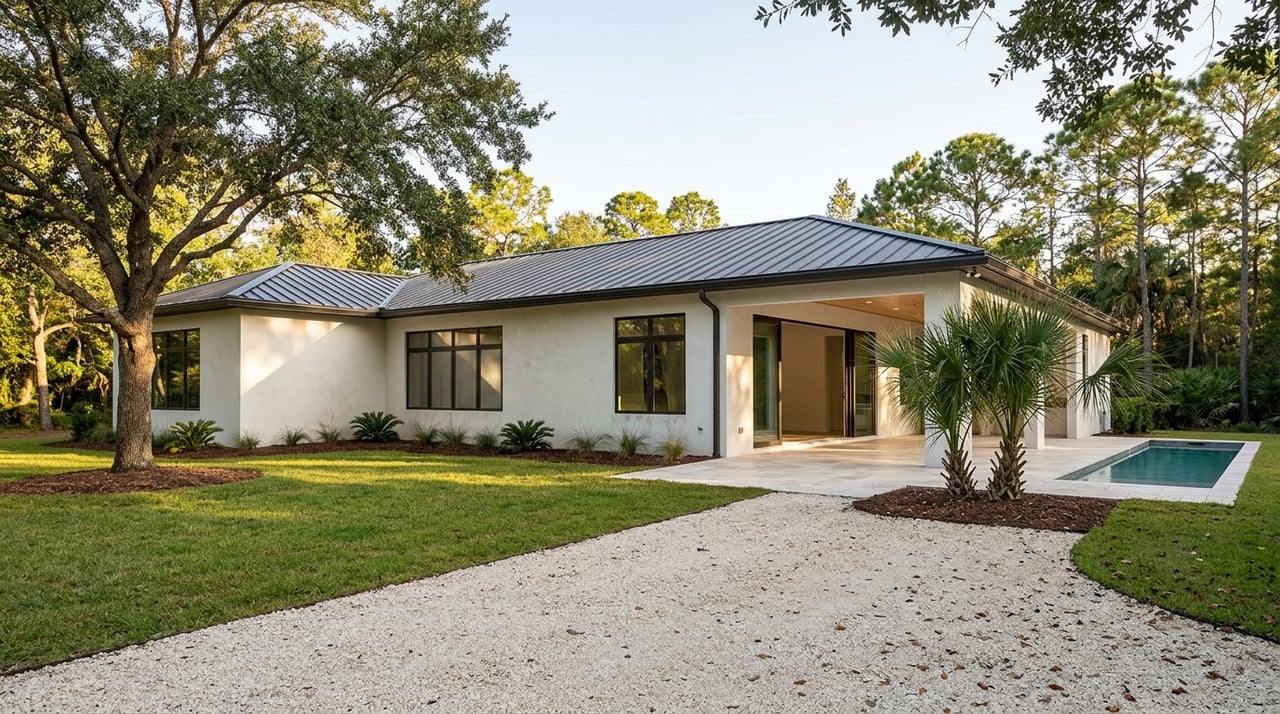
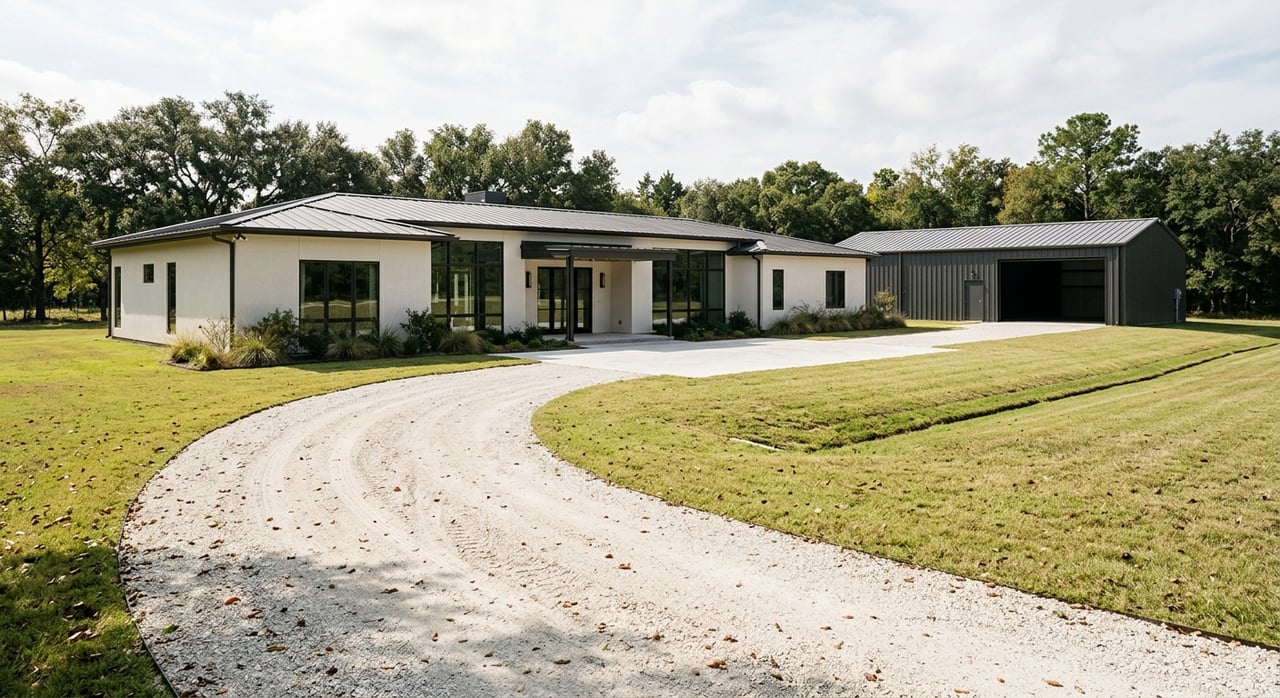
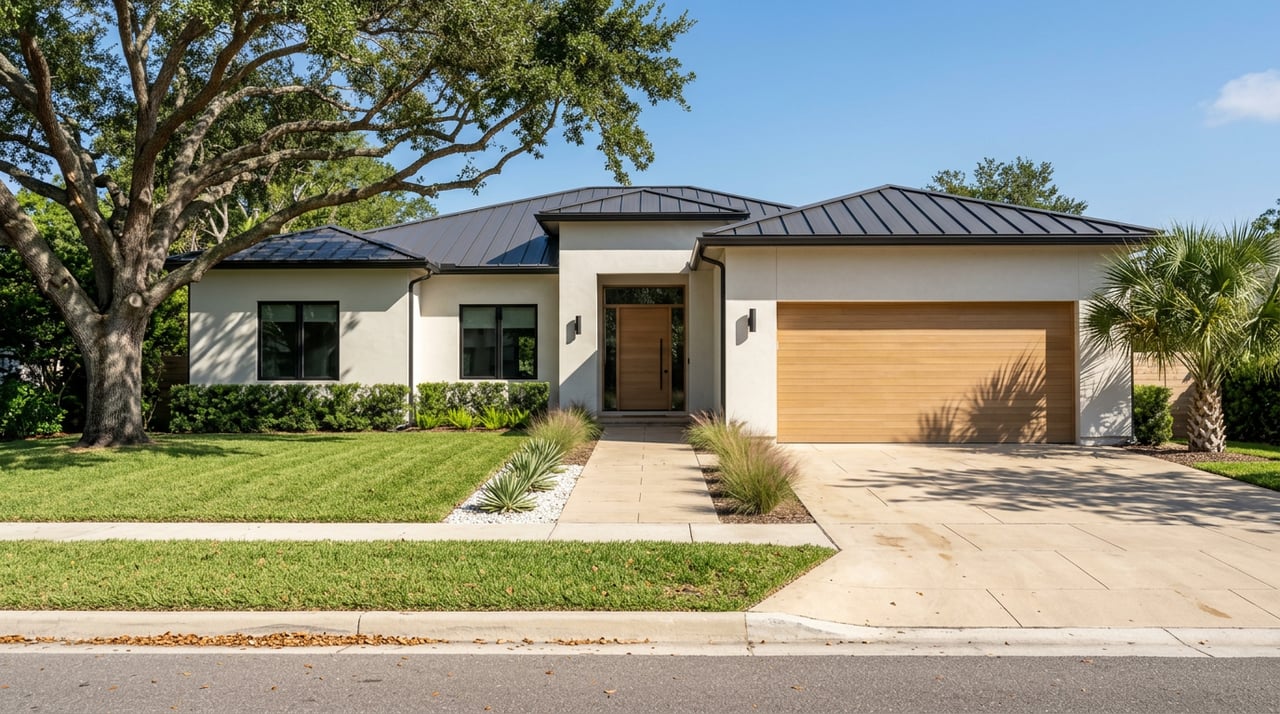
A detached single-family home usually gives you the most autonomy. If you want more say over your property and fewer association limitations, this may be the most appealing option.
The tradeoff is maintenance. Unless the home is in a community with an HOA that handles certain items, you will likely be responsible for more direct upkeep before, during, and after each season.
For snowbirds, that can mean more coordination from a distance. Landscaping, exterior care, and other property needs may require planning while you are away.
Why the Association Matters More Than the Label
In Port Charlotte, the property label alone does not tell you whether a home is easy to leave for months at a time. The better question is what the association actually maintains.
For example, a condo association may handle common elements and shared upkeep, while an HOA community may maintain common areas and other items described in its documents. The difference can be significant when you are comparing two homes that look similar on paper.
If you are aiming for a lock-and-leave lifestyle, focus on the real maintenance package. Ask whether the association handles:
- Landscaping
- Exterior maintenance
- Roof-related responsibilities
- Structural items
- Security-related services
- Common-area upkeep
These details often shape your ownership experience more than whether the listing says condo, villa, or single-family home.
What to Review Before You Make an Offer
Seasonal buyers benefit from careful due diligence. Before you move forward on a Port Charlotte property, make sure you review the documents that explain how the community operates.
The most useful items to request often include:
- Declaration
- Bylaws
- Current community rules
- Annual budget
- Reserve information
- Insurance scope
- Management contracts, when applicable
These records can help you understand both your responsibilities and the association’s responsibilities. They can also help you spot future costs that may affect your budget.
Fees, Reserves, and Assessments
Low maintenance does not always mean low cost. In condos especially, fees may reflect services like building maintenance, security, lawn care, refuse collection, utilities, and reserve funding.
Florida law also requires attention to reserves and building-related financial planning in certain communities. For snowbirds, that means it is wise to look beyond the monthly fee and ask what that fee supports.
You should also ask whether reserves are fully funded, optional, or waived. In some properties, future expenses or building requirements may increase the possibility of special assessments.
Rental Rules Can Change the Math
If you may want rental income from your Port Charlotte property, do not assume every community allows it. Rental rules are community-specific, and the details can have a major impact on whether a home fits your plans.
Florida HOA law allows communities to regulate rentals, including limiting rental agreements shorter than six months and limiting how often a parcel may be rented in a calendar year. Condo rules can also affect how rental restrictions apply depending on when an owner took title or consented to a change.
Before you buy, ask these rental questions clearly:
- Are rentals allowed at all?
- What is the minimum lease term?
- Is tenant or lease approval required?
- How many times per year can the property be rented?
If occasional rental use matters to you, these answers should be part of your decision before you submit an offer.
Know the Tax Side of Seasonal Ownership
Taxes are another area where snowbirds should plan carefully. If the Port Charlotte property is your winter home rather than your permanent residence, you should not assume it qualifies for Florida homestead exemption.
Florida ties homestead exemption to a permanent residence, and the application deadline is March 1. For many seasonal owners, a winter-only property is treated differently for property-tax purposes.
If you plan to rent the home for six months or less, there may also be local and state tax implications. Charlotte County collects a 5% tourist development tax on taxable short-term rentals, and Florida sales tax generally applies to rentals or leases of accommodations for six months or less.
Charlotte County also states that bona fide written leases longer than six months are exempt from sales tax and tourist development tax on the lease payments. If you expect to rent part-time, it is smart to confirm any registration and monthly remittance steps before your first guest arrives.
How to Choose the Best Fit for You
The best Port Charlotte housing choice depends on your priorities, not just the property type. If you want the easiest lock-and-leave setup, a condo may be your strongest match, provided the budget, reserves, and insurance details make sense.
If you want a balance of convenience and a more home-like feel, a villa may offer that middle ground, but only if the governing documents support it. If you value control and space most, a single-family home can work well, especially if you are comfortable managing more upkeep.
The smartest approach is to compare each property by function. Look at maintenance responsibilities, insurance scope, reserve health, rental rules, and tax treatment as a seasonal owner.
Buying a snowbird property should feel exciting, not uncertain. When you focus on the details that affect everyday ownership, you can choose a Port Charlotte home that supports your lifestyle now and your flexibility later.
If you are exploring seasonal housing in Port Charlotte and want help comparing condos, villas, and single-family homes, connect with Carla Nix for clear, local guidance tailored to your goals.
FAQs
What is the best Port Charlotte housing type for lock-and-leave snowbirds?
- Condos are often the most hands-off option because associations commonly handle many shared maintenance items, but you still need to review owner responsibilities, fees, reserves, and insurance details.
What should snowbirds review in a Port Charlotte condo or HOA community?
- You should review the declaration, bylaws, current rules, annual budget, reserve information, insurance scope, and any management-related records that explain what the association maintains.
Do Port Charlotte villa communities always include exterior maintenance?
- No. A villa may feel low-maintenance, but the actual level of service depends on the HOA documents and what the association is required to maintain.
Can snowbirds rent out a Port Charlotte seasonal home?
- Possibly, but rental rules are community-specific, so you need to verify whether rentals are allowed, the minimum lease term, approval requirements, and how often the property can be rented.
Do snowbirds get Florida homestead exemption on a Port Charlotte winter home?
- Florida homestead exemption is tied to a permanent residence, so a winter-only home generally should not be assumed to qualify.
What taxes apply if you rent out a Port Charlotte property short-term?
- If the property is rented for six months or less, Charlotte County says a 5% tourist development tax applies, and Florida sales tax generally applies to taxable rentals as well.