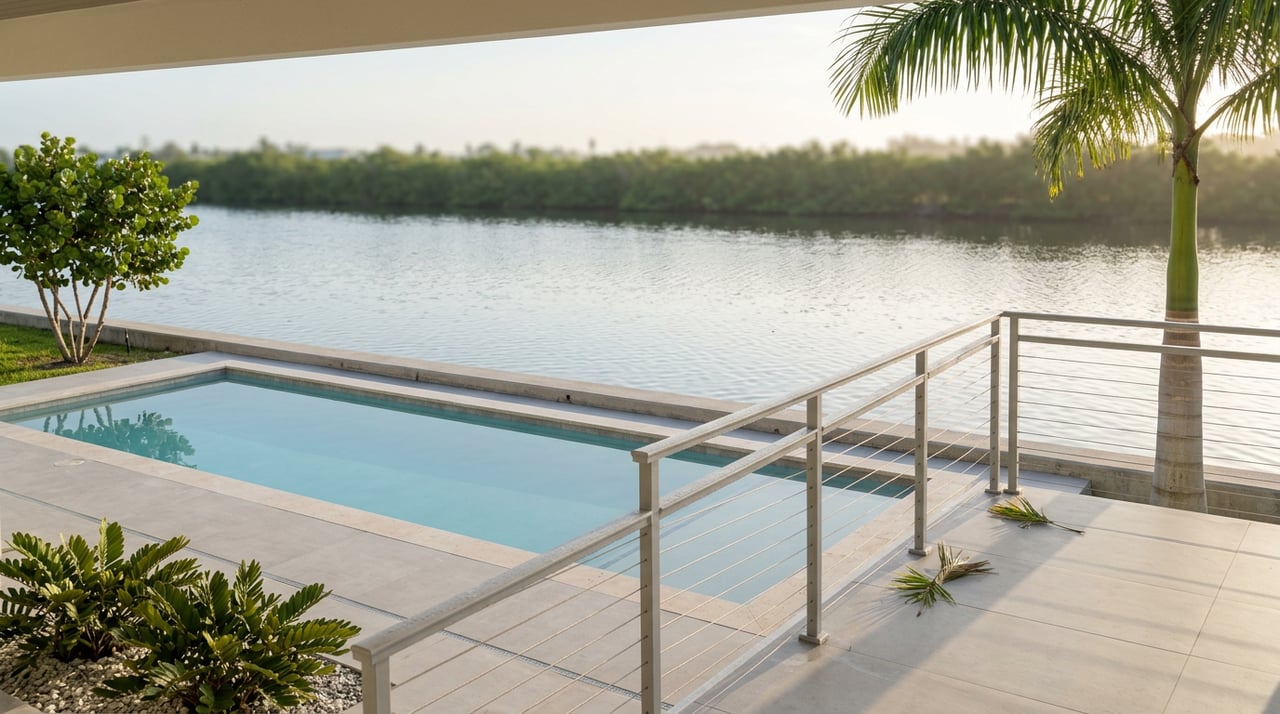
Across May and June 2026, Cape Coral council members spent several meetings arguing over whether to borrow $65 million for four capital projects. One of them was a seawall. Not a private homeowner's seawall behind a pool deck somewhere off Chiquita Boulevard, but the wall protecting the municipal Yacht Club, price tag $23 million. Councilmember Rachel Kaduk pushed back hard, pointing out the city already had nearly $30 million sitting unassigned in the general fund. "We should not be borrowing $65 million," she said. The vote got pushed to June while staff went back to produce cleaner numbers.
Watch that fight long enough and you notice something the headlines don't say directly: if the city with the largest municipal canal network in the world needed to borrow money to cover $23 million for a seawall project spanning roughly 3,000 linear feet at its own Yacht Club, a private owner on a standard 80 to 100 foot canal lot is running the exact same math, alone, with none of the general fund cushion and none of the public debate. That is the piece of this market most listing sheets never mention, and it is the reason a Cape Coral canal deal can look finished right up until a marine inspector's report lands three days before closing.
Whose Wall Is It, Actually
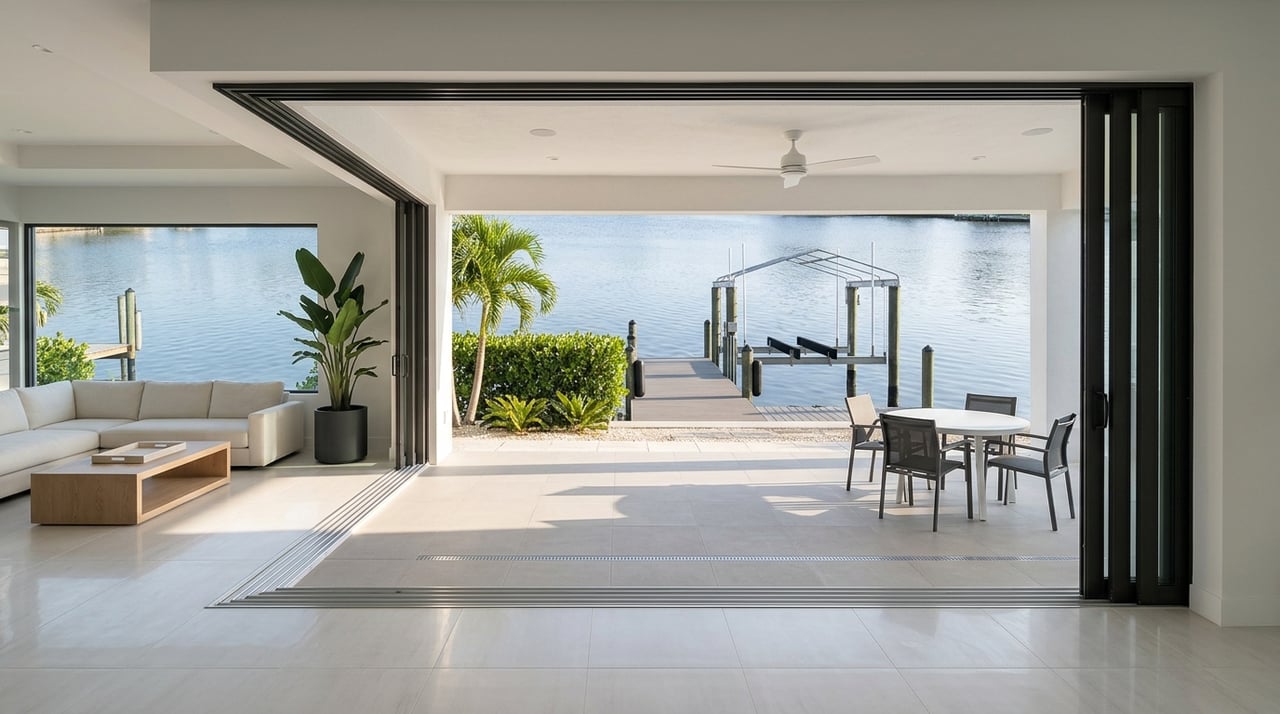
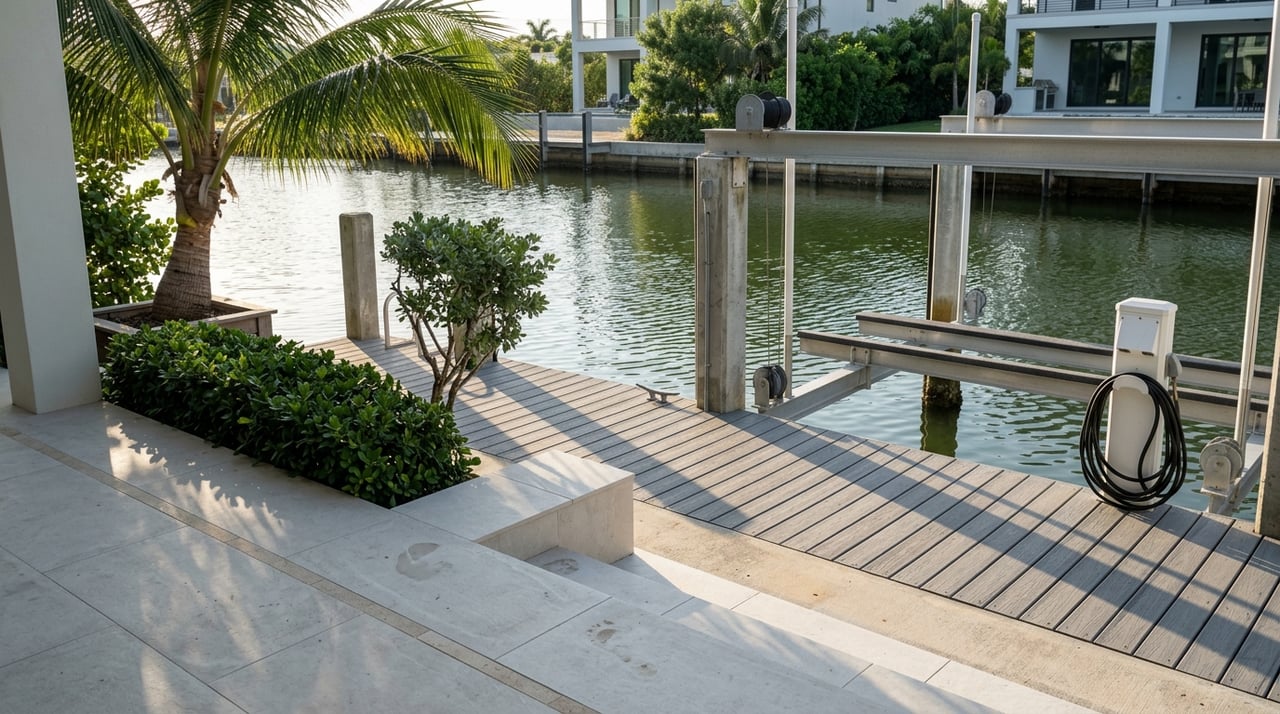
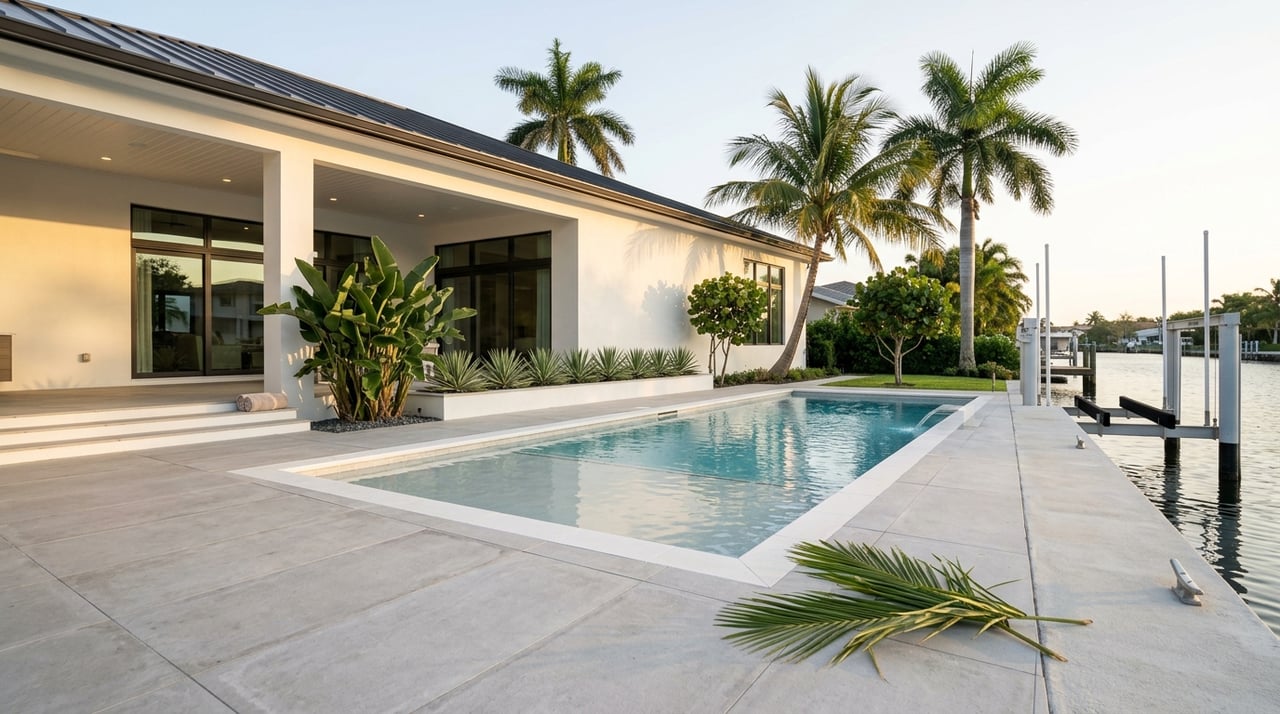
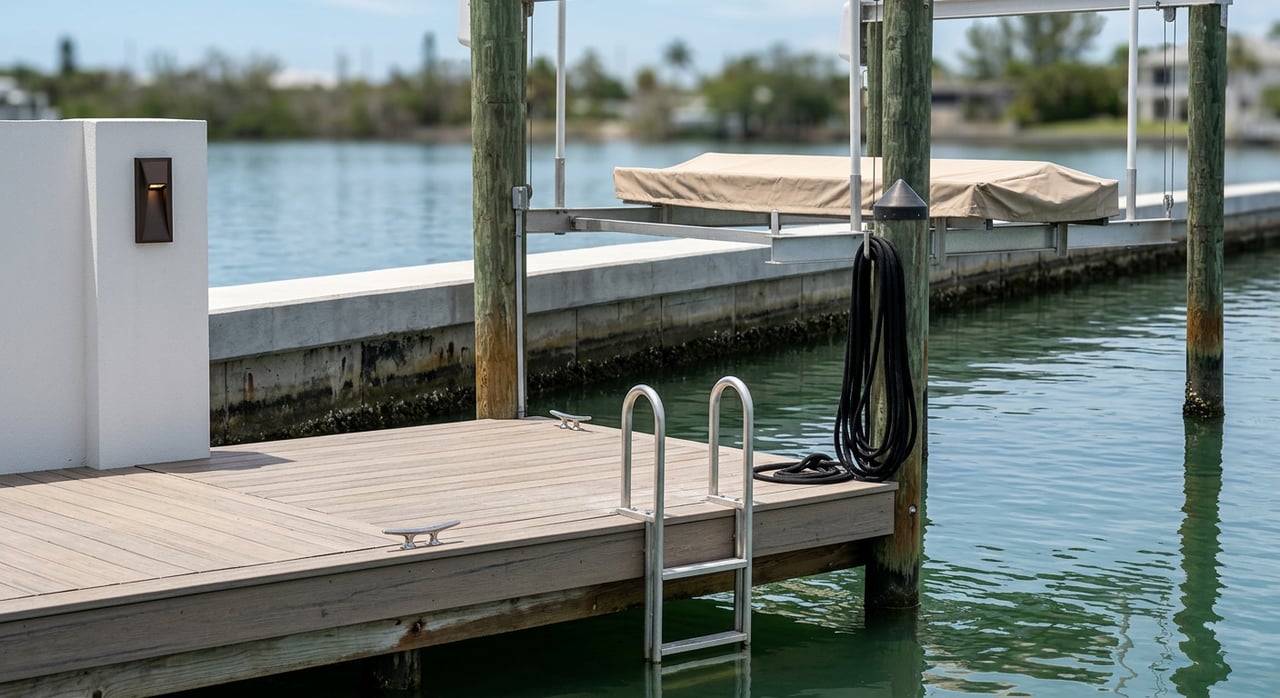
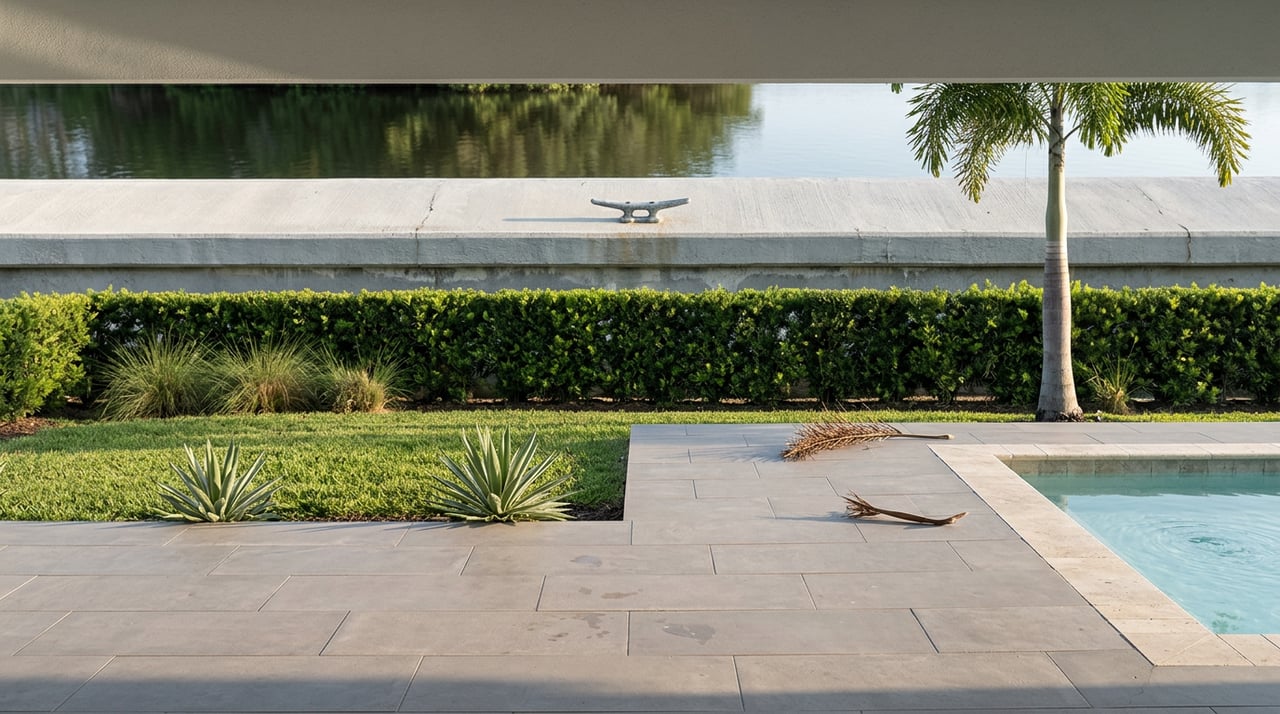
Cape Coral's land development code settles this cleanly, even if most buyers never read it. On a canal lot, your property line runs to the center of the waterway, and the seawall is treated as part of your parcel, not the city's infrastructure. The code requires an owner to build a seawall before constructing a home on canal frontage, and it puts the ongoing job of keeping that wall structurally sound squarely on the owner, at the owner's expense. There is no shared assessment, no city crew, no drainage-fund carve-out. If it leans, cracks, or loses backfill, that is a private capital project the same way a new roof is, except the failure mode is worse: a compromised wall can undermine the yard behind it and create liability for the neighbor next door.
This has been argued in Cape Coral's letters pages for years, going back at least to the seawall damage Hurricane Irma caused in 2017, when residents wrote in on both sides: some insisting seawalls function as city drainage infrastructure and should be a shared cost, others pointing out that anyone who bought waterfront knew the wall came with the lot. The city's position has not moved. Cape Coral has more than 400 miles of residential canals, more than any other city on earth, and it did not get there by absorbing the maintenance bill for every one of them.
What the Bill Actually Looks Like
The Yacht Club project is public money at public scale. A private lot is a smaller version of the same equation, and the range is wide enough that guessing is not a strategy.
| Item | Typical 2026 range |
|---|---|
| Vinyl sheet pile seawall, per linear foot | $400 to $650 |
| Concrete panel seawall, per linear foot | $650 to $900 |
| Full replacement, standard 80 to 100 foot canal lot | $50,000 to $120,000 |
| Pre-listing marine inspection | $500 to $800 |
The spread between vinyl and concrete matters less than the spread between "repair" and "replace." Targeted work like tieback replacement or cap repair can run a fraction of full replacement if the wall is caught early. The wall behind a lot that has never been inspected is a different conversation than one with a current engineering report in hand, and the only way to know which conversation you're having is to pay for the $500 to $800 inspection before an offer arrives, not after.
Storm history explains why so many Cape Coral walls are due at once. Hurricane Ian made landfall on September 28, 2022, and tore into seawalls across the city hard enough that marine contractors are still pulling Ian-related repair permits years later. Layer that onto a canal system where a lot of the original walls date to the city's earliest development decades ago, and a meaningful share of Cape Coral's private seawalls are now sitting at or past the point where a concrete or vinyl wall typically needs real structural attention, not just cosmetic patching.
The Disclosure Form Doesn't Ask What You Think It Asks
Here is the part that trips up sellers who think they've covered themselves. Since October 1, 2024, Florida Statute 689.302 has required anyone selling residential property to hand buyers a written flood disclosure at or before the contract is signed. It is a real legal requirement, and it asks three specific things: whether the seller has filed a flood insurance claim, whether the seller has received flood assistance from a government or private source, and whether the seller knows of flood damage that occurred during their ownership.
Read that list again. Nowhere does it ask about the condition of the seawall. A seller can fill out the state's mandatory form completely and honestly, mail it back, and still be sitting on a wall with failing tiebacks that nobody has looked at in fifteen years, because the statute simply was not written to cover it.
The backstop is common law, not statute. Florida courts still apply the standard from Johnson v. Davis, which requires a seller to disclose known material facts that affect a property's value and are not obvious to a buyer walking the lot. A visibly bowed or cracked seawall likely clears that bar. A wall that looks fine from the lanai but hasn't had an engineering eye on it in over a decade sits in a gray zone, and plenty of sellers convince themselves silence is the same thing as compliance. It isn't quite, but proving otherwise after closing is a much harder conversation than having it before you sign a listing agreement.
What This Actually Changes If You're Selling or Buying
For a seller, the sequence that keeps this on your terms is straightforward. Book the marine inspection before you list, not after an offer shows up wanting a $30,000 credit at the eleventh hour. Pull whatever permit history exists for the wall, the dock, and any lift work, since a buyer's inspector will ask for exactly that. Get a current flood insurance quote in hand, since buyers increasingly want to see one during due diligence rather than take a seller's old policy on faith. Then decide, with real numbers instead of a guess, whether repairing before listing or pricing the home to reflect the wall's actual condition makes more sense for your timeline. Either is defensible. Not knowing is the option that costs you leverage.
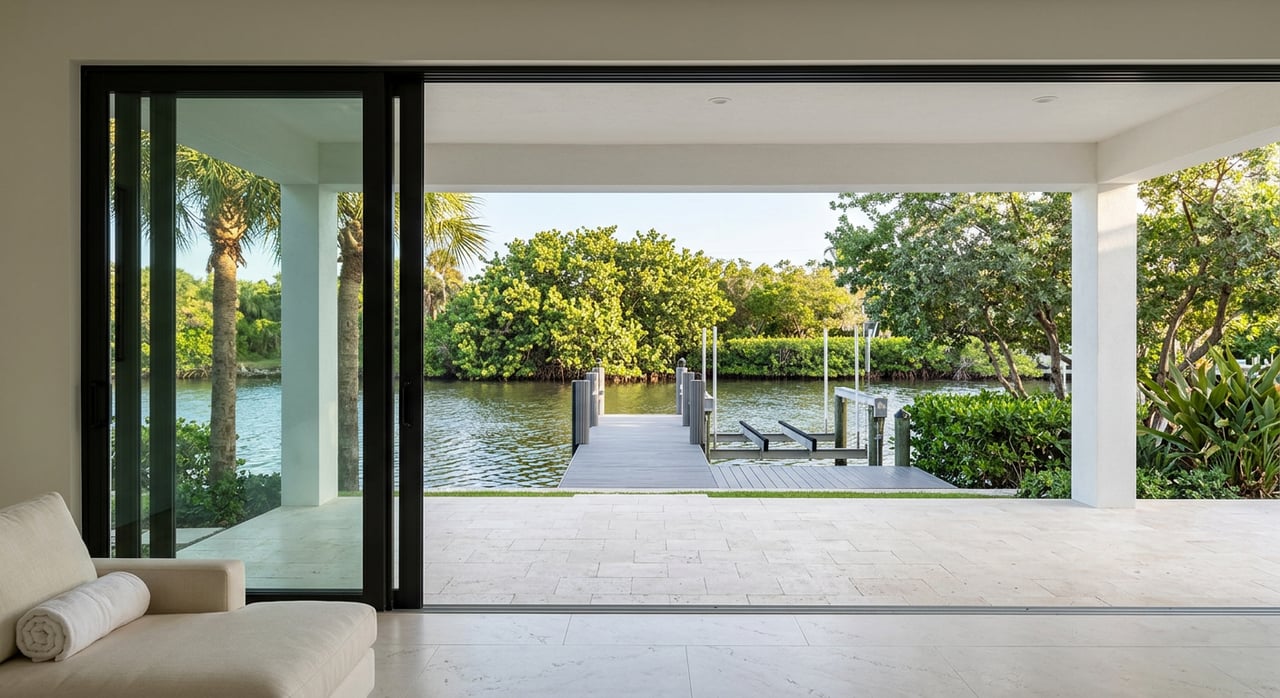
For a buyer, the seawall belongs on the same inspection checklist as the roof and the AC, not as an afterthought once you're already emotionally attached to the dock and the sunset view. Ask directly for permit history. Ask when the wall was last professionally inspected, not just when it was last repaired. If the answer is vague, budget for a marine inspection as part of your due diligence period rather than assuming a clean-looking cap means a sound structure underneath.
Lenders complicate this less than buyers expect. A freshwater canal lot outside the mapped 100-year floodplain typically will not trigger a lender-required flood policy, though plenty of owners carry one anyway given the real, if lower, exposure that comes with living on any Cape Coral canal. That is a separate conversation from the seawall itself, and worth having early with your insurance agent rather than discovering the answer during underwriting.
A Few Direct Questions
Does the city's Yacht Club project mean my private seawall gets fixed too? No. The Yacht Club seawall sits on public park land, which is the specific exception to the rule that owners pay for their own walls. A private canal lot does not benefit from that bond issue in any way beyond the general reminder of how much this kind of work costs at scale.
If my seawall is failing, does that automatically kill a sale? Not automatically. Florida's standard real estate contract allows for repair credits, price reductions, or escrow holdbacks negotiated after inspection. What kills deals is timing: a seawall issue discovered three days before closing has far less room for a calm negotiation than one flagged in the first week of a listing.
Is a canal lot without visible cracks or leaning necessarily fine? Not necessarily. A wall can look intact from the lanai and still have failing tiebacks or voids behind the panel that only an engineering inspection catches. Visual condition and structural condition are related but not the same thing, which is exactly why the $500 to $800 inspection cost is worth treating as standard due diligence rather than an optional extra.
Every canal-front listing in Cape Coral is really two transactions layered on top of each other: the house, and the wall holding the yard in place behind it. The city just spent months in public debate over what one seawall costs at municipal scale. Treating your own as a footnote on the inspection checklist is how a $50,000 conversation turns into a $120,000 surprise with no time left to negotiate it.
If you're weighing a canal-front purchase or sale in Cape Coral and want a clear read on what a specific seawall, dock, and permit history actually mean for your timeline, Carla Nix and her team at Nix & Associates can walk the property with you before it goes on the market or before you make an offer.