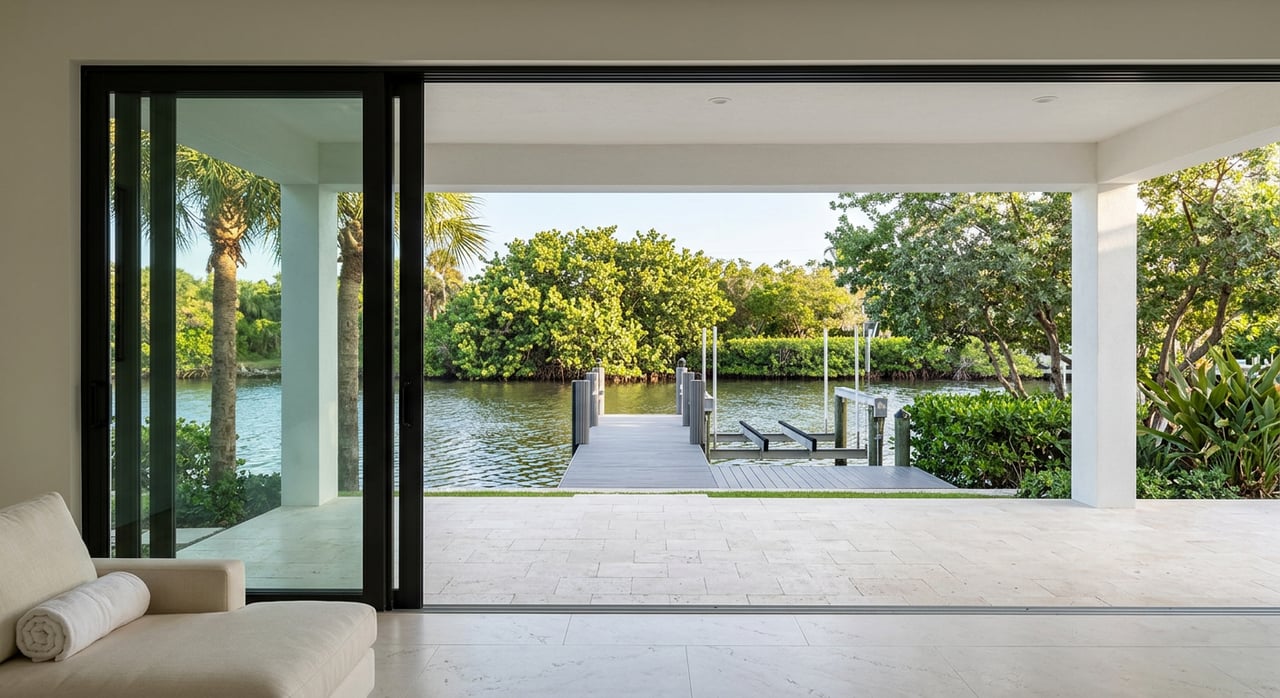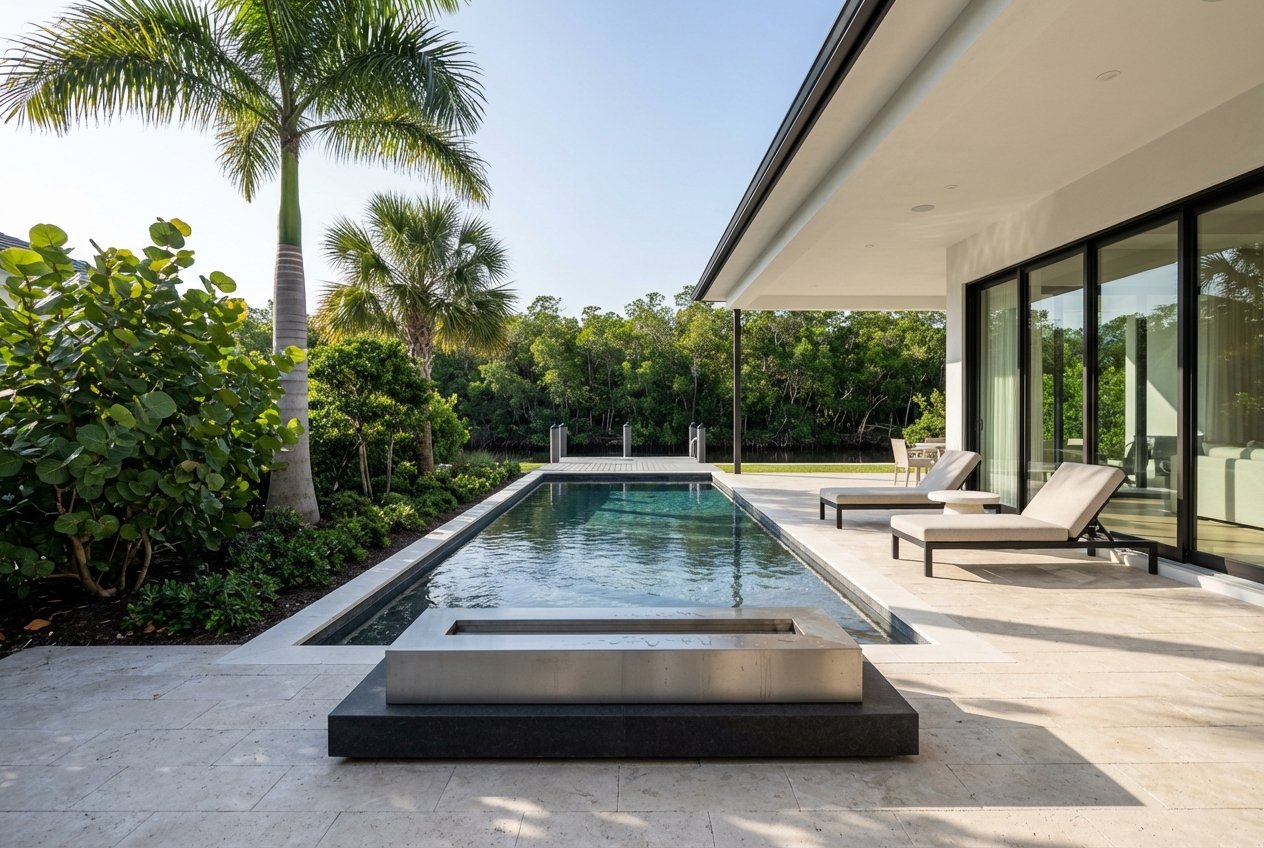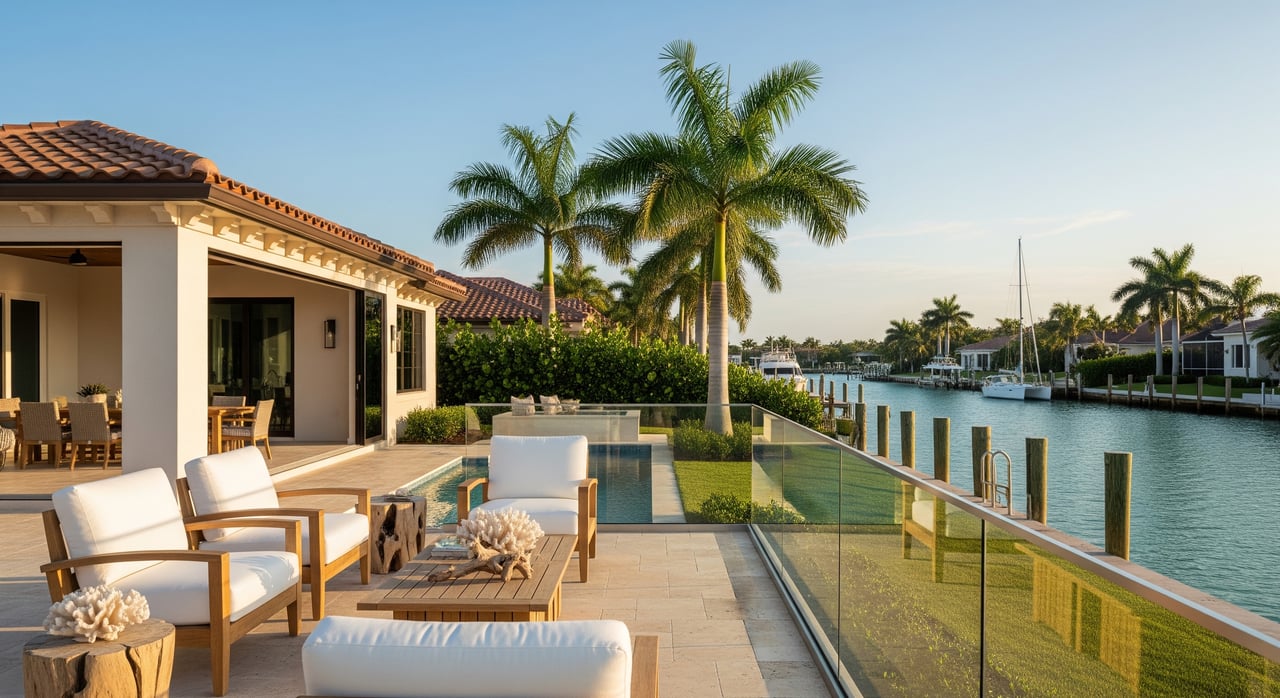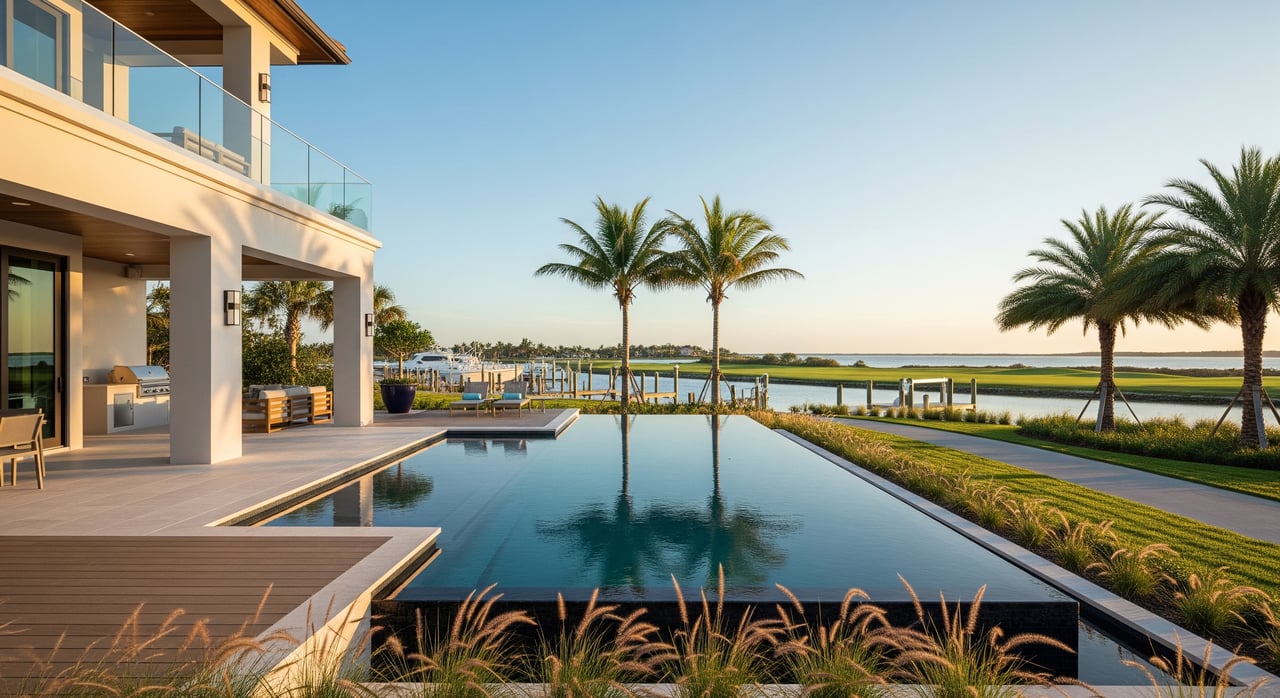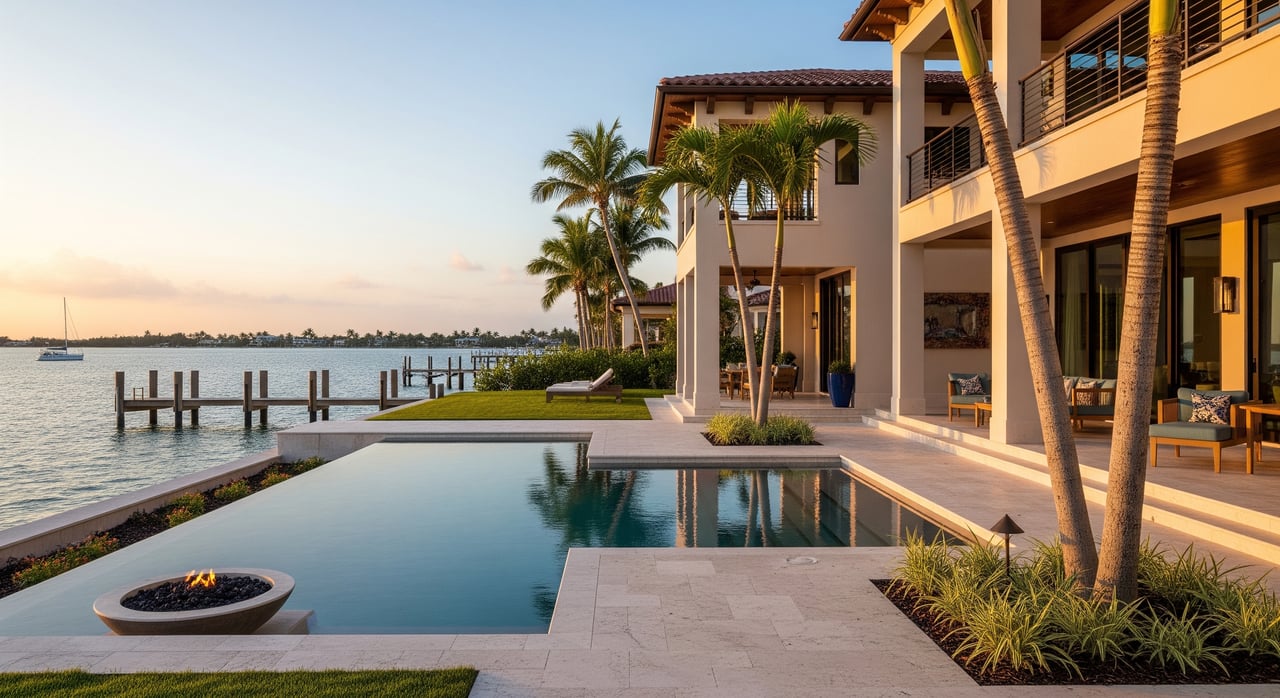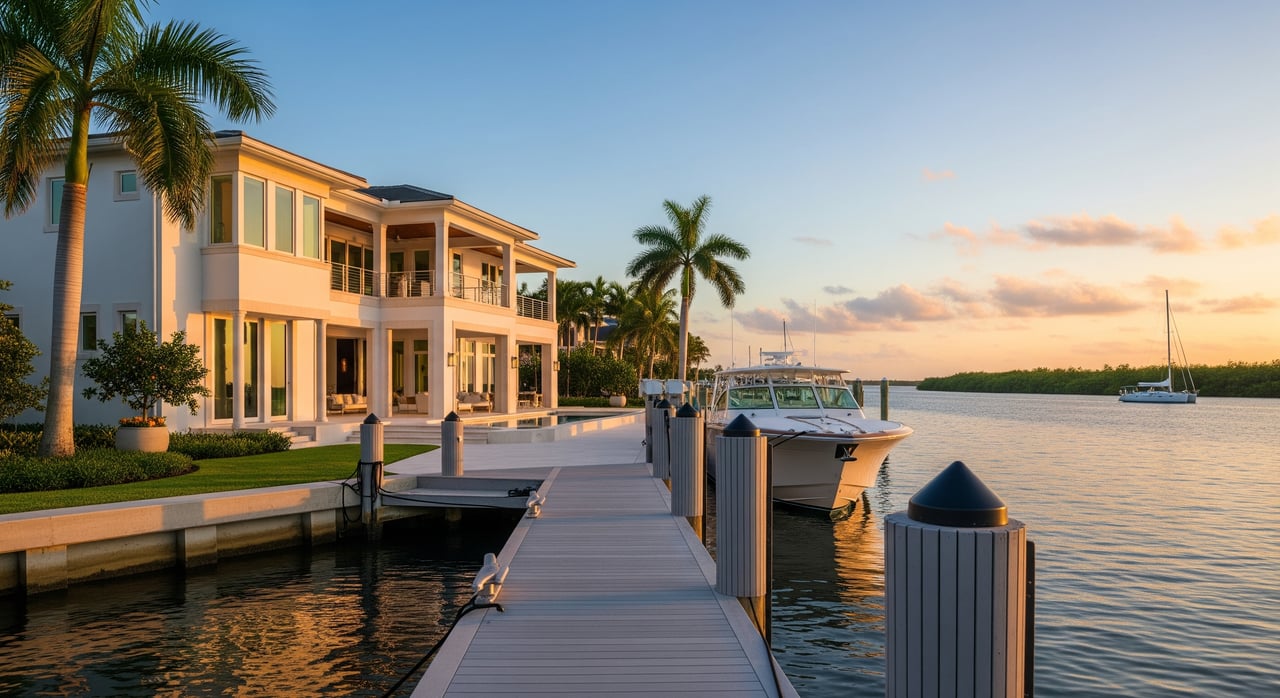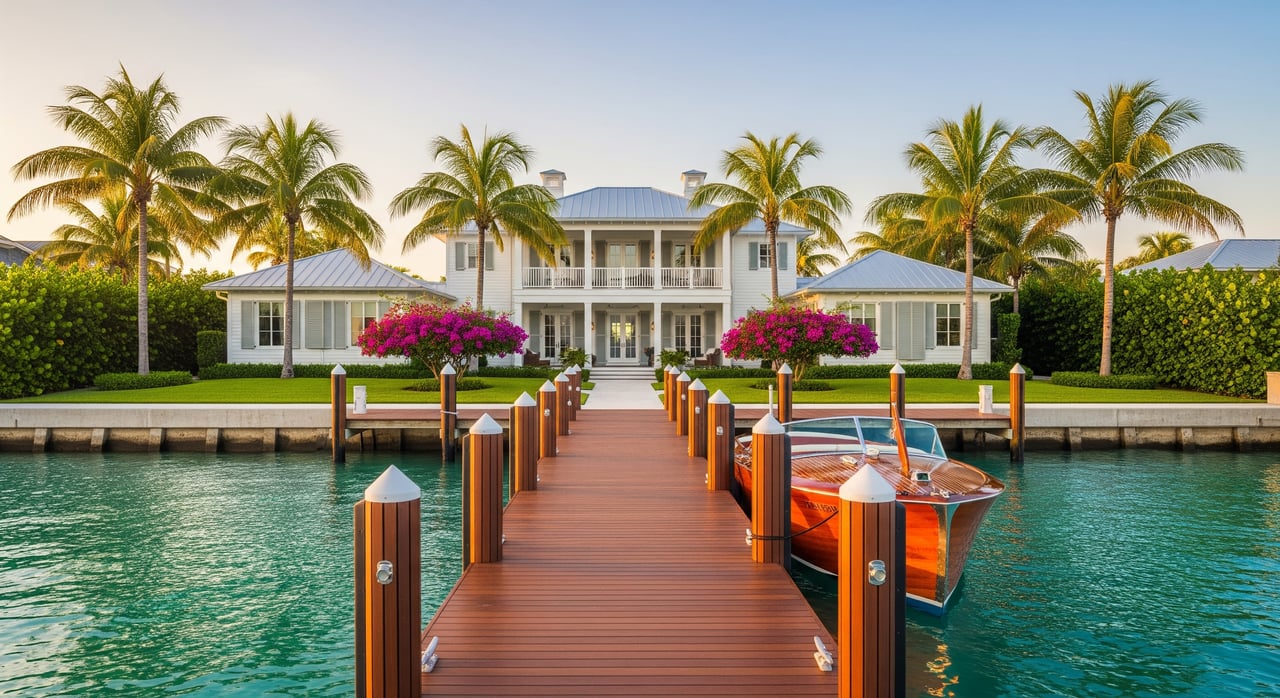
"Assessments are expected to continue rising as more original seawalls reach the end of their useful lives."
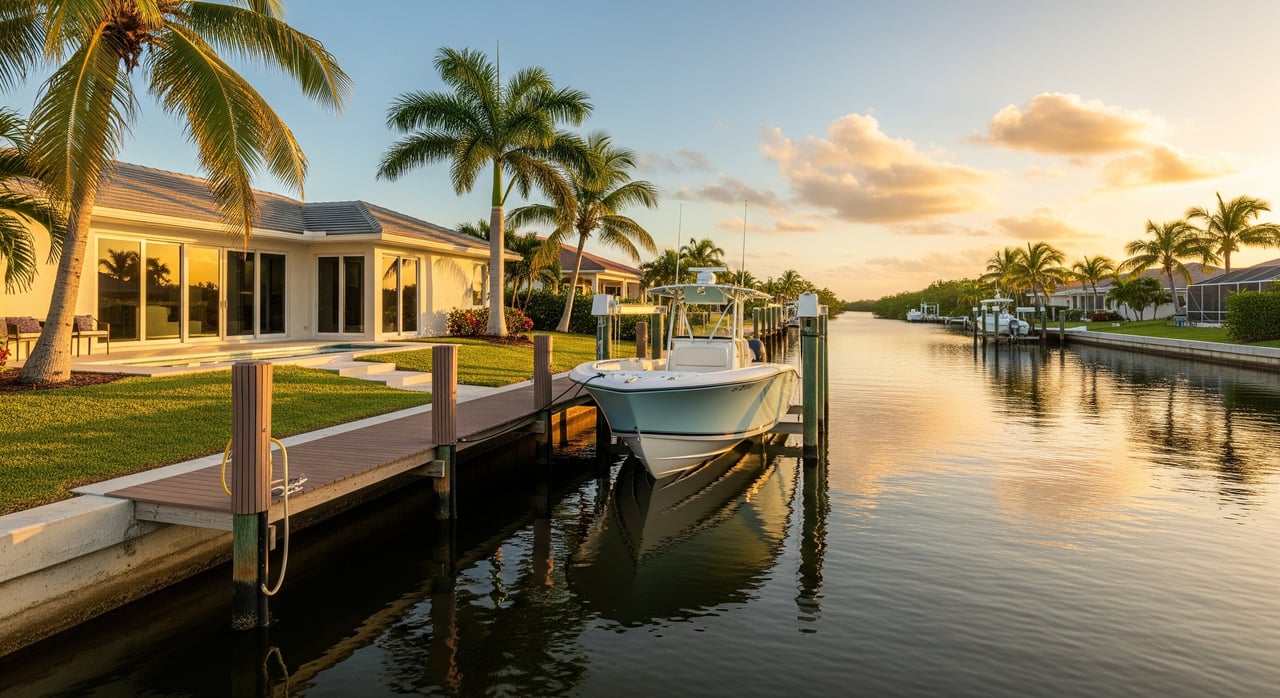
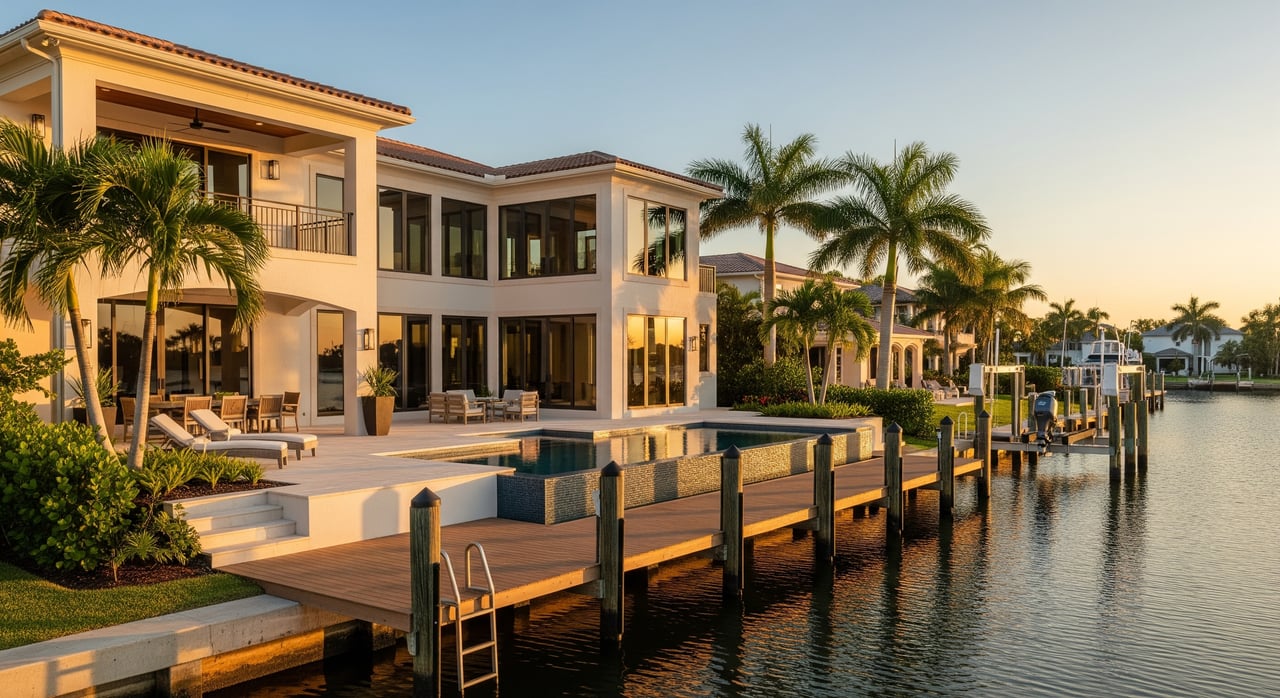
That line comes from Punta Gorda's city manager, answering a resident's question in her "Quick Q's with Dr. Missy" column in the Charlotte Sun. For anyone pricing a canal home in Punta Gorda Isles, it matters more than any listing photo of a dock at sunset.
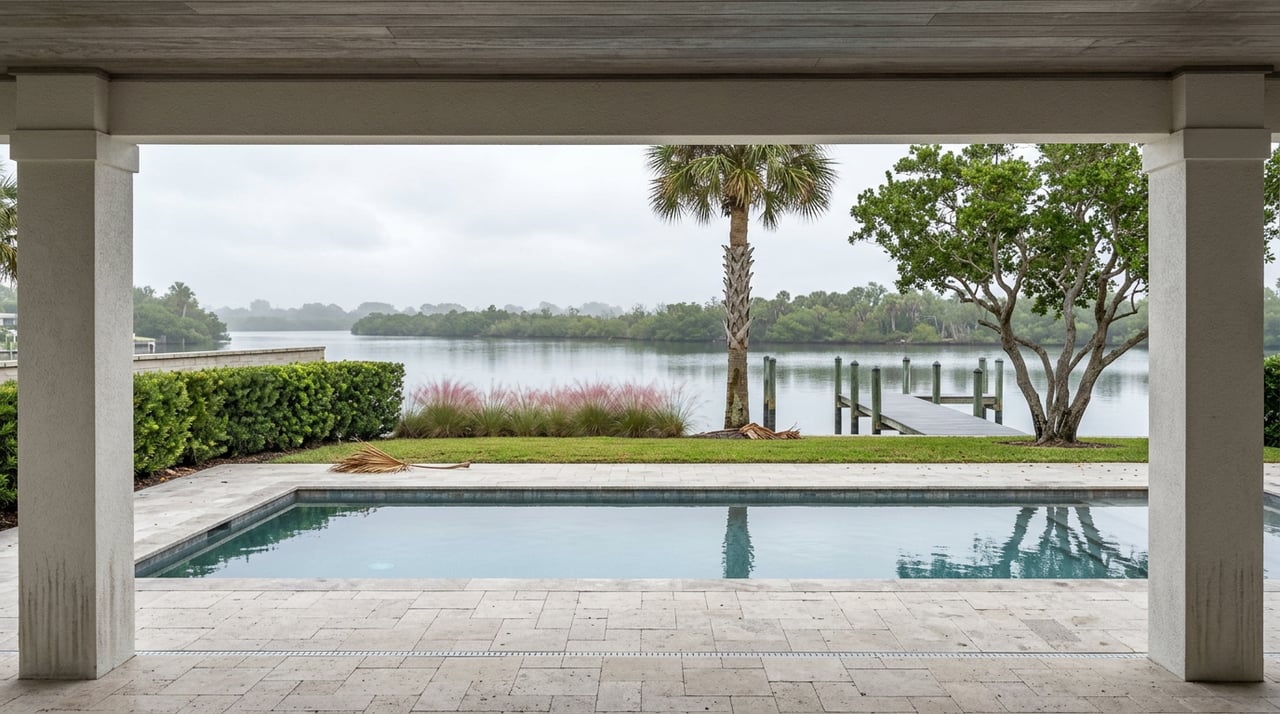
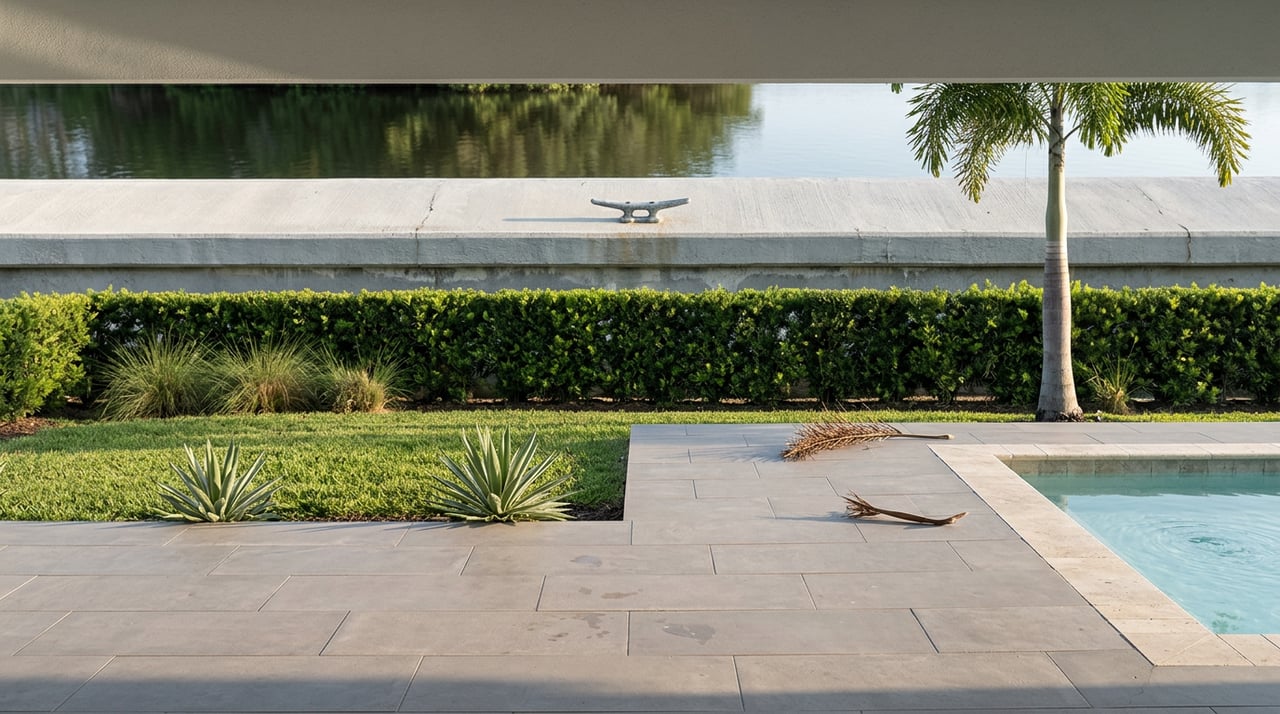
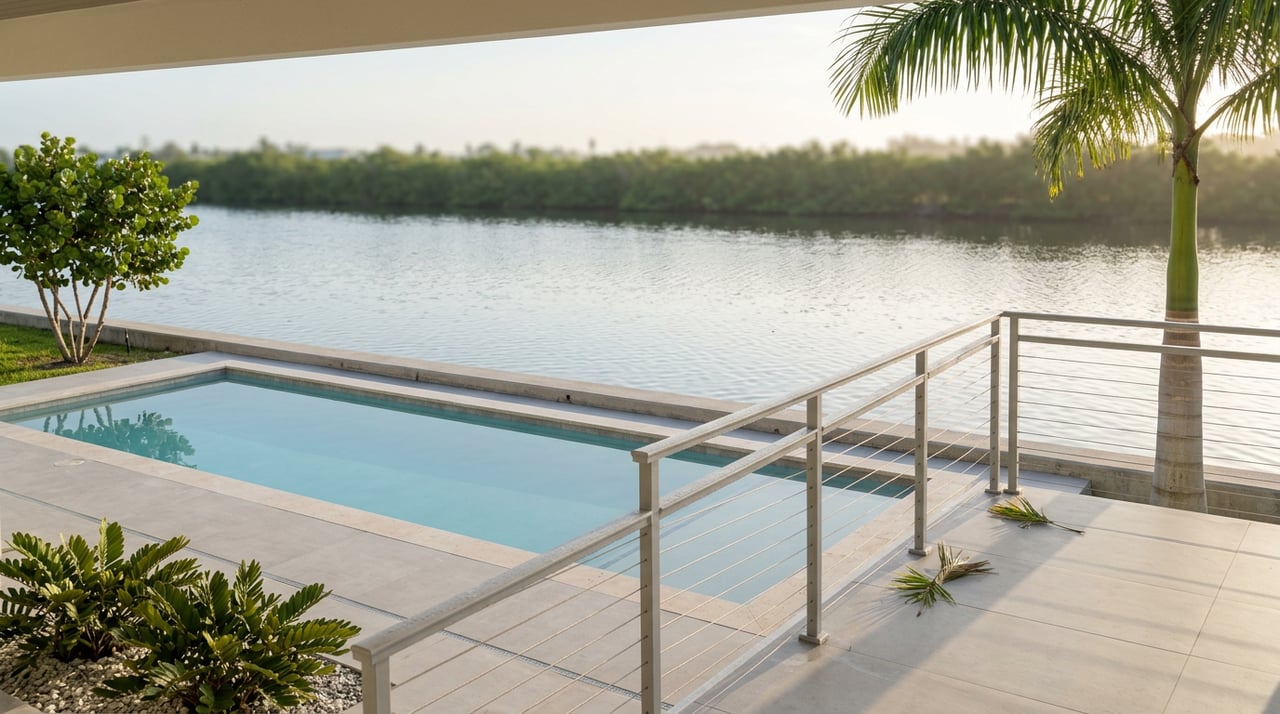
Most canal communities in Southwest Florida leave the seawall to the homeowner. Punta Gorda Isles works differently. The City owns the seawalls along the platted PGI canals and replaces them through the Punta Gorda Isles Canal Maintenance Assessment District, paid for by an annual charge on every lot in the district. That shared ownership is one of the neighborhood's strongest selling points. It also means a buyer takes on a share of a 60-year-old infrastructure system, with a price that is moving in one direction and a Hurricane Ian balance that has not been settled.
The number on the seller's tax bill is already out of date
On a Charlotte County property tax bill, the canal assessment shows up as a non-ad valorem charge. It is based on lot or land size, not the home's value. A buyer reviewing last year's bill sees one figure. The City's own special assessments page shows how quickly that figure has been changing.
| Fiscal year | Per single-family lot | Per sq. ft., other zoning |
|---|---|---|
| FY2017 | $550 | $0.058 |
| FY2019 | $650 | $0.068 |
| FY2021 | $550 | $0.058 |
| FY2022 | $650 | $0.068 |
| FY2023 | $950 | $0.099 |
| FY2024 | $1,100 | $0.115 |
| FY2025 | $1,200 | $0.125 |
| FY2026 | $1,350 | $0.141 |
| FY2027, tentative | $1,500 | $0.156 |
The rate stayed between $550 and $650 for most of a decade, then more than doubled between FY2022 and FY2026. For FY2027, the PGI Canal Advisory Committee recommended $1,500 per single-family lot. At its June 17, 2026 meeting, a majority of City Council agreed to proceed at that rate, with Mayor Lux objecting. The July 2026 tentative levy put that figure in writing and set $0.156 per square foot for other qualifying properties. Council held the formal assessment hearing on September 9, 2026. As of early October, the minutes recording the final vote had not been posted to the City's meeting archive, so $1,500 is best treated as the proposed rate until the record confirms it.
The single-family rate applies to each subdivided lot zoned for a single-family home. Owners of partial lots pay a prorated share. Other property types pay by the square foot on land within 120 lineal feet of a canal, waterway, or harbor seawall. The City publishes no separate vacant-lot rate, so a buildable empty lot carries the charge too.
Why the curve bends upward
The district maintains about 45 miles of canals and roughly 90 miles of seawall. According to the city manager's column, many of those walls were built between 1965 and 1980, before the assessment district existed. That makes much of the original system 46 to 61 years old. In the early years, few walls needed replacing and the money went mostly to routine canal upkeep. The steep part of the table above is the stretch where large numbers of walls reached the end of their service life together.
The column also lays out the trade-off. A typical PGI property has paid about $19,380 in total assessments since 1980. Replacing the seawall on a standard lot with roughly 80 to 85 feet of frontage would cost about $54,000 at today's prices, and that covers only the wall, before any dredging, mangrove trimming, or channel markers.
Put those numbers side by side. Four decades of assessments on a typical lot add up to a little over a third of the cost of one new wall. At the proposed $1,500 rate, an owner would need 36 years of payments to match that single $54,000 replacement. The district works like an insurance pool. Spreading the cost across every lot and over time keeps any one owner from facing a five-figure bill in a single year. Early members of the pool paid in during the years when few walls failed. Today's buyers are paying in during the years when many walls are failing.
At the June 17 meeting, Council discussed "the continued increase in the PGI CMAD assessment rate and how to plan for replacement of seawalls in the future." Engineering staff noted that a contractor assesses seawall condition every other year. The City's August 2026 report shows the scale of the current program. This year's routine seawall replacement line carried a $6.95 million budget, and the report listed it as about 12% complete as of August 11, 2026.
Where the City's wall ends and the owner's dock begins
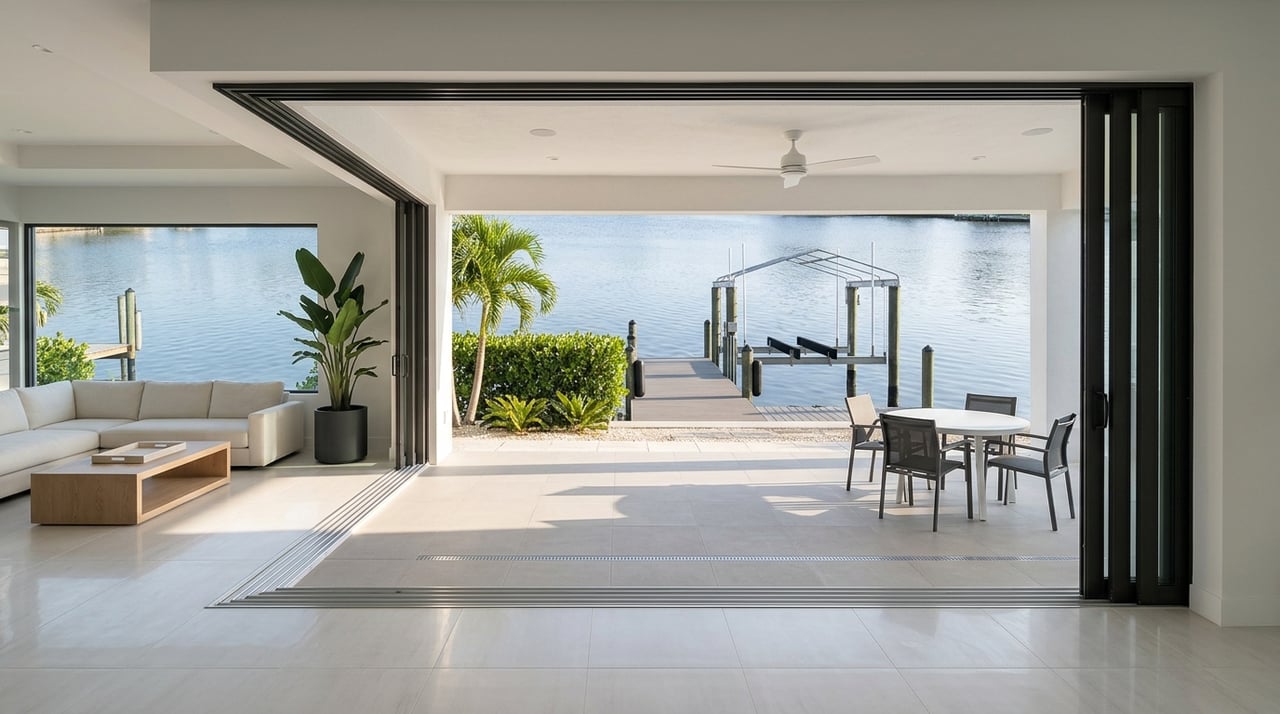
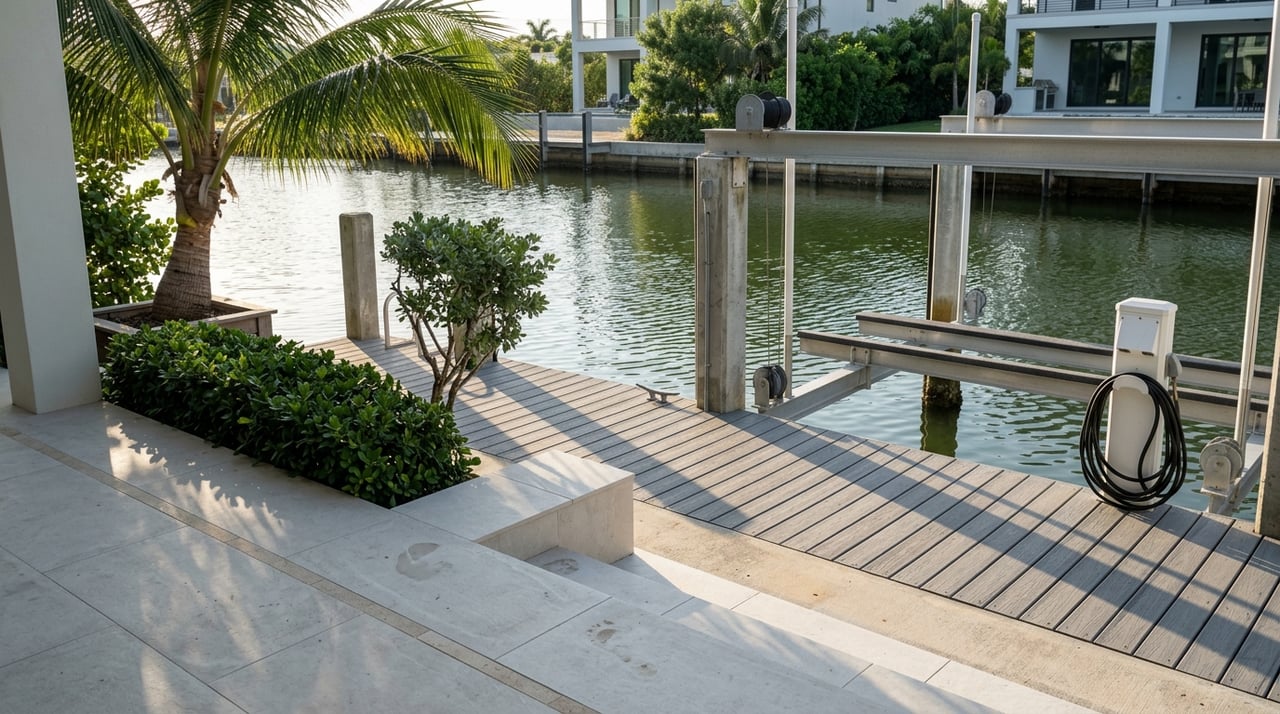
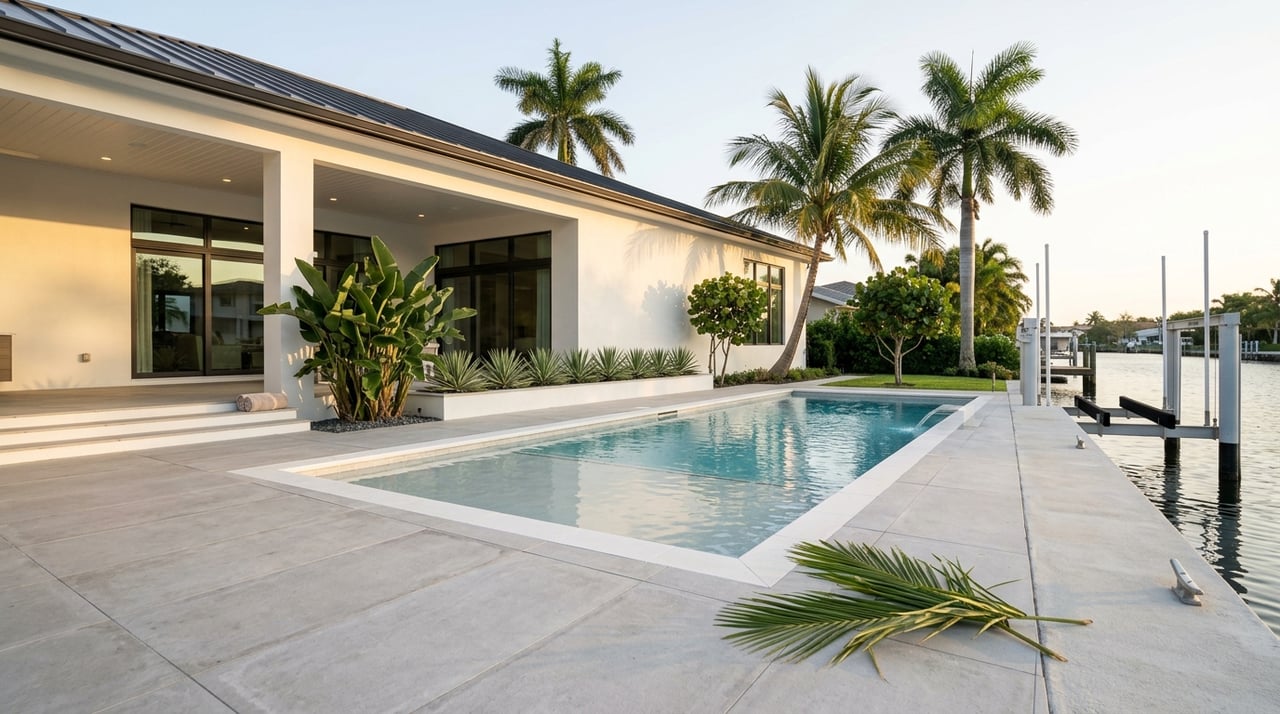
Shared ownership of the wall does not extend to everything on the water. When the City replaces a seawall, its contractor removes the failed wall, installs the new one, backfills, and lays new sod. The rest falls to the owner:
- Clearing or securing private docks, lifts, fences, irrigation and utility lines, and vegetation around the work zone
- Paying to restore private structures and landscaping afterward, since the district provides only replacement sod
- Keeping docks, pilings, lifts, dock lights, lines, and vessels in safe condition
- Paying for any dockside dredging, which owners can hire the City's marine contractor to do
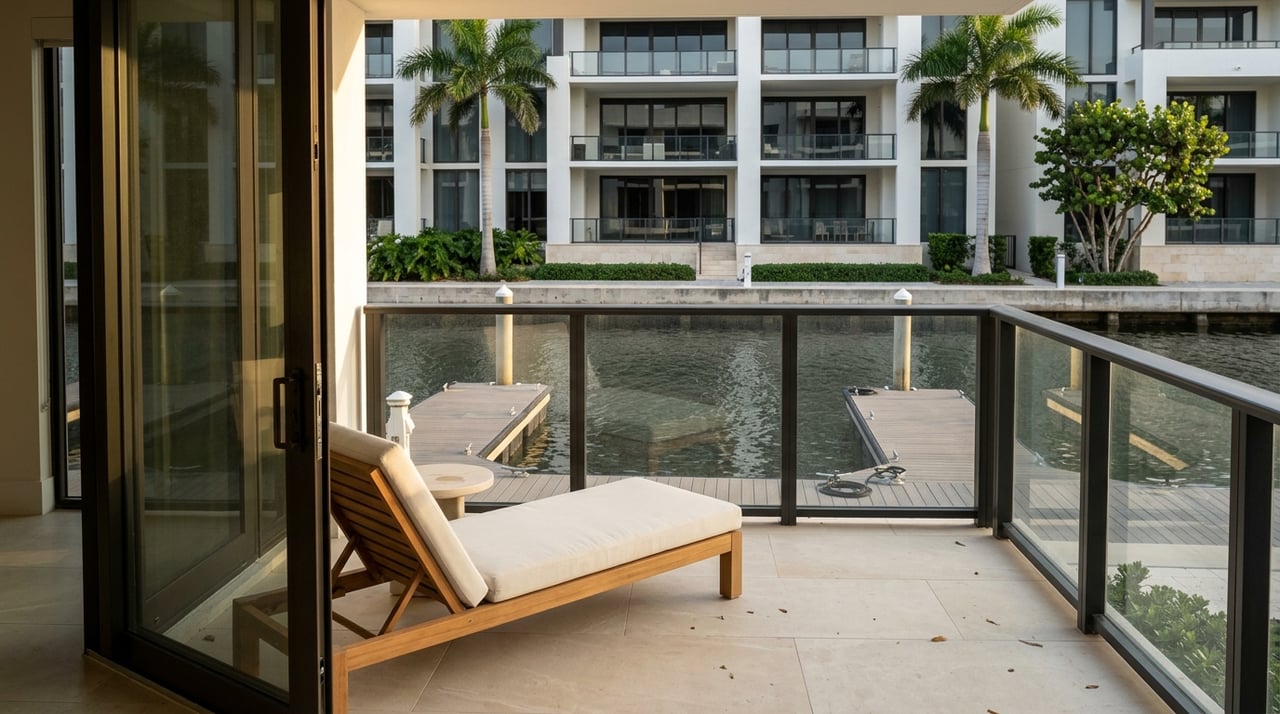
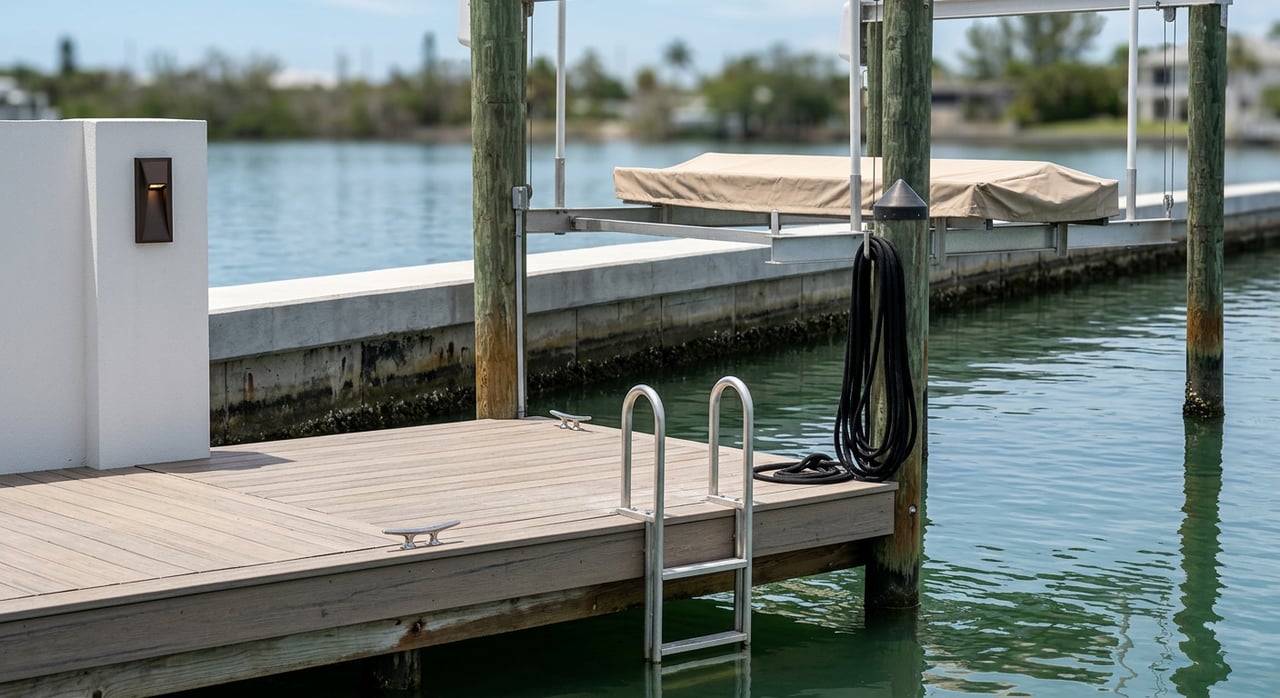
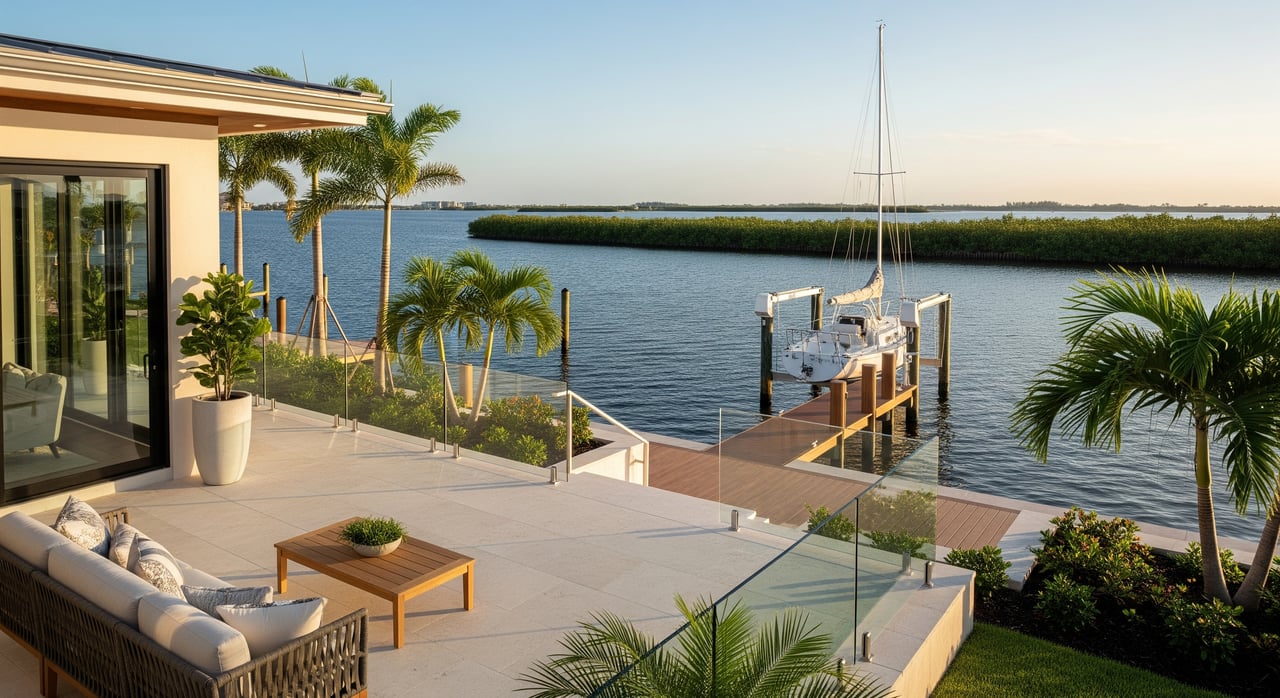
The design rules follow from the City owning the wall. Docks, pilings, and lifts must be freestanding, and nothing may attach to or touch the seawall cap or panels. Floating docks are prohibited in residential canals. Boat-lift covers are not allowed, though qualifying vessel mooring covers are. Anything beyond a standard dock on a standard lot needs a special permit, and the PGI Canal Advisory Committee holds the hearings and makes the final decisions on those permits. A buyer planning a second lift or a larger boat should treat that committee as part of the timeline.
The City's published guidance does not say who pays to repair a seawall cap, or who pays when an owner or a private contractor damages the wall. On a lot with recent dock work, it is worth getting that answered in writing.
The Hurricane Ian balance that the rate leaves out
The city manager's column says plainly that the current annual rate does not include Hurricane Ian seawall costs that FEMA may decide are ineligible for reimbursement. The City is using financing while the reimbursement process continues, and it may use traditional longer-term financing to cover whatever FEMA does not.
The physical repair work is almost done. As of August 11, 2026, Ian seawall replacement was about 98% complete with one worksite left. Inlet dredging at Bass and Snook inlets was still waiting on a schedule from the marine contractor. The paperwork is much further behind. At the January 20, 2026 Canal Advisory Committee meeting, Finance Director Kristin Simeone said the City had received no fully committed FEMA obligations. FEMA determination memos had contested seawall eligibility on 7 of the district's 10 projects. Of the two appeals filed, one won partial approval and the other was denied, and staff expected to appeal four newer determinations. About $10 million had been approved for base costs and $2 million for some mitigation. Simeone also confirmed these projects relate to Hurricane Ian, not Helene or Milton.
The bridge loan dates back to August 23, 2023, when Council approved a non-revolving line of credit with Bank of America, N.A. for Irma and Ian seawall repairs while the City waited on FEMA. The total being financed has not been fixed either. The district's Ian replacement budget was $46.5 million in its FY2024 schedule and $35.3 million in its FY2025 schedule. Those are budget snapshots, not a final cost.
The walls are rebuilt, and the money behind them is borrowed. However the FEMA appeals turn out, whatever the City ends up financing has to be repaid by the same pool of lots that pays the annual assessment. Someone who buys in PGI this fall joins that pool before the final cost is known.
Questions to put to a specific lot
- Which rate applies? Check the parcel's most recent tax bill against the City's FY2027 figure once the September 9 minutes are posted, and budget for the higher number.
- When was this seawall last replaced? A wall replaced under the Ian program or the routine program is in a different position from an original 1970s wall still in the queue.
- Does the dock meet the freestanding rule? Anything touching the seawall cap is likely to come up again when the City does work on that wall.
- Were special permits issued for the dock or lifts? The Canal Advisory Committee's records will show whether nonstandard structures were approved.
- What will need restoring after replacement? Landscaping, irrigation, and private structures near the wall are the owner's cost to put back.
For a Punta Gorda Isles buyer, the canal assessment is one of the best predictors of future carrying costs on the property. The Nix Team reviews the assessment history, seawall status, and dock permit records for every PGI canal property our clients consider, so the cost of the water is clear before an offer goes in.